REVIEW · HOI AN
Hoi An: Half-Day Heritage Walking Tour
Book on GetYourGuide →Operated by Hoi An Express · Bookable on GetYourGuide
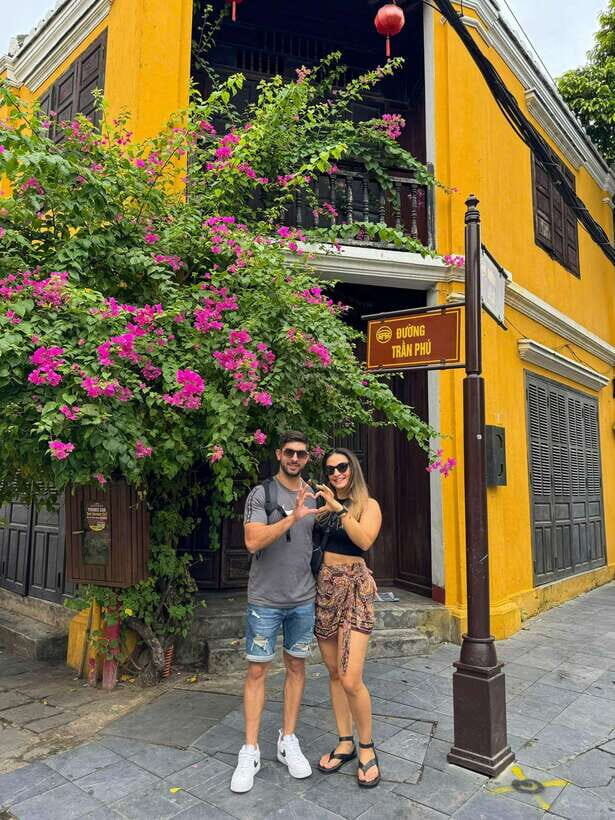
Hoi An feels like a living museum. This half-day heritage walk is built around Ancient Houses and the Hoi An Market, so you see how different cultures show up in everyday street life. You’ll also hit the places most first-timers come for, including the famous Japanese Covered Bridge.
I also like that the tour mixes architecture with small pauses to eat and rest your feet. One caution: a few past bookings reported the experience running shorter than the 4-hour promise, with time that felt more like arts viewing or selling than pure sightseeing.
In This Review
- Key points to know before you go
- Entering Hoi An on foot: how the 4 hours really work
- Hotel pickup, coach time, and who it fits best
- Hoi An Market: the 35-minute stop that sets the tone
- Fujian Assembly Hall: Chinese influence you can see up close
- The Traditional Art Performance Theatre: a stop that may feel unexpected
- Folk museum and old houses: Tan Ky House and why it’s a highlight
- A quick street-food moment: Nước Thảo Mộc Sả Chanh
- Japanese Covered Bridge: the iconic stop, handled in context
- A pass-by at a church site: seeing the town’s faith layers
- Guides can make (or break) the experience: what the reviews reveal
- Price and value: is $33 a fair deal?
- Weather, shoes, and how to stay comfortable on a heritage walk
- Should you book the Hoi An Heritage Walking Tour?
- FAQ
- FAQ
- How long is the Hoi An half-day heritage walking tour?
- What sites will I visit on this walking tour?
- Is pickup included?
- Is the tour guide in English?
- What is included in the price?
- What isn’t included?
- Are there options for groups or private tours?
- What are the child pricing rules?
Key points to know before you go
- A 4-hour format with hotel pickup in central Hoi An, plus short coach rides between walking blocks
- Culture-forward stops that show Chinese, Japanese, and Vietnamese styling in one concentrated route
- Hoi An Market time (35 minutes) to sample what people actually buy and eat nearby
- Japanese Covered Bridge (15 minutes) for the iconic photo stop, guided with context
- Tan Ky House and the Fujian Assembly Hall as architectural anchors you’ll remember
Entering Hoi An on foot: how the 4 hours really work

This is a true walking-style tour, but it’s not a marathon. You get about 4 hours total, including short bus/coach transfers (roughly 15 minutes each way), then you move on foot through the Ancient Town area.
That balance matters. In a place this tight and historic, walking keeps things intimate and lets you slow down, while the coach time saves your energy for the key sights. If you’re trying to cover a lot without feeling rushed all day, this format can be a good match.
You can also read our reviews of more walking tours in Hoi An



Hotel pickup, coach time, and who it fits best
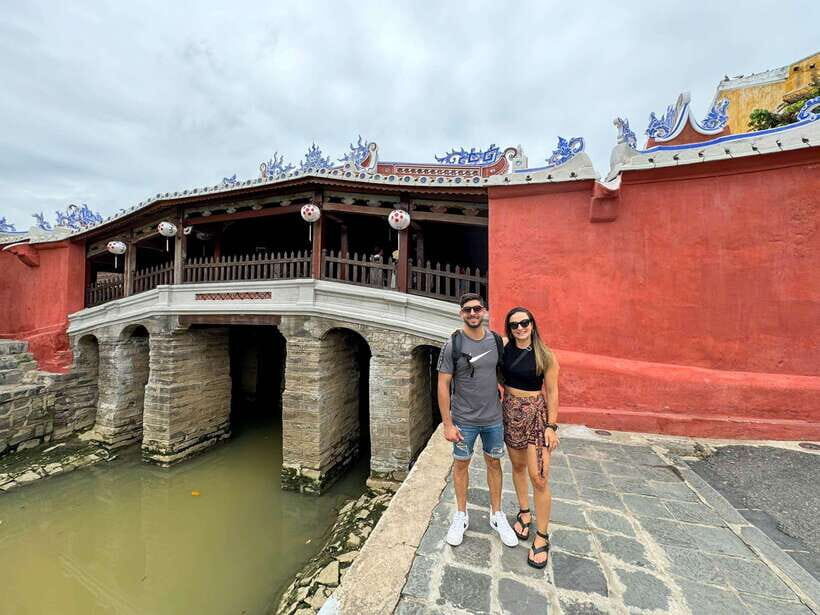
Pickup is included, with hotel pickup and drop-off in Hoi An City Center, except the South Hoi An area. If you’re staying outside the center, ask ahead so you don’t end up stranded or delayed.
It can also help to mentally plan for timing quirks. One review flagged a pickup mix-up, and another said the tour was shorter than expected. That doesn’t mean it’s always a problem, but it’s smart to show up a little ready, then keep a flexible mindset.
For best results, consider this tour if:
- you want a guided route through multiple heritage sites
- you’d rather not design your own path through the Ancient Town
- you like architecture and cultural influences more than late-night nightlife
Hoi An Market: the 35-minute stop that sets the tone
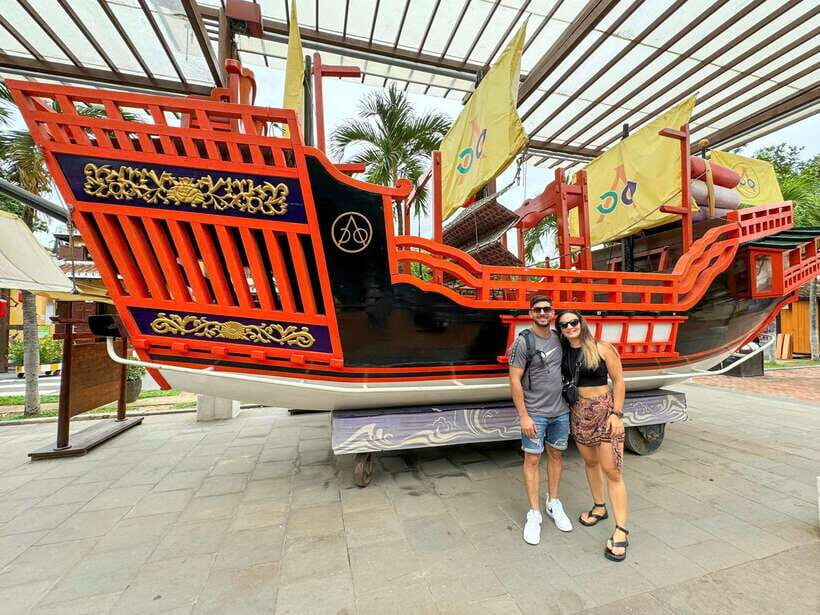
The tour’s first big texture hit is Hoi An Market, with about 35 minutes for guided sightseeing and walking. This is where the day stops feeling like sightseeing and starts feeling like local life.
I like that the market isn’t just a pass-by. You get time to look around, notice what stalls focus on, and connect the architecture stops to the living town outside those old walls.
One practical tip: markets move fast. If you like to ask questions, this is the moment. Guides are usually strongest here because it’s easy to point out everyday items and explain what they are.
Fujian Assembly Hall: Chinese influence you can see up close
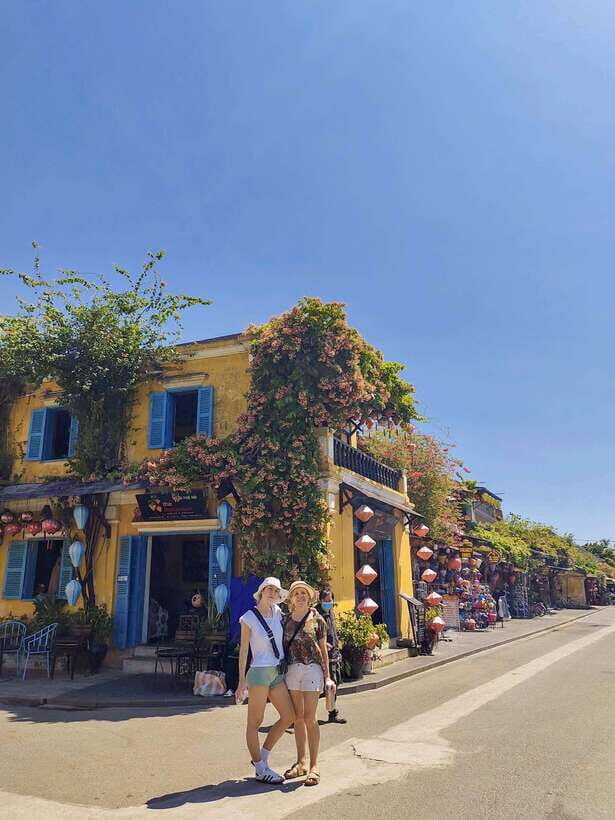
Next is the Fujian Assembly Hall, with about 20 minutes of guided walk-through and sightseeing. This stop is one of the clearest examples of the tour’s main promise: different cultural styles showing up in the same city blocks.
Why I think this matters: assembly halls and similar heritage buildings weren’t just decoration. They were places tied to community identity and group life. Even if you only have a short window in Hoi An, this is the kind of stop that gives the rest of the day meaning.
You’ll likely do more looking than reading here. Take it slow and watch the structural details your guide points out, especially where styles feel distinctly non-Vietnamese.
The Traditional Art Performance Theatre: a stop that may feel unexpected
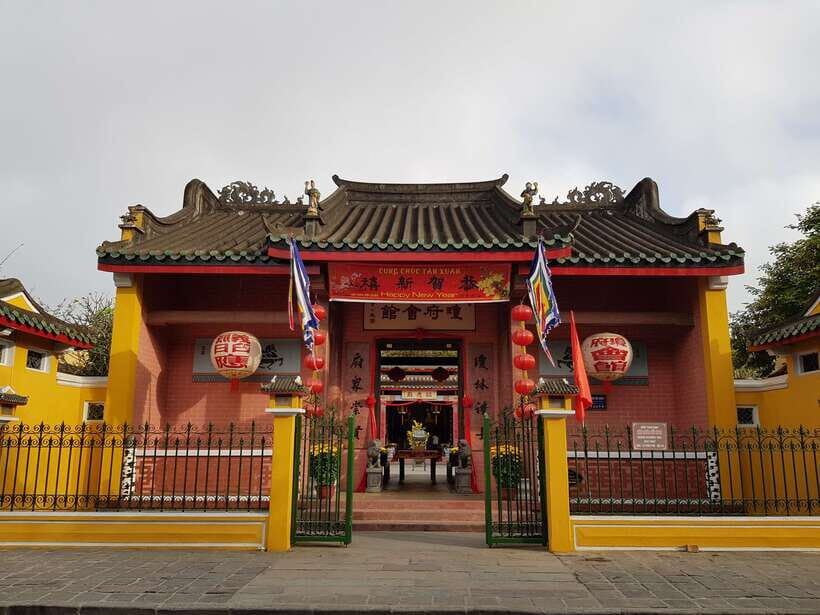
The schedule includes Hoi An Traditional Art Performance Theatre, with around 40 minutes and a traditional dance show. This is the part that can split people: some visitors love it, others feel it interrupts the sightseeing flow.
A couple of reviews noted this show time either wasn’t expected or changed the tour’s focus. You should go in knowing the tour includes it by design. If you prefer pure architecture and street walks only, you might want to set expectations before you go.
If you do stay with it, it can be a useful contrast. Architecture shows what people built; a performance shows something people carried in culture and daily expression.
You can also read our reviews of more historical tours in Hoi An






Folk museum and old houses: Tan Ky House and why it’s a highlight
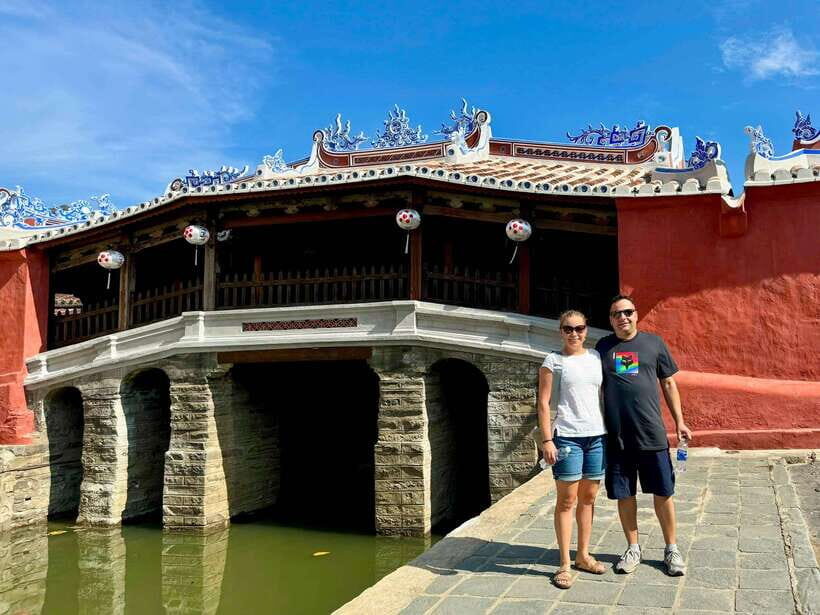
After the theatre, you’ll visit the Hoi An folk museum (about 15 minutes) and then the Old House of Tan Ky (about 20 minutes), with guided touring and walking between key points.
These stops are where the tour shifts from big landmarks to preserved spaces. Even in a short half-day, old houses like Tan Ky help you understand the scale of what “heritage” means here—built space shaped by practical life, not just tourist aesthetics.
If you’re someone who likes details, this part of the route usually clicks. Pay attention to the way rooms and facades guide movement through narrow town sections. It’s also a good place to ask your guide how the different cultural styles show up in everyday building choices.
A quick street-food moment: Nước Thảo Mộc Sả Chanh
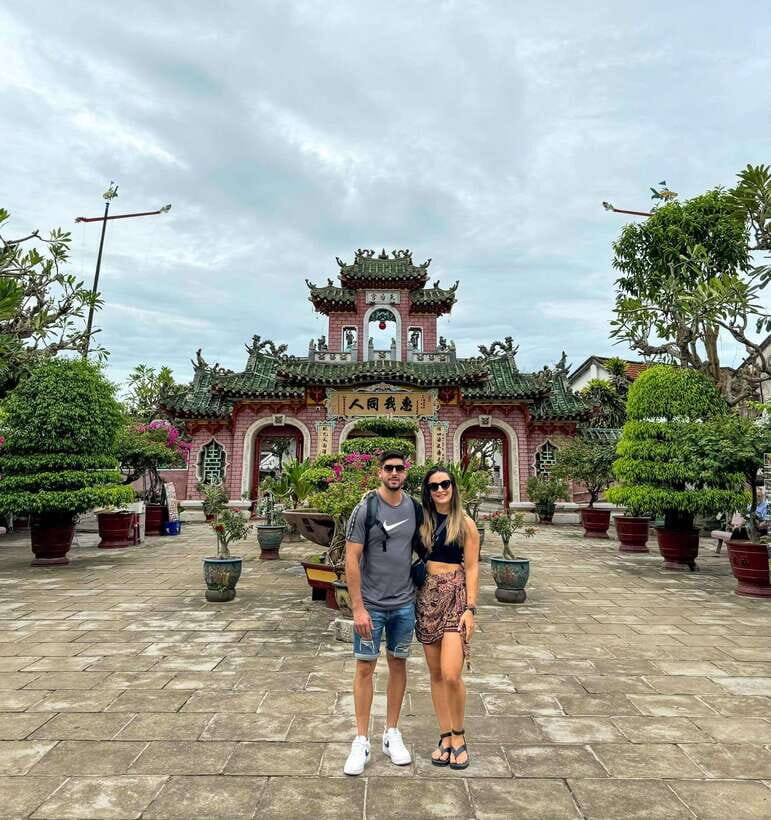
There’s a short stop at Mót Hội An – Nước Thảo Mộc Sả Chanh, listed as street food with about 10 minutes. This is brief, but it’s a nice reminder that the tour isn’t only about looking.
I like these small food breaks because they keep your energy up without turning the day into a long meal. The downside is obvious: if you’re hoping for a longer food crawl, this isn’t that. It’s more of a taste and a cultural flavor checkpoint.
Japanese Covered Bridge: the iconic stop, handled in context
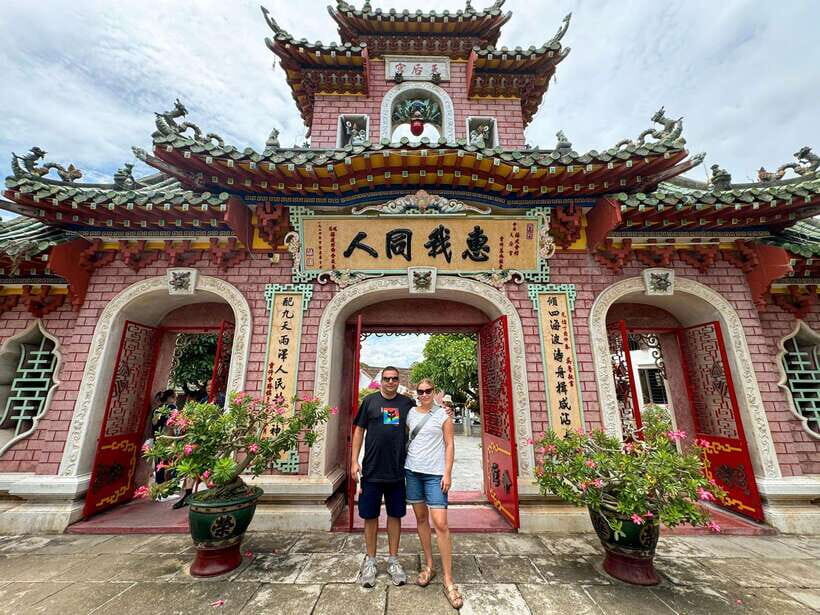
Then you reach the Japanese Covered Bridge, with about 15 minutes of guided visit and sightseeing. It’s the postcard landmark in Hoi An, and the tour’s job here is to give you more than a photo.
From a practical perspective, 15 minutes is just enough to:
- get oriented
- take your photos
- listen for the cultural explanation that makes the bridge feel like more than a background prop
If you’re a detail person, ask your guide what to look for visually—where the style feels Japanese versus how the bridge fits into a broader Vietnamese-Chinese town setting.
A pass-by at a church site: seeing the town’s faith layers
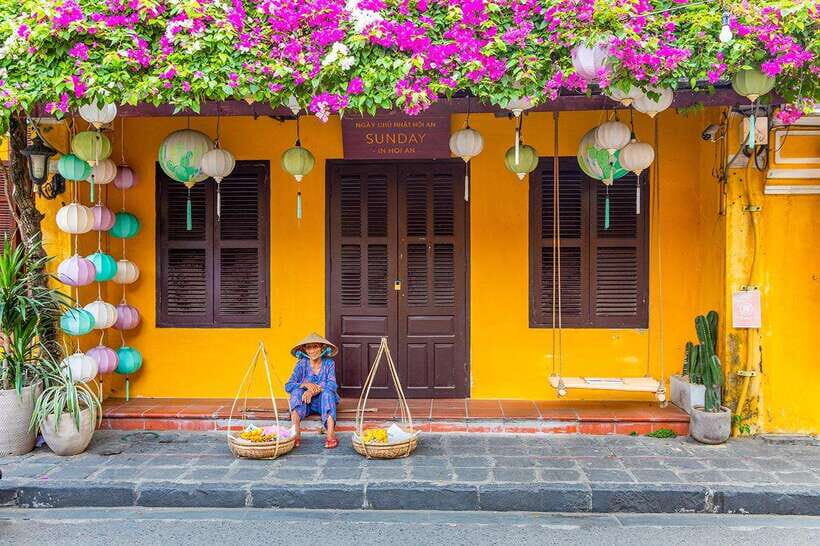
The itinerary includes Hội Thánh Tin Lành Việt Nam – Chi Hội Hội An, listed as a guided tour and walk with about 15 minutes, plus a pass-by element.
This stop isn’t the core headline like the Covered Bridge, but it helps show how the town’s heritage isn’t only “old and decorative.” It’s also living, changing, and layered with newer religious communities.
Guides can make (or break) the experience: what the reviews reveal
Most of the value in a heritage walk comes from the guide’s pacing and the clarity of their explanations. The reviews here back that up.
Emily was praised as attentive, including when rain started and when she supported an elderly mom. Phan also received strong feedback for being friendly, punctual, and explaining things clearly and completely while answering questions easily.
At the same time, not every experience landed perfectly. One review described a tour that felt more like shopping than sightseeing and called it overpriced for what was shown. Another mentioned a shorter-than-expected duration and a guide who seemed more focused on a phone than on group care.
So your best move: if you’re booking, treat this as a guided route, not a museum lecture. But still, you can aim for a high-quality day by choosing the right group size option (private is available) and coming ready with questions about the houses and cultural influences.
Price and value: is $33 a fair deal?
At $33 per person for about 4 hours, the price can feel reasonable because several costs are handled for you. Entrance fees are included, bottled water is included, and you get an English-speaking guide (other languages may be available with a surcharge).
You also get transfer and transportation as part of the itinerary, plus travel insurance included. Those elements matter when you’re comparing “tour cost” to “total trip cost,” because self-planning can add up fast once you pay for entrances and figure out logistics.
Where value gets tricky is timing. If your day runs closer to the expected time, the set of stops is a lot to pack into half a morning/afternoon. If it runs short, or if you feel the focus shifts toward arts viewing or selling, the same price can feel too high.
Weather, shoes, and how to stay comfortable on a heritage walk
Hoi An’s weather can interrupt plans. One review mentioned enjoying the tour even though it was raining, so you shouldn’t assume the day will be perfect.
Since this is mostly walking, bring shoes you can trust on uneven old-town surfaces. Also keep a rain layer in your day bag. When the weather turns, your comfort becomes the difference between a pleasant stroll and a rushed trudge.
Should you book the Hoi An Heritage Walking Tour?
I think this tour is worth booking if you want a structured way to see how Chinese, Japanese, and Vietnamese styles overlap in Hoi An Ancient Town, and you want the big landmark stop at the Japanese Covered Bridge without spending your entire day mapping routes.
I’d be more cautious if:
- you strongly prefer only historical architecture and want minimal non-sightseeing time
- you’re worried about the tour running short on your day
- you hate anything that feels sales-focused and you want zero pressure shopping
A good compromise is to choose the private group option if you want stronger control over pacing and less chance of group friction. Also, go in understanding the schedule includes a traditional dance performance and a short street-food taste.
If you decide to book, this is one of those tours where your expectations set your enjoyment. For the right traveler, it’s a smart, efficient way to get context fast and see why Hoi An is famous in the first place.
FAQ
FAQ
How long is the Hoi An half-day heritage walking tour?
The tour duration is listed as 4 hours.
What sites will I visit on this walking tour?
The route includes Hoi An Market, Fujian Assembly Hall, Hoi An Traditional Art Performance Theatre (with a traditional dance show), Hoi An folk museum, Old House of Tan Ky, Mót Hội An – Nước Thảo Mộc Sả Chanh (street food and local snacks), Japanese Covered Bridge, and a pass-by guided stop at Hội Thánh Tin Lành Việt Nam – Chi Hội Hội An.
Is pickup included?
Yes. Hotel pickup and drop-off in Hoi An City Center is included. South Hoi An area is excluded.
Is the tour guide in English?
Yes, the tour includes an English-speaking guide. Other languages may be available upon request with a surcharge.
What is included in the price?
Included items are transfer and transportation, entrance fees, bottled drinking water, English-speaking guide (as listed), and travel insurance.
What isn’t included?
Personal expenses are not included.
Are there options for groups or private tours?
A private group option is available.
What are the child pricing rules?
A maximum of 1 child can be accompanied by 1 adult at the child price. The 2nd child will pay the adult price.