REVIEW · HOI AN
Hoi An Walking Tour
Book on Viator →Operated by Vacation Indochina Travel · Bookable on Viator
Hoi An hits different on foot. I like this 4-hour walking tour for two clear reasons: you start at the Japanese Covered Bridge and you move through the old streets with an English-speaking guide who explains what you’re seeing. One possible drawback: at some stops, the on-site hosts at nearby places may share the details, so the depth can vary from one segment to the next.
You’ll get a car transfer from your hotel area to the start point and then back to town after the walk. It’s also a small comfort upgrade: bottled water plus fresh coconut water are included, which matters in Hoi An’s heat.
In This Review
- Key Points You’ll Care About
- Entering Hoi An With a Map in Your Head
- Japanese Covered Bridge (Chua Cau): A Bridge That’s Really a History Lesson
- Phuc Kien (Fukian) Assembly Hall: Thien Hau and the Sea
- The Guide Factor: English Explanations That Make the Streets Click
- What You Actually Get in 4 Hours (and Why It’s a Good Length)
- Price and Value: When $69 Feels Fair
- Logistics That Affect Your Comfort (Pickup, Weather, Timing)
- Is This Tour Right for You?
- Should You Book This Hoi An Walking Tour?
- FAQ
- How long is the Hoi An Walking Tour?
- What time does the tour start?
- Where does the tour take place?
- What are the main stops on the itinerary?
- Are admission fees included?
- Is pickup from my hotel included?
- What drinks are included?
- Is the tour led by an English-speaking guide?
- Is this a private tour?
- What is the cancellation policy?
Key Points You’ll Care About
- Two classic Hoi An landmarks in about four hours, with time to look, not just rush
- Hotel pickup and drop-off by car, so you spend less time wrangling taxis
- Admission fees handled for you, plus bottled water and fresh coconut water
- English-speaking guides, with guides like Nini, Jesmine, Dung, Annie, and Huy often praised for keeping things fun and clear
- Private tour setup, only your group on the route, even though you can still get group discounts
Entering Hoi An With a Map in Your Head

Hoi An is the kind of place where you can walk in circles for hours and still feel charmed. The hard part is knowing what you’re looking at. This walking tour helps you get your bearings fast by combining two major heritage stops with a simple orientation to the town’s historical layers.
The route is built around a morning start at 8:00am, which is a smart move. Early on, the streets are cooler and you’ll have an easier time focusing on details like architecture, carvings, and street layouts instead of just beating the heat.
You’re not left to figure everything out alone either. The tour guide leads in English, and the whole experience is handled as a private activity, meaning it’s only your group. Add the included car transfer from your hotel to the visit area and back, and the experience feels smoother than doing it completely on your own.
You can also read our reviews of more walking tours in Hoi An



Japanese Covered Bridge (Chua Cau): A Bridge That’s Really a History Lesson
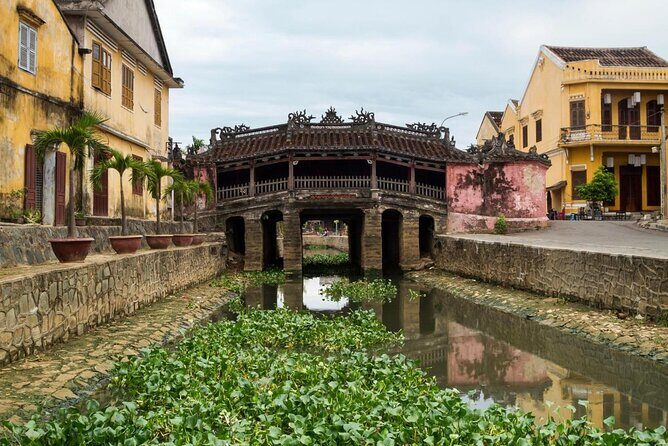
Your first major stop is the Japanese Covered Bridge, also called Chua Cau or the Pagoda Bridge. The point isn’t just that it’s photogenic. It’s that it connects Hoi An to the story of trade and foreign communities that once shaped the town.
This bridge was built by Japanese craftsmen, and it’s tied to the broader Japanese merchant community active in Hoi An. In plain terms: this is a physical reminder that Hoi An wasn’t isolated. It was international long before “global” became a buzzword.
You’ll have about 15 minutes here, and that’s enough time to do three useful things:
First, take in the layout and the covered structure. Second, notice the way the bridge links different parts of the town’s sacred and civic life. Third, ask your guide what the symbolism means in the local context.
Admission is listed as free, so you’re not paying extra to get oriented. If you’re the type who loves to understand “why this exists,” this stop is the kind that gives you a mental anchor for the rest of your walk.
Phuc Kien (Fukian) Assembly Hall: Thien Hau and the Sea
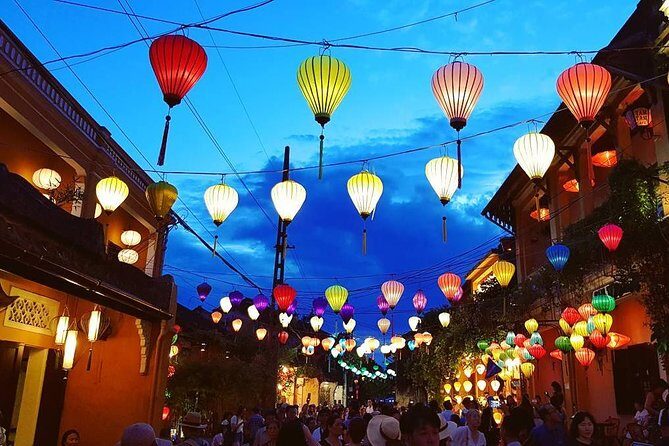
Next is the Fukian Assembly Hall, also known as Phuc Kien, located at 46 Tran Phu St. This is where the tour shifts from a single structure you can admire from the outside to a place with stronger cultural and spiritual weight.
The hall is dedicated to Thien Hau, the goddess of the sea. That detail matters because it helps you connect Hoi An’s old prosperity to maritime life. When a port town grows, it doesn’t just grow wealth. It grows rituals, protection beliefs, and community spaces—so the worship and the architecture end up side by side.
You’ll spend about 30 minutes at this stop, and admission is included. That timing is useful. It gives you a chance to look around without feeling like you’re sprinting. You can also slow down to spot how assembly halls functioned as more than temples. They were community hubs for people with shared origins and shared needs.
The best part of stopping here is that it changes the way you read the town. After you learn that Thien Hau worship was central to sea-based communities, you start seeing Hoi An’s landmarks with more meaning than just scenery.
The Guide Factor: English Explanations That Make the Streets Click
This tour lives or dies by the guide, and the feedback tied to this experience highlights a very consistent theme: the guides are focused on making you understand what you’re seeing, while keeping the mood light.
Names that come up often include Nini, Jesmine, Dung, Annie, and Huy. Even when the personalities differ, the common thread is practical help. People tend to like how these guides explain things in a way that’s easy to follow, and how they’re willing to answer questions instead of running straight through the script.
If you’re traveling solo, this matters even more. A good guide helps you feel like you’re walking with someone who has already learned the town’s logic. If you’re traveling with friends or family, you’ll appreciate how the pace stays manageable and the explanations don’t leave anyone behind.
One small consideration: at certain points, you may also hear information from people at nearby places (for example, shop or house-focused stops that sometimes appear on the broader tour flow). On those segments, you might get more detail—or less—depending on what’s happening that day. If history depth is your top priority, it’s worth asking your guide follow-up questions when you’re in front of the main landmarks.
What You Actually Get in 4 Hours (and Why It’s a Good Length)
The total duration is about four hours, and the structure makes sense. The stops aren’t so many that you feel like you’re always arriving, and they’re not so few that the tour feels too short.
A four-hour walking tour is a sweet spot in Hoi An because it works as a kickoff. You’ll finish with enough context to wander the rest of the Ancient Town with better instincts:
- You’ll recognize the Japanese influence when you see related design cues.
- You’ll understand why sea-focused worship shows up in the town’s heritage spaces.
- You’ll know which landmarks are “anchor points” and which ones are worth a quick detour.
It also works if you’re short on time between other plans. If you’re squeezing in day trips around central Vietnam, this is the kind of activity that adds meaning without stealing an entire morning or afternoon.






Price and Value: When $69 Feels Fair
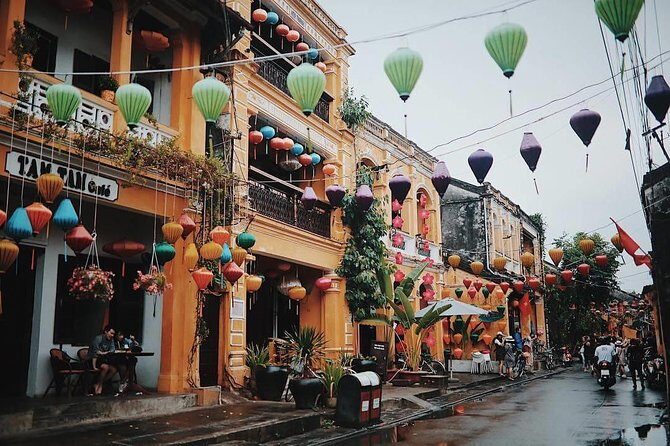
This tour costs $69 and includes several items that add up quickly in a destination like Hoi An: hotel pickup/drop-off by car, an English-speaking guide, admission fees, and water plus fresh coconut water.
Here’s the value logic I’d use to decide:
- Transfers reduce stress and wasted time, especially in the morning.
- Admissions remove guesswork.
- Drinks are not exciting, but they matter in real life. A fresh coconut water isn’t a luxury when the day is hot and you’re walking.
Meals are not included, so you still have freedom to choose what you want to eat afterward. That’s not a downside—it’s a chance to eat on your own schedule, rather than being pushed toward one restaurant.
If you’re comparing against doing both landmarks independently, the advantage is the guide and the smooth timing. If you already know Hoi An’s context and just want to walk, you might not need a tour. But if you want your time to feel purposeful, the price-to-support ratio makes sense for many visitors.
Logistics That Affect Your Comfort (Pickup, Weather, Timing)
The meeting is set for 8:00am, and the tour notes that the start point is near public transportation. You’ll also be offered a car transfer from your hotel to the visit area, which is a big deal in old-town cities where finding a taxi-friendly spot can be annoying.
Weather is another practical factor. This experience requires good weather, and if it’s canceled due to poor weather, you’ll be offered a different date or a full refund. That’s the right kind of safety net for an outdoor walking format.
So what should you do to make the tour feel easy?
Wear comfortable walking shoes and plan for sun. Bring something light for rain just in case, even if the day looks fine. And drink the included water early. By the time you reach the second stop, your pace will feel better.
Is This Tour Right for You?
This tour is a great match if you want:
- A guided start to Hoi An that helps you read the town quickly
- A simple route with time to actually look
- Hotel pickup and included admission, without meal pressure
It’s also a strong option for first-time visitors who don’t yet know where to focus their attention.
If you’re the type who wants ultra-deep history at every location, you might feel slightly limited by the short stop times and by how some segments can rely on on-site hosts. You can handle this by asking your guide smart questions during the time you have, especially at the two main cultural anchors.
Should You Book This Hoi An Walking Tour?
I’d book it if you want the quickest path from confusion to confidence. The combo of the Japanese Covered Bridge and the Phuc Kien (Thien Hau) Assembly Hall gives you two different cultural angles on Hoi An—trade and maritime belief—without a long, exhausting itinerary.
It’s also a practical choice: hotel transfers, an English guide, admission fees, and cooling drinks are all built in. The only reason not to book is if you’re already confident you won’t want guidance at all, or if you only enjoy tours where every stop is long and equally detailed.
If you like walking tours that make you smarter on the way, this is a solid way to kick off your Hoi An days.
FAQ
How long is the Hoi An Walking Tour?
The tour lasts about 4 hours.
What time does the tour start?
The start time is 8:00am.
Where does the tour take place?
It takes place in Hoi An, Vietnam.
What are the main stops on the itinerary?
The tour includes the Japanese Covered Bridge (Chua Cau) and the Phuc Kien (Fukian) Assembly Hall on Tran Phu Street.
Are admission fees included?
Yes. Admission fees are included as part of the tour. The Japanese Covered Bridge stop lists free admission, and the Phuc Kien Assembly Hall admission is included.
Is pickup from my hotel included?
Yes. The tour includes car transfer from your hotel to the visit area and a transfer back to your hotel after the tour.
What drinks are included?
Bottled drinking water and a fresh coconut water are included.
Is the tour led by an English-speaking guide?
Yes, the tour guide speaks English.
Is this a private tour?
Yes. It’s private, meaning only your group will participate.
What is the cancellation policy?
You can cancel for free up to 24 hours in advance for a full refund. If you cancel less than 24 hours before the experience starts, the amount paid is not refunded. If it’s canceled due to poor weather, you’ll be offered another date or a full refund.