
REVIEW · HOI AN
Hoi An Ancient Town – Walking Tour with Local Guide
Book on GetYourGuide →Operated by CÔNG TY TNHH THANH HAI TRAVEL · Bookable on GetYourGuide
Hoi An makes more sense on foot. This small-group walk (max 10 people) strings together the classic sights with lots of indoor break stops, so the experience stays comfortable even when the streets get crowded. I especially love the local guide angle, which turns the buildings and landmarks into stories you can actually remember, and you’ll also get an included tea or dessert plus practical ideas for where to eat, sip coffee, and even sort out tailoring. One thing to plan for: there’s an extra UNESCO-era entrance ticket you must pay in cash (120,000 VND per person).
You’re covering the town in about 150 minutes, starting right in the heart of Hoi An. It’s a straightforward walking format, built for orientation and context, so you can enjoy the rest of your day without feeling lost among the lanterns and shopfronts.
In This Review
- Key reasons this Hoi An walk works
- Setting Off in Hoi An: Start on Phan Chu Trinh Street
- A Simple Budget: What You Pay and What You Actually Get
- Walking Route Through Hoi An’s Signature Spots
- Ba Mu Temple gate: the quiet start that sets the tone
- Fujian/Cantonese Assembly Hall: seeing community roots in plain sight
- Japanese-covered bridge: the photo moment plus context
- Kazik Park: a breather between heritage stops
- Tấn Kí Heritage House: the kind of place you miss without a route
- Hoi An Traditional Art Performance House: culture you can connect to later
- Museum of Folk Culture: context that makes the rest of Old Town click
- Hoi An Market: end with choices for food and souvenirs
- How the Guide Adds Value (and Why Names Like Trung Matter)
- Tea, Local Dessert, and the Recommendations You’ll Use That Evening
- Who Should Book This Hoi An Walking Tour?
- Should You Book This Hoi An Walking Tour?
- FAQ
- How long is the Hoi An Ancient Town walking tour?
- What is the group size?
- Is an entrance ticket included?
- Where is the meeting point?
- What does the tour include?
- Does the price include pickup or drop-off?
- Is the tour suitable for strollers or babies under 1 year?
Key reasons this Hoi An walk works
- Max 10 people means you’re not stuck far away from the guide’s explanations
- Indoor break stops keep the pacing sane when heat or rain hits
- A UNESCO entrance ticket plan (pay cash) and a separate entrance helps you keep moving
- Stop-by-stop structure hits the icons fast: Ba Mu gate, Japanese-covered bridge, and more
- The included refreshment (tea or local dessert) gives a natural reset mid-tour
- Guides like Trung, Duy, and Tom consistently mix history with humor and easy Q&A
Setting Off in Hoi An: Start on Phan Chu Trinh Street

This tour is designed for people who want the biggest payoff with the least fuss. You meet at 95 Đ Phan Chu Trinh in front of a tailor shop, at a corner intersection—easy to find once you’re on the right street. The walk is timed at 150 minutes, with a pace that stays manageable instead of turning into a long sprint through Old Town.
The small group size matters more than you’d think. When the old town gets packed, a tight group means you keep your rhythm, hear the guide, and don’t spend the afternoon playing catch-up around crowds. In peak periods like Tet, guides have a knack for keeping the group together and moving smartly, so the route still feels smooth.
What to wear is simple: comfortable clothes. If you have mobility limits, remember this is still a walking tour through historic streets, not a sit-down museum loop. Also, baby strollers aren’t allowed, and the tour isn’t suitable for babies under 1 year—so plan around that if you’re traveling with little kids.
You can also read our reviews of more walking tours in Hoi An



A Simple Budget: What You Pay and What You Actually Get

The price is $14 per person, and the value comes from how much ground the tour covers with a real local guide. You’re not only seeing landmarks—you’re getting guidance that helps you understand what you’re looking at, plus built-in stops that make the experience practical.
Here’s the financial reality: the tour does not include the town entrance ticket. You’ll need to pay 120,000 VND per person in cash only. The tour also mentions skip-the-line through a separate entrance, which is worth paying attention to. Even with the extra ticket cost, you generally save time versus figuring out access on your own.
What’s included is the stuff that makes walking tours work:
- an English-speaking local guide
- a small-group walking format
- visits to key heritage sites
- time for hidden alleys and photo spots
- an included traditional dessert or local tea
- practical recommendations for places to eat, coffee, and tailor shops
The hidden value is the end-of-tour usefulness. You don’t just get sightseeing. You also get suggestions you can use right away, whether you want a local dish, a calm café, or a tailor shop to handle a fitting.
Walking Route Through Hoi An’s Signature Spots
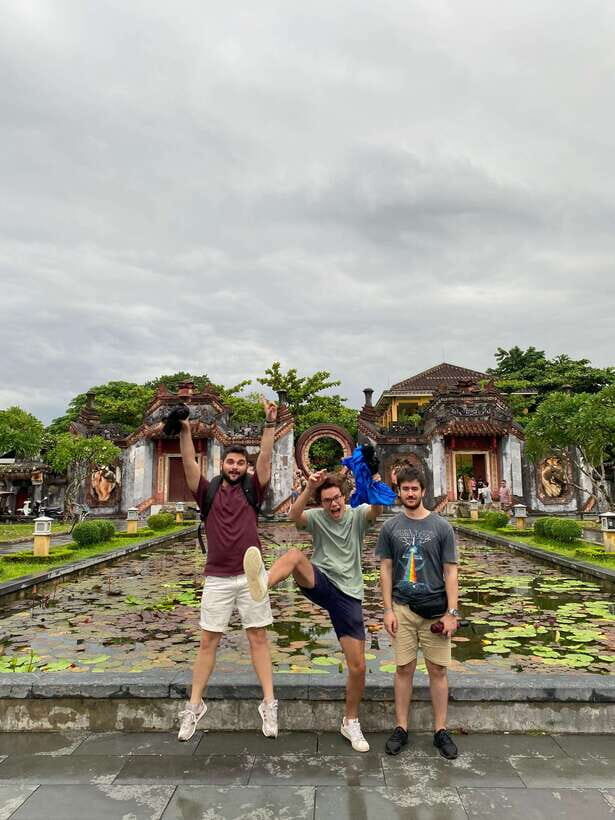
This is a classic Hoi An sampler, but with enough context added that the landmarks don’t feel random. The stops cover both big-name icons and the smaller heritage experiences that help you understand why Hoi An looks the way it does.
Ba Mu Temple gate: the quiet start that sets the tone
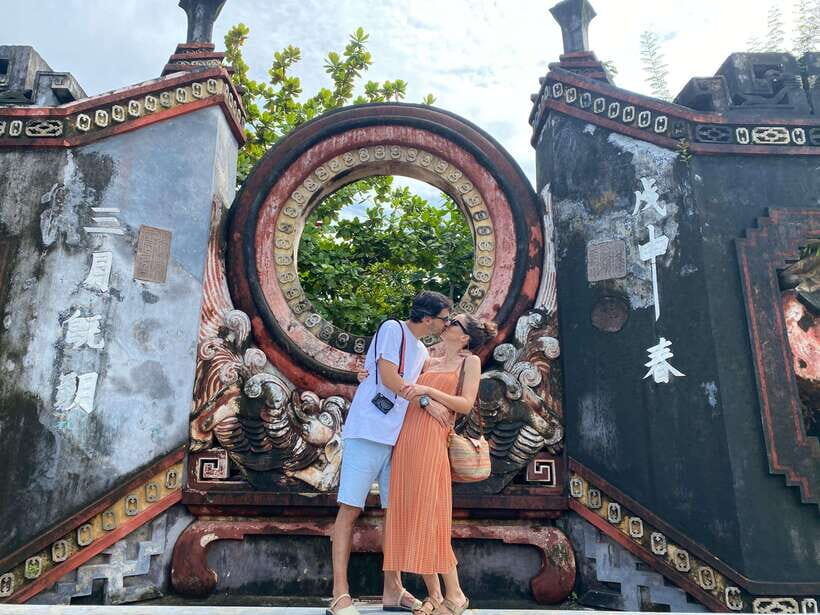
You begin at the Ba Mu Temple gate. Even before you reach the most photographed structures, this first stop gives you a grounding point. It’s a good moment to reset your brain and switch from street-scrolling mode to sightseeing mode.
A practical note: gates and temple entrances can be visually busy. With a guide, you’ll usually get quick pointers on what to look for first, which saves you time later when you’re holding your phone at the wrong angle for 10 minutes.
Fujian/Cantonese Assembly Hall: seeing community roots in plain sight
Next up is the Fujian/Cantonese Assembly Hall. The name alone tells you why it matters. You’re looking at a place tied to specific Chinese community traditions in Hoi An, not just a random old building.
This stop is one of the best examples of why a guided walk helps. Without a guide, you might notice the architecture but miss the cultural meaning behind it. With the guide, you get the story behind the community connection, which changes how you see the details.
You can also read our reviews of more guided tours in Hoi An






Japanese-covered bridge: the photo moment plus context
Then you reach the Japanese-covered bridge. This is the sort of landmark that looks great in pictures, but the guide experience matters because they’ll point out what makes it significant in the town’s pattern of influences.
Expect a short, efficient stop. The goal is to get your photos and your basic understanding without turning it into a long standstill in the busiest area. If you’re traveling with a tight schedule, this kind of pacing is a real win.
Kazik Park: a breather between heritage stops
You’ll also visit Kazik Park. It works as a mental break in the middle of the walk. After temple gates and heritage buildings, a park stop helps you cool down, reset your eyes, and keep your energy for the next indoor heritage spaces.
If weather turns, indoor breaks often help. Even if you’re not stuck inside the whole time, having a planned pause keeps the tour from feeling like a heat trial.
Tấn Kí Heritage House: the kind of place you miss without a route
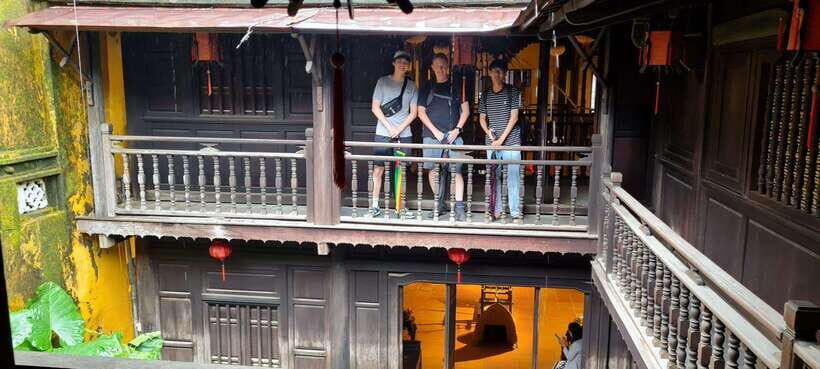
The walk continues to the Tấn Kí Heritage House. Heritage houses are often overlooked because they don’t look as instantly famous as bridges. But they can show you how older life was organized in a way that pictures alone won’t explain.
This stop is where you start noticing patterns in the way rooms, courtyards, and entrances shape daily life. If you like architecture and small historical clues, this is one of the more rewarding stops.
Hoi An Traditional Art Performance House: culture you can connect to later
You’ll visit the Hoi An Traditional Art Performance House. Even if you’re not sitting through a performance, the stop helps you place Hoi An’s cultural identity into real locations. It’s the kind of visit that makes later shows easier to follow because you already know what you’re looking at.
A tip: keep an eye on what the guide says about how the site fits into Hoi An’s traditions. Then, when you see related performances or art around town, you’ll understand the link faster.
Museum of Folk Culture: context that makes the rest of Old Town click
Next is the Museum of Folk Culture. A museum stop can be hit-or-miss on walking tours, but here it helps connect the dots. You’ll likely leave with a clearer idea of what you saw, why it’s there, and how it fits into Hoi An’s everyday past.
This is also a smart place to take advantage of the indoor stops. When the light shifts or rain shows up, museums keep the schedule steady instead of breaking the tour into chaos.
Hoi An Market: end with choices for food and souvenirs
Finally, you reach Hoi An Market. Markets are where you feel the town’s current rhythm, not just the preserved parts. It’s also where you can turn “I’m hungry” into a plan—especially since the guide’s practical recommendations are part of the experience.
You’ll get ideas for where to eat and what to look for. If you want to keep things safe and simple, this is a great last stop because it gives you direction before you wander off into the shopping maze.
How the Guide Adds Value (and Why Names Like Trung Matter)
The biggest driver of a great walking tour here is the guide. The tour is built around an English-speaking local guide, and the reviews reflect a consistent theme: the guides don’t just list facts. They connect landmarks to Vietnamese life and culture, and they keep the energy friendly.
Guides you might meet include Trung, Duy, Tom, Yui, and Tin. You’ll hear English that’s described as clear and engaging, and you’ll get a lot of Q&A time built into the route. That’s useful because Hoi An can feel like a blur of styles and influences, and you’ll want answers that make the town make sense.
There’s also a strong pattern around keeping the group together. When crowds tighten, guides manage the pace and route so you don’t lose people and you don’t miss your turn at key photo stops. One runner even included an extra step by helping with recommendations after the tour, which is exactly what you want when you’re trying to plan the rest of your stay.
If you care about photos, expect help. Several guides are noted for taking good photos at landmarks, which saves you from doing the awkward selfie shuffle while everyone waits.
Tea, Local Dessert, and the Recommendations You’ll Use That Evening
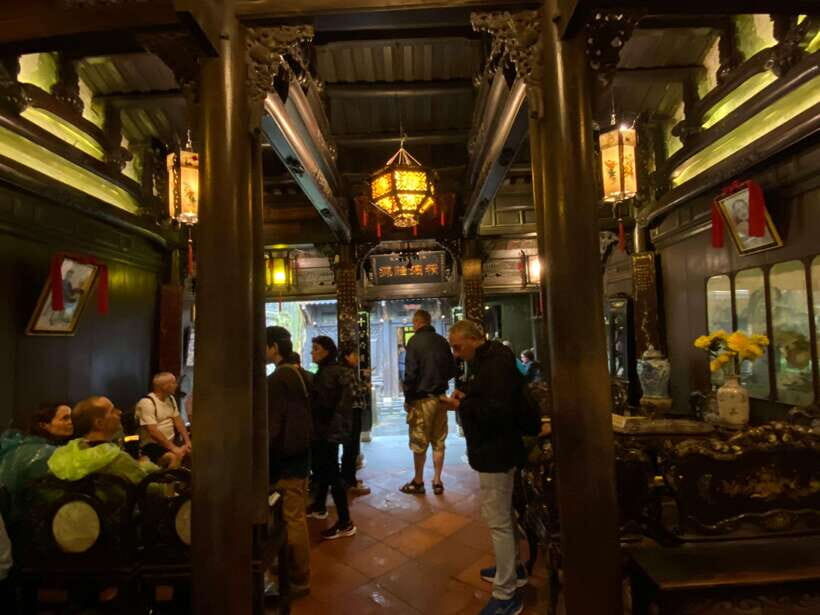
A good walking tour doesn’t end when the last landmark is photographed. Here, the tour includes time for an included traditional dessert or local tea, which is a smart reset halfway or near the end. It also helps you avoid that post-walk slump where you’re too tired to hunt down something tasty.
Then comes the practical part: recommendations for restaurants, coffee shops, and even tailor shops. That combination is a real value add because Hoi An is easy to shop and eat in—but it’s also easy to waste time wandering into places that don’t fit your mood or budget.
If you’re thinking about tailoring, the fact that the meeting point is near a tailor shop is a hint that the guide’s suggestions are part of the overall plan. You’ll likely leave with a shortlist instead of a random guess.
And yes, guides often make the included drink feel like a real moment, not just a token snack. Some recent runs have ended with a herbal drink at Mót, so if you see that on your day, it’s a nice way to close out the walk.
Who Should Book This Hoi An Walking Tour?

Book this if you want:
- the best introduction to Hoi An Ancient Town without getting overwhelmed
- a small-group experience where you can actually hear the guide
- a route that mixes icons with heritage sites and local culture stops
- an afternoon plan that ends with food and coffee ideas you can act on
It also fits well if you’re only in town briefly. When you don’t have much time, a structured walking loop helps you prioritize what matters. If you enjoy history and culture, you’ll appreciate how the guide turns architecture and sites into understandable context.
It’s less ideal if you:
- need stroller access (strollers aren’t allowed)
- are traveling with infants under 1 year (not suitable)
- want a fully silent, free-form wander. This tour is guided, with planned stops and group pacing.
Should You Book This Hoi An Walking Tour?

If you’re weighing this against wandering on your own, I’d lean toward booking—especially as a first afternoon in town. For $14, you’re buying guide-led orientation, heritage-site access, and a built-in plan that helps you see more than you would by accident.
Just don’t skip the prep step: bring enough cash for the 120,000 VND UNESCO/heritage entrance ticket. If you hate paying extra once you’re standing at the door, this might feel annoying. But if you plan for it, the separate entrance and the guided route mean you’re likely to waste less time and enjoy more of your day.
Overall, this is a strong choice for people who want the town to click fast—plus a guide who can explain what you’re looking at without turning the walk into a lecture.
FAQ
How long is the Hoi An Ancient Town walking tour?
It runs for about 150 minutes.
What is the group size?
The tour is a small group with a maximum of 10 participants.
Is an entrance ticket included?
No. You need to pay an entrance ticket of 120,000 VND per person, in cash.
Where is the meeting point?
Meet at 95 Đ Phan Chu Trinh Street, in front of a tailor shop at the corner of the intersection.
What does the tour include?
It includes a local English-speaking guide, walking tour with small group, visits to key heritage sites, hidden alleys and photo spots, and an included traditional dessert or local tea, plus recommendations for places to eat and shop.
Does the price include pickup or drop-off?
No pickup or drop-off is included.
Is the tour suitable for strollers or babies under 1 year?
Baby strollers are not allowed, and the tour is not suitable for babies under 1 year.