REVIEW · HOI AN
Hoi An Ancient Town Walking Tour with a Local
Book on Viator →Operated by Momo Travel · Bookable on Viator
Hoi An changes fast when you walk with a local. This 3-hour route threads Japanese, Cantonese, and Vietnamese stories through iconic landmarks, then ends at the central market for food and browsing. I like that it feels like a guided day, not a checklist, and I also like the small-group limit of up to 10 travelers, so the pace stays human.
You’ll visit major town highlights like the Japanese Covered Bridge, the Cantonese Assembly Hall, and the Quan Thang Ancient House, with stops that explain why these buildings matter. In past departures, guides such as Kun, Trang, Nguyen, Anh, June, Minh, Karla, and Sanh have led the walk and brought strong local storytelling and practical recommendations at the end.
One thing to consider: the Hoi An UNESCO entrance ticket is not included (120,000 VND per person), so you’ll want to plan for that extra cost and carry cash. Also, the tour needs good weather, so if conditions are poor, you may get a different date or a refund.
In This Review
- Key Things You’ll Notice on This Hoi An Walk
- Why a Local-Led Walk Works So Well in Hoi An
- Price and Value Check: $9.89 Plus What You’ll Pay Extra
- Meeting Point to Market Finish: How the 3 Hours Unfold
- Stop 1: Japanese Culture Gallery and the Japanese Thread Through Hoi An
- Stop 2: Japanese Covered Bridge, Story-First and Photo-Friendly
- Stop 3: Cantonese Assembly Hall and the Meaning of Merchant Power
- Stop 4: Quan Thang Ancient House and What Merchant Life Looked Like
- Stop 5: Traditional Art Performance Theatre for a Cultural Reset
- Stop 6: Hoi An Central Market Finish for Snacks, Shopping, and Real Life
- Coffee and/or Tea Break: A Small Stop That Helps You Keep Going
- What Guides Do Differently (and How to Get More Out of the Tour)
- Who This Tour Is Best For (and Who Should Skip It)
- Should You Book This Hoi An Ancient Town Walking Tour?
- FAQ
- How long is the Hoi An Ancient Town Walking Tour with a Local?
- How much does the tour cost?
- What’s included in the tour price?
- What entrance fees are not included?
- Do I get a mobile ticket?
- What’s the group size limit?
- Does the tour depend on weather?
- What cancellation options do I have?
Key Things You’ll Notice on This Hoi An Walk

- Small group (max 10) means less waiting and more time for questions at each stop
- Japanese Culture Gallery sets the stage for the Japanese presence in Hoi An
- Japanese Covered Bridge + Cantonese Assembly Hall show how trade communities shaped the town
- Quan Thang Ancient House focuses on how merchants lived, and how houses endured disasters
- Traditional art performance theater adds a cultural beat before the market walk
Why a Local-Led Walk Works So Well in Hoi An
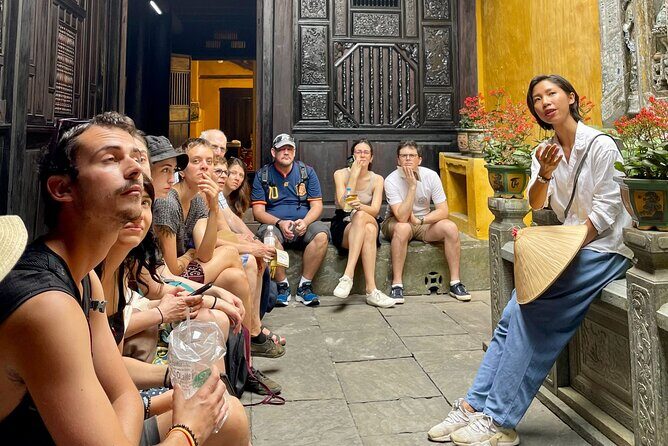
Hoi An old town is gorgeous, but it can also feel like you’re just collecting photos. This tour gives you a thread to follow, so the buildings start making sense as you move from one era to the next.
What I like most is the way the story keeps switching perspectives. You get Japanese influence in the Japanese Covered Bridge and Japanese Culture Gallery, Cantonese culture at the Assembly Hall, and then everyday merchant life in an old house. Between the landmarks, your guide ties it together with preservation stories, including how the town’s fabric survived the Vietnam War era.
The pacing also helps. You’re not sprinting between sites, but you are moving steadily, which is what you want in a walk like this—otherwise the heat and crowds can steal your attention.
You can also read our reviews of more walking tours in Hoi An



Price and Value Check: $9.89 Plus What You’ll Pay Extra
The base price is $9.89 per person for about 3 hours of guided walking. That’s a good deal for a route that visits multiple named sites, includes a break, and keeps the group small.
The part to budget for is the Hoi An UNESCO entrance ticket, which costs 120,000 VND per person and is not included. The tour’s listed stops also show admission tickets as not included, so you should expect some site costs on top of the tour price, depending on what you’re entering during your walk.
If you want the simplest budgeting approach: plan to pay the tour fee plus the UNESCO ticket in advance, and bring a little extra for any optional add-ons your guide recommends at the market.
Meeting Point to Market Finish: How the 3 Hours Unfold
You’ll meet at 125 Đ. Phan Chu Trinh, Phường Minh An, Hội An, Quảng Nam (510000), Vietnam. The walk ends at Hoi An Market, 19 Trần Phú, Cẩm Châu, Hội An, Quảng Nam, Vietnam.
Ending at the market is smart. You’re not just dropped back into traffic; you finish in the place where local life is still happening. It also makes the tour a practical start (or halfway point) to your own exploration afterward.
Stop 1: Japanese Culture Gallery and the Japanese Thread Through Hoi An
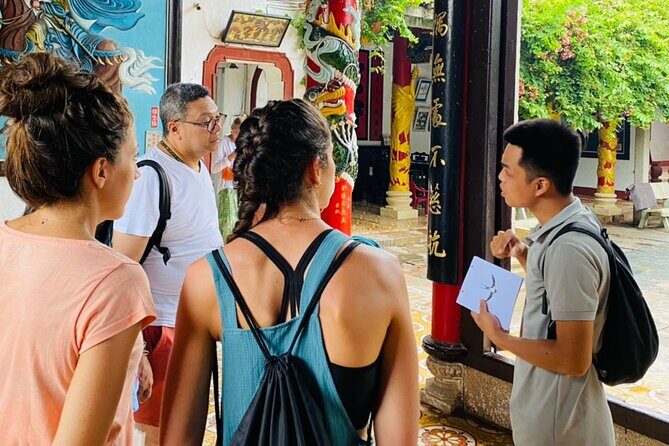
The tour begins at Nhà trưng bày Văn hóa Nhật Bản (Japanese Culture Gallery), with about 25 minutes here. This isn’t just a warm-up room. It gives you a quick timeline for how Hoi An started and why Japanese visitors and residents were present.
I like this first stop because it changes how you see everything that follows. After you understand the Japanese angle, the Japanese Covered Bridge doesn’t become a simple landmark. It becomes a piece of evidence—why Japanese architecture and influence fit into the town’s trading history.
Admission isn’t included, so be ready for a separate entry fee if required. Even so, the value is in the framing: your guide will connect the dots so you walk into the next stops with context.
Stop 2: Japanese Covered Bridge, Story-First and Photo-Friendly
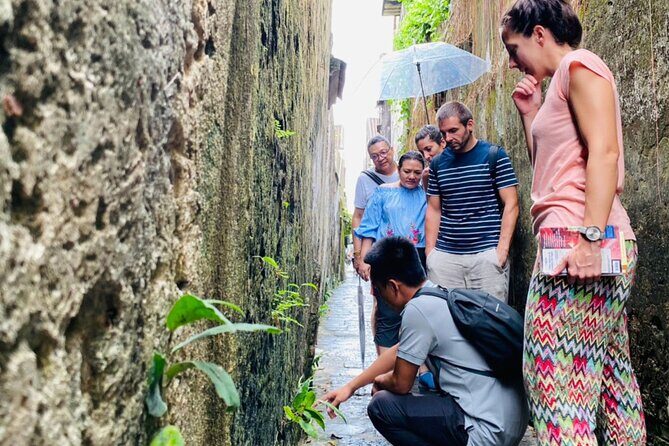
Next up is the Japanese Covered Bridge (about 20 minutes). Yes, it’s the classic stop for photos, but the point of this tour is that you don’t treat it like a prop.
You’ll learn what the bridge symbolizes in the town’s layered identity. The guide also helps you notice details that most people miss when they’re just aiming a camera—especially how Japanese design language shows up in Hoi An’s mixed heritage.
No admission ticket is listed for this stop, so it’s a lighter-fee moment compared to the gallery and other historical buildings. Use your time well: if you’re going to take pictures, do it while your guide is talking, not after.





Stop 3: Cantonese Assembly Hall and the Meaning of Merchant Power
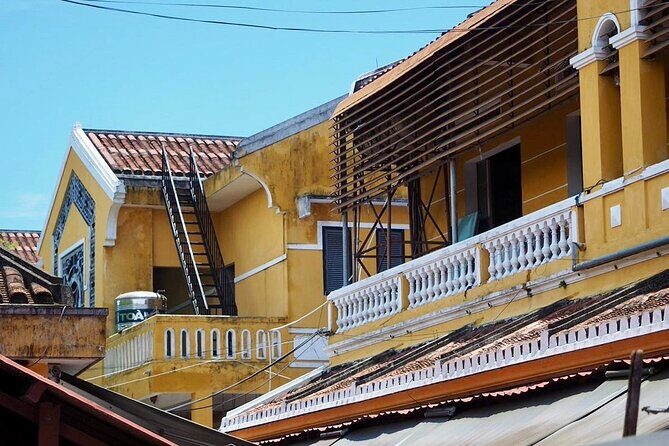
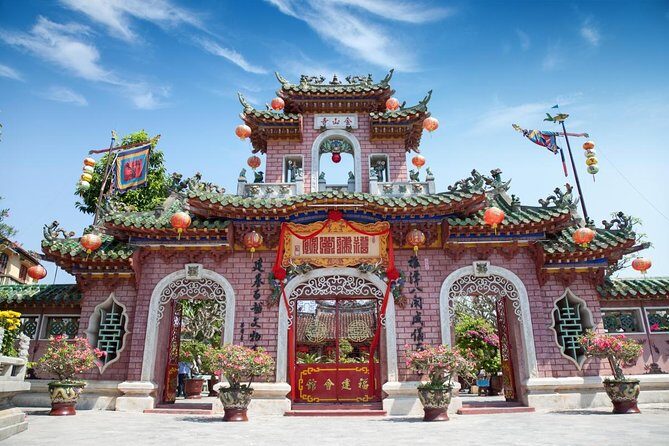
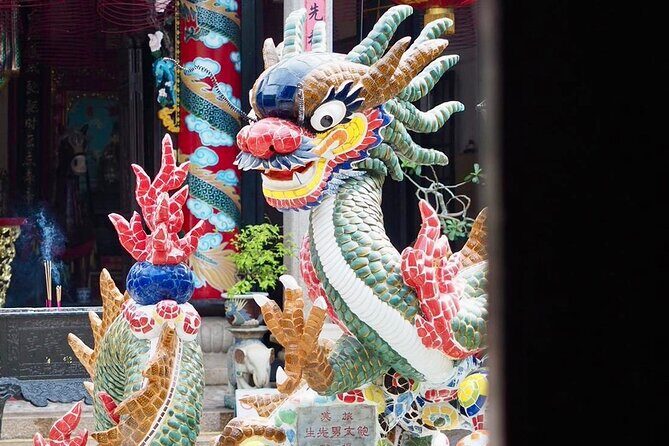
Then it’s off to the Cantonese Assembly Hall (about 25 minutes). This building is known for its ornamentation, but your guide focuses on the “why.” Cantonese merchants didn’t just trade goods; they built institutions, community spaces, and places that signaled status.
Expect to hear how the hall reflects Cantonese influence through design and historical purpose. The colors and fine details are part of the experience, but the more useful part is learning that these assembly halls functioned like social engines for immigrant communities.
Admission isn’t included. If you’re trying to keep costs predictable, make sure you’ve planned for any UNESCO-related ticketing before you arrive, and ask your guide what you’ll need as you go.
Stop 4: Quan Thang Ancient House and What Merchant Life Looked Like
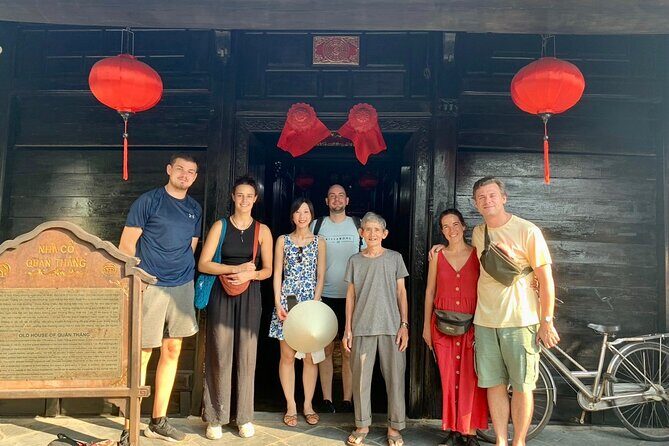
At Quan Thang Ancient House, you’ll spend around 25 minutes in a well-preserved merchant home. This stop works best when you let your guide steer the conversation away from just architecture.
You’ll get a glimpse of how a prosperous family lived, and you’ll hear how the house survived major challenges over generations. One guide’s storytelling example highlighted kitchen and working-room details and how the house endured floods across eight generations of family members. Even if the exact story differs by guide, expect the tone to stay grounded in lived experience, not just dates.
This is also a good stop for asking questions. If you’ve ever wondered how “old house” becomes “old house that still stands,” this is where you’ll hear practical answers.
Admission isn’t included, so it’s another place where the UNESCO entrance ticket may matter. If you’re budgeting tightly, confirm what you need before you enter.
Stop 5: Traditional Art Performance Theatre for a Cultural Reset
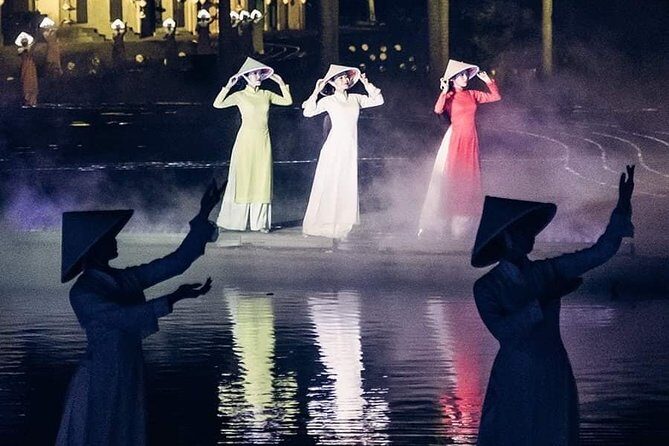
After the architecture, the tour shifts gears to performance at the Hoi An Traditional Art Performance Theatre (about 35 minutes). This segment is a nice change of pace. It also helps you avoid the common mistake of spending all your time in buildings and forgetting that culture is something people practiced daily.
You’ll watch traditional music, dance, and theater, using traditional instruments. It’s the kind of stop that makes the heritage feel human, not frozen behind a rope.
Admission isn’t included, so again, plan for site entry fees as you move through the walk. The timing here also matters: the longer indoor cultural stop can make the rest of the town feel easier to handle afterward.
Stop 6: Hoi An Central Market Finish for Snacks, Shopping, and Real Life
The last stop is Hoi An Central Market (about 35 minutes). This is where your guide turns the tour from historical to practical.
You can move stall to stall, shop for local items, and try delicacies. The tour also leans into local beliefs—like the idea behind the Hoi An people longevity story—so you might hear how people explain health and aging through food and routines.
A couple of guides have also built in small tastings, which is a big part of why I like ending here. You’re not left with theory; you’re left with flavors and options. If you’re buying gifts, this is also a good moment to decide what’s worth taking home, because you’ve seen enough of the town’s cultural roots by then to shop with taste instead of guesswork.
Admission isn’t listed for the market stop, and it’s a natural place to continue your day after the tour ends.
Coffee and/or Tea Break: A Small Stop That Helps You Keep Going
You’ll get coffee and/or tea, including special herbal tea. It’s brief, but it makes sense. A 3-hour walking tour in Hoi An can tire you out, and a warm drink is a simple way to reset your focus.
I also like that the tour gives you a pause built in. You’re less likely to rush the next stop, because you already had a moment to breathe.
What Guides Do Differently (and How to Get More Out of the Tour)
The guide style is a major part of the value here. In past outings, guides like Kun and Trang were praised for fun energy and good English, while others like Anh and Minh were noted for keeping people engaged with lively local context.
Here are a few ways to make your guide’s time work harder for you:
- Ask how Japanese and Cantonese communities interacted, not just what influences existed.
- When you enter old buildings, ask what everyday work looked like (especially in the house stop).
- At the market, ask for a short list of what to try first, based on your tastes.
Many guides also provide practical recommendations at the end of the walk—places to eat, places to browse, and ideas like booking a lantern boat ride. Even if you don’t follow every suggestion, it’s helpful to leave with a smarter plan for your remaining hours in town.
Who This Tour Is Best For (and Who Should Skip It)
This tour is a great match if you:
- want an easy way to understand why Hoi An looks the way it does
- like cultural stops that include a show, not only museums
- prefer small groups and a guided pace
It’s less ideal if you:
- hate walking and want an all-vehicle itinerary
- want totally free time right from the start (this walk is structured)
For most people, it’s a solid first tour in Hoi An, especially if you’re only here for a short visit.
Should You Book This Hoi An Ancient Town Walking Tour?
I’d book it if you want value without chaos. At $9.89, you’re paying for a guided route that hits the major symbols of Hoi An’s Japanese and Cantonese links, plus a merchant-house perspective and a traditional performance.
The main reason to hesitate is the add-on cost of the UNESCO entrance ticket (120,000 VND per person) and other possible entry fees at historical stops. If you’re okay with that and you’re arriving with good weather, this tour is an efficient way to turn Hoi An from pretty scenery into a story you understand.
FAQ
How long is the Hoi An Ancient Town Walking Tour with a Local?
The tour lasts about 3 hours.
How much does the tour cost?
It costs $9.89 per person.
What’s included in the tour price?
It includes coffee and/or tea, including a special herbal tea.
What entrance fees are not included?
The Hoi An UNESCO entrance ticket is not included and costs 120,000 VND per person. Admission tickets at the listed stops are also noted as not included.
Do I get a mobile ticket?
Yes, the tour includes a mobile ticket.
What’s the group size limit?
The tour has a maximum of 10 travelers.
Does the tour depend on weather?
Yes, it requires good weather. If canceled due to poor weather, you’ll be offered a different date or a full refund.
What cancellation options do I have?
You can cancel for free. You can cancel up to 24 hours in advance for a full refund.