REVIEW · HOI AN
Hoi An Cooking Class(Market,BasketBoat Crabfishing&Cooking Class)
Book on Viator →Operated by Hoi An Eco Tours Discovery · Bookable on Viator
Crab fishing and cooking, in one afternoon. This Hoi An experience starts at the colorful market where you choose fresh ingredients, then shifts into a small-group kitchen with a chef’s guidance. I love that you’re not just watching. You’re picking, cooking, and eating your own spring rolls, papaya salad, chicken noodles, and more. The main consideration: the boat/crab part is more about rural fun than deep cooking instruction, so go for the experience—not a food-masterclass at sea.
You can choose a morning or afternoon tour, with pickup offered at your hotel or at a local meeting spot (Bebe tailor). You’re looking at about 4 hours, max 8 people in the cooking class (even if the overall group stays small).
In This Review
- Key things I’d pay attention to
- Market Hopping in Hoi An: Your Ingredients Come First
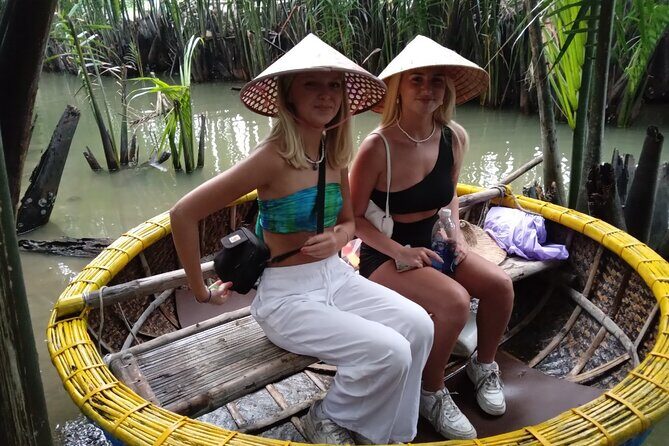
- Bamboo Basket Boats and the Nipa Palm Canal Vibe
- Crab Fishing: Fun Cultural Theater (Not a Seafood Lab)
- The Kitchen Part: Small-Group Cooking That Actually Teaches
- What You’ll Cook: Spring Rolls, Papaya Salad, Noodles, and More
- Eating Together: Turning Food Into a Real Memory
- Price and Value: Is $28.81 a Good Deal?
- Pickup, Timing, and Group Size: How the Day Likely Flows
- Who Should Book This Hoi An Cooking Class (and Who Might Not)
- Quick Tips to Get More Out of Your Day
- Should You Book This Hoi An Market, Basket Boat, and Cooking Class?
- FAQ
- How long is the Hoi An Cooking Class?
- What can I cook during the class?
- Is it a small-group class?
- Do I get to go to a market before cooking?
- Do we include bamboo basket boats and crab fishing?
- Is pickup offered?
- How much does it cost?
- Does the class run in the morning or afternoon?
- What happens if weather is poor?
Key things I’d pay attention to
- Market shopping first: you select produce and herbs that match what you’ll cook later.
- Bamboo basket boat on the canals: a Nipa palm/coconut-forest feel, with local scenery.
- Crab fishing for laughs and photos: fun, but usually not the main culinary “value.”
- Small-group cooking (max 8): more hands-on than the big-tour factory style.
- Cook-and-eat format: you leave with dishes you can realistically remake at home.
- A chef-led menu: commonly spring rolls, papaya salad, chicken noodles, and other Hoi An favorites.
Market Hopping in Hoi An: Your Ingredients Come First
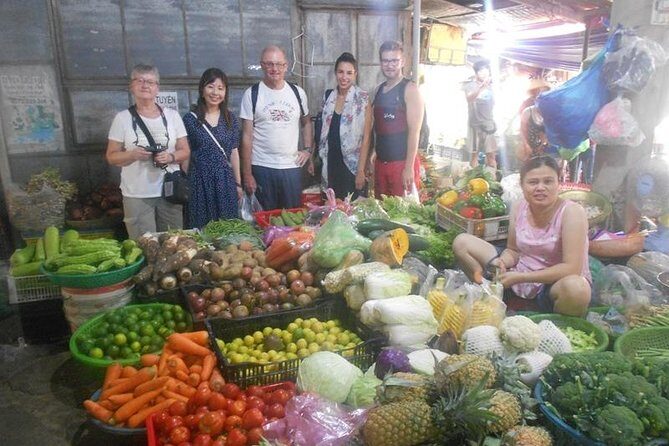
The best part of this tour, for me, is the order of operations. Instead of starting in a kitchen, you start in Hoi An’s market and pick ingredients that will actually end up on your plate. You’ll get help communicating with local traders, which matters here—because guessing what something is (or how it’s used) can lead to a lot of confusion.
In practice, that market time turns into a mini lesson in Vietnamese flavor. You’ll see how herbs, vegetables, and seasonings are chosen based on freshness and how they behave in cooking. It’s not a museum stop. You’re making decisions in real time, and that pays off later when you’re chopping, mixing, and tasting.
There’s also a practical benefit: once you understand what the ingredients look like, you’ll know what to buy back home. If you’ve ever tried to recreate a recipe and ended up stuck because you bought the wrong herbs or a similar-but-wrong vegetable, this “choose it first” approach is exactly what you want.
You can also read our reviews of more shopping tours in Hoi An
Bamboo Basket Boats and the Nipa Palm Canal Vibe
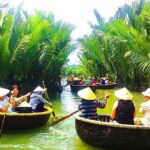
After the market, you head toward the river canals by way of bamboo basket boat activity. The idea is simple: get outside town, slow down a bit, and see a quieter side of Hoi An. The setting is described around the Nipa palm/coconut forest canals, and that matters because it changes the mood from urban sightseeing to countryside atmosphere.
One thing to know up front: the “boat portion” experience can vary in how it feels on the day. The description emphasizes the Nipa forest scenery, but some people noted the boat time felt more like a short staging activity than a long, scenic tour through the big-name bamboo-forest areas. I’d treat this as: you’re buying into a cultural eco stop, not a guaranteed full-length nature highlight.
Still, when it works well, the basket boat format is the star. You’re low to the water, moving through narrow canals, and seeing how local fishermen and families live and work nearby. One of the more consistent positives is that the boat time often feels less crowded than the packed, nonstop tourist stops you sometimes see around popular attractions.
Crab Fishing: Fun Cultural Theater (Not a Seafood Lab)
Then comes crab fishing—described as the Vietnamese way to do it. In reality, this is usually more of a hands-on rural moment than a serious “how to catch crab for cooking” exercise. You’ll likely have a chance to participate, but the crab part is typically about the experience and the scenery, not about turning your catch into a dish.
That’s important because the cooking class is where the value really stacks up. If you go in expecting a full practical seafood workflow, you might feel shortchanged. But if you go in expecting something fun, scenic, and photographable, it lands better.
I also like that the tour language is honest about the vibe: it’s meant to show daily countryside life and give you rural contact with local fishermen. You’ll see the boats, feel the rhythm of the river, and get that “we’re doing this the way our families have done it” sense that you can’t easily replicate in the Old Quarter.
The Kitchen Part: Small-Group Cooking That Actually Teaches
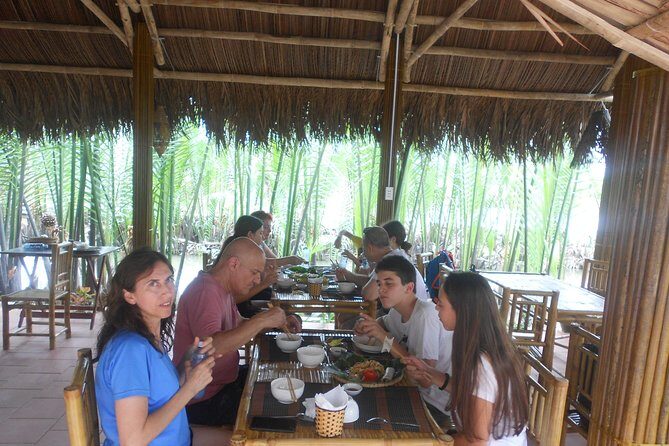
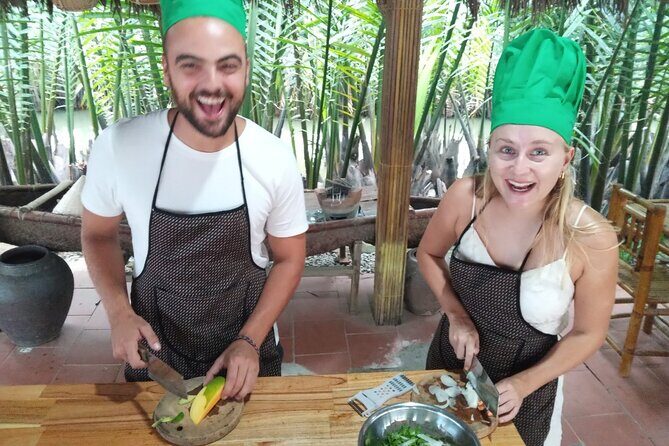
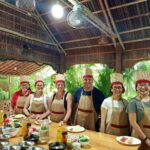
This is the reason you book. The cooking portion runs about 2 hours, and it’s guided by a chef. The class is set up as a small group—up to 8 people—which usually means you’re not stuck waiting for attention while others do the cutting.
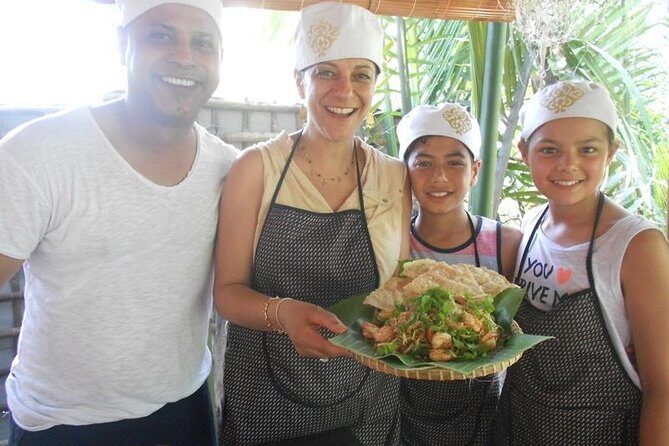
The chef coaching style is hands-on. You’ll prepare multiple components of your meal, not just one dish. That’s why the tour is often described as a “full cooking experience”: you work through steps, you taste as you go, and you eat what you helped create.
In some sessions, names like Chef Tâm show up as the chef role, with guides like Ag (Michael) also mentioned for being engaging. I can’t promise you’ll get the same exact team on your date, but the pattern is clear: the best outcome happens when the guide helps you understand the ingredients and timing, and when the chef keeps the group moving.
Do keep expectations realistic: one of the fair critiques is that the explanation can sometimes be light, and some menus may lean more toward the chef’s own style than a strict textbook version of “traditional Vietnamese home cooking.” If you love culinary theory—like why each herb goes in at a specific time—ask questions during prep. The kitchen pace is active, so you’ll get the most by speaking up.
What You’ll Cook: Spring Rolls, Papaya Salad, Noodles, and More
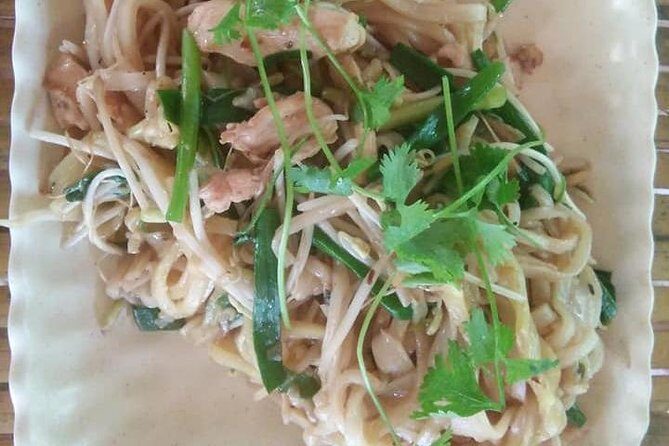
The menu you’ll work on is built around classic Vietnamese and Hoi An flavors. You can expect dishes such as spring rolls, papaya salad, and chicken noodles, plus additional items depending on the class run.
Based on the food descriptions people shared, you might also see things like Cao Lau-style noodles and other Hoi An-adjacent specialties (including stir-fries and salads). Dessert is included in some versions, and at least one class set included items like mushroom pancake and banana blossom salad. The point: it’s not just one “cute” cooking demo. You should leave with a meal’s worth of cooking practice.
What makes this part valuable for you is the transferability. When you learn how to balance sour, sweet, salty, and herb flavors for papaya salad, you can apply that balance to other salads. When you learn spring roll textures—filling control and rolling technique—you can do it again with different proteins at home. And noodles are forgiving practice if you pay attention to seasoning and timing.
One practical advantage: since you tasted what you made as a group, you’ll know what “right” tastes like. Back at home, that memory helps you adjust seasoning instead of blindly following a step-by-step recipe.
You can also read our reviews of more tours and experiences in Hoi An


Eating Together: Turning Food Into a Real Memory
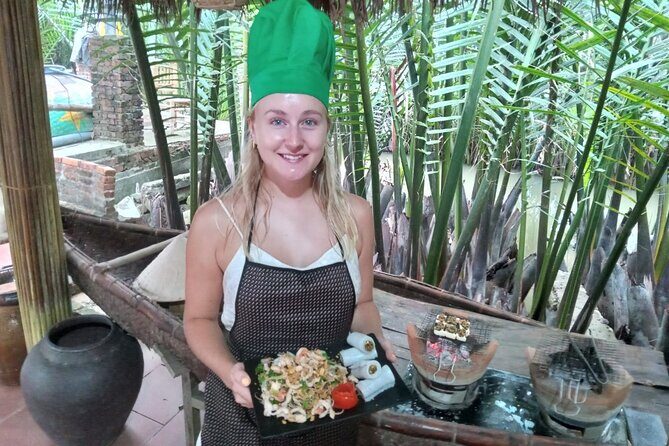
After cooking, you eat your creations. This matters more than it sounds. A lot of cooking classes teach you how to cook and then rush past the eating part. Here, you get to sit down and enjoy the meal you prepared, which makes the whole day feel complete.
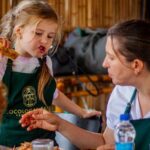
It also gives you an easy way to learn from your group. If someone cooked slightly different (more chili, a different herb balance), you can taste the difference immediately. That’s one of the hidden benefits of a small-group format: you’re not just learning from the chef—you’re learning from your nearby table.
And yes, the meal portion is also part of why people rate this so highly. The cooking itself tends to be described as genuinely fun and tasty, not just a box-checking activity.
Price and Value: Is $28.81 a Good Deal?
At about $28.81 per person for roughly 4 hours, this is positioned as an affordable way to combine three things: ingredient shopping, a countryside boat experience, and a chef-led cooking class.
The value is strongest if you want a structured day. You’re getting transport between the Old Quarter area and the river/countryside kitchen setting. You’re getting ingredient selection support in the market. And you’re getting a hands-on class instead of a buffet-style food show.
But it’s not “value” in the sense of luxury. Some people felt the boat and crab parts didn’t always match the most scenic version of the description, and a few mentioned upselling pressure in nearby shops. So the deal is best if you go in with a flexible mindset and focus on the cooking class as the main event.
If you’re mainly chasing a full-time eco-journey—like a long, scenic, nature-heavy tour—then you might find yourself wanting more river time dedicated to scenery. If, however, you want a practical cooking day with a bit of countryside and hands-on fun, this price can feel very fair.
Pickup, Timing, and Group Size: How the Day Likely Flows
This tour is designed around pickup. You’ll be picked up at your hotel or from a meeting point (Bebe tailor is named as one). You’ll also be able to choose morning or afternoon timing, so you can fit it into your Hoi An day plan.
The day is about 4 hours approx., which is a comfortable length if you’re also doing Old Town wandering, a beach break, or a lantern-focused evening. You’re not committing the whole day; you’re trading a few hours for a meal you’ll actually make and eat.
Group size is part of the comfort. The cooking class runs small—max 8—and the overall tour group is kept small too (a max of 12 is stated). That typically means you’ll have enough space to work, ask questions, and get your hands into the process.
One more note: some people described a scooter ride to reach the market/village area. If your comfort level depends on the transport style, ask ahead and confirm what your route looks like for your specific session.
Who Should Book This Hoi An Cooking Class (and Who Might Not)
This is a strong choice for:
- You want a hands-on cooking class with practical skills you can repeat at home.
- You like market experiences where you’re not just looking—you’re choosing ingredients.
- You enjoy a bit of countryside activity, even if it’s not a long nature trek.
- You prefer a smaller group so you get personal attention.
It may be a weaker fit if:
- You’re mainly interested in the boat as the highlight and want guaranteed time in the most famous bamboo-forest area.
- You care a lot about deep recipe explanations and ingredient science. Some sessions may feel more like guided cooking than lecture-style teaching.
- You’re sensitive to upselling pressure. If you prefer a no-sales atmosphere, keep your boundaries firm and skip shopping stops you don’t want.
Quick Tips to Get More Out of Your Day
A few practical moves make this experience smoother:
- Go hungry. The tour ends with the meal you cook, and you’ll want appetite for it.
- Bring water and expect some outdoor time. You’ll be in and around the market and river areas.
- If you want traditional “why this herb” explanations, ask questions during prep so you get more from the chef.
- If you care specifically about what the boat segment includes (scenery vs short stop), ask the operator to confirm what your day’s route looks like.
Should You Book This Hoi An Market, Basket Boat, and Cooking Class?
I’d book it if you want a fun, structured way to experience Hoi An through food, countryside scenery, and a real meal you cook yourself. The small-group format and chef-led hands-on work are the core strengths, and the market-first approach makes the recipes feel less random and more repeatable.
Skip or rethink it if your top priority is a long, scenic bamboo-forest excursion with lots of nature time, or if you want very detailed recipe explanations and zero pressure around extra shopping. For most people, though, the combination of market ingredient picking, basket boat rural atmosphere, and a chef-guided meal at the end is exactly the sweet spot.
FAQ
How long is the Hoi An Cooking Class?
It runs for about 4 hours (approx.).
What can I cook during the class?
You’ll prepare dishes such as spring rolls, papaya salad, chicken noodles, and more.
Is it a small-group class?
Yes. The cooking instruction is described as a small-group class with a maximum of 8.
Do I get to go to a market before cooking?
Yes. You’ll tour Hoi An’s fresh produce market and select ingredients for your cooking.
Do we include bamboo basket boats and crab fishing?
Yes. After the market, you’ll set sail in a bamboo basket boat and try crab fishing the Vietnamese way.
Is pickup offered?
Pickup is offered. You’ll be picked up by local guides at your hotel or at a meeting point (Bebe tailor is mentioned).
How much does it cost?
The price is $28.81 per person.
Does the class run in the morning or afternoon?
You can choose between morning or afternoon tours.
What happens if weather is poor?
The experience requires good weather. If it’s canceled due to poor weather, you’ll be offered a different date or a full refund.