REVIEW · HOI AN
Hoi An: Vietnamese Coffee Culture and Coffee Making Class
Book on GetYourGuide →Operated by Hoian Handicraft Tours · Bookable on GetYourGuide
Coffee here comes with a story and a lesson. In Hoi An, this two-hour, small-group workshop teaches you the Phin filter method and why Vietnam’s café culture got so famous, cup by cup.
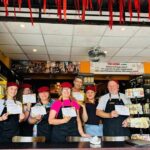
I especially like the hands-on format and the fact you actually make and taste multiple styles, not just watch. I also enjoy the energy from the hosts, including Tan and Le, who keep the class funny while you learn.
The one thing to plan for is the caffeine. You’ll be drinking several coffees in a short time, so if you’re sensitive, eat first and take your time.
In This Review
- Key highlights you’ll care about
- Finding the Silk-Lantern Coffee Workshop in Hoi An
- Two Hours of Hands-On Coffee, Not Just a Demo
- The Phin Filter: The Small Tool That Changes Everything
- Vietnamese Coffee From Crop to Cup (The Story Part You Can Use)
- The Five Cups You’ll Make and Taste
- Black coffee: your baseline
- Happy white coffee: sweet, creamy, and built on condensed milk
- Hue Imperial salt coffee: the salty-sweet contrast
- Coconut coffee: fragrance plus comfort
- Ha Noi egg coffee: wait time is part of the experience
- What Happens Before You Sip: Herbal Tea, Music, and Setup
- Caffeine Reality Check (And How to Handle It)
- Price and Value: Why $14 Often Feels Like a Bargain
- Who This Workshop Fits Best
- Taking It Home: Turn the Workshop Into Future Mornings
- Should You Book This Hoi An Coffee Class?
- FAQ
- FAQ
- How long is the Hoi An Vietnamese coffee making class?
- What does the class cost?
- What should I look for at the meeting point?
- Is hotel pickup included?
- Is the group small?
- What languages are used during the class?
- What coffee styles are included?
- What’s included in the ticket price?
- Do I need to bring anything?
- Is it wheelchair accessible, and is there an age limit?
Key highlights you’ll care about
- Phin filter technique: You learn how the metal filter changes flavor and strength.
- Hanoi egg coffee included: The class covers the egg-coffee style that takes patience.
- From crop to cup storytelling: You trace how Vietnamese coffee goes from beans to your mug.
- Real recipe skills to take home: You get recipes, plus a mini Phin is mentioned by participants.
- Multiple styles in one session: Black coffee, happy white, Hue Imperial salt coffee, coconut coffee, and egg coffee.
- Small group setup: Limited to 10 people, with English support and a local guide.
Finding the Silk-Lantern Coffee Workshop in Hoi An
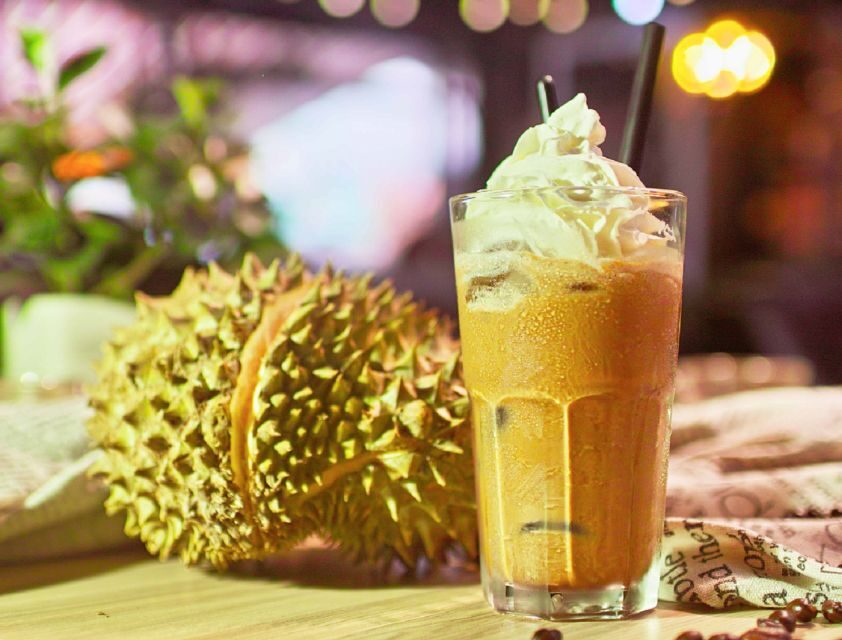
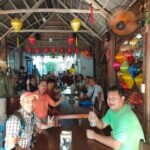
This experience starts right in the center of Hoi An, where you’ll look for a workshop decorated with silk lanterns. The easiest cue is the board that says COFFEE MAKING WORKSHOP. You won’t have hotel pickup, so build in a little time to arrive calmly and get oriented.
If you’re photo-ready, bring your camera. There’s enough happening at the tables that you’ll want proof of what you made—and also the little tools you’ll want later when you recreate the drinks.
You can also read our reviews of more tours and experiences in Hoi An


Two Hours of Hands-On Coffee, Not Just a Demo
The schedule is built for active learning. You meet your guide and begin with a cup of special herbal tea, then the instructor talks through the coffee culture side—how Vietnamese cafés became iconic, and how coffee fits local history and everyday life.
After that comes the practical part: you work through a set of Vietnamese coffee styles and learn the steps behind each one. The course is structured around a clear process—how Vietnamese coffeemaking works, why certain beans are roasted darker, and how sweetness is added using condensed milk.
Expect an English and Vietnamese-led class with audio support in English. And because it’s limited to 10 participants, you’re not lost in a crowd. You should be able to ask questions and get help as you use the brewing tools.
The Phin Filter: The Small Tool That Changes Everything

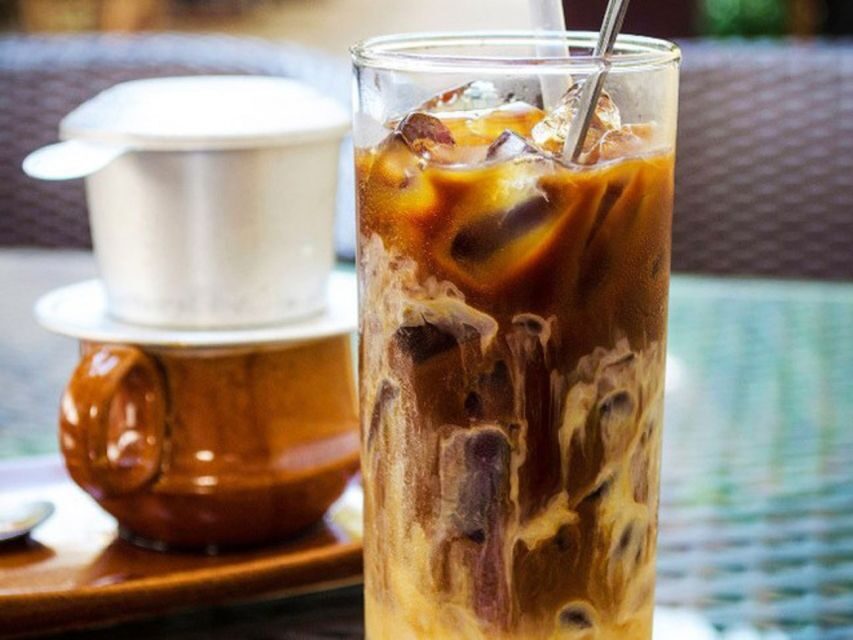
A big reason Vietnamese coffee tastes the way it does is the Phin metal filter. This workshop shows you how to brew using the Phin, which is often described as similar in spirit to a French press but built for Vietnamese-style extraction.
Here’s what matters for you as a home brewer: the Phin is slow on purpose. That slow brew time helps create a stronger, deeper cup—especially when the beans are roasted dark. The class also links this to the coffee you’re using: dark roast beans plus condensed milk equals the signature balance most people expect from Vietnamese cafés.
If you’ve only had coffee elsewhere in the world, this is the moment your brain will click. The drink isn’t just about sweetness. It’s about concentration, extraction, and serving style.
Vietnamese Coffee From Crop to Cup (The Story Part You Can Use)
You don’t just learn recipes. You get guided explanation that traces coffeemaking from crop to cup. Even if you’re not a coffee nerd, this helps you understand what you’re tasting.
The class emphasizes a few practical drivers of flavor:
- roast darkness and how it pairs with milk sweetness
- brewing method and how long extraction takes
- the order of steps when building each drink
You’ll also hear the story behind popular Vietnamese cafés and their connection to the past. That cultural context is the difference between making something that tastes like a copycat and making something that tastes like the local style.
And yes, you’ll likely pick up plenty of trivia along the way. The hosts’ humor is part of the package, and the pacing stays light even when you’re learning.
The Five Cups You’ll Make and Taste
One of the best parts is that the tasting isn’t a tiny sip at the end. You’re guided through making several styles and then trying them yourself. The session description includes these coffees: black coffee, happy white coffee, Hue Imperial salt coffee, coconut coffee, and Ha Noi egg coffee.
You can also read our reviews of more tours and experiences in Hoi An

Black coffee: your baseline
You start with black coffee so you can taste the base strength and flavor. This is your reference point for everything else.
Happy white coffee: sweet, creamy, and built on condensed milk
Happy white coffee leans on the classic Vietnamese combo: dark coffee plus condensed milk. The class explains the role of roasting and why the sweet dairy component is added in a way that stays balanced.
Hue Imperial salt coffee: the salty-sweet contrast
Hue Imperial salt coffee is the surprise for many people. It’s not just sweet. You taste the salt edge that rounds out flavors and changes how the coffee reads on your tongue.
Coconut coffee: fragrance plus comfort
Coconut coffee brings a softer aroma and a different kind of richness. It’s a good choice if you want something that still tastes like coffee, but with a gentler flavor profile.
Ha Noi egg coffee: wait time is part of the experience
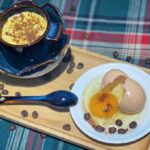
Ha Noi egg coffee is the star. In this style, the process includes waiting for the egg preparation to come together. That timing is part of the learning here, not a separate snack break.
If you’re hoping to finish and immediately move on, plan for the slow step. It’s also why it’s so memorable when you finally taste it.
What Happens Before You Sip: Herbal Tea, Music, and Setup
The class begins with special herbal tea. It’s a nice reset before the coffee starts pouring. From there, the atmosphere stays comfortable, with music playing in the background while you work.
The practical setup matters too. You’re given ingredients and tools, and the instructor walks you through each step. This is especially helpful if you’ve never brewed with a Phin before. You’ll see how everything lines up at your station, then you’ll try it yourself.
Caffeine Reality Check (And How to Handle It)

This workshop is great, but it runs on coffee. More than one participant calls out the caffeine load, and I’d treat that as a real planning note, not a warning sign.
My advice:
- eat something before you go
- sip slowly and take water breaks if you need to
- if caffeine hits you hard, consider asking what you can do to pace your tasting
Because the class includes multiple coffee styles, you can end up drinking more than you expected in a short time. The good news is the flavors are diverse, so it doesn’t feel like one endless cup of the same thing.
Price and Value: Why $14 Often Feels Like a Bargain
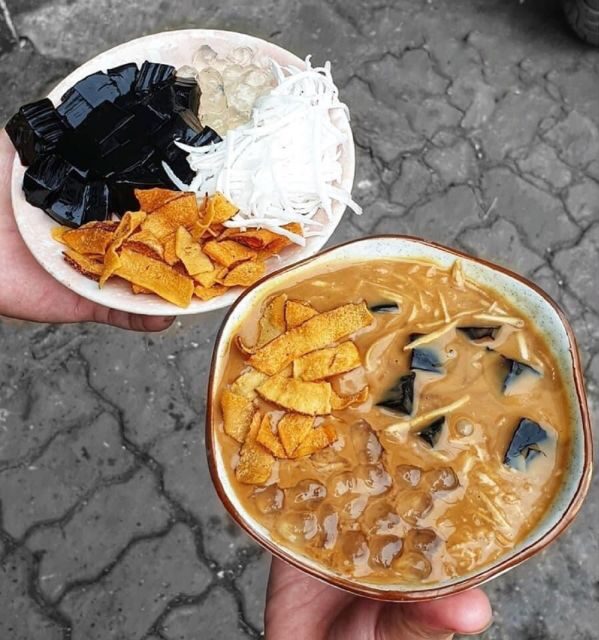
At $14 per person for about two hours, this is strong value for Hoi An. You’re paying for more than a beverage. You get:
- a guided workshop with a local guide
- ingredients and tools
- multiple coffee styles you make and taste
- Vietnamese tea and cookies
- a skill set you can repeat at home
The real value kicker is the take-home component. Several participants mention getting recipes and even a mini Phin filter. That turns the class into an ongoing memory and a practical souvenir.
So yes, you could probably drink Vietnamese coffee on your own for less money. But you’d miss the method lessons and the why-behind-the-flavors that make this more than just a caffeine stop.
Who This Workshop Fits Best
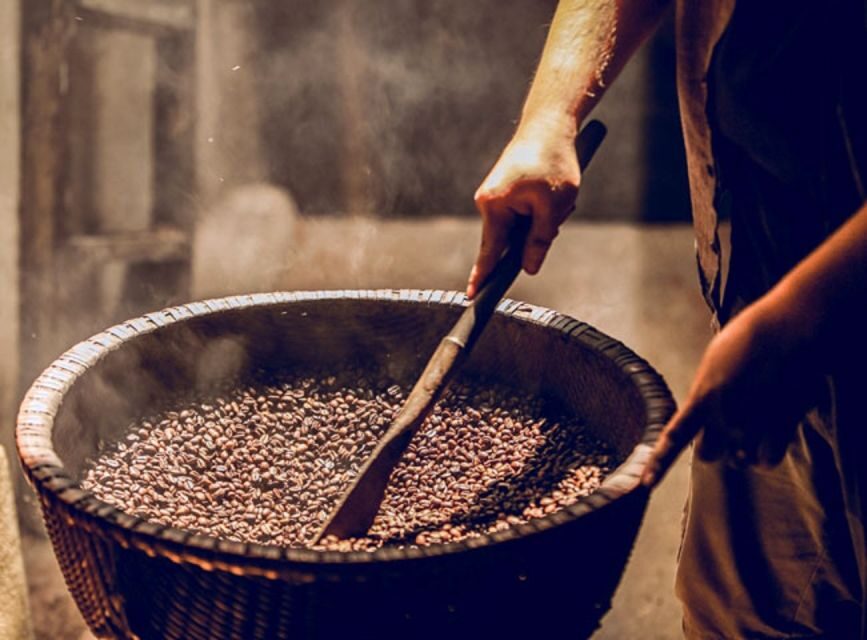
This works especially well if you:
- want a hands-on activity that’s short and easy to schedule
- like learning food culture, not just eating it
- enjoy coffee and want a practical brewing method
- want a small-group experience with room for questions
It’s also wheelchair accessible. The only clear “skip” note is age: it’s not suitable for people over 95 years.
If you’re traveling with a friend or family member, it’s a fun shared skill. You’ll have something to talk about while you’re tasting and after you’re back in your hotel.
Taking It Home: Turn the Workshop Into Future Mornings
The class doesn’t end when the last sip is done. You’ll leave with recipes so you can recreate the drinks. When you have the Phin tool and a written guide, you can test your version and adjust sweetness and strength.
My best practical tip: brew one drink at home first using the black coffee baseline. Then move to the milk-sweet styles. This keeps your taste comparisons clear.
Also, if you care about dietary choices, check details in advance. One participant noted that a vegan booking didn’t replace the egg component and used non-dairy milk instead. If that matters to you, ask questions before you go so you’re not surprised by how each recipe is handled.
Should You Book This Hoi An Coffee Class?
If you want a meaningful Hoi An activity that’s hands-on, small-group, and built around real local coffee technique, I think this is a great pick. For $14, you’re getting method learning plus a guided taste test of multiple Vietnamese styles, including Ha Noi egg coffee.
If you’re extremely caffeine-sensitive or you dislike the idea of drinking several coffees back-to-back, you may want to skip or plan carefully. But for most people, this is one of those rare tours where you leave with both a story and a skill you can actually use.
FAQ
FAQ
How long is the Hoi An Vietnamese coffee making class?
The class runs for 2 hours.
What does the class cost?
It’s listed at $14 per person.
What should I look for at the meeting point?
Meet at the workshop decorated with silk lanterns, with a board showing COFFEE MAKING WORKSHOP.
Is hotel pickup included?
No, hotel pickup and drop-off are not included.
Is the group small?
Yes. It’s limited to 10 participants.
What languages are used during the class?
The instructor speaks English and Vietnamese, and an English audio guide is included.
What coffee styles are included?
You’ll learn and taste multiple Vietnamese coffee styles, including black coffee, happy white coffee, Hue Imperial salt coffee, coconut coffee, and Ha Noi egg coffee.
What’s included in the ticket price?
Included are the coffee making class, ingredients and tools, coffee and Vietnamese tea, cookies, and a local guide.
Do I need to bring anything?
Bring a camera.
Is it wheelchair accessible, and is there an age limit?
It is wheelchair accessible. It’s not suitable for people over 95 years.