REVIEW · HOI AN
Vietnamese Culture and Coffee Making Class
Book on Viator →Operated by Hoian Handicraft Tours · Bookable on Viator
Vietnam runs on coffee culture, and it shows. This hands-on class in Hoi An goes beyond tasting, walking you through how Vietnamese coffee differs from the rest of the world and how the French period shaped what you drink today. I especially liked the chance to make five different coffees with a local instructor, and I liked that you leave with your own phin filter. One thing to plan for: the coffees can be very strong, so you may not want to finish every cup at full speed.
The session is built for real practice, not just watching. You’ll brew traditional black coffee with the Vietnamese filter, plus specialty styles like Hue Imperial Salt coffee, Hoi An fresh coconut coffee, and egg coffee in the Hanoi style, with guided help throughout. A small drawback to note is that there’s no hotel pickup, so you’ll want to reach the meeting point on your own.
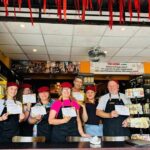
I also liked how it feels like a small, family-run teaching setup. If the instructor is Linh, you’ll likely get plenty of jokes, patience, and clear step-by-step guidance, plus a final gift at the end. Just be ready for a busy two hours with multiple brews and sips.
In This Review
- Key Highlights That Matter Before You Go
- Five Coffees, One Two-Hour Plan in Hoi An
- Price and Value: Why $15.39 Feels Fair
- Where You Meet and How to Handle No Hotel Pickup
- The Phin Filter: The Take-Home Skill You’ll Actually Use
- The Five Coffees You Make (and What They Teach You)
- Real Traditional Black Coffee by Vietnamese Filter
- Vietnamese Happy White Coffee
- Hue Imperial Salt Coffee
- Hoi An Fresh Coconut Coffee
- Ha Noi Capital Egg Coffee
- Vietnamese Coffee and Culture: The French Influence Part
- What the Classroom Atmosphere Feels Like
- How Strong Coffee Affects Your Pace
- Who This Workshop Is Best For (and Who Should Skip)
- This fits you if:
- You might skip if:
- Should You Book the Hoi An Vietnamese Coffee Making Class?
Key Highlights That Matter Before You Go
- Five coffees, one compact workshop so you learn methods, not just flavors
- Phin filter included in a take-home format, which makes the class useful after you leave
- Egg coffee and specialty regional styles (Hanoi and Hue) give you a quick map of Vietnamese variety
- Small group size (max 10) keeps the instructions practical and easy to follow
- Recipes provided so you can recreate the drinks at home
- Very strong coffee warning from real class experience means pace yourself
Five Coffees, One Two-Hour Plan in Hoi An
This is a focused, hands-on workshop that runs about two hours. The whole point is that you don’t just sample coffee once. You actively make and drink multiple versions, which is the fastest way to understand Vietnamese coffee style.
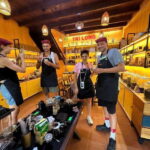
The format is simple. You’ll start with traditional Vietnamese black coffee brewed with the iconic filter method, and then you’ll move through a set of specialty drinks. The class includes tools for making coffee, plus an English-speaking guide/instructor who explains what you’re doing as you do it. With a maximum of 10 travelers, it usually stays more “do it together” than “stand around.”
If you’re the type who likes to leave with a skill (not just photos), this hits that goal. I like that you get enough practice to remember the process when you get home.
You can also read our reviews of more tours and experiences in Hoi An


Price and Value: Why $15.39 Feels Fair
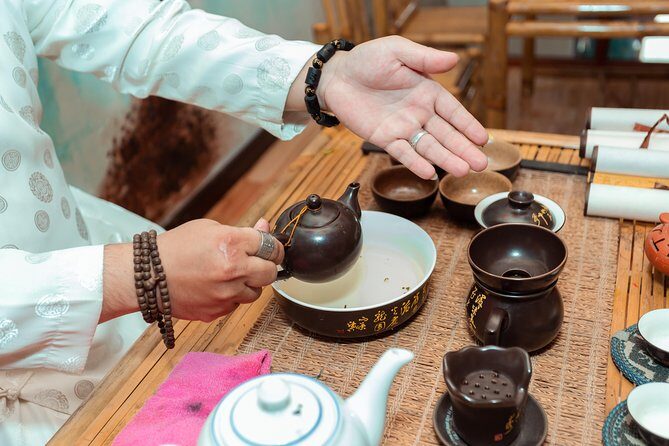
At $15.39 per person, this workshop competes well with a lot of short cultural activities in Hoi An. Here’s why the value adds up:
- You make multiple coffees (not just one tasting).
- You get the tools needed during the class.
- You get an English-speaking instructor and cultural context.
- You take home a Vietnamese filter (phin), which turns the experience into a real souvenir you’ll use again.
The “take-home” part is what often separates good coffee classes from gimmicks. A filter gives you a way to repeat the brew style later, and that makes the cost easier to justify.
Also, the class is described as a small group experience and it’s run by a provider called Hoian Handicraft Tours. Even if that name might not sound coffee-first, the classroom feel matches what you want: guided practice with a local focus and a tidy schedule.
Where You Meet and How to Handle No Hotel Pickup
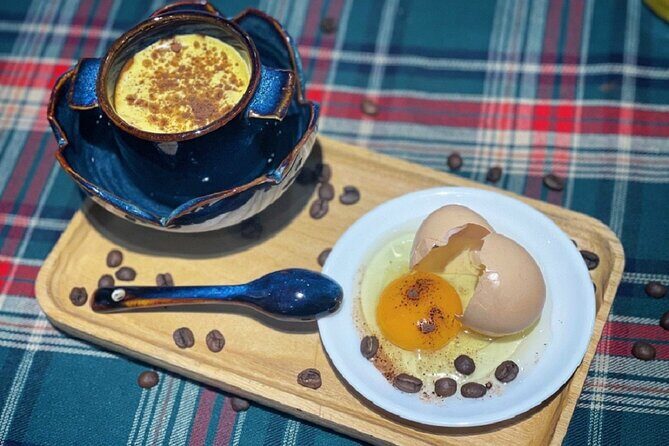
The meeting point is 10C Bà Triệu, Phường Cẩm Phổ, Hội An, Quảng Nam 560000, Vietnam. The tour ends back at that same meeting point.
Since there’s no hotel pick-up or drop-off, you’ll want to plan how you’ll get there. The good news: it’s listed as near public transportation, so it’s not an awkward “only taxi possible” situation. If you’re staying somewhere central, it’s typically easy to reach without drama.
Time-wise, you’ll receive confirmation within 48 hours of booking, based on availability. That matters if you’re booking last-minute while juggling other Hoi An plans.
The Phin Filter: The Take-Home Skill You’ll Actually Use
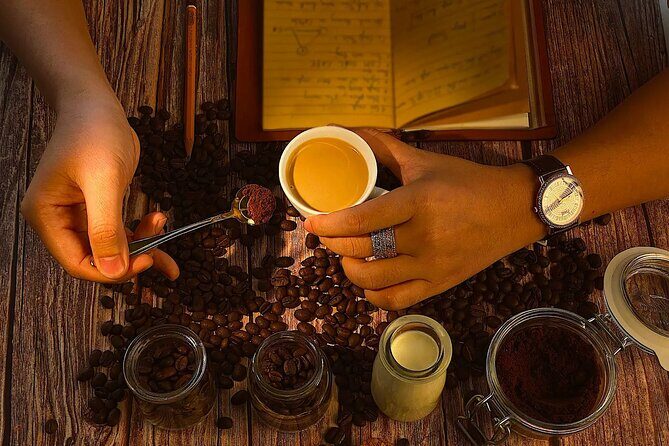
One of the most practical reasons to book this class is the included gift: a Vietnamese filter (phin) to take home.
A lot of tours give you a photo and a story. This one gives you gear. If you like coffee and you’re curious about Vietnamese methods, the phin filter is the bridge between “vacation fun” and “I can do this later.”
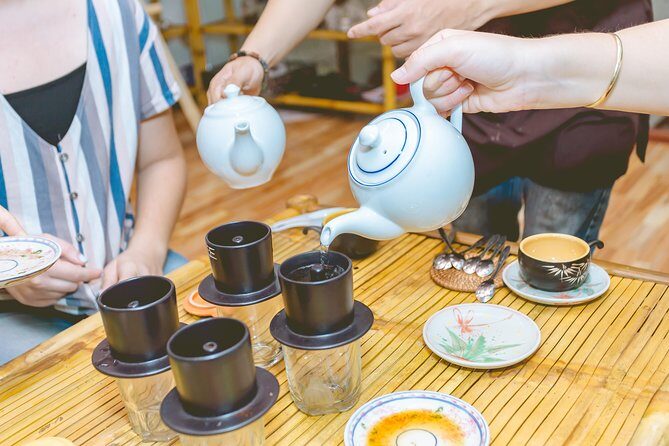
You’ll also see the filter style in action. Traditional black coffee is part of the plan, brewed with the Vietnamese filter method. So when your phin comes home with you, you already know how the setup works and what to expect from the brew style.
Tip from the real-world vibe of the class: go slow. The coffee is described as super strong, and multiple comments point out that finishing everything can hit hard. So pace your sips, especially if you’re not a regular coffee drinker.
The Five Coffees You Make (and What They Teach You)

The workshop is built around making five specific coffee styles. Each one is a different lesson in how Vietnamese coffee can change in texture, sweetness level, and presentation.
Here are the five you’ll make during the class:
You can also read our reviews of more tours and experiences in Hoi An
Real Traditional Black Coffee by Vietnamese Filter
This is the anchor drink. You’ll brew a traditional black coffee using the Vietnamese filter approach. It’s the best starting point because it sets your baseline for how Vietnamese coffee is prepared and served.
Vietnamese Happy White Coffee
This is included as a distinct style, separate from the black coffee. The class treats it as its own category, which is useful for you if you’ve only ever associated coffee with one “standard” method.
Hue Imperial Salt Coffee
Hue’s version is another separate lesson. The name alone signals that this is not just another sweet drink. The class frames it as a traditional specialty, which gives you a clearer idea of how regional variations work inside Vietnam.
Hoi An Fresh Coconut Coffee
This one is a crowd favorite in the class experience because it matches what people often want from Hoi An: something local, fragrant, and different. Multiple class accounts call out coconut as a top pick, and it’s a great choice if you want a coffee drink that feels lighter and more tropical.
Ha Noi Capital Egg Coffee
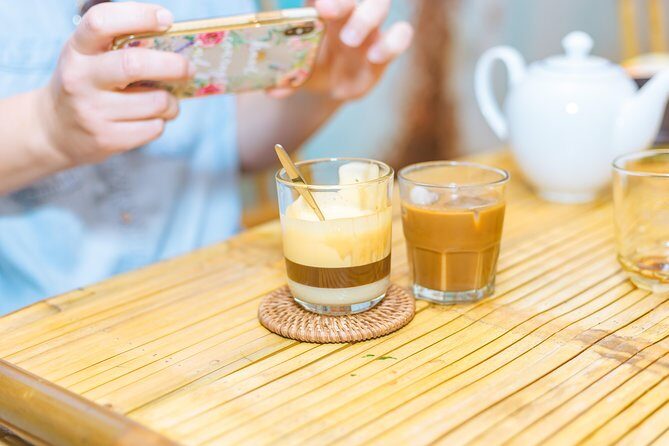
Egg coffee is the star for many people, and it’s specifically listed as the Hanoi-style egg coffee. You’ll make it during the workshop, so you’re not just hearing about it. You’ll go through the steps and then taste the finished cup as part of the class experience.
Because you’re making all five, you get a quick “course in variation.” That’s the real benefit. You walk away understanding that Vietnamese coffee isn’t one recipe. It’s a set of approaches you can mix and match.
Vietnamese Coffee and Culture: The French Influence Part

The class doesn’t treat coffee as a single drink. It positions it as a cultural thread.
You’ll learn:
- the importance of coffee culture in Vietnam
- different types of traditional Vietnamese coffee
- how French colonization shaped Vietnamese coffee into what it is today
This cultural context matters because it explains why Vietnamese coffee has its own identity. If you know the “why,” the “how” makes more sense when you’re actually brewing.
The teaching style seems interactive and lightly comedic. One review even calls out the humor and pacing, with a sense that the instructor family-run team keeps it friendly while still staying on track. That’s a nice balance for a short two-hour activity: fun, but not chaotic.
What the Classroom Atmosphere Feels Like

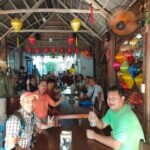
Even without seeing the room, the structure suggests a relaxed, family-run teaching vibe. Many comments describe it that way, and they also highlight how staff stay patient when you’re learning something new.
A few practical signals from the experience:
- The instructions are described as easy to follow, with tools prepared ahead.
- The class is run in a way that keeps you engaged across multiple brews.
- You get recipes and supporting materials so you can recreate what you made.
If you’re traveling solo, that’s a plus too. One comment notes that going alone can lead to extra attention, even a more one-on-one feel if the class isn’t full.
Also, the humor is part of the delivery. Most people land on the fun side of it. One note mentions humor being a drawback for that person, so if you prefer a strictly serious workshop, keep that in mind.
How Strong Coffee Affects Your Pace
This is the one practical caution I’d take seriously.
More than once, the class experience is described as very strong coffee, and advice is given not to finish every cup. That matters because you’re making five coffees in about two hours, and you’ll likely taste each one as it’s served.
If you’re sensitive to caffeine:
- plan to sip rather than chug
- bring water if your host allows it
- consider stopping after a few and letting others finish the set at a slower tempo
The class is meant to be fun, but it’s also meant to be accurate. If you want to learn, you’ll taste. Just don’t turn it into a competition.
Who This Workshop Is Best For (and Who Should Skip)
This fits you if:
- you like coffee and want to learn Vietnamese methods you can repeat at home
- you enjoy hands-on classes more than museum-style listening
- you want a short activity that still teaches something cultural
- you’d like a small-group experience (max 10)
You might skip if:
- you don’t want strong caffeine (or you dislike tasting multiple cups in a row)
- you prefer quiet, no-humor instruction
- you don’t want to travel to a meeting point without hotel pickup
In the sweet spot, you’ll leave with a new brewing skill (the phin), recipes, and a clear sense of the variety inside Vietnamese coffee culture.
Should You Book the Hoi An Vietnamese Coffee Making Class?
Yes, if you want a practical coffee skill and a quick cultural lesson wrapped into one small-group workshop.
Book it when:
- you’ll use the included phin filter later
- you’re excited to make five different coffee styles during one session
- you’re happy to pace yourself because the drinks are strong
- you want something doable in about two hours
Skip it if you only want a casual tasting or you’re strongly caffeine-averse.
Overall, for the price, the “make five coffees + take home the filter + get recipes” combination is hard to beat. It’s one of those experiences that’s still useful long after you’re done sipping.