REVIEW · HOI AN
Hoi An: Traditional Cooking Class and Meal with Local Family
Book on GetYourGuide →Operated by Da Nang Happy Tour · Bookable on GetYourGuide
Four recipes and a full meal in three hours. This Hoi An cooking class is interesting because you follow an English-speaking chef in a village setting, then sit down as the group eats what you made.
What I love is the hands-on teaching style. You get step-by-step instructions, using high-quality ingredients, and the menu includes classics like pancake and spring rolls (with two more dishes depending on the day). I also like that you leave with practical take-home value: you get a meal you made yourself, plus you get the recipes to practice later.
One consideration: this isn’t a sit-and-watch activity. The experience isn’t suitable for wheelchair users or people with mobility impairments, so plan for active cooking and some moving around the village environment.
In This Review
- Quick hits: what makes this class worth your time
- Picking the right time slot in Hoi An: day cooking vs evening herbs
- First stop: welcome drink, then you cook for real
- The cooking lesson: step-by-step Vietnamese dishes you can repeat
- Vegan and vegetarian options (and how to request them)
- The best part: you eat what you cooked, then you trade notes
- Cooking location details: Tra Que herbs village vs Coconut village
- Evening option: Tra Que Herbs Village
- Day option: Coconut village setting
- Price and value: is $27 really fair for this?
- What to bring (and what can ruin your day)
- Who should book this Hoi An cooking class (and who should skip it)
- Should you book it?
- FAQ
- How long is the Hoi An Traditional Cooking Class and Meal?
- What start times are available?
- Where do I meet, and is pickup available?
- What dishes will I cook?
- Is vegan or vegetarian food available?
- What should I bring or avoid?
Quick hits: what makes this class worth your time
- Four-dish format: You cook multiple Vietnamese favorites, not just one demo dish
- Two village options: Tra Que Herbs Village for the evening slot, Coconut village for the daytime slot
- English-speaking chef: Clear guidance makes the cooking feel doable even if you’ve never cooked Vietnamese food
- Group meal built in: You eat your results right away, plus you can chat and sample what others made
- Dietary requests handled: Vegan or vegetarian is available on request, and ingredient adaptations are possible for other needs
- Good value in the real world: You pay for chef instruction, ingredients, and lunch or dinner, not just a ticket to watch
Picking the right time slot in Hoi An: day cooking vs evening herbs
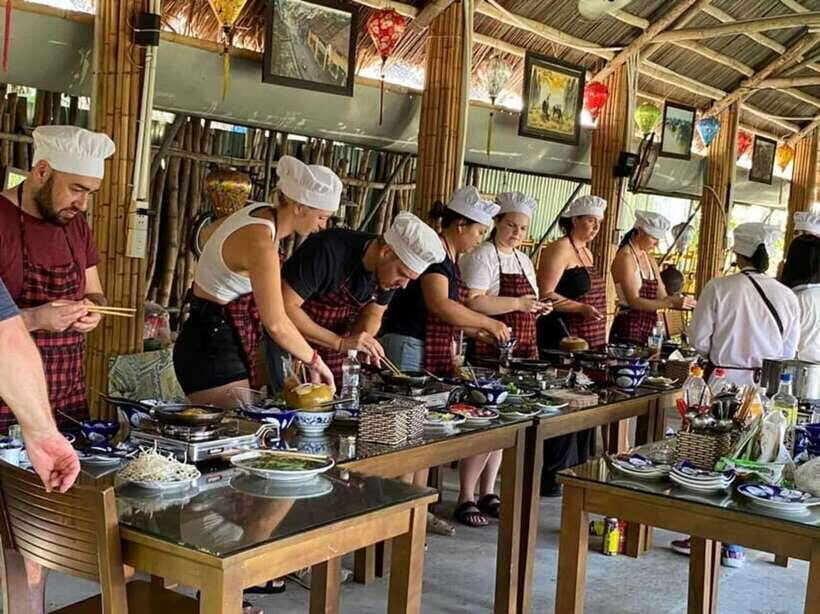
This class runs for about 3 hours (210 minutes), and you can choose between daytime and night options. The daytime starts are typically 10:15 and 16:15, and the evening option is at 18:00.
Where you start can depend on the option you pick. In the daytime, you’ll meet at Cam Thanh Village. For the night slot, the meeting point is inside Tra Que Herbs Garden. If you prefer less hassle, hotel pickup and drop-off at the Hoi An old town center can be added—just be ready to share a WhatsApp number for easy contact.
The setting matters because it changes the vibe of what you’re cooking. Daytime uses a Coconut village setting, and the evening option is centered in Tra Que Herbs Village. Both give you that rural feel that cooking classes usually promise but don’t always deliver. You’re not only learning flavors; you’re learning how the day-to-day rhythm of a local place affects the food.
One small heads-up: the schedule and menu can change a little. That’s normal for hands-on group cooking, and it’s usually a good sign that the chef is adapting to what’s practical that day.
You can also read our reviews of more cooking classes in Hoi An
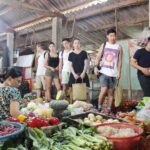
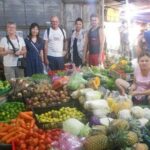
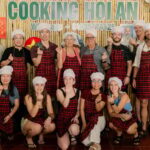
First stop: welcome drink, then you cook for real
When you arrive, you’re not sent straight into chaos. There’s a welcome drink and time to rest at the restaurant before the cooking starts. After that, you move into the cooking area tied to your option—either around the peaceful lake area for the day slot or inside Tra Que Herbs Village for the night slot.
This “reset” time is underrated. In practice, it helps you get comfortable with what’s next: the station layout, where ingredients are prepped, and how the chef will pace the lesson. It also matters if you’re coming from a long walk around Hoi An. You’ll likely be standing, leaning, and moving while you cook, so starting calm helps.
The class is described as a group tour, and it also notes small group available. That balance is important. Too big a group makes hands-on cooking frustrating because you’re stuck waiting your turn. Too small can feel awkward if you want conversation and sharing. Here, it’s set up for an active lesson where you can actually follow along.
The cooking lesson: step-by-step Vietnamese dishes you can repeat
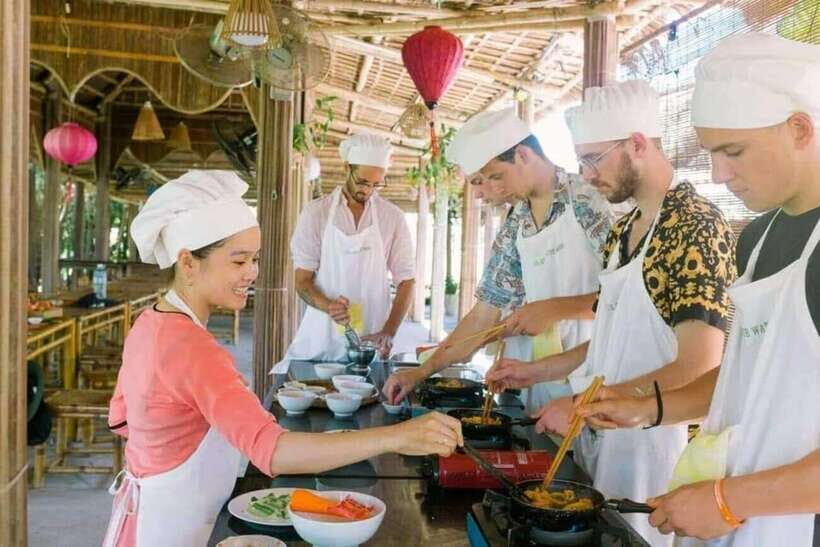
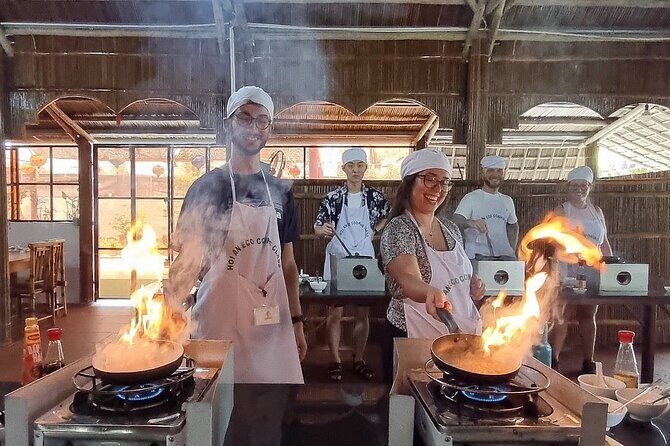
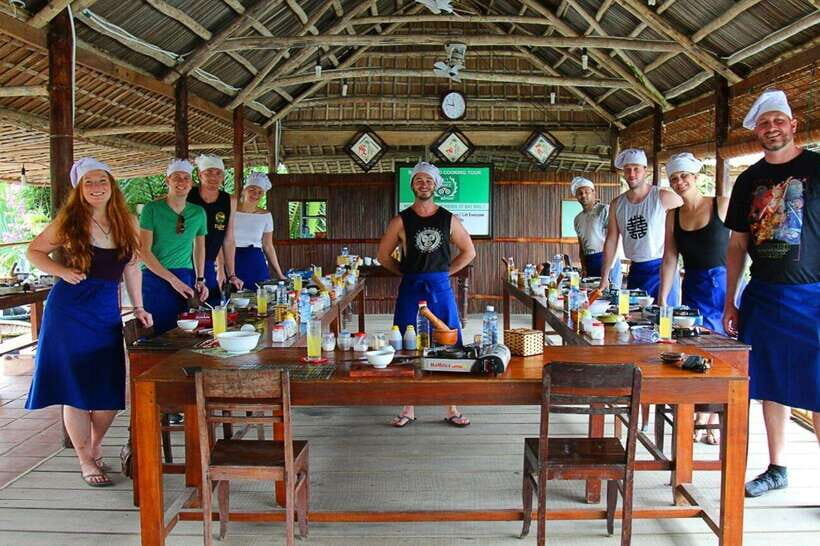
The core experience is the teaching. Your English-speaking chef guides you with detailed step-by-step instructions, and you cook using all ingredients included. This is the kind of setup that makes the difference between a fun evening and a meal you can recreate later.
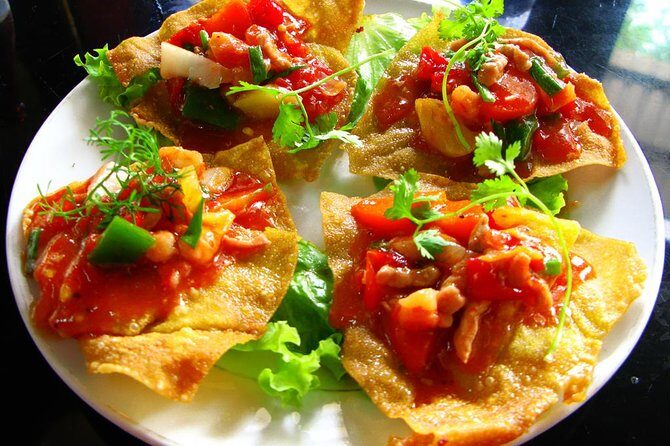
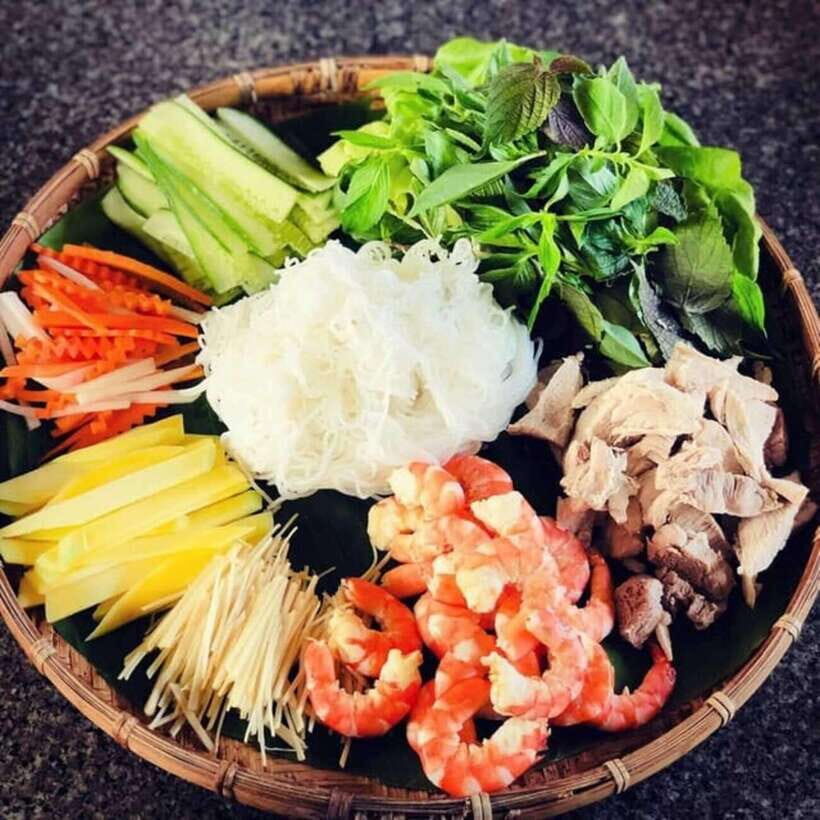
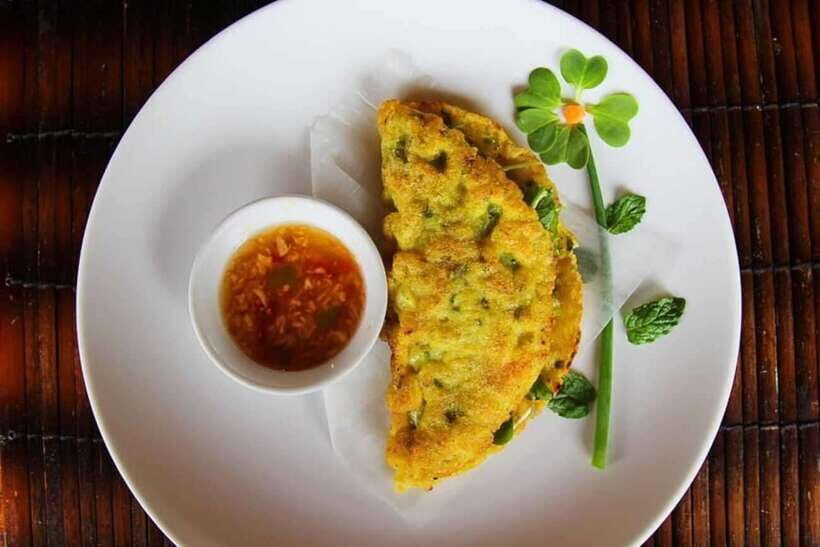
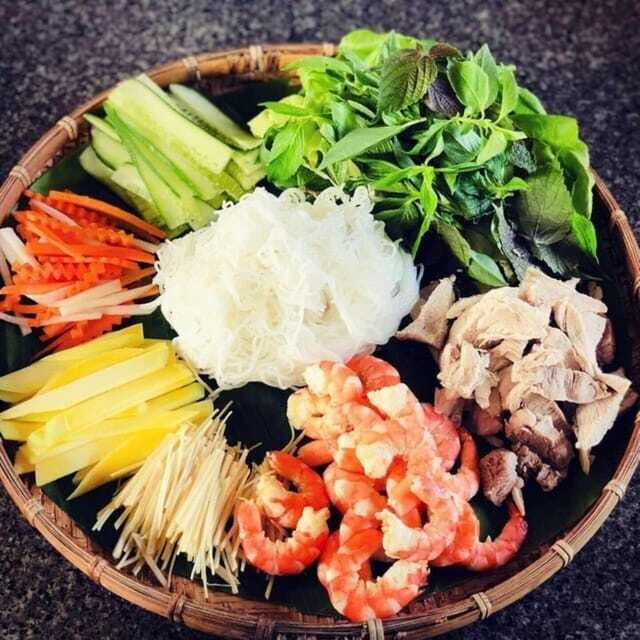
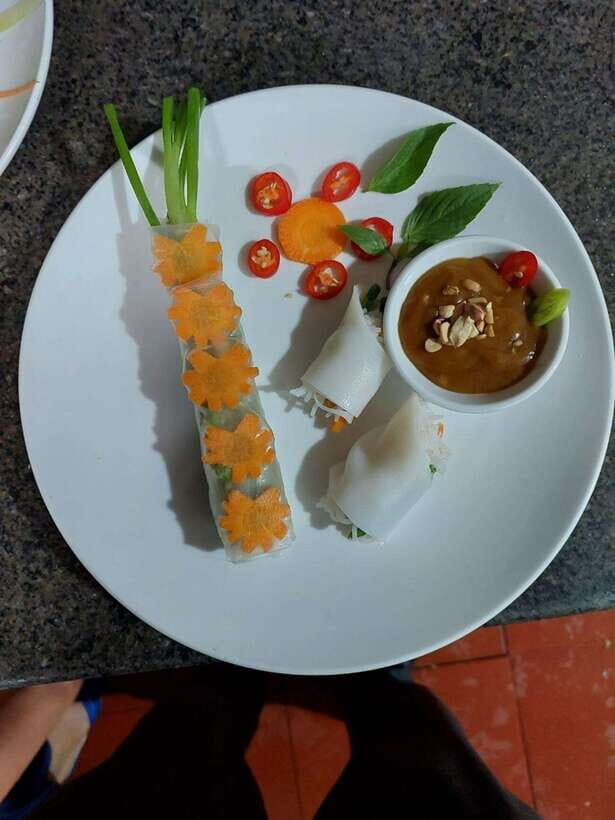
You’ll cook 4 local dishes. The class specifically calls out dishes like pancake and spring rolls, so you can expect at least those to be part of your experience. The other dishes are listed as part of the set, but the exact menu can shift slightly.
Here’s what that format means for you as a home cook:
- You’ll get multiple technique wins, not just one. Pancake-style cooking teaches batter/heat control; spring rolls teach rolling discipline and filling balance.
- You’ll learn the rhythm of Vietnamese flavors—sweet, salty, sour, and fresh herbs working together—because the dishes are usually built around that mix.
- You’ll get enough repetition during the session to understand how the steps connect, instead of memorizing a single recipe.
Vegan and vegetarian options (and how to request them)
If you eat vegan or vegetarian, this class can be adapted. Vegan/vegetarian is available as request upon booking. Also, ingredient adaptation is mentioned for different needs, including preferences like gluten-free and allergies.
Practical advice: when you book, be clear about your dietary preference, not just a vague note. That gives the chef the best chance to adjust ingredients while keeping the dishes recognizable.
The best part: you eat what you cooked, then you trade notes
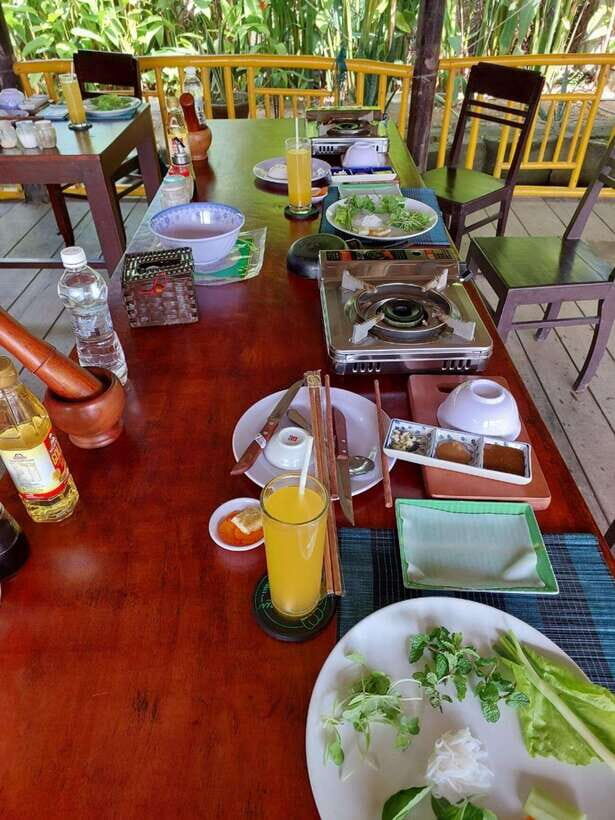
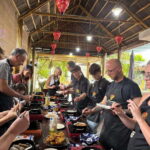
After the lesson, you eat what you cooked. That sounds simple, but it’s actually the biggest quality indicator for cooking classes. If the meal isn’t part of the experience, you’re mostly doing prep and then leaving before tasting the results. Here, tasting happens immediately, and you get to learn by eating the outcome.
The experience also includes a social piece: after everyone finishes, there’s time to chat with each other and share the meal, with you sampling each other’s cooking. This helps in two ways. First, you taste slight variations across the group, which teaches you what matters most in technique. Second, you pick up practical tips from other people doing the same steps with the same guidance.
If you want to get more value from the session, do this:
- Take a few quick notes on timing while you’re cooking (for example, when the pancake batter starts to set, or when the spring rolls need crisping).
- Ask one question about the flavor balance you like most, such as how the chef thinks about sour vs sweet in the dish you’re eating.
- After the meal, compare your results with one dish from another person and figure out what likely caused the difference.
You can also read our reviews of more tours and experiences in Hoi An


Cooking location details: Tra Que herbs village vs Coconut village
The tour gives you two “place-based” options, and that changes the feel.
Evening option: Tra Que Herbs Village
For the night time at 18:00, you cook in Tra Que Herbs Village. Tra Que is known for herbs and garden culture, and the benefit for you is more than scenery. When you cook in a garden-focused setting, fresh ingredients feel closer to the surface of the experience. You’re paying attention to herbs, aromatics, and the role they play in balancing the dish.
Day option: Coconut village setting
For the daytime options (10:15 or 16:15), you cook in the Coconut village setting. You’re also guided through the cooking class area described as behind a peaceful lake. For many people, this works better during the day because you can watch what’s happening in the environment while you cook and keep your energy up before the main heat hits.
Both options share the same training style: English instruction, included ingredients, and a guided path through four dishes. The difference is the setting and, therefore, the mood of your evening or afternoon.
Price and value: is $27 really fair for this?
The price is listed at $27 per person, and for what’s included, it’s a strong deal in the practical sense. Here’s what you get that usually costs extra when you do it any other way:
- English-speaking chef instruction
- All ingredients for the class
- Welcome drink
- Lunch/Dinner as part of the meal after cooking
- Plus, you may add hotel pickup and drop-off if you choose the option that includes it
What’s not included is also clearly stated: drinks and personal expenses not mentioned. That keeps the price from surprising you at the end.
In real value terms, you’re not only paying for the ingredients. You’re paying for the translation, the step-by-step structure, and the chance to produce a meal you can actually understand and repeat later. That makes this closer to a practical cooking workshop than a quick food tasting.
Also, the tour is rated 5 with 4 reviews in the provided data. That’s a small sample size, but it suggests the experience is landing well with people who want real cooking, real food, and a friendly group atmosphere.
What to bring (and what can ruin your day)
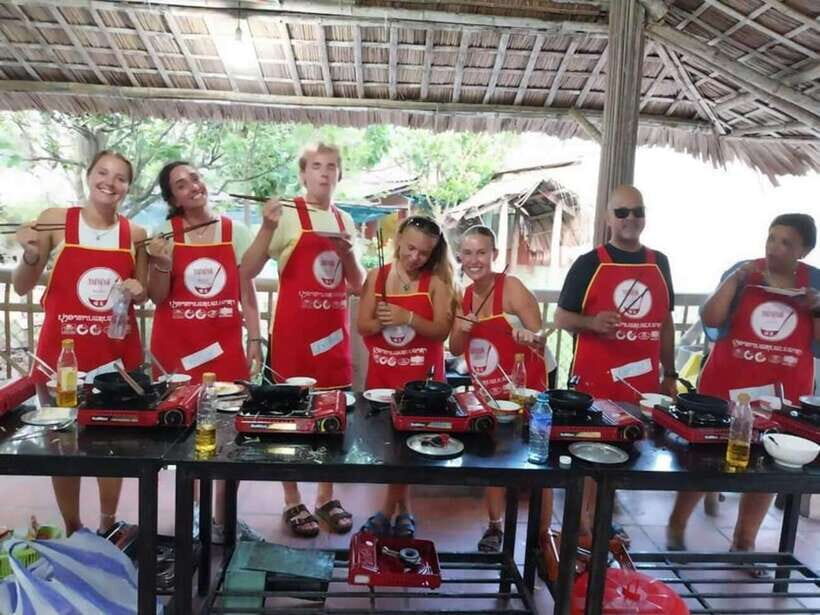
Keep it simple. You’ll be cooking and moving around, so bring:
- Comfortable shoes
- Comfortable clothes
Avoid bringing:
- Pets
- Luggage or large bags
- Alcohol and drugs
The class also notes it’s not suitable for people with mobility impairments or wheelchair users. If that’s you, skip this one and look for a more accessible cooking experience in the area.
One more practical point: because ingredients can be adapted, you should communicate any dietary needs ahead of time. That avoids last-minute changes that can affect how the dish turns out.
Who should book this Hoi An cooking class (and who should skip it)
Book this if:
- You want to learn Vietnamese cooking you can recreate, not just take photos and leave
- You’re excited about hands-on cooking and would rather do than watch
- You like group experiences where you actually sit down and eat together afterward
- You want a link to rural life through the cooking setting, whether it’s the herbs garden or the coconut village
You might skip it if:
- You prefer a fully passive experience with no active cooking
- Your mobility limits you from standing and moving around a village cooking environment
- You’re looking for fine-dining style plating only (this is cooking and eating as a process)
If you’re traveling with friends, couples, or solo, it still works because the group format includes built-in conversation time after cooking.
Should you book it?
I’d book it if your goal is to leave Hoi An with more than memories. This class gives you four dishes taught step-by-step, the ingredients included, and a real meal afterward. The ability to choose the day setting (Coconut village) or the night setting (Tra Que Herbs Village) also helps you match the experience to your schedule and your mood.
The only reason I’d hesitate is the activity level. If you need an accessible, fully seated experience, this one may not fit.
If you want a fun, practical way to learn Vietnamese flavors, and you care about taking home recipes you can use later, this is a solid choice.
FAQ
How long is the Hoi An Traditional Cooking Class and Meal?
It runs about 3 hours, listed as 210 minutes.
What start times are available?
Daytime options are at 10:15 and 16:15, and there is an evening option at 18:00.
Where do I meet, and is pickup available?
The meeting point can vary by option. Daytime uses Cam Thanh Village, and the evening option meets inside Tra Que Herbs Garden. Hotel pickup and drop-off at the Hoi An old town center is optional if selected.
What dishes will I cook?
You cook 4 local dishes. The class specifically mentions pancake and spring rolls as part of the set, and the menu can change slightly.
Is vegan or vegetarian food available?
Yes. Vegan/vegetarian is available as a request when you book, and ingredient adaptations are possible for other preferences and allergies.
What should I bring or avoid?
Bring comfortable shoes and comfortable clothes. Pets, luggage or large bags, and alcohol or drugs are not allowed.