REVIEW · HOI AN
Private Motorbike tour and Discover local villages around Hoi An
Book on Viator →Operated by Traveling to Asia · Bookable on Viator
The countryside around Hoi An isn’t just scenery. This private motorbike tour strings together working craft villages where you can watch, learn, and even try making things by hand.
What I like most is the mix of hands-on crafts and the practical way the day flows from place to place. I also enjoy that the tour is built around small, local specialties like Thanh Hà pottery, rice paper and homemade noodles, and mat weaving, not tourist-style demos.
One possible drawback: you’ll spend most of the 4 hours actively moving between stops, so if you want a slow, lazy day, this might feel a bit busy.
In This Review
- Key highlights you’ll actually care about
- Why the route feels more like daily life than sightseeing
- Stop 1: Thanh Hà Pottery Village and making ceramics the old way
- Stop 2: Cam Kim Island, homemade noodles, and the rice paper “how it’s made” moment
- Stop 3: Kim Bồng Carpentry Village for wood, bamboo, and boat craft
- Stop 4: Tra Nhieu mat village where you can learn the weaving process
- The ride back to Hoi An plus a light vegetarian lunch
- Private tour value: why $55 can make sense here
- Who this tour suits best (and who should skip it)
- Tips to make your day smoother on the motorbike
- A quick word on guides and atmosphere
- Should you book this private Hoi An motorcycle village tour?
- FAQ
- How long is the tour around Hoi An villages?
- What’s included in the price?
- Is this a private tour?
- Where do I meet the guide?
- Do I need to plan around weather?
- Can I cancel for a refund?
Key highlights you’ll actually care about
- Private, just-your-group ride around Hoi An’s villages, not a big bus crowd
- Hands-on pottery at Thanh Hà, including making your own small ceramic items
- Cam Kim Island food craft with a clear look at rice paper and noodle making steps
- Carpentry you can see up close, including wood, bamboo, and ship carpenters
- Mat village weaving practice, with a chance to experiment with the weaving process
- Light vegetarian lunch included, so you’re not hunting for food between workshops
Why the route feels more like daily life than sightseeing
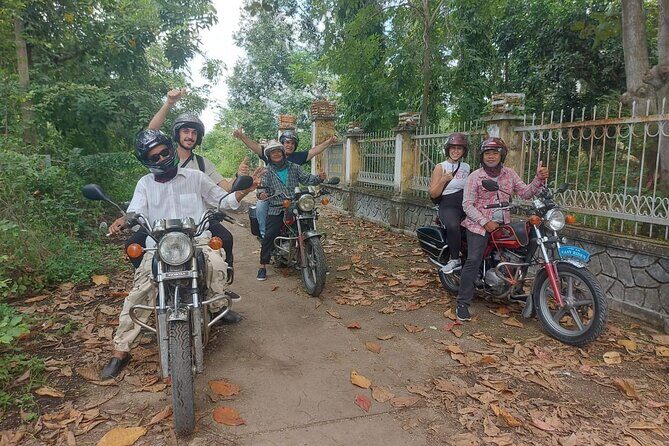
This tour is built on the idea that the best Vietnam moments are often in the background of everyday life. Instead of bouncing between attractions, you’re moving through villages where people still do the same work they’ve done for years. That’s why the ride itself matters. You’re traveling between rice fields and small settlements, then stepping into workshops where materials come from the land and rivers around Hoi An.
It’s also a good match for people who don’t just want photos. You’ll have chances to participate—at pottery, with rice products, and with mat weaving. The day has structure (multiple stops, each with a set amount of time), but it still feels personal because it’s a private outing for your group.
And yes, it’s still in Hoi An territory, so it’s practical. You start at Market Bar – Market Terrace and return there at the end. Pickup is offered, and travel time is included in the total duration, which helps you plan your day without guessing.
You can also read our reviews of more private tours in Hoi An



Stop 1: Thanh Hà Pottery Village and making ceramics the old way
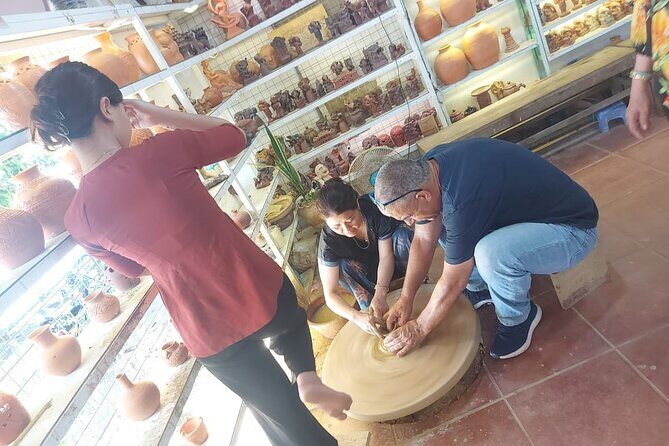
The first stop is Thanh Hà Pottery Village, where local people make ceramics directly from clay. This isn’t just watching someone spin a wheel from across the room. You get a guided introduction and then a turn at making your own product.
What you can expect here:
- You’ll learn from the owner, including how to shape and work the clay into items like ashtrays and vases
- After instruction, you try making something yourself
- Then you can visit their store afterward, and you might be able to buy if something catches your eye
Why this stop is worth your time: pottery villages are one of the fastest ways to understand how Vietnamese craft skills pass through families. Clay isn’t a “mystery ingredient,” and the process is learnable with guidance—so the experience feels more like a workshop than a show.
A small consideration: ceramic work can be hands-on in a literal way (clay gets messy). If you’re particular about clean clothes, plan accordingly.
Stop 2: Cam Kim Island, homemade noodles, and the rice paper “how it’s made” moment
Next comes Cam Kim Island, often described as a homemade noodle place. This part is the food-craft stop, and it’s where you get the clearest look at how rice-based products become actual noodles and rice paper.
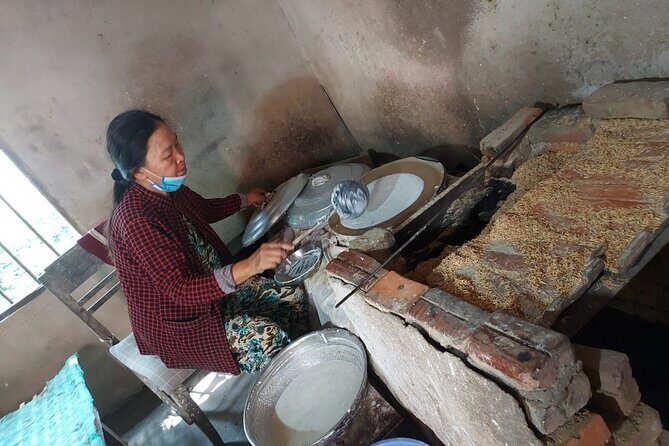
The tour explains the process in steps. You’ll see how families make noodles and rice paper from rice grains, including:
- Soaking rice for about 6 hours
- Grinding with water
- Heating using a specialized pot
- Then continuing through the process that results in noodles and rice paper
Even if you don’t remember every step perfectly (I wouldn’t), the big takeaway is understanding the logic of the craft: preparation first, then heat, then shaping into the final thin sheets or noodle forms.
Why you’ll probably remember this stop: rice paper is so common in Vietnamese cooking that it’s easy to forget it’s handmade through a real chain of work. Watching the steps turns it from a pantry item into something you understand.
Practical note: this is a food-related workshop, so the environment may smell like cooked starch and warm rice products. If you’re sensitive to strong food smells, you might want to factor that into when you eat on your trip.
Stop 3: Kim Bồng Carpentry Village for wood, bamboo, and boat craft
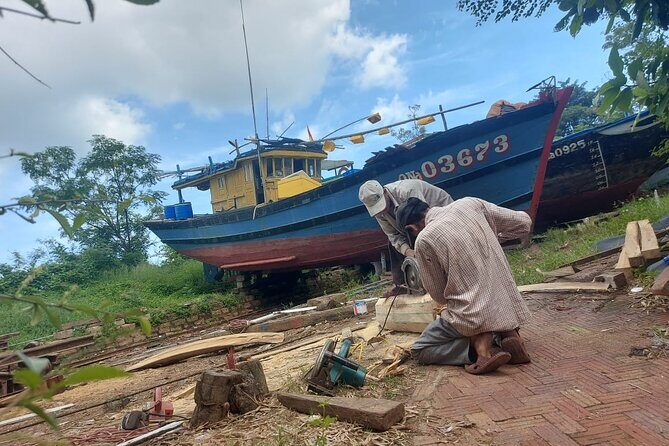
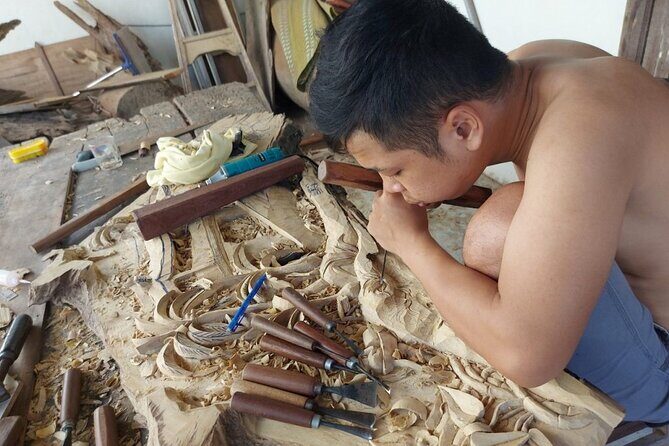
At Kim Bồng Carpentry Village, the focus shifts from food to materials—wood and bamboo—and from everyday items to patience-heavy craftsmanship. You’ll see wood and bamboo products made locally, and you’ll also get a look at ship carpentry on the river, where workers renovate and manufacture wooden ships.
You can expect to spend around 40 minutes here, enough time to:
- See detailed work in carving/design
- Watch how carpenters produce items that take time and steady hands
- Learn how ship building fits into the local economy and river life
Why I think this is a standout: carpentry villages are one of the best places to understand that craft skill is labor, not magic. The time and care you can see in the work helps you appreciate why good woodwork lasts.
Possible drawback: if you’re expecting a hands-on activity like weaving or pottery, this stop is more observational than participatory (at least based on what’s described). Still, it’s one of the most visually satisfying stops if you like tools, wood grain, and patient work.
Stop 4: Tra Nhieu mat village where you can learn the weaving process
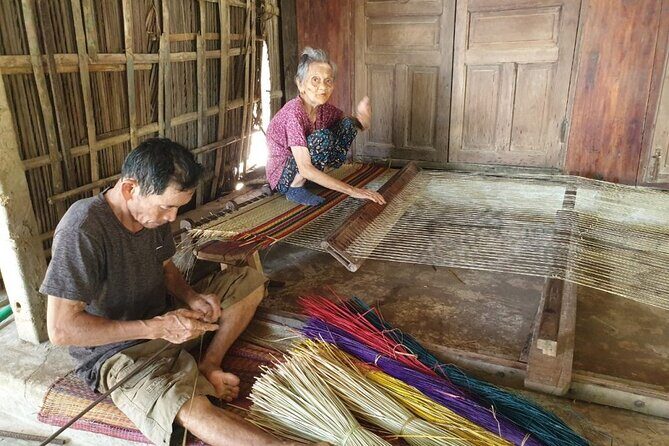
The tour’s “hands-on finale” (before lunch) is the mat village, connected to Tra Nhieu Fishing Village. Here, the craft is mats made from a plant, processed into threads, then woven into mats.
What makes this part more than a demo:
- You’ll learn about the plant used for the mats
- You’ll see how the processing turns the plant into threads
- Then you’ll arrive at the weaving area and watch women and small children weaving mats and threads into working pieces
- You can also experiment with weaving yourself
The tour also explains why these mats mattered historically. Locals used mats as a mattress replacement in the heat—when air conditioning wasn’t part of daily life. And the mats can be reused after hand washing.
Why you’ll likely enjoy it: it’s real family production, and it shows how materials are turned into everyday comfort. Watching weaving also gives you a sense of rhythm—this is craft that’s done repeatedly, not in one big day-long burst.
A small consideration: weaving takes focus. If you get frustrated easily with fine hand movements, treat this part like a chance to try, not a test. Even a short practice run is part of the value.
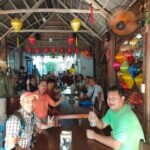





The ride back to Hoi An plus a light vegetarian lunch
After the mat village, the tour returns to Hoi An and includes time at a local restaurant for a light vegetarian lunch. This is useful because the day is craft-heavy, and a scheduled meal prevents the common problem of ending up eating something random late or skipping food when you get busy.
This lunch stop is described as light, so it shouldn’t feel like you’re stuck in a long restaurant sit-down. You’ll still have time to regroup for the ride back to the meeting point.
If you like to keep your day moving, this is a good balance: you get food without losing the whole afternoon to a meal schedule.
Private tour value: why $55 can make sense here
At $55 for about 4 hours, this tour is priced like a good local experience, not a premium museum package. Here’s why it can be good value:
- It’s private, so you’re not squeezed into a larger group dynamic.
- Pickup is offered, which matters in Hoi An where you’d otherwise spend energy figuring out transport.
- Travel time is included, meaning the 4 hours is real time on the move and at stops.
- Each major craft stop lists admission tickets included (pottery, noodles/rice paper, carpentry, and mat village).
- Lunch is included, and it’s vegetarian, which is a nice practical bonus when you’re traveling through busy tourist areas.
The price becomes less “value” if you’re the type who only cares about big-name sights. But if you want real craft, food making, and village life—plus you like the motorbike perspective—this is the kind of day that can feel like a highlight rather than just an activity.
Who this tour suits best (and who should skip it)
This tour is especially well suited for:
- People who like hands-on craft experiences, even short ones
- Food lovers who want to see how rice paper and noodles are actually produced
- Travelers who’d rather ride through small villages and workshops than only see older buildings
- Families and mixed groups, since the mat weaving portion includes a look at the next generation of workers
It may not be the best choice if:
- You want a very relaxed, slow pace with long free time
- You dislike motorbike travel or prefer minimal movement during the day
- You’re mainly looking for famous historical monuments rather than living craft communities
Tips to make your day smoother on the motorbike
Because the tour is about moving between village workshops, you’ll enjoy it more if you come prepared for practical realities:
- Wear clothes you don’t mind getting a bit dusty (countryside roads can be like that).
- Bring a light layer and something for sun protection.
- If you plan to buy pottery or other items, consider how you’ll carry them.
- Keep expectations realistic for pottery and weaving—this is learning and trying, not becoming an expert artisan in one afternoon.
Also, if you care about safety and comfort, it’s totally reasonable to ask your guide about what to expect on the road and what gear is used during the ride.
A quick word on guides and atmosphere
One review points to great coordination by Daniel from Traveling to Asia, and that kind of smooth guiding is a big part of why tours like this work. When the timing is right, you don’t feel rushed through workshops, and you can focus on the craft in front of you instead of the logistics.
That’s what you want from a village tour: someone who can handle transitions so you can actually enjoy the moments where clay, rice, wood, and weaving become real.
Should you book this private Hoi An motorcycle village tour?
If you want a Hoi An day that feels like real countryside work—pottery you can try, rice paper and noodle making with clear steps, ship-boat carpentry, and mat weaving with hands-on time—then I’d say book it. The private format and included lunch make it easier to plan, and the craft stops are varied enough that you don’t get bored.
I’d reconsider only if your priority is major landmark sightseeing or you want lots of downtime. For a craft-focused, motorbike-powered taste of everyday Vietnam, this one hits the right notes.
FAQ
How long is the tour around Hoi An villages?
The tour lasts about 4 hours.
What’s included in the price?
The tour includes pickup offered, a mobile ticket, admission tickets for the craft stops, and a light vegetarian lunch.
Is this a private tour?
Yes. It’s private, so only your group participates.
Where do I meet the guide?
The meeting point is Market Bar – Market Terrace, Đ. Bạch Đằng/02 Hoàng Diệu, Cẩm Châu, Hội An, Quảng Nam, Vietnam.
Do I need to plan around weather?
Yes. The experience requires good weather. If it’s canceled due to poor weather, you’ll be offered a different date or a full refund.
Can I cancel for a refund?
Yes. You can cancel up to 24 hours in advance for a full refund. If you cancel less than 24 hours before the start time, the amount paid isn’t refunded.