
REVIEW · HOI AN
Da Nang: Half-day Hoi An Heritage Walk
Book on GetYourGuide →Operated by Hoi An Express · Bookable on GetYourGuide
Hoi An looks prettier when you walk. This half-day heritage walk strings together Vietnamese, Chinese, and Japanese sights into a route that makes the town’s cross-cultural story feel easy to follow. I especially love the Japanese Covered Bridge stop for its instant photo payoff and historical vibe, and I also like the Hoi An Market time because it gives you a real sense of daily life beyond landmarks. The only catch: the core old-town lanes can be very popular and photo-focused, so if you want quiet, you may need to work a little with the crowd flow.
Logistics are straightforward: you get hotel pickup in Da Nang city center (not Son Tra), ride over, then spend about 5 hours on foot with an English-speaking guide. Entrance fees, bottled water, and travel insurance are included, which matters because it keeps the tour from turning into a pay-everywhere scavenger hunt.
In This Review
- Key points to know before you go
- Why Hoi An makes more sense as a heritage walk
- Da Nang pickup and a 5-hour pace you can actually use
- Hoi An Market: the sensory shortcut to local daily life
- Fujian Assembly Hall: Chinese influence you can spot fast
- Traditional dance show: culture in motion, not just architecture
- Hoi An folk museum: short stop, useful context
- Old House of Tan Ky: reading architecture like clues
- Japanese Covered Bridge: the must-see that lives up to its reputation
- The extra photo stop before you head back
- Price and value: is $42 a good deal for this half-day?
- Who this tour suits best (and who should think twice)
- Should you book the Da Nang: Half-day Hoi An Heritage Walk?
- FAQ
- How long is the Hoi An heritage walk?
- Is hotel pickup and drop-off included in Da Nang?
- What are the main stops during the walk?
- Is the tour guide available in English?
- What is included in the $42 price?
- Can I cancel for a full refund?
- Are children allowed on the tour?
Key points to know before you go

- A tight 5-hour route that works well if Hoi An is one of your limited stops on this trip
- Cross-cultural highlights tied to Chinese assembly halls and the Japanese Covered Bridge
- Market + architecture balance: you’ll see both everyday street life and preserved old houses
- A traditional dance show added to the walk, so it’s not only photos and buildings
- Short museum and house timings that keep momentum high (great for first-timers, less ideal if you want slow exploring)
- Private group option if you’d rather move at your own pace
Why Hoi An makes more sense as a heritage walk

Hoi An Ancient Town has that special quality where the buildings do the storytelling. When you walk, you naturally pick up the visual clues: rooflines, doorways, and the way older structures sit right beside current life. It’s not just scenic. It’s a cultural map you can read with your feet.
What I like most about this kind of guided walk is the framing. You’re not left staring at pretty facades and guessing what you’re seeing. You get explanations that connect the dots between Vietnamese street life and the Chinese and Japanese influences that shaped parts of the town, including iconic architectural landmarks.
And yes, it’s still beautiful just walking the lanes—especially when trellises of windflowers decorate the houses. Even on a schedule, you can notice how calm the town feels compared with big cities. That calm is part of the value: you’re getting a human-scale version of history.
You can also read our reviews of more walking tours in Hoi An



Da Nang pickup and a 5-hour pace you can actually use

This is a true half-day plan, built around convenience and minimizing your hassle. You’re picked up in Da Nang, then transported to Hoi An for a guided walking route, before returning to Da Nang.
A few practical notes that help you enjoy it more:
- Pickup is included for Da Nang City Center, but not Son Tra Peninsula. If your hotel is outside the included zone, you’ll want to double-check where you’ll meet the group.
- Expect a steady pace. The itinerary moves from one highlight to the next with timed photo stops and brief visits, so you get a lot in 5 hours.
- Since the tour includes walking throughout the ancient town, weather matters. Hoi An’s charm survives rain and heat, but your comfort does not. Bring a light layer or rain protection so you don’t spend the day thinking about your umbrella instead of the sites.
The 5-hour schedule is also why this works so well for first-timers. You’ll leave with a clear sense of where everything is, which makes any return visit much easier.
Hoi An Market: the sensory shortcut to local daily life
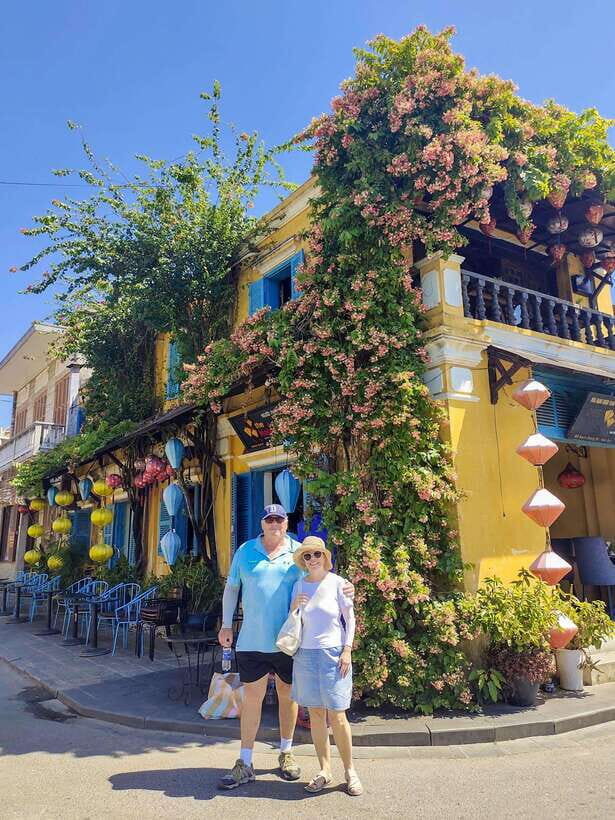
The walk starts with a big “get your bearings” stop at Hoi An Market, with a guided visit and about 30 minutes on foot. For a town like this, the market is more than a photo stop. It’s the easiest place to understand the town beyond its heritage branding.
What you get from the market time:
- A chance to see how people shop and move through the space
- Guided context so you don’t feel like you’re just wandering
- Time pressure that keeps things fun, not tiring
Now, quick reality check: markets in tourist towns can be busy. The value of having a guide is that you’ll spend your time looking intentionally, not just reacting to crowds.
If your plan includes shopping, decide what you want before you get there. You’ll see plenty of tempting items, and the guided pacing means you’ll be happier if you have a rough game plan instead of browsing for hours.
Fujian Assembly Hall: Chinese influence you can spot fast
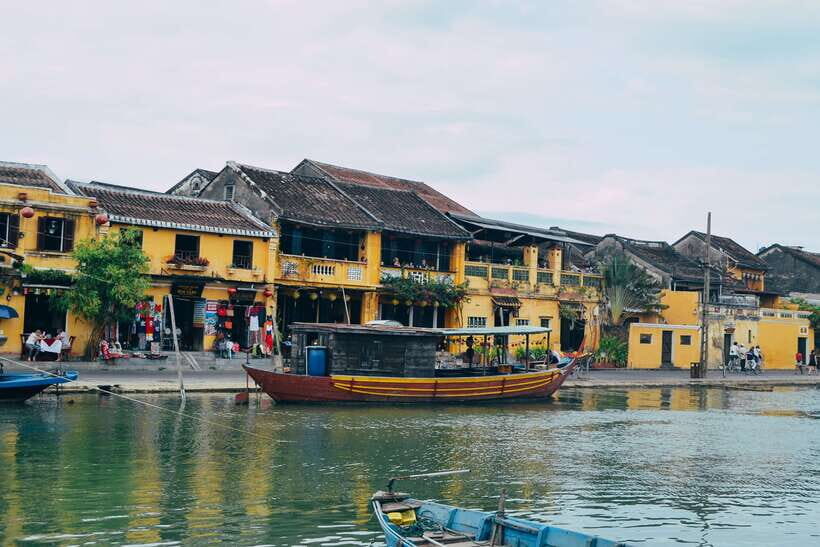
Next up is the Fujian Assembly Hall, including a guided visit and roughly 20 minutes. This stop is a key piece of the town’s cultural mix because assembly halls connect directly to the Chinese community influence in Hoi An.
Even with a short visit, this is the kind of place where a good guide helps you notice what matters:
- how the architecture supports community gatherings
- why this style shows up where it does in town
- what makes the hall distinctive compared with surrounding buildings
A 20-minute slot can feel brief if you like slow museum-style exploration, but that’s also why it’s smart for a half-day tour. You’re getting the essential context without losing the day in one building.
Traditional dance show: culture in motion, not just architecture

One of the best “surprise value” elements here is the traditional dance show, included for about 40 minutes. If you’ve only been thinking about Hoi An as an architecture postcard, the show adds a different kind of understanding.
Why this works for your trip:
- It breaks up walking with a clear, scheduled experience
- It gives you an angle into local performance traditions
- It’s included, so you’re not hunting for a separate ticketed activity
For practicality, wear comfortable clothing you can sit in for a while. Also, arrive ready to watch and listen rather than multitask with your phone—part of the point is experiencing it as a timed show, not a background moment.
You can also read our reviews of more historical tours in Hoi An






Hoi An folk museum: short stop, useful context

The Hoi An folk museum visit is about 15 minutes, with photo time and guided explanation. In a half-day route, museum stops can go one of two ways: either they’re too rushed to matter, or they give you just enough context to make the rest click.
In my view, this kind of “quick context” stop is ideal if:
- you want the story behind what you’re seeing
- you prefer not to spend the whole day reading labels
- you’re returning home with a few clear takeaways
If you’re the type who likes to linger, treat this as a primer. You’ll know what to look for if you come back later under your own pace.
Old House of Tan Ky: reading architecture like clues
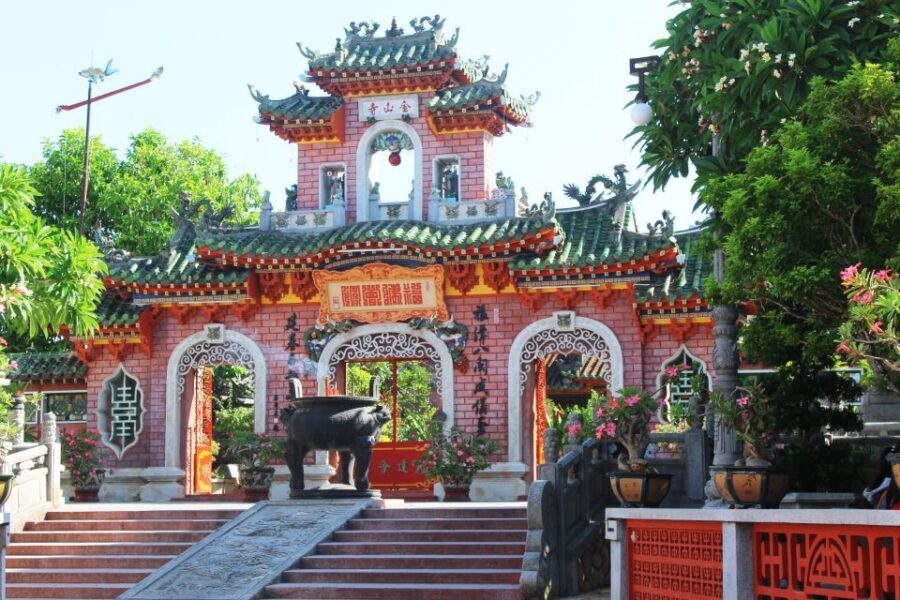
One of the major heritage stops is the Old House of Tan Ky, with about 25 minutes for guided viewing and photo stops. This is part of the reason heritage walking tours work so well: you can see how older homes were built for real life, not just show.
Here’s what makes this stop especially valuable:
- You’ll learn what makes the house significant among Hoi An’s preserved ancient houses
- The guide helps connect design choices to the town’s broader cross-cultural influences
- You can compare the feel of an old residence with the nearby streets and public buildings
Since the visit is timed, you’ll want to focus your attention during the house viewing. Look with intent: where entrances sit, how spaces connect, and what feels different from the more modern parts of town. A guided walkthrough helps you notice these things instead of getting lost in details you don’t yet understand.
Japanese Covered Bridge: the must-see that lives up to its reputation

Then comes the star photo stop: the Japanese Covered Bridge, with about 20 minutes for guided sightseeing and photos. This is the stop most people have heard about, and it’s popular for a reason. The bridge is instantly recognizable, and it’s a tangible symbol of Japanese influence in Hoi An’s old-town landscape.
What I like about including it on a guided walk:
- You don’t waste time figuring out what it is and why it matters
- You get to fit it into a broader story of cross-cultural heritage
- The timing gives you a chance to take photos without losing the flow of the day
One practical tip: treat your photo time as a sequence. First get your “I’m here” shot. Then slow down for angles that show the bridge in context with the lane. That way, you come away with more than one copy-paste photo.
The extra photo stop before you head back
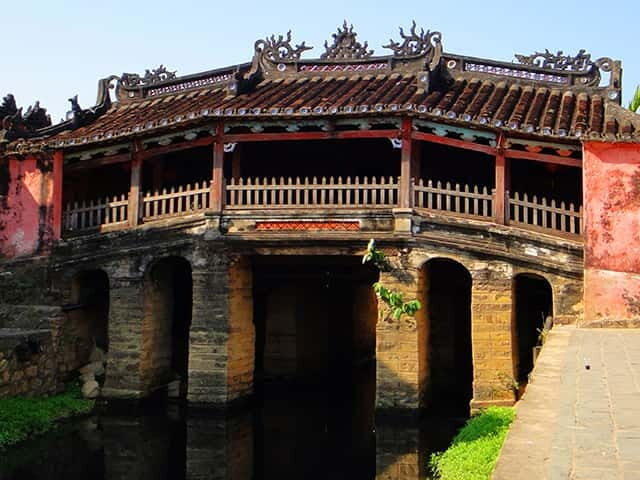
After the bridge, there’s one more short segment with photo stops and guided sightseeing (about 15 minutes). It may not be the headline attraction, but these add-on moments matter. They help you capture the look of the streets and the vibe of the quarter as you’re transitioning toward the ride back.
If you want your photos to look less random, use this last stretch to capture:
- doorway details
- street corners with old façades
- the kind of rustic charm that makes Hoi An feel like itself
Then you’re back in transport toward Da Nang.
Price and value: is $42 a good deal for this half-day?
At $42 per person for a 5-hour guided experience, this is one of those prices that feels fair when you look at what’s included. You’re paying for:
- hotel pickup and drop-off in Da Nang city center (with a defined exception)
- transportation
- an English-speaking guide
- entrance fees
- bottled drinking water
- travel insurance
The value here is mainly about time and clarity. Hoi An is compact, but it’s also a place where people can wander in circles without context. Paying for a guide helps you hit the best-known sites and still understand how they connect: market life, Chinese assembly-hall influence, preserved ancient houses like Tan Ky, and the Japanese Covered Bridge.
The only “value tax” is that because the tour is short, some places get brief visits. If your ideal day is slow and study-heavy, you might wish you had more time in the old houses and museums. A good workaround is to plan a little independent time in the evening after the tour finishes.
Who this tour suits best (and who should think twice)
This half-day heritage walk is a great match if:
- it’s your first time in Hoi An Ancient Town
- you want a guided route that reduces decision stress
- you like heritage that’s explained, not just photographed
- you want a traditional dance show included without extra planning
It may be less ideal if:
- you dislike crowded tourist lanes and prefer quiet streets
- you want long, unhurried time in houses and museums (the stops are timed)
- you’re hoping for lots of free time to wander without a schedule
Should you book the Da Nang: Half-day Hoi An Heritage Walk?
If you’re balancing Da Nang and Hoi An and want the best first-pass introduction, I’d book it. You get the big landmarks—especially the Japanese Covered Bridge—plus supporting stops that explain the town’s mixed influences, with an English guide keeping you on track. It’s also easy on planning because entrance fees, transport, and pickup are handled.
If you’re sensitive to crowds, go in with the right mindset: use the guide to make your time count, and then plan an extra hour or two on your own later in the day when the mood changes. For many people, the real reward is leaving the tour with a strong map in your head—and then enjoying Hoi An at a slower pace afterward.
FAQ
How long is the Hoi An heritage walk?
The tour duration is about 5 hours. Starting times vary, so you’ll need to check availability for the times offered.
Is hotel pickup and drop-off included in Da Nang?
Yes. Pickup and drop-off are included for hotels in Da Nang City Center, except Son Tra Peninsula.
What are the main stops during the walk?
You’ll visit Hoi An Market, Fujian Assembly Hall, a traditional dance show, Hoi An folk museum, Old House of Tan Ky, and the Japanese Covered Bridge, plus additional photo stops.
Is the tour guide available in English?
Yes. The guide is English-speaking. Other languages may be available upon request with a surcharge.
What is included in the $42 price?
The price includes hotel pickup/drop-off, transportation, entrance fees, bottled drinking water, an English-speaking guide, and travel insurance. Personal expenses are not included.
Can I cancel for a full refund?
You can cancel up to 24 hours in advance for a full refund.
Are children allowed on the tour?
Unaccompanied minors are not allowed, and every child must be accompanied by an adult. You’ll also need to book adult tickets for any additional children.