REVIEW · HOI AN
Ancient Town Walking Tour in Hoi An
Book on Viator →Operated by Danang Hoian Private Tour · Bookable on Viator
Hoi An feels quieter on foot. This guided walk through the UNESCO World Heritage Old Town is where you’ll spot how Vietnamese, Chinese, and Japanese influences shaped everyday life—street by street, photo by photo. You’ll also get classic sights like the Japanese Covered Bridge and some of the area’s ancient houses without needing to figure it all out alone.
What I like most is the human touch: a guide named Jun is singled out for friendly, clear explanations of local history and culture, plus how Vietnam lives today. I also like the practical pacing and group size—about 3.5 hours with a maximum of 20 people, which usually means you can keep up and still ask questions.
One thing to consider: the tour needs good weather. If conditions are bad, it can be switched to another date or you can get a full refund, so it’s smart to plan with flexibility.
In This Review
- Key highlights you’ll actually feel on this Hoi An walk
- Why Hoi An’s Ancient Town feels best on foot
- The Ancient Town loop: what you’ll see and why it matters
- Hoi An Museum: the quick context that makes the walk click
- Ancient houses and Chinese assembly halls: what to focus on
- Japanese Covered Bridge: more than a landmark photo
- The guide experience: small group pacing and Jun’s style of explaining
- Price and value: is $41.03 worth it?
- Pickup, mobile tickets, and how to plan your day
- Practical tips for a smoother 3 hours 30 minutes
- Weather matters: what happens if conditions aren’t good
- Who should book this Hoi An Ancient Town walking tour?
- Should you book this tour?
- FAQ
- How long is the Ancient Town walking tour in Hoi An?
- How much does the tour cost?
- Is admission included?
- What’s included in the price?
- Does the tour offer pickup?
- What happens if the weather is bad?
Key highlights you’ll actually feel on this Hoi An walk
- Small group size (max 20): Easier conversation and less crowd pressure during tight lanes
- Guide-led context: You’re not just seeing buildings—you’re learning what they mean
- UNESCO Old Town in a practical route: Classic stops like ancient houses, Chinese assembly halls, and the Japanese Covered Bridge
- Hoi An Museum included: A quick history primer before you look around
- Pickup offered + mobile ticket: Less fuss when you’re starting your day
- Bottled water included: One less thing to carry on a 3.5-hour walk
Why Hoi An’s Ancient Town feels best on foot
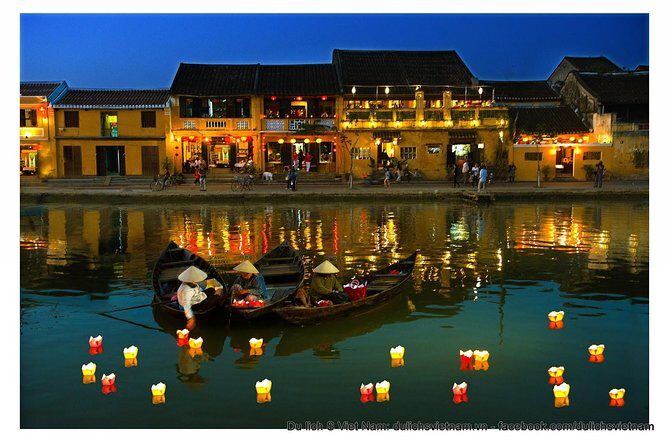
Hoi An’s Old Town works like that old travel trick: when you walk, you notice the details that vans and quick bus stops usually miss. The streets are compact, and the atmosphere is calmer than you’d expect for a famous destination. For many people, that’s the whole point of Hoi An—it rewards slower movement.
This tour is built around the UNESCO-designated core area (recognized in 1999). That matters because you’re not only sightseeing individual landmarks. You’re seeing a place that has been preserved for its cultural and architectural mix—Vietnamese, Chinese, and Japanese influences showing up side by side.
The timing also helps. At roughly 3 hours 30 minutes, you get enough time to connect the dots (houses, assembly halls, bridge views) without turning the walk into a full-day grind. It’s long enough to feel like a real introduction, but short enough that you can still keep the rest of your day open for your own pace.
Practical expectation: expect walking. Even if you’re just strolling, you’ll cover a good chunk of the Old Town’s walking lanes. Comfortable shoes aren’t optional. Think “you can stand and walk for a while” rather than “pretty sandals.”
You can also read our reviews of more walking tours in Hoi An



The Ancient Town loop: what you’ll see and why it matters

The heart of the experience is one main stop: Hoi An Ancient Town, explored on foot with a guide. You’ll move through the places that define the look and feel of the historic center, not just the most Instagram-friendly corners.
Here’s the tour’s core set of sights:
- Hoi An Museum (included, with admission)
- Ancient Houses known for standout architecture and the chance to view the town from those older structures
- Chinese Assembly Halls reflecting Chinese cultural influence
- Japanese Covered Bridge as a signature visual anchor
This combination is smart. Museum first (or at least early in the experience) gives you a mental framework. Then the ancient houses and assembly halls make more sense because you’re not guessing at the background. Finally, the Japanese Covered Bridge gives you a memorable “end cap” image—a landmark people recognize, even if they don’t know the setting yet.
A small practical caution: Hoi An’s historic core is full of interesting side streets. When your guide is moving you through highlights, you’ll still want to pause for photos and details. Build in that habit—don’t try to outrun your own curiosity. The tour is about quality viewing, not speed.
Hoi An Museum: the quick context that makes the walk click

The Hoi An Museum is part of this experience, and that’s more useful than it sounds. When you walk through older towns, you can either (1) see pretty facades and hope you understand the story, or (2) get a small boost of context so the buildings start talking back.
With admission included, you don’t need to calculate extra costs once you’re there. It also keeps the day smoother: you’re not hunting for tickets while your group is already moving.
What you’ll get out of it depends on your interests, but the value is consistent: museums help you look at architecture and cultural sites with better timing. You’re more likely to notice why certain buildings were built, how different communities influenced town life, and what makes these sites worth protecting.
If you’re the type who likes to “read the place” rather than just “check the box,” you’ll probably appreciate having this stop woven into the route.
Ancient houses and Chinese assembly halls: what to focus on
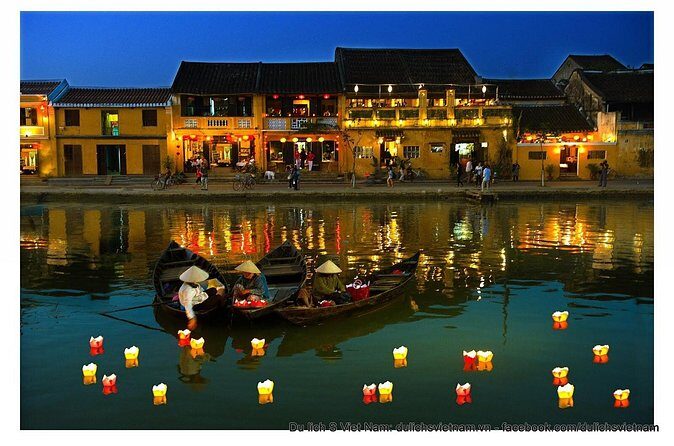
This tour doesn’t just point at buildings. It takes you through well-known ancient houses and Chinese assembly halls, then gives you a sense of how they fit into Hoi An’s past.
Why these are the right targets:
- Ancient houses help you understand everyday life in a heritage setting. You’re not only seeing grand monuments; you’re seeing homes and structures shaped by local culture.
- Chinese assembly halls bring the cultural mix into view. Hoi An’s identity isn’t one-note, and these halls reflect that.
You’ll also have time to appreciate viewpoints from the ancient houses. Even if you’re not a “lookout person,” that perspective shift is helpful. You start to see the town as a connected layout rather than isolated stops.
What I recommend you do while you’re there: keep your eyes moving. Look for contrasts—style changes, how the structures are arranged, and how the setting feels. A guide’s explanations help you attach meaning, but you still want to actively observe. The best part of a walking tour is that you can’t unknow what you’ve seen once you really start paying attention.
Japanese Covered Bridge: more than a landmark photo
The Japanese Covered Bridge is one of those places that almost everyone recognizes in photos. But on a guided walk, it becomes something more than an image.
In practical terms, the bridge gives you:
- A clear visual target so the route feels structured
- A moment where the town’s historic identity becomes obvious in one view
- A convenient pause point for pictures and quick questions
This stop is also a good reminder that Hoi An’s heritage isn’t locked in a museum room. It lives in the streets, the architecture, and in how landmarks relate to the rest of the Old Town.
If you’re sensitive to crowds, consider aiming for an earlier start. One experience shared with this tour mentions choosing an 8am time, which helped avoid heavy crowd levels. Even if you don’t love early mornings, it can seriously improve how calm the town feels.






The guide experience: small group pacing and Jun’s style of explaining
The difference between a “walk and point” tour and a truly helpful one is the guide. On this tour, the guidance is specifically praised: a guide named Jun is described as friendly and knowledgeable, with the ability to explain history and culture in a way that also connects to daily life in Vietnam.
That connection matters. If you only hear dates and names, it can feel like a lecture. When your guide ties the sites to real cultural patterns, you feel like you’re understanding a living place—even while you’re walking through preserved heritage.
This tour caps at 20 travelers, which is a big deal for comfort. Small groups tend to mean:
- Less jostling in narrow areas
- More opportunities to ask a question without shouting
- A pace that feels human instead of rushed
There’s also bottled water included, which sounds minor until you’re halfway through a warm walk. You can keep moving without doing the mental math of what to buy and where.
Price and value: is $41.03 worth it?
At $41.03 per person, this tour sits in an easy “book it without stress” range for a guided heritage experience. The better question is what you’re paying for.
Here’s where the value comes from:
- All fees and taxes included
- Guide included
- Bottled water included
- Admission ticket included (for the museum)
- Pickup offered, plus a mobile ticket for easy access
So you’re not just paying for someone to walk beside you. You’re paying for entry costs, a guide, and basic comfort items that keep the day moving.
Is it “cheap” in an absolute sense? Not the cheapest thing in town. But for a structured 3.5-hour introduction to the UNESCO Old Town highlights, it’s strong value—especially if you’d otherwise spend time sorting routes, ticketing, and “what should I see first?” logistics.
Booking pattern note: it’s commonly booked about 8 days in advance. That’s a sign that the slot you want can disappear, especially if you prefer an early start to avoid crowds.
Pickup, mobile tickets, and how to plan your day

Pickup is offered, which is helpful in Hoi An when you don’t want to waste the first hour of your tour hunting for a meeting point. The tour also uses a mobile ticket, which usually means you can show your info on your phone rather than carrying paper.
For planning your day, I’d treat this as a “core morning” or “early afternoon” activity. Why? Because after you walk the main historic highlights with context, you’ll be able to wander smarter on your own later. You’ll know what to prioritize and what to skip when you’re tired.
If you prefer quieter streets and smoother photos, use that early timing as your strategy. The guidance shared for an 8am departure mentions missing crowds, which lines up with a simple rule: go early, get calm.
Practical tips for a smoother 3 hours 30 minutes
A walking tour sounds easy until you factor in heat, cobblestones, and the mental energy of paying attention. Here are the small choices that make this one feel good.
- Wear comfortable walking shoes. You’re moving through an old town setting, so plan for uneven ground.
- Bring lightweight layers. Even in comfortable weather, mornings can feel cooler and afternoons warmer.
- Use the bottled water during the walk instead of saving it for the end.
- Ask questions when your guide stops. On this kind of route, the best answers come right after you see the building or feature.
- Keep your camera handy, but don’t forget to look first. If you only shoot, you lose half the meaning.
Because the tour includes the museum and multiple historic stops, you’ll want your brain awake. If you’re doing a lot of other activities the same day, give yourself a break beforehand.
Weather matters: what happens if conditions aren’t good
This experience requires good weather. That’s not just small print. Walking tours in historic areas can become unpleasant fast if it’s raining or conditions are otherwise poor.
If the tour is canceled due to weather, you’ll be offered another date or receive a full refund. In other words, don’t panic if the sky looks questionable—just keep an eye on updates and be ready to shift plans.
Who should book this Hoi An Ancient Town walking tour?
This is a strong fit for you if:
- You want a guided way to see the Old Town highlights without spending hours mapping your own route
- You like cultural explanation tied to real places (houses, assembly halls, bridge)
- You prefer a small group over a big bus-tour feeling
- You’re on a time budget but still want a meaningful introduction
It may be less ideal if:
- You prefer long, independent wandering without a set path
- You can’t handle walking for around 3.5 hours
- You’re trying to build a very strict schedule on a day where weather is uncertain
If you want an efficient, heritage-focused tour that helps you understand what you’re looking at, this one fits the bill.
Should you book this tour?
I’d book it if you want the Old Town highlights with a guide who can explain what you’re seeing, not just point at it. The price is reasonable for a 3.5-hour outing that includes a museum admission, bottled water, guide time, and entry/fees. The small group cap is also a practical plus.
If your schedule allows, pick an earlier departure time when available to keep the streets calmer. And if weather looks iffy, plan to stay flexible—good walking days make the experience noticeably more enjoyable.
FAQ
How long is the Ancient Town walking tour in Hoi An?
It runs for about 3 hours 30 minutes.
How much does the tour cost?
The price is $41.03 per person.
Is admission included?
Yes. Admission ticket costs are included as part of the experience.
What’s included in the price?
All fees and taxes are included, along with bottled water and a guide.
Does the tour offer pickup?
Yes, pickup is offered.
What happens if the weather is bad?
This experience requires good weather. If it’s canceled due to poor weather, you’ll be offered a different date or a full refund.