REVIEW · HOI AN
Hoi An Vegan Food Tour
Book on GetYourGuide →Operated by Momo Travel Limited Company · Bookable on GetYourGuide
Lantern alleys taste better with vegan friends. On this Hoi An Vegan Food Tour, I love the home-kitchen feeling, where you taste food made by locals who have been selling it for generations. I also like how the route blends lantern backstreets with real dishes you would miss on your own, from Banh My to Cao Lau and sweet sesame treats. One thing to consider: you’ll cover about 1.5 km on foot in 3 hours, so wear comfortable shoes and don’t plan heavy sightseeing right before.
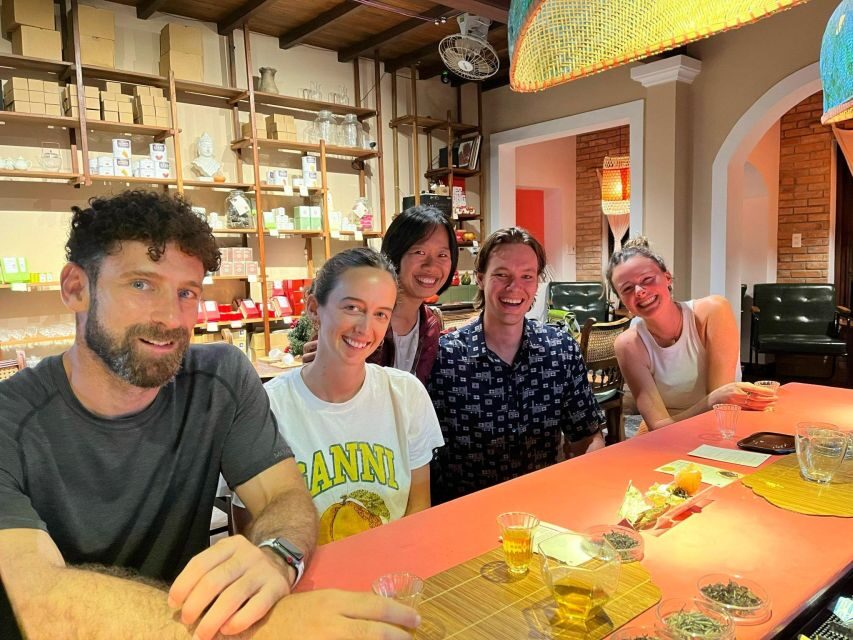
A small group (up to 10) keeps it personal, and guides such as Vy, Nguyen, Huyền, and Khieu (Q) are great at turning food into stories you can use. Still, because it’s a walking food route through local neighborhoods, it may feel less like a sit-down meal cruise and more like a steady, social stroll.
In This Review
- Key things you’ll notice fast
- Hoi An Vegan Food Tour: why this 3-hour walk feels different
- Meeting in front of Hoi An Post Office and the 1.5 km pacing
- From the oldest bakery to banh my made around the clock
- White roses in a 300-year-old house: a dish with a story
- Vegan cao lau and the pleasure of a real local restaurant
- Banh xeo, fried wonton, and the savory middle of the tour
- Black sesame soup and the sweets that feel like local secrets
- Fruit, cakes, and tea: how the tour stays fun, not just full
- Vegetarian is easy. Dietary needs take care. This tour takes them seriously.
- Guides like Vy, Nguyen, Huyền, and Khieu (Q) turn plates into lessons
- What you actually get for $27: the value math
- Best for who: vegans, non-vegans, and solo walkers
- Should you book the Hoi An Vegan Food Tour?
- FAQ
- Where do I meet for the tour?
- How long is the Hoi An Vegan Food Tour?
- How much is it per person?
- What’s the walking distance?
- Is the tour small group?
- Is there an English-speaking guide?
- What food and drink are included?
- Is hotel pickup included?
- Can the tour accommodate dietary requirements like gluten-free needs?
- Is the tour wheelchair accessible?
Key things you’ll notice fast
- Home-kitchen stops, not just restaurant hopping with families and longtime vendors
- Lantern backstreets in historic areas, paced for tasting and conversation
- A lineup of specific Hoi An vegan favorites like Cao Lau and Banh Xeo
- Sweet and savory balance from white roses to black sesame soup and jammy bites
- Guide personalities matter, with humor, history, and allergy questions showing up repeatedly in feedback
- All food and drink included so your $27 is mostly about taste, not adding extras
Hoi An Vegan Food Tour: why this 3-hour walk feels different
A vegan food tour can be two things: a list of dishes, or a window into how locals actually live and eat. This one leans hard into the second idea. You start in central Hoi An and move through charming lanes, where lantern light and old houses set the mood for what you’ll taste next. The goal isn’t just to eat well. It’s to understand why these flavors make sense in Hoi An.
What I like most is the mix of classic Vietnamese vegan dishes and the way they connect to Hoi An’s food culture. You’ll hear stories along the way, and the guides bring it down to the practical side: what ingredients do, how dishes are made, and why certain recipes show up again and again. It also helps that the tour format is social and interactive. You’re not just handed plates. You’re encouraged to pay attention—smell ingredients, get a close look at how things are assembled, and ask questions.
There’s also a clear “local neighborhood” vibe. Instead of sticking only to the most famous tourist pockets, you’re guided toward everyday food places and family-style kitchens. That’s where the big value lives.
You can also read our reviews of more food & drink experiences in Hoi An


Meeting in front of Hoi An Post Office and the 1.5 km pacing
You’ll meet in front of Hoi An Post Office. It’s a simple landmark, which matters because you’re starting a small-group walk and you don’t want to waste time hunting for the right corner.
The route covers about 1.5 km (0.9 miles) over roughly 3 hours. That distance is totally manageable for most people, but it still adds up when you factor in tasting, photo stops, and brief explanations. Expect short segments of walking between stops rather than one long trek.
Also note the small-group structure: limited to 10 participants. That size usually means you can actually hear your guide, ask about ingredients, and get attention if you have dietary concerns. Feedback often mentions guides asking about allergies and adjusting food when needed, which is exactly what you want from a tour like this.
If you’re the type who likes to plan your day tightly, I’d avoid scheduling this immediately after a long bus ride or a late-night arrival. You’ll enjoy it more if you can focus on the food and the street-level stories.
From the oldest bakery to banh my made around the clock
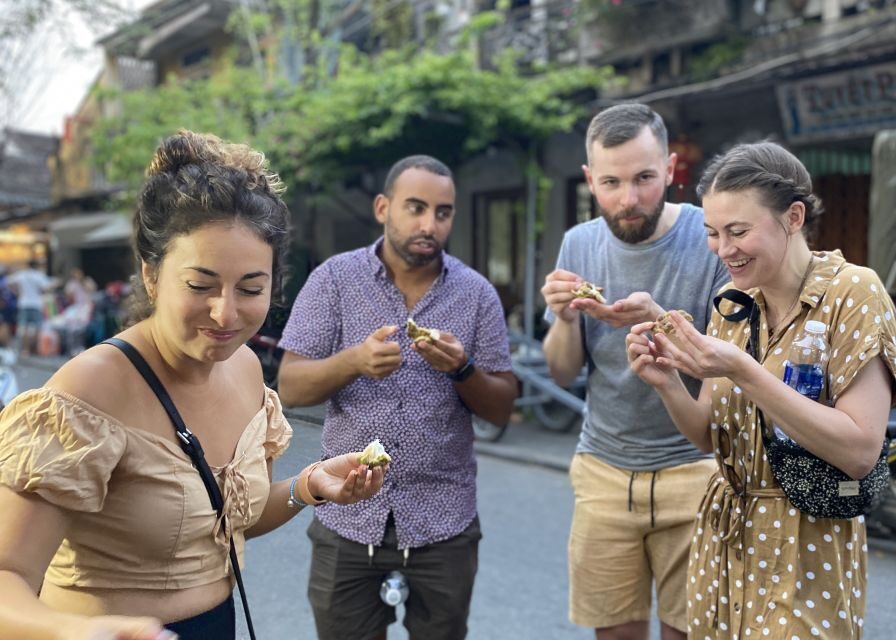
The tour kicks off with a stop at the oldest bakery in Hoi An, where locals make Banh My around the clock. That detail matters. It’s not a romantic idea. It’s a real sign that bread, herbs, and quick preparation are part of everyday life here.
You’ll see how banh my gets made and then taste bites along the way. You also get a peek into how vendors work with timing—because when food must be ready for customers at different hours, the whole rhythm of preparation changes. It’s one of those practical lessons that make future meals make more sense when you’re back on your own.
From a value standpoint, this early stop sets the tone that you’re getting more than just a token sample. You’re starting with a foundational Vietnamese street food, then building from there into dishes that feel more specific to Hoi An.
White roses in a 300-year-old house: a dish with a story
Next, you get to white roses at a 300-year-old house. This is the kind of stop that turns food into architecture. You’re not eating in a generic setting. You’re tasting in a place that helps explain why certain foods feel tied to the town’s identity.
White roses are delicate, and the experience is less about quantity and more about texture and craft. You’ll likely learn what makes the wrapper and filling work together, and why this kind of dish is worth building skill around. It’s also a good stop for people who love food presentation—because the whole point is that it’s carefully made.
One practical tip: if you’re sensitive to sesame, peanuts, or other common ingredients, this is a moment to ask your guide how the specific batch is prepared. You’ll be moving from stop to stop, so handling questions early makes the rest of the tasting smoother.
Vegan cao lau and the pleasure of a real local restaurant
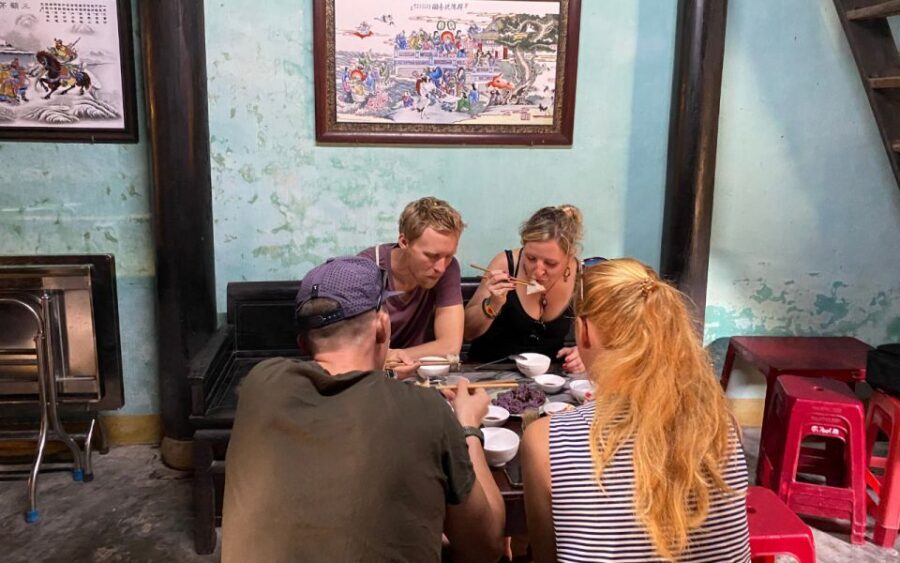
Cao Lau is one of those Hoi An specialties people talk about, and this tour aims to make it accessible in vegan form. You’ll visit a must-visit vegan restaurant for Cao Lau, and the value here is simple: you get the dish itself, plus context on how it fits into Hoi An food.
The guide stories help you taste with awareness. You’ll understand what’s going on flavor-wise rather than just eating and hoping it’s good (though it should be). It’s also a good moment to ask questions like how the flavors are built without animal-based broths or toppings.
This stop also does something important for non-vegans traveling with vegan friends: it shows that vegan food isn’t only salads and substitutions. It’s its own satisfying culinary world.
You can also read our reviews of more tours and experiences in Hoi An



Banh xeo, fried wonton, and the savory middle of the tour
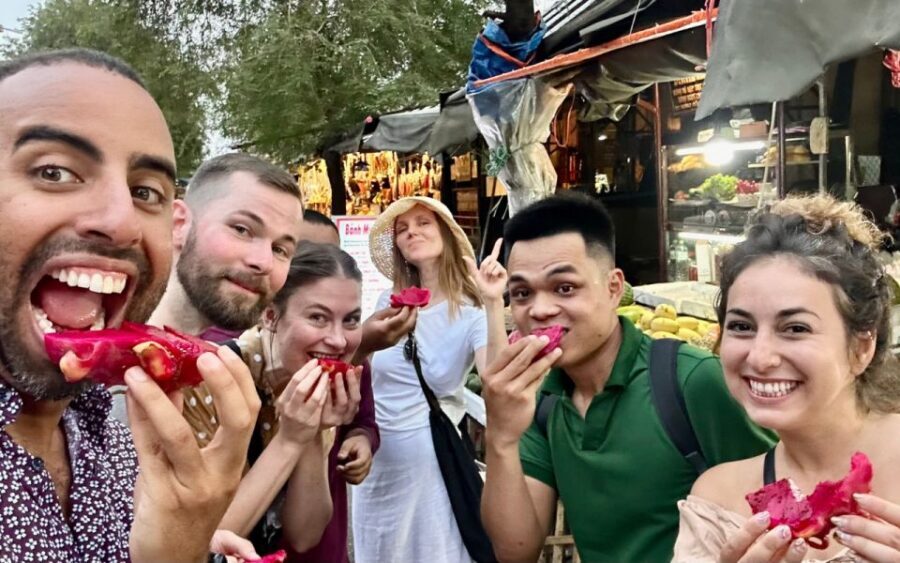
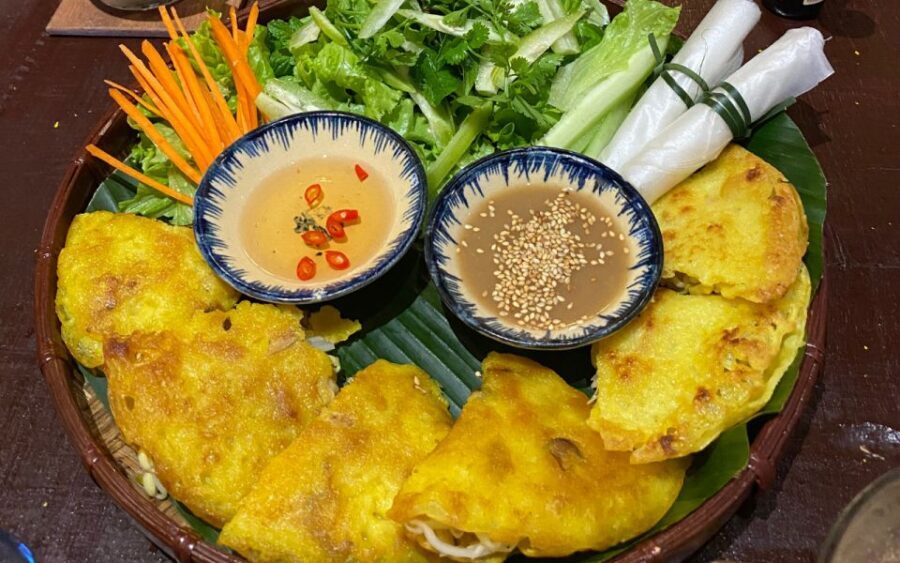
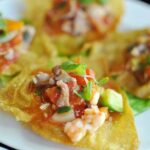
As you continue through local food lanes, you’ll hit several savory tastings, including Banh Xeo pancake and fried wonton. These are meal-center foods in Vietnamese cooking, and having them on a vegan itinerary makes the tour feel generous and properly filling.
Banh Xeo is especially fun on a walk because it’s loud, crispy, and hot. You’ll likely experience it as a shared stop where you get time to taste and then learn what makes it work: the batter feel, how it’s cooked, and what accompanies it.
Fried wonton adds crunch and a different kind of texture. It’s a nice counterpoint to the more delicate dishes like white roses. Together, they help you understand how Vietnamese vegan flavors can move from soft to crispy without getting one-note.
Black sesame soup and the sweets that feel like local secrets
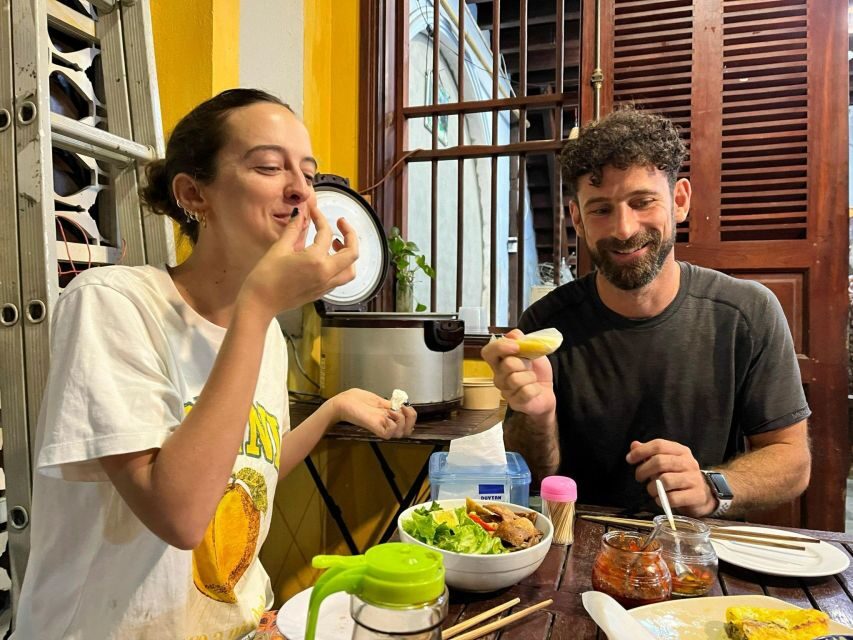
The tour includes black sesame soup, described as a local secret believed to promote longevity. Even if you don’t treat that belief as a science claim, it’s still useful cultural information. It tells you how communities frame food as part of long-term wellness.
Black sesame soup also works as a palate reset. After savory dishes, you get something comforting, earthy, and gently sweet. It’s the kind of dessert that doesn’t taste like a generic sugar fix.
Then come the candy and jam stops. You’ll taste coconut candy, plus turmeric and ginger jam (also described as dried ginger and turmeric jams). These flavors are bold but approachable, and they’re a great way to learn about how medicinal-leaning spice mixes can turn into everyday treats.
Fruit, cakes, and tea: how the tour stays fun, not just full
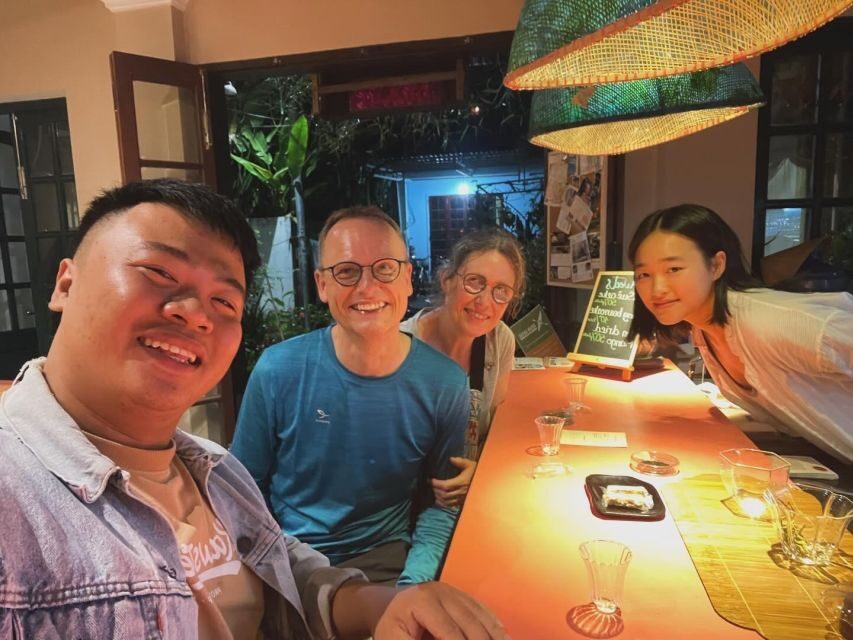
You’ll also sample fruit, mango cake, and smack rice cake. Those sweets keep the tour varied and help you avoid the common food tour problem where everything starts to taste the same halfway through.
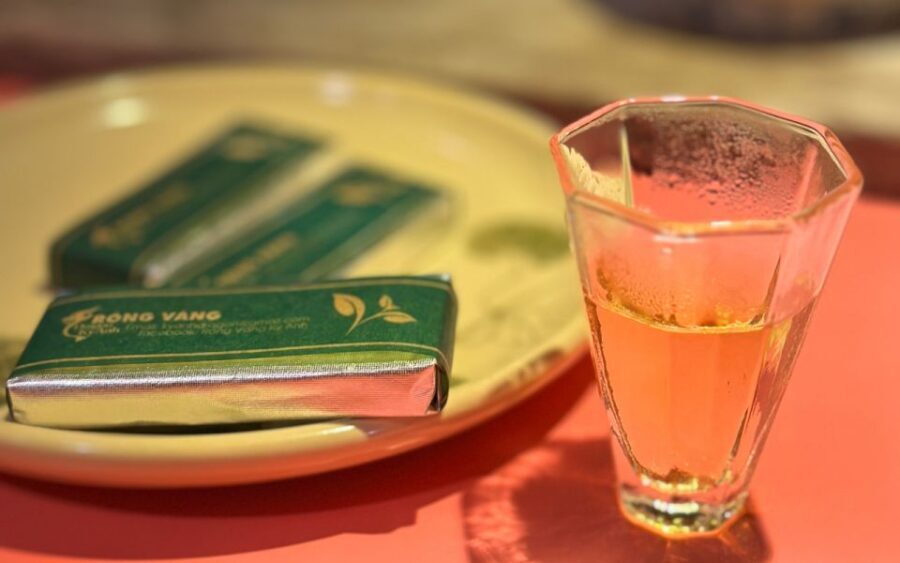
One detail that shows up as a highlight in feedback: an end-of-tour tea tasting. That kind of wrap-up helps you land the experience—taste something warm, talk with your guide, and ask final questions before you head back out.
Across multiple guide names—Kun, Sanh, Tom, June, Vinh, and others—the theme is consistent: guides keep the tone friendly and light. Some guides even add humor during the walk, which makes the whole route feel less like a lecture and more like time with a knowledgeable friend.
Vegetarian is easy. Dietary needs take care. This tour takes them seriously.
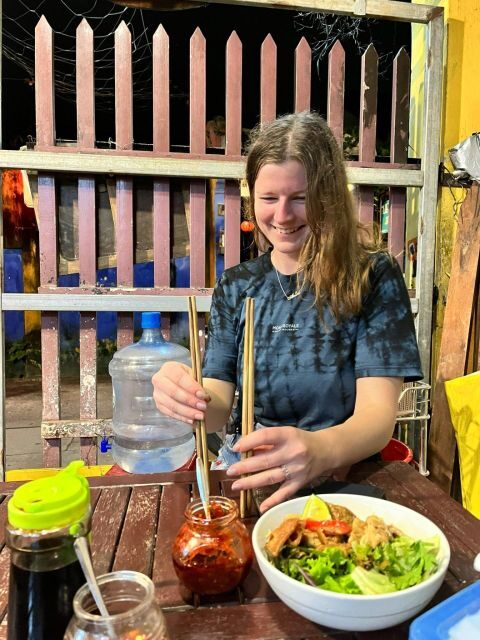
If you’re vegan, vegetarian, or avoiding specific ingredients, this tour is designed to be accommodating. Guides are proactive about asking about allergies and dietary needs. That matters because the menu includes plenty of components you might need to watch—sesame, flour-based items, and spice blends.
In feedback, guides also adjust food when guests want to try something specific, including extra fruit requested on the spot. That tells me the team isn’t running on autopilot. They’re paying attention to your preferences.
Practical advice from the way the tour is set up: come with clear info on what you avoid, and don’t wait until the last stop. The earlier you mention an allergy, the easier it is for the guide to steer you toward safer items.
Guides like Vy, Nguyen, Huyền, and Khieu (Q) turn plates into lessons
The standout element here is the guide approach. The names vary by date—Vy, Nguyen, Huyền, Khieu (Q), Kun, June, Tom, Vinh, and more—but the delivery stays consistent: history + food + personal stories.
You’ll hear explanations of how foods are made and why they matter in Hoi An. You’ll also get cultural context woven into the route, so each dish becomes a clue. It’s not just facts. It’s a way of understanding how people in Hoi An see their own traditions.
Feedback also highlights strong engagement: guides answer questions, keep things funny, and make you feel like a welcomed guest. That matters on a food tour because the best part is the combination—food you can taste, plus a guide who helps you remember what you learned.
What you actually get for $27: the value math
Let’s talk money in plain terms. At $27 per person for 3 hours, this isn’t an expensive tasting menu. It’s closer to a well-packed local culinary session, and the value comes from two things.
First, all food and drink are included. That list is specific and substantial, including banh my, cao lau noodles, white roses, fried wonton, banh xeo pancake, mango cake, smack rice cake, and turmeric and ginger jam, plus coconut candy. You’re not paying extra every time a new dish appears.
Second, the structure helps you avoid trial-and-error costs. If you tried to build this on your own, you’d spend time guessing which places are truly vegan-friendly, then paying for multiple small snacks that don’t always add up to a meal. Here, the lineup is intentional, paced, and guided.
One small consideration: because you’re tasting a lot, you’ll want to keep your expectations realistic. This tour can leave you quite full by the end. Plan your next meal lightly.
Best for who: vegans, non-vegans, and solo walkers
This tour fits a few types of travelers very well:
- If you want authentic home-kitchen style food in Hoi An rather than only restaurant sampling, you’ll appreciate the family vendor and older-house stops.
- If you’re vegan but also curious about Vietnamese flavors beyond standard veggie staples, the variety helps.
- If you’re a non-meat eater traveling with friends who eat everything, this tour can be a friendly bridge. It shows that vegan food here isn’t an afterthought.
- If you’re traveling solo, the small-group format and guide attention make it easier to feel comfortable and included.
You might skip it if you hate walking entirely, or if you want a fully seated, long-course experience. This is a food walk, not a dinner party. Still, with 1.5 km total, it’s usually a good compromise.
Should you book the Hoi An Vegan Food Tour?
I’d book it if you want a tasty, story-driven way to see central Hoi An through vegan Vietnamese food. The biggest strengths are the home-kitchen vibe, the lantern backstreet atmosphere, and the way guides like Vy, Nguyen, Huyền, and Khieu (Q) connect dishes to local life. At $27 with all food and drink included, the value is strong, and the guide support for dietary needs makes it feel thoughtfully run.
I’d think twice only if you want a low-energy experience or you’re extremely sensitive to ingredient cross-over and need a fully controlled kitchen setting. If that’s you, ask your guide detailed questions in advance and be ready to double-check items at each stop.
If you’re on the fence, my advice is simple: if you like food walks, this is the kind that actually earns your attention.
FAQ
Where do I meet for the tour?
You meet in front of Hoi An Post Office.
How long is the Hoi An Vegan Food Tour?
The tour lasts about 3 hours.
How much is it per person?
The price is $27 per person.
What’s the walking distance?
The tour covers an estimated 1.5 km (0.9 miles).
Is the tour small group?
Yes. It is limited to 10 participants.
Is there an English-speaking guide?
Yes, the tour has an English-speaking live guide.
What food and drink are included?
Food and drink included include banh my, Cao Lau noodles, white roses, fried wonton, banh xeo pancake, mango cake, smack rice cake, turmeric and ginger jam, and coconut candy.
Is hotel pickup included?
No, hotel pickup and drop-off are not included.
Can the tour accommodate dietary requirements like gluten-free needs?
The guides are described as accommodating for specific dietary requirements, including gluten-free for celiac disease.
Is the tour wheelchair accessible?
Yes, the tour is wheelchair accessible.