REVIEW · HOI AN
Coooking Class And Eating Tour
Book on Viator →Operated by Discover Hoi An Food Tours · Bookable on Viator
Shopping with a chef beats guesswork. In this Hoi An cooking class, I liked that you pick ingredients with the chef and learn what makes them fresh and healthful, not just how to chop. You also get to see real working gardens at Tra Que Vegetable Village, so the food lessons connect to the place that grows it.
One thing to keep in mind: the experience requires good weather, so you’ll want some flexibility if conditions are rough.
In This Review
- Key Highlights Worth Your Time
- Why This Hoi An Cooking Class Feels More Like Culture Than a Performance
- Pickup and Electric Car: Making the Timing Work in Hoi An
- Tra Que Vegetable Village: See How Garden Work Shapes What You Eat
- Hoi An Market Walk With the Chef: How to Choose Ingredients Like a Local
- Cooking Session: Turn Your Market Choices Into Real Vietnamese Meals
- What to Expect From the Menu and Tastings (Without the Guesswork)
- Price and Value: Is $37 a Good Deal?
- Comfort, Group Style, and Logistics That Affect Your Day
- Who This Cooking and Eating Tour Suits Best
- Final Call: Should You Book It?
- FAQ
- How long is the cooking class and eating tour?
- How much does the tour cost?
- Does the tour include pickup and drop-off?
- Is transportation included?
- What activities are included?
- What drinks are included?
- Is there a mobile ticket?
- Is this a private tour?
- What happens if the weather is bad?
- What is the cancellation policy?
Key Highlights Worth Your Time
- Chef-led ingredient shopping at a local Hoi An market, with practical tips for choosing what’s best
- Tra Que Vegetable Village farm visit, including time seeing growers working their own plots
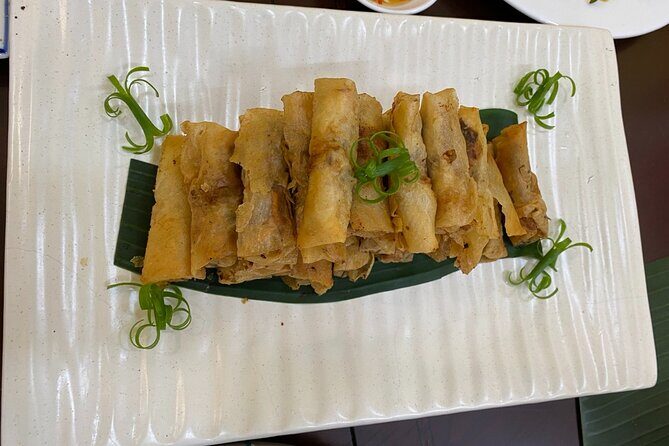
- Hands-on cooking with ingredients you selected, then eating what you make
- Street-food tasting along the way, so you can connect flavors to the ingredients you’ll use later
- Eco-friendly electric car transport, which keeps the pace easy and comfortable
Why This Hoi An Cooking Class Feels More Like Culture Than a Performance
Hoi An is famous for food, but most cooking classes stop at the kitchen. This one moves earlier into the story—markets, farming, and the everyday rhythm of how ingredients show up on your plate. In about four hours, you get enough structure to feel confident cooking Vietnamese-style dishes on your own later.
I also like the pacing. You’re not rushing through photos. You’re walking, tasting, asking questions, and then cooking with purpose. That order matters because it makes the dishes feel less random and more logical.
The best part is the connection between freshness and flavor. You learn what to look for when choosing ingredients, and you hear how those choices relate to your health. It’s not just culinary theater—it’s the kind of food thinking you can reuse at any market at home.
You can also read our reviews of more tours and experiences in Hoi An


Pickup and Electric Car: Making the Timing Work in Hoi An
This tour includes free pickup and drop-off from your hotel, resort, or village in Hoi An, and that matters more than you might think. If you’re short on time, hauling yourself across town can eat most of your cooking-class momentum. With pickup handled, you can just show up ready to learn.
Getting between areas is also handled for you. Instead of doing everything by scooter or on foot, you use an eco-friendly electric car to reach the Tra Que area. That keeps the day comfortable, especially if the heat ramps up.
It’s also set up as a private experience for your group. Even if you’re traveling with friends or family, you won’t feel like you’re sharing your kitchen time with strangers. For many people, that’s the difference between a fun meal and a frustrating class.
Tra Que Vegetable Village: See How Garden Work Shapes What You Eat
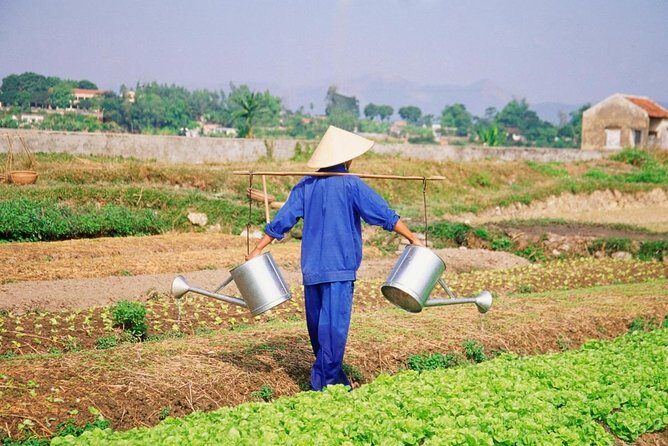
Tra Que Vegetable Village is where the tour earns its name. You spend time in the gardens and watch farmers working in their own plots. It’s not a staged “tourist farm” vibe where everything looks untouched. You see real cultivation, the kind that turns produce into daily life.
One detail I liked from the overall concept: you learn about green bean shoots growing and what it means to choose produce that’s harvested and used at the right moment. Even if you only catch part of the explanation, the farm context makes the ingredient lessons click.
Here’s the practical takeaway you’ll carry with you: freshness is not a vague word. In produce terms, it’s texture, aroma, and how the ingredient behaves when cooked. When you later choose items at the market, you’ll recognize what “good” looks like.
Potential drawback to factor in: you’re outside. You’ll want water on hand (you do get cold water during the tour), sunscreen, and a light layer if you’re sensitive to sun or breeze.
Hoi An Market Walk With the Chef: How to Choose Ingredients Like a Local
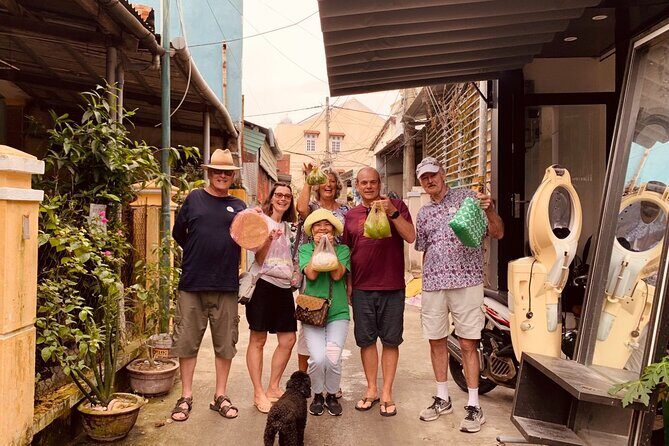
After the farming stop, the tour shifts into the market—exactly where you should spend your attention if you want to cook Vietnamese food with confidence. You walk with the chef and learn how to choose the freshest ingredients for your cooking class menu.
This is one of the most useful parts of the whole experience because markets can feel chaotic if you’re on your own. You might recognize a few items, but you won’t know which ones are best that day or why one vegetable is better than another. Here, the chef guides you through selection with a reason behind it.
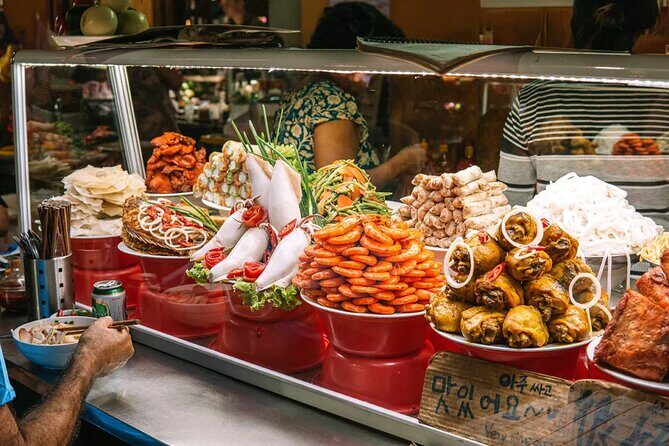
You’ll also get street-style sampling as you go. The tour concept includes tasting local street-food delicacies and seeing how some items are made. That helps you build a mental map: this ingredient doesn’t just exist; it shows up in real eating habits.
A small tip to maximize value: ask your chef one question per ingredient. Examples: what’s the freshness cue, and what dish does it typically belong in? You’ll leave with more than a shopping list—you’ll leave with cooking logic.
Cooking Session: Turn Your Market Choices Into Real Vietnamese Meals
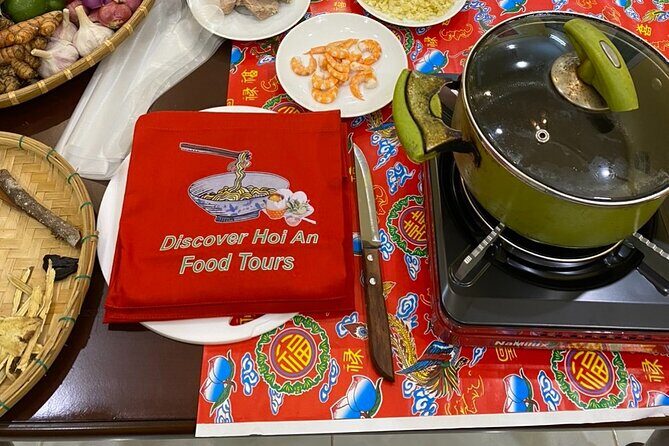
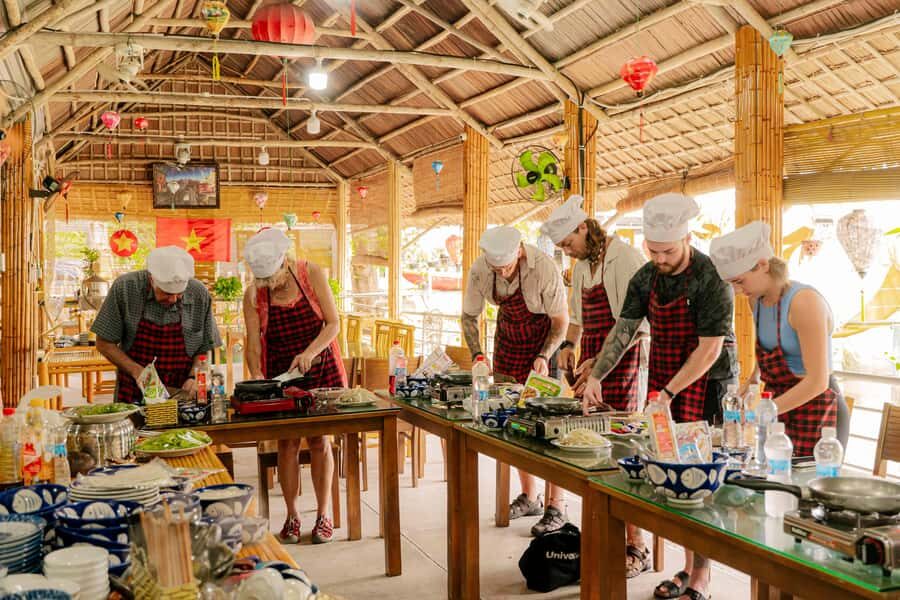
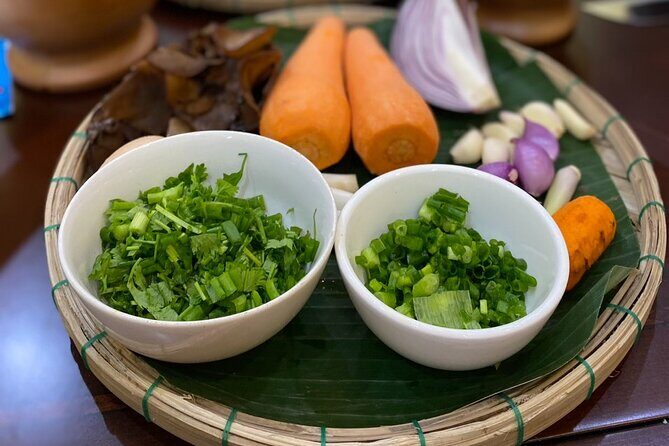
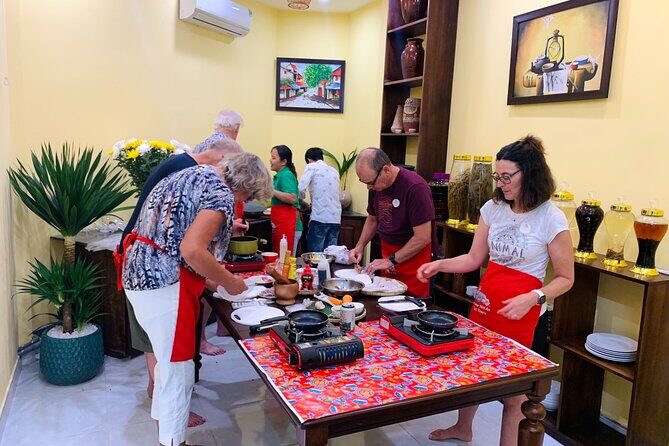
Once you’re back for cooking, the tour becomes hands-on. You learn how to prepare authentic Vietnamese meals using the ingredients you selected. That’s the big advantage of doing the market portion first: your cooking feels personal, not generic.
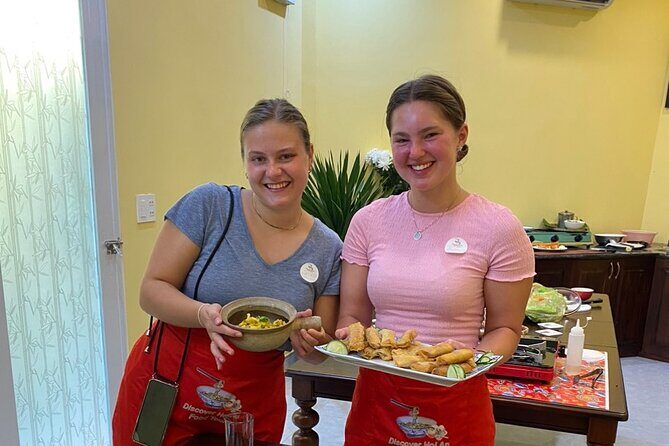
The format is straightforward: you cook, then you eat your own dishes. For a lot of people, that’s the “now I get it” moment. You’ll understand why certain ingredients work together once you’ve handled them, tasted them, and adjusted the flavor as you go.
A good class also teaches technique, not just recipes. Based on how this tour is described, the chef focuses on picking ingredient types and understanding their benefits, plus translating that into cooking choices. So you’re not only learning what to make—you’re learning how ingredient quality affects the final plate.
And yes, you’ll get refreshments during the session: cold water, plus 1 beer and 1 soft drink. It’s enough to feel cared for without turning the class into a long party. Keep it light and you’ll still be mentally sharp while you cook.


What to Expect From the Menu and Tastings (Without the Guesswork)
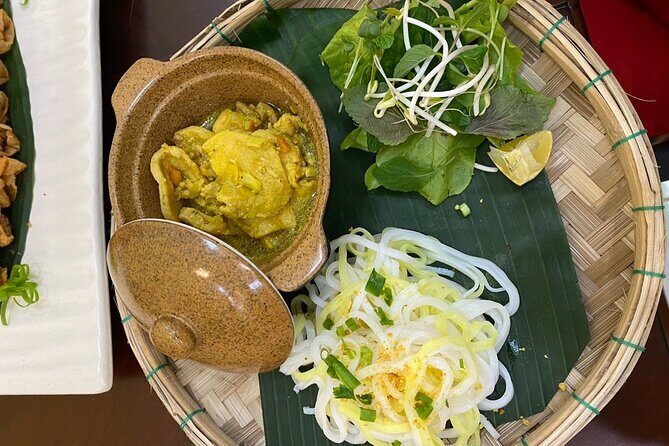
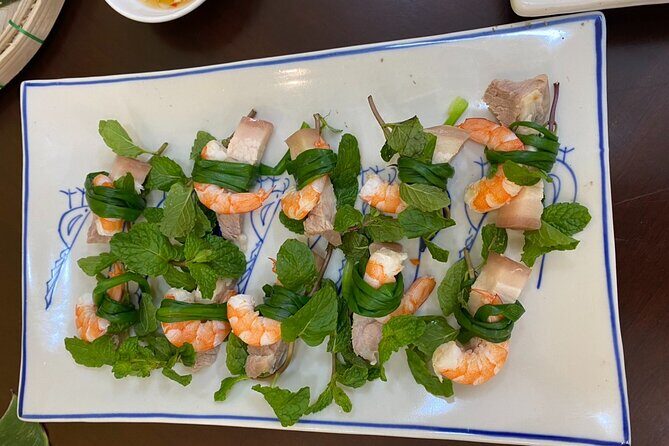
The tour is built around authentic Vietnamese dishes and local street-food flavors. You’ll taste several local items as part of the market walk, and then you’ll cook using the ingredients chosen with the chef.
Because the exact menu isn’t listed here, don’t expect a guaranteed dish lineup like you’d see on a restaurant menu. What you can expect is this: you’ll learn a set of Vietnamese preparations that reflect what’s available locally and what the chef considers essential.
If you’re a first-time visitor to Vietnamese cooking, this is a solid way to start. You get a foundation in ingredient selection and basic cooking steps without needing to be a serious home cook already.
If you’re an experienced cook, you might still enjoy it—just approach it like a technique and produce-education class. Ask about substitutions, freshness cues, and what changes when ingredients aren’t at peak quality.
Price and Value: Is $37 a Good Deal?
At $37 per person for about four hours, this is priced like a “serious experience, not a splurge.” The value comes from what’s included, not just the low sticker price.
You get:
- Free hotel/resort pickup and drop-off
- A market tour with ingredient guidance
- A Vietnamese cooking class
- Cold water, plus 1 beer and 1 soft drink
- Electric car transport
- Private tour setup for your group
If you were to price those pieces separately in Hoi An, you’d likely spend more than the tour cost quickly—especially once you factor in pickup and transportation. The class also gives you the practical benefit of learning how to select ingredients and why they matter, which is harder to replicate with a standard food stop.
One more value signal: it’s commonly booked about 18 days in advance. That usually means people find the format convenient and worthwhile for a short stay.
Comfort, Group Style, and Logistics That Affect Your Day
This is described as a private tour/activity, meaning only your group participates. That typically leads to better pacing and more time for questions. If you like interaction—asking what something is, how to choose it, or what to look for—you’ll benefit from the setup.
You’ll also receive a mobile ticket, which is useful because it removes one more thing to manage during travel. The experience is marked as near public transportation too, which is helpful if you’re arranging your own arrival in Hoi An.
One planning note: confirmation is received at booking time, and the experience requires good weather. So if you’re scheduling tightly around other tours, keep a little buffer in your itinerary.
Who This Cooking and Eating Tour Suits Best
This tour fits you if you want a guided way to learn Vietnamese food beyond eating. It’s especially good if you like hands-on activities and you enjoy food education—market selection, farming context, and cooking technique.
It’s also ideal if:
- You want a short, efficient experience (about four hours)
- You prefer pickup instead of navigating on your own
- You enjoy learning why ingredients matter, not just following steps
- You’re traveling with a small group and want private attention
Who might want to consider a different option? If you want a long, slow, multi-course food crawl, this might feel short. The point here is focus and variety in a compact time window. Think of it as a “learn and cook” day, not an all-afternoon wandering feast.
Final Call: Should You Book It?
I’d book this if your goal is to leave Hoi An with more than photos. The strongest reason is the flow: farm context → market selection → cooking → eating what you made. That structure helps the lessons stick.
Also consider it if you care about freshness and want to understand ingredient quality in a practical way. The chef-guided shopping and health-minded ingredient choices are exactly the kind of knowledge that travels well.
Just keep your schedule flexible for weather. If the day can’t run, the tour will be adjusted to another date or refunded, so you won’t feel stuck.
If your travel style is curious, practical, and you like to learn while tasting, this is one of the smoother ways to get real Vietnamese flavor in just a few hours.
FAQ
How long is the cooking class and eating tour?
The duration is about 4 hours.
How much does the tour cost?
It costs $37.00 per person.
Does the tour include pickup and drop-off?
Yes. Free pickup and drop-off are offered from your hotel, resort, or village in Hoi An.
Is transportation included?
Yes. You’ll use eco-friendly electric car transportation as part of the tour.
What activities are included?
You get a market tour, a Vietnamese cooking class, and time visiting Tra Que Vegetable Village.
What drinks are included?
You’ll receive cold water, 1 beer, and 1 soft drink.
Is there a mobile ticket?
Yes, the tour uses a mobile ticket.
Is this a private tour?
Yes. It’s private, so only your group participates.
What happens if the weather is bad?
If it’s canceled due to poor weather, you’ll be offered a different date or a full refund.
What is the cancellation policy?
You can cancel up to 24 hours in advance for a full refund. If you cancel less than 24 hours before the experience starts, the amount paid is not refunded.