REVIEW · HOI AN
Coffee Making and Banh Mi Class Hoi An
Book on Viator →Operated by HPT TRAVEL COMPANY LIMITED · Bookable on Viator
Two classic Vietnam tastes in one tidy class. You’ll learn Banh Mi from scratch and brew multiple Vietnamese coffee styles, including Egg Coffee, Salt Coffee, and Coconut Coffee—all in Hoi An. It’s a practical, hands-on way to understand how these street-food staples actually come together.
I like that you’re not just watching. You’ll get step-by-step guidance with fresh ingredients while you make the baguette side of banh mi, then enjoy your work. I also like the small group size (max 12 travelers), which usually means less waiting around and more time with the instructor.
One consideration: there’s no pickup or drop-off, so you’ll want to plan your own way to 16 Lưu Trọng Lư, Tân An, Hội An. If you’re staying far from there, factor in extra time.
In This Review
- Key things you’ll experience
- Why Pair Vietnamese Coffee With Banh Mi in Hoi An?
- What You’ll Make: Banh Mi Baguette From Scratch
- Coffee Workshop Highlights: Egg, Salt, and Coconut Coffee
- How the 2.5-Hour Class Flows (and Why the Timing Works)
- Meeting at 16 Lưu Trọng Lư: Getting There Without Stress
- Price and Value: Is $35 Worth It?
- Who This Class Fits Best (and Who Might Prefer Something Else)
- Tips for Getting the Most From Your Hands-On Session
- Should You Book This Coffee Making and Banh Mi Class in Hoi An?
- FAQ
- How long is the Coffee Making and Banh Mi class?
- Where is the meeting point?
- How much does it cost?
- What’s included in the class?
- Do I need to bring anything?
- Is pick-up or drop-off included?
- How big is the group?
- What coffee styles will I brew and taste?
- Will I learn to make the baguette from scratch?
- What is the cancellation policy?
Key things you’ll experience

- Banh Mi from scratch: learn to make the authentic Vietnamese baguette for your sandwich
- Multiple coffee styles to brew and taste: Egg Coffee, Salt Coffee, and Coconut Coffee
- Fresh ingredients + step-by-step guidance throughout the class
- Small-group feel with a maximum of 12 travelers
- Rosie-style energy: the host is noted as energetic and helps keep the class fun
Why Pair Vietnamese Coffee With Banh Mi in Hoi An?
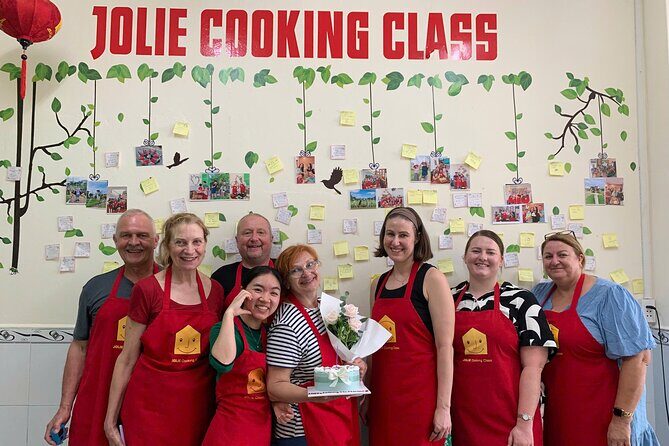
Hoi An is where food education can turn into something you actually remember. This class pairs two big targets—coffee making and banh mi—so you’re not just eating, you’re building. And because banh mi is known for a crispy baguette, savory fillings, and fresh herbs, the sandwich-making side gives you a clear goal as you work.
What makes this setup especially useful is that it hits two different skills. Coffee teaches patience and technique. Banh mi teaches timing, texture, and assembly. When you do them back-to-back, you get a fuller picture of Vietnamese street food rather than just one tasty product.
You can also read our reviews of more tours and experiences in Hoi An



What You’ll Make: Banh Mi Baguette From Scratch
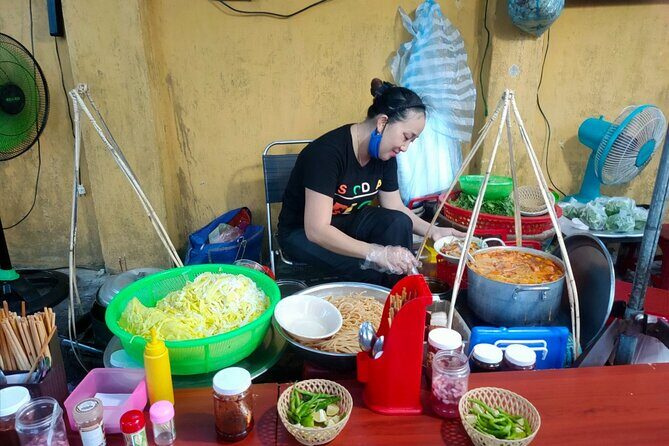
The banh mi part focuses on the foundation: the baguette. In other cooking classes, banh mi sometimes ends up being mostly about the filling. Here, the emphasis is on learning how to make an authentic Vietnamese baguette (from scratch) and then using fresh ingredients to bring the sandwich together.
Here’s why that matters for you. The baguette is where the whole experience starts—crisp exterior, satisfying structure, and a base that can handle fillings and herbs without turning soggy fast. When you make it yourself, you start to understand why Vietnamese sandwiches are such a big deal at street stands. You learn that it’s not only about flavor. It’s also texture and balance.
You’ll also get step-by-step guidance, which is ideal if you’re not a confident baker. The class isn’t asking you to guess your way through dough or formation. It’s designed around fresh ingredient work, with instruction along the way, so you can focus on doing it right instead of troubleshooting alone.
Coffee Workshop Highlights: Egg, Salt, and Coconut Coffee
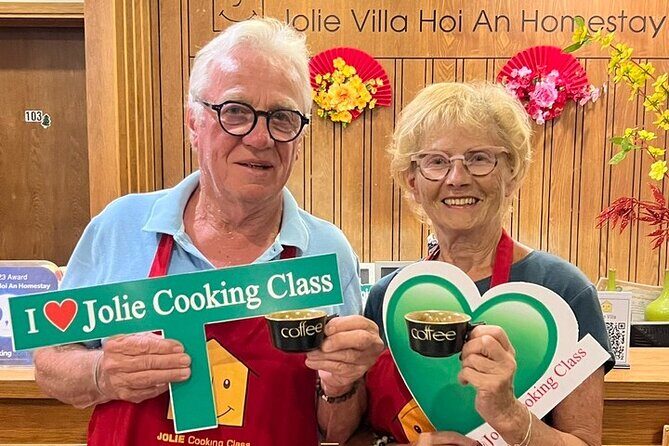
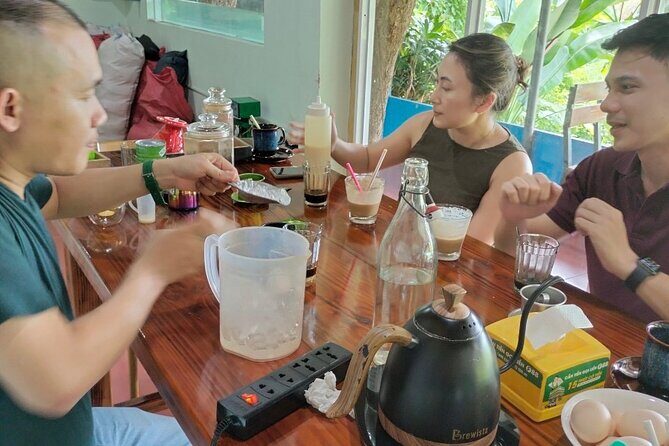
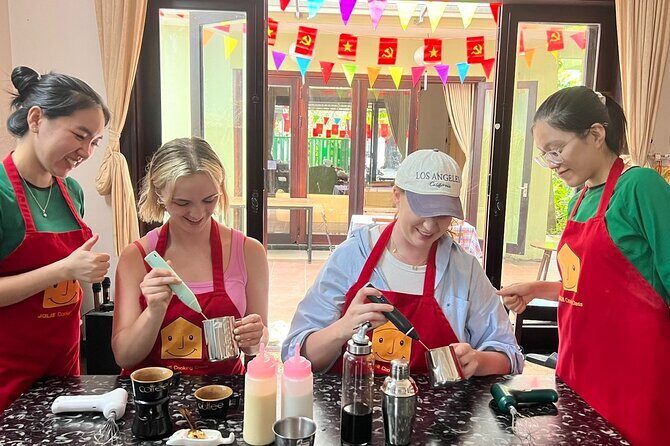
The coffee portion isn’t just a tasting. You’ll brew and taste multiple Vietnamese coffee styles, including Egg Coffee, Salt Coffee, and Coconut Coffee. That’s three distinct flavors to learn, not a single drink repeated three times.
Why I like this format for a first-time visitor: coffee culture is one of the easiest ways to get curious fast. You can ask better questions after you’ve actually made something. And since the class includes both coffee and/or tea, it’s flexible if you want to pace yourself.
Also, the tasting part is important. Brewing teaches technique, but tasting is where you connect technique to results. If one style tastes sweeter, richer, or more unusual than you expected, you’ll have a hands-on explanation for why—because you did the steps yourself.
One more practical point: this class is timed to fit into a short window (about 2 hours 30 minutes). That means you get multiple drinks without turning the day into an all-afternoon coffee marathon.
How the 2.5-Hour Class Flows (and Why the Timing Works)
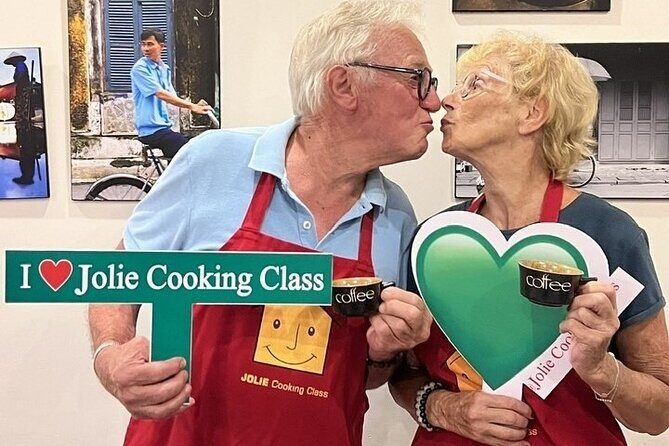
This experience runs about 2 hours 30 minutes. That’s long enough to learn, but short enough to stay flexible during a Hoi An visit. You’re not stuck committing an entire evening to food prep.
Based on what’s included, you can expect the session to split between two big blocks:
- A coffee-making segment where you brew and taste several Vietnamese coffee styles (Egg Coffee, Salt Coffee, Coconut Coffee)
- A banh mi-making segment where you learn the baguette process, using fresh ingredients and guidance, then eat what you make
That pacing is smart. It keeps your brain active—coffee work feels different from dough work—so you’re less likely to feel bored or fatigued. And because the class ends back at the meeting point, you can plan your next stop nearby without guessing how far away you’ll end up.
For me, the biggest win is that you leave with an actual skill plus an actual meal. You don’t just collect photos. You collect know-how.
Meeting at 16 Lưu Trọng Lư: Getting There Without Stress

The meeting point is 16 Lưu Trọng Lư, Tân An, Hội An, Quảng Nam, Vietnam. The activity starts there and ends back at the same spot.
Two practical details to keep in mind:
- There’s no pick-up and drop-off, so you’ll need your own transport.
- It’s listed as near public transportation, which can make last-mile logistics easier if you’re using local buses or walking a bit.
Because this is a short class, getting there on time matters. If you arrive late, you can miss key steps—especially when bread and coffee processes move on their own schedules.
If you’re staying somewhere central in Hoi An, walking or a quick ride is usually the easiest bet. If you’re outside the core areas, plan a little extra buffer so you don’t end up rushing through the start.
You can also read our reviews of more tours and experiences in Hoi An




Price and Value: Is $35 Worth It?
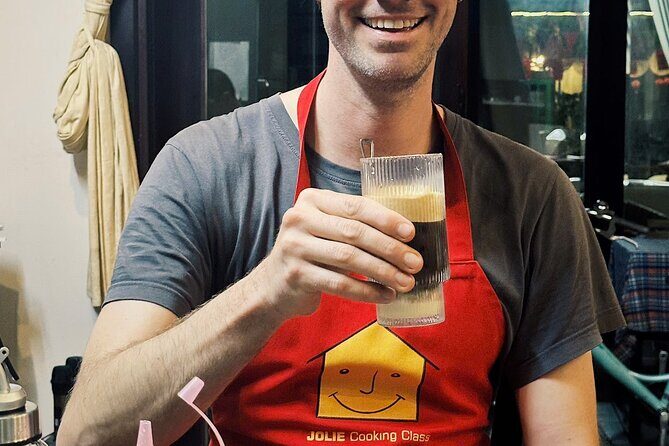
At $35 per person, this class sits in the range where you want clear value. Here, the value comes from three things the price is actually paying for:
- Hands-on banh mi baguette instruction (not just eating or assembling)
- Multiple coffee styles brewed and tasted (Egg Coffee, Salt Coffee, Coconut Coffee)
- Fresh ingredients plus step-by-step guidance in a maximum 12-person group
For food-focused travelers, the $35 price makes sense when you compare it to what you’d pay for a similar amount of guided learning plus the cost of ingredients and coffee. You’re essentially buying a structured, supervised cooking session that includes your drinks and your banh mi.
It’s also booked with decent lead time—on average about 5 days in advance—which suggests it’s popular enough that you shouldn’t wait until the last minute if your dates are set.
Could you do it cheaper on your own? Sure—you can eat banh mi and try coffee for less. But you won’t get the same skill-building experience: learning the process, getting guidance, and tasting the results side by side.
Who This Class Fits Best (and Who Might Prefer Something Else)
This is a great choice if you:
- Want an action-based food experience in Hoi An (make it, then eat it)
- Are specifically interested in banh mi and not just generic cooking
- Love coffee and want to try Egg Coffee, Salt Coffee, and Coconut Coffee through brewing, not just ordering
- Prefer a small group setting (max 12) over a big crowded tour
It may be less ideal if you:
- Need a service with pick-up/drop-off, since none is included
- Prefer to watch rather than cook—this class is built around hands-on participation
- Don’t drink coffee and aren’t interested in tea alternatives (coffee and/or tea is included, but the focus is still coffee-making)
If you’re traveling with kids or picky eaters, I’d consider how comfortable you are with hands-on food work and trying multiple coffee styles. The class includes coffee and/or tea, but the tasting/brewing portion is part of the core experience.
Tips for Getting the Most From Your Hands-On Session

A few small moves will help you enjoy it more and learn faster.
- Go hungry in a controlled way. You’ll eat your banh mi afterward, so don’t show up starving, but don’t arrive stuffed either.
- Pay attention during the coffee steps. Brewing affects flavor, so use the tasting part to connect what you did to what you liked.
- Take your time with the banh mi process. With fresh ingredients and step-by-step guidance, you’ll get better results when you slow down just enough to follow directions.
- Ask quick questions. If Rosie (noted as energetic and fun) is teaching with high energy, that’s the moment to ask the small things that clarify technique.
- Plan your route early. Since there’s no pick-up, your main risk is being late—not not knowing what happens.
Also, bring a curious mindset. This isn’t only about eating well. It’s about learning how Vietnamese coffee and banh mi work as systems: ingredients, technique, and taste together.
Should You Book This Coffee Making and Banh Mi Class in Hoi An?
Book it if you want a hands-on Hoi An food experience that’s narrowly focused and skill-building—banh mi baguette making plus real coffee brewing. The $35 price feels fair because you’re not paying for a show. You’re paying for guided instruction, fresh ingredients, and the chance to taste what you make.
Skip it (or consider alternatives) if logistics would stress you out. Since there’s no pick-up/drop-off, you’ll need to get to 16 Lưu Trọng Lư on time. Also, if you’re not interested in coffee styles like Egg Coffee, Salt Coffee, or Coconut Coffee, the class may feel off-theme.
FAQ
How long is the Coffee Making and Banh Mi class?
It runs about 2 hours 30 minutes.
Where is the meeting point?
The start point is 16 Lưu Trọng Lư, Tân An, Hội An, Quảng Nam, Vietnam.
How much does it cost?
The price is $35.00 per person.
What’s included in the class?
Coffee and/or tea are included, and you also get Banh Mi (Vietnamese baguette) as part of the experience.
Do I need to bring anything?
The tour data doesn’t specify what you need to bring, so follow any instructions you receive at booking.
Is pick-up or drop-off included?
No. Pick up & Drop off is not included.
How big is the group?
The class has a maximum of 12 travelers.
What coffee styles will I brew and taste?
You’ll brew and taste multiple Vietnamese coffee styles, including Egg Coffee, Salt Coffee, and Coconut Coffee.
Will I learn to make the baguette from scratch?
Yes. You’ll learn to make an authentic Vietnamese baguette (Banh Mi) from scratch with step-by-step guidance.
What is the cancellation policy?
You can cancel for a full refund if you cancel at least 24 hours in advance. If you cancel less than 24 hours before the start time, it’s not refunded.