REVIEW · HOI AN
Vegetarian Cooking Class with Local Family in Hoi An
Book on GetYourGuide →Operated by GJ Travel Viet Nam · Bookable on GetYourGuide
Spice and steam, in the middle of Hoi An. This vegetarian cooking class takes you to Cam Thanh Coconut Village to cook Vietnamese favorites in a local setting, then share the meal right after. You’ll follow an English-speaking chef with clear, step-by-step guidance, using good ingredients from start to finish.
I love how practical this is: you’re taught how to make each dish, not just watch. The second thing I really like is the payoff—after cooking tofu, papaya salad, spring rolls, and rice pancake, you sit down and eat what you made with everyone in the class.
One consideration: drinks are not included, so plan for that if you want something beyond water with your meal. Also, while the class runs about 3 hours, you’ll need to enjoy being hands-on for the whole stretch.
In This Review
- Key Highlights You’ll Care About
- Entering Cam Thanh Coconut Village for a Vegetarian Cooking Class
- The 3-Hour Plan: Pickup, Welcome Drink, Cooking, Then Lunch or Dinner
- Your Menu: Four Vegetarian Dishes That Teach Real Vietnamese Flavor
- Tofu in Clay Pot with Steamed Rice
- Papaya Salad with Papaya, Carrots, Basil
- Hoi An Spring Rolls
- Hoi An Rice Pancake
- What Makes This Class Feel Local (Not Just Themed)
- Price and Value: What $24 Really Covers
- Who This Vegetarian Cooking Class Is Best For
- A Few Practical Tips Before You Go
- Should You Book This Cooking Class?
- FAQ
- How long is the vegetarian cooking class?
- What dishes will I cook?
- Is the chef able to speak English?
- Where does the class take place?
- Is lunch or dinner included?
- Do I get hotel pickup and drop-off?
- Are drinks included?
- What is the price?
- Is there a child policy?
- Can I cancel for a full refund?
Key Highlights You’ll Care About
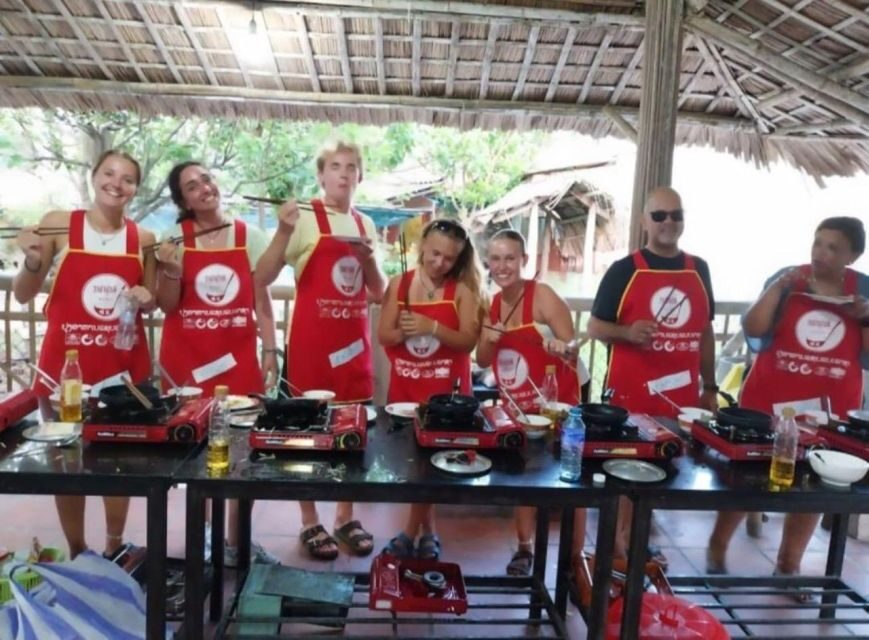
- Cook in a local home setting in Cam Thanh Coconut Village, not a showroom kitchen
- English-speaking chef with step-by-step instructions you can actually follow
- Four vegetarian Vietnamese dishes built around flavors you’ll recognize in Hoi An
- Eat right after cooking, so you can adjust your expectations while the food is still fresh
- Hotel pickup and drop-off in Hoi An city center so you lose less time to logistics
Entering Cam Thanh Coconut Village for a Vegetarian Cooking Class
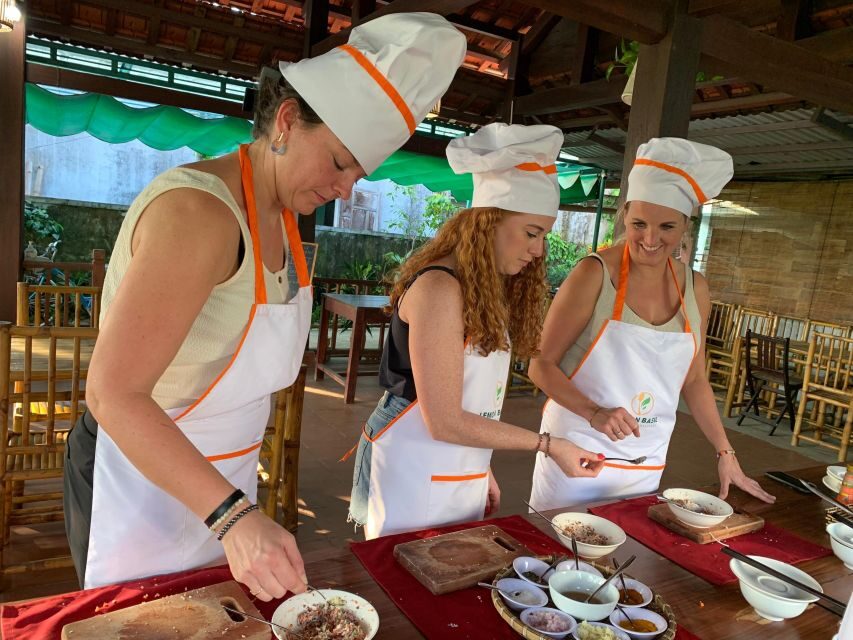
Hoi An has a way of pulling you in, then slowing you down just enough to taste what’s going on. This class starts with a transfer from your hotel area to the Cam Thanh Coconut Village region, where the mood shifts from street traffic to something calmer and more rural. That setting matters. It puts you in the same kind of world where Vietnamese families actually shop for ingredients and cook week-to-week, even when the menu is “tour friendly.”
And yes, it’s vegetarian. That’s not a gimmick here—it’s a smart way to learn Vietnamese cooking without getting overwhelmed by seafood or heavy meat techniques. You still get the core Vietnamese building blocks: herbs, fresh crunch, bright acidity, and sauces that make “simple ingredients” taste like a real meal.
I also like the structure. You don’t just get a lecture. You get instructions, then you work, then you taste. That rhythm is what turns a cooking class into a skill you can recreate later.
You can also read our reviews of more cooking classes in Hoi An
The 3-Hour Plan: Pickup, Welcome Drink, Cooking, Then Lunch or Dinner
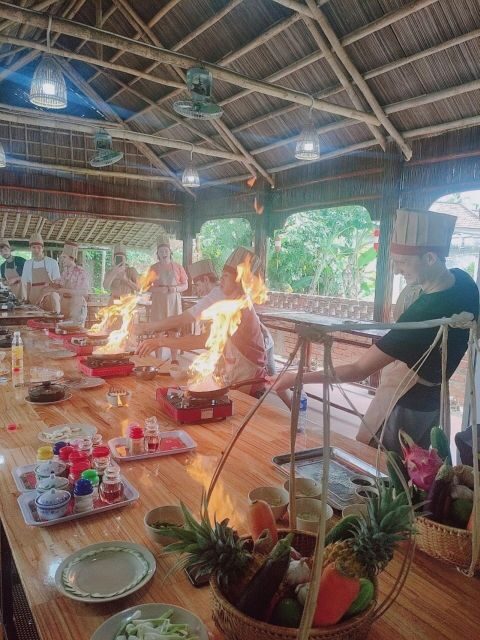
The timing is tidy: about 3 hours (270 minutes) from pickup to drop-off. It’s long enough to learn four dishes properly, but not so long that you’re tired by the time you sit down to eat.
Here’s the flow you can expect:
First, you’ll be picked up from your hotel area and transferred to the Cam Thanh Coconut Village area. Then you move to the cooking class location inside the village setting. This is where the “local” part becomes more than a marketing word—you’re not arriving just to step into a kitchen.
Next comes a welcome drink and some downtime at the restaurant. That pause is useful. Cooking classes move quickly, and a short rest helps your energy for chopping, mixing, and frying.
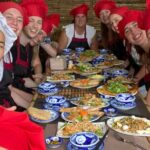
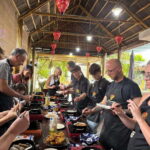
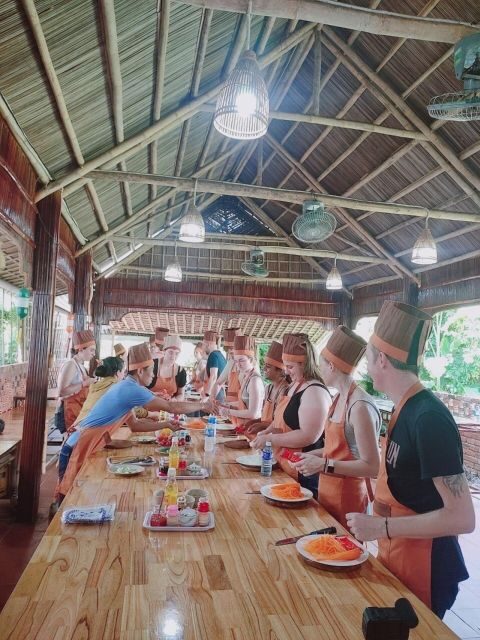
Then it’s into the class. Your chef teaches you how to make the four dishes, one step at a time. After everyone finishes, you share a meal of what you cooked and have a chat with the group as you sample each other’s food.
Finally, cooking ends and you’re returned to your hotel.
Two small practical notes:
- Since the class includes the meal (lunch or dinner depending on your slot), you can plan your day around it instead of hunting for food afterward.
- Drinks are not included, so if you’re the type who likes iced tea, juice, or a soft drink with lunch, budget a little.
Your Menu: Four Vegetarian Dishes That Teach Real Vietnamese Flavor
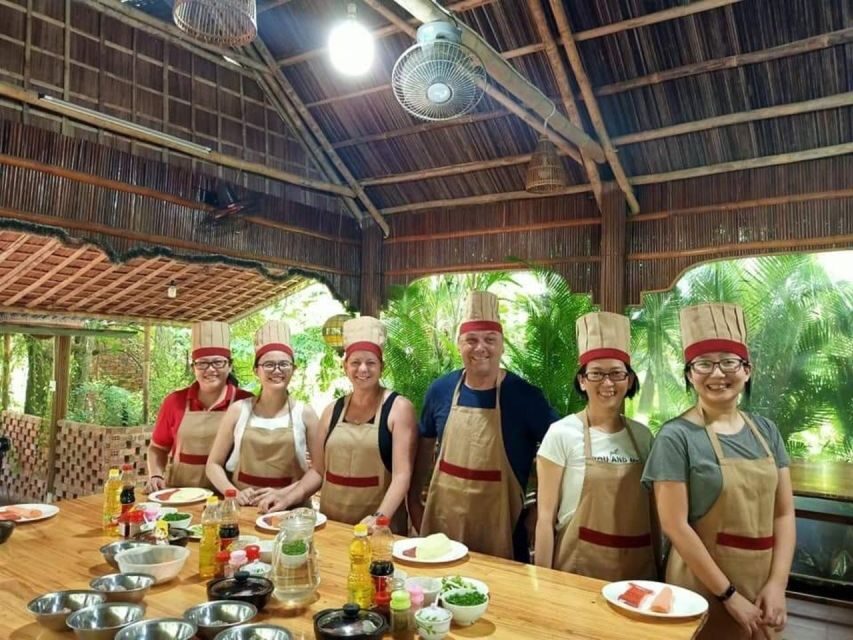
The menu is focused. Instead of lots of random bites, you’ll learn four dishes that cover different textures and techniques in Vietnamese cooking.
Tofu in Clay Pot with Steamed Rice
Tofu in a clay pot is a great anchor dish because it teaches how Vietnamese cooks build comfort flavor. The “clay pot” angle matters: it helps with even cooking and that satisfying, gentle heat that keeps tofu from turning flat or watery.
For you at home, this is the dish with the best replay value. Clay pots aren’t mandatory, but learning the sauce and timing is. Once you understand what “good tofu in sauce” should taste like, you can adapt it using a regular pot.
Papaya Salad with Papaya, Carrots, Basil
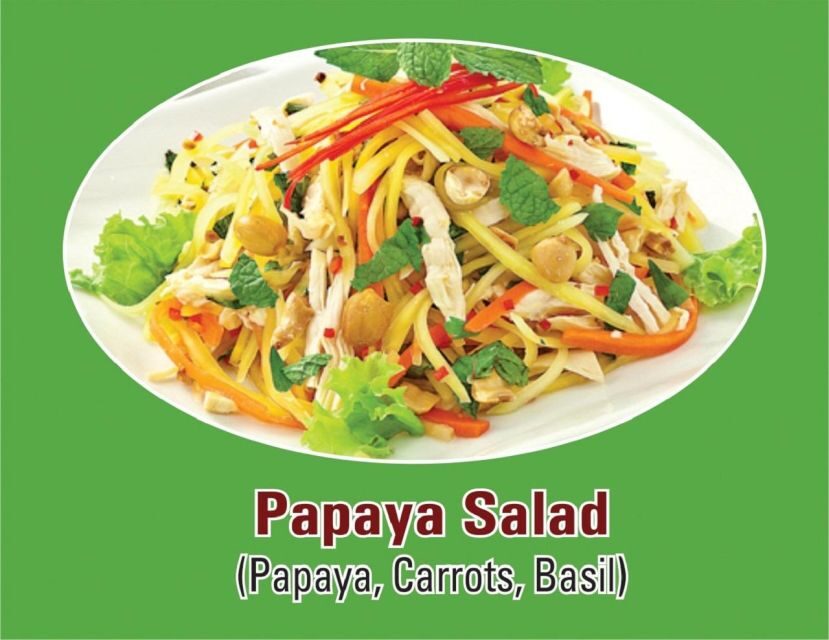
Papaya salad is where Vietnamese cooking shows its personality. You get crunch from papaya and carrots, then freshness from basil. The balance is usually the trick—bright, tangy, and herb-forward without being overly heavy.
This is also the dish I’d recommend if you’re trying to learn the logic behind Vietnamese flavors. When you can nail the balance of sweet, sour, and seasoning in a salad, you start seeing that same balance in other dishes.
You can also read our reviews of more tours and experiences in Hoi An


Hoi An Spring Rolls
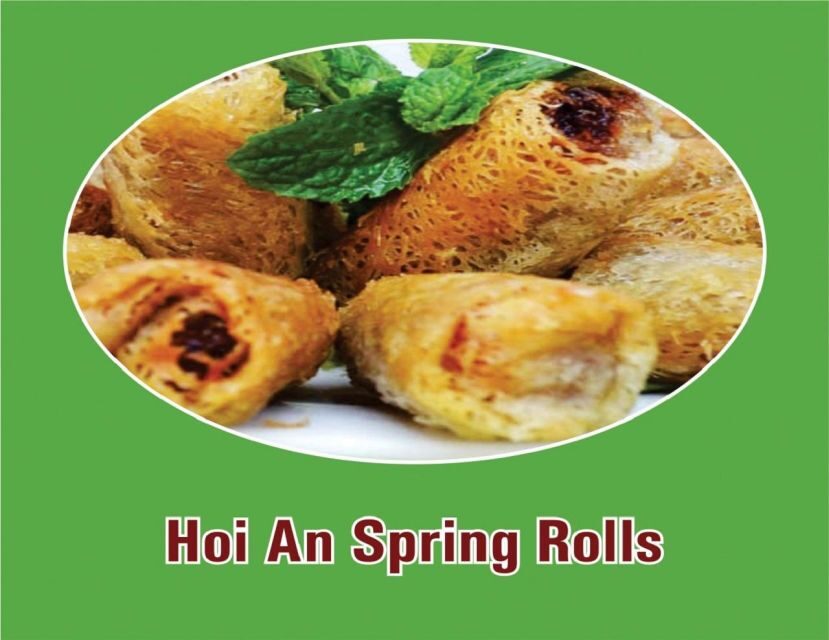
Spring rolls can be deceptively simple. The skill is in getting the filling right—texture, seasoning, and how everything holds together. With a vegetarian version, you also learn how Vietnamese cooks use vegetables and plant-based ingredients so the roll doesn’t feel like a compromise.
If you want to impress friends later, spring rolls are a good one. They look like work, but the class setup makes it manageable because you’re following step-by-step coaching while you assemble.
Hoi An Rice Pancake
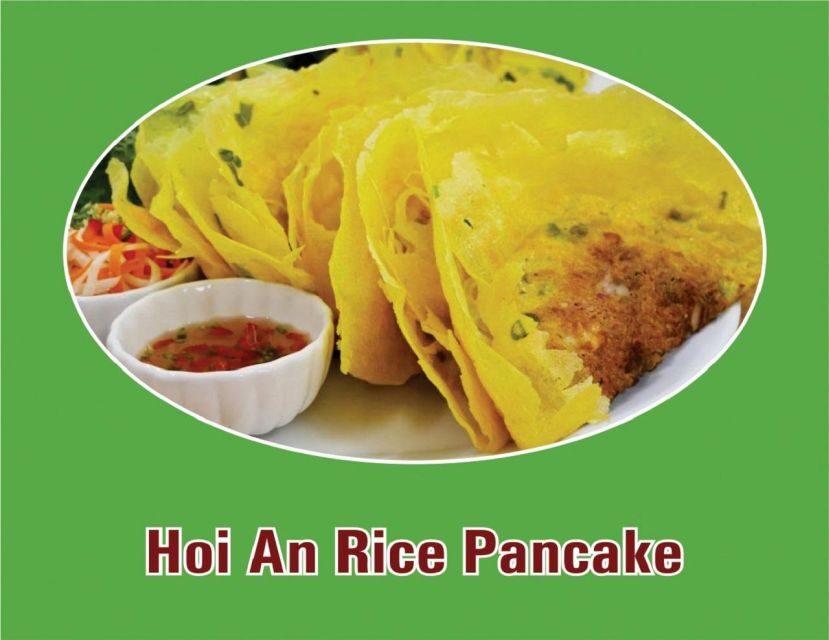
The rice pancake is the most “Vietnamese-street-food” feeling dish on the list. Rice-based pancakes usually mean you’ll learn about batter consistency and how heat affects the final texture.
This dish also helps you practice a different kind of cooking control than tofu or salads. If you like the idea of cooking that has a bit of visual feedback while it cooks, you’ll probably enjoy this one.
What Makes This Class Feel Local (Not Just Themed)
The biggest thing I like here is the setting: the experience is built around cooking in a local family style environment, with local people. That changes the tone. You’re not just in a classroom. You’re part of a meal-making process.
Also, the class includes time to chat after cooking. That social part matters because you’ll often learn more from small comparisons than from instruction alone—like how someone else adjusts a sauce or how they think the salad should taste. And when you taste everyone’s work, you start recognizing what “correct” means in real life.
Another practical advantage: the chef is English-speaking, and the teaching is described as detailed and step-by-step. That matters if you’ve never cooked Vietnamese food before. Vietnamese recipes can feel mysterious when you’re missing the seasoning logic. Here, the goal is that you can replicate the dishes when you’re back home.
If you want to take your learning further, do this:
- Watch how the chef handles timing for each dish, not just the ingredient list.
- Taste as you go when you have the chance, because that’s how you learn the balance.
- Take mental notes on textures—how tofu should feel, how salad should crunch, how spring rolls hold.
Price and Value: What $24 Really Covers
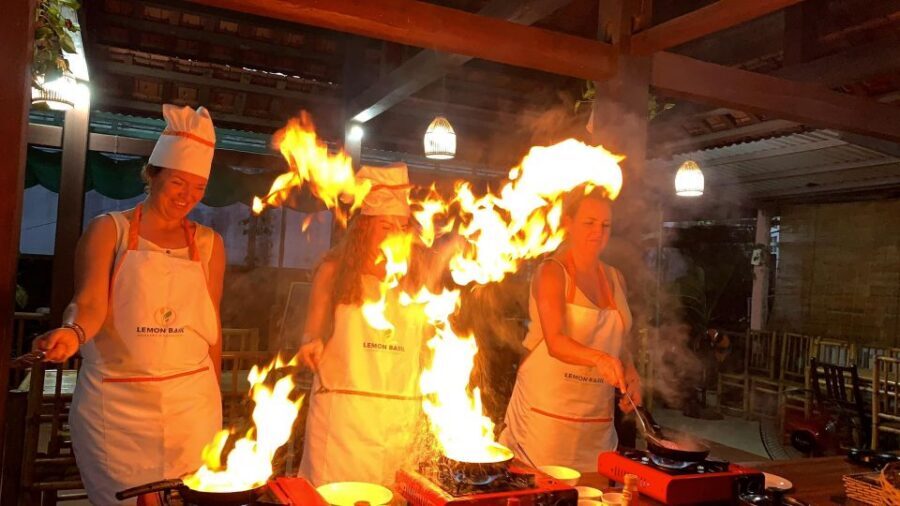
At $24 per person, this is priced like a true “experience plus meal,” not a short demo. The big value anchors are the included items:
- Hotel pickup and drop-off in Hoi An city center
- An English-speaking chef
- All ingredients needed for the cooking class
- A meal included as either lunch (morning slot) or dinner (afternoon slot)
So your money goes toward labor (the chef), ingredients, and time saved (transport). You also get something intangible that matters in cooking classes: the chance to take home practical methods rather than just memories.
What’s not included is also clear: drinks and any personal expenses. That’s normal for Vietnam tours, but it’s still worth planning so you aren’t surprised when the meal ends and you realize the bill doesn’t include beverages.
For me, the price makes sense if you’re:
- Curious about Vietnamese cooking but want it explained in a way you can follow
- Hoping to learn techniques, not just eat a nice vegetarian lunch
- Staying in Hoi An long enough to fit a 3-hour activity without rushing
Who This Vegetarian Cooking Class Is Best For
This class works especially well for:
- Couples and friends who want a shared activity where you both cook and then eat together
- Food lovers who like hands-on learning and want recipes they can repeat at home
- Vegetarian travelers who want a Vietnam cooking experience that still focuses on authentic flavors
If you’re new to cooking, you’ll likely appreciate the structured, step-by-step approach. If you’re already a competent cook, you may enjoy how Vietnamese techniques change what “vegetarian food” can taste like.
One more detail to consider for families: children under 3 years old are free of charge, and they will not join the cooking. They share all service with their parents. That means you’re not paying extra for very young kids, but they won’t be doing the cooking part.
A Few Practical Tips Before You Go
Even without a lot of extra details listed, you can prepare smartly for what’s clearly a hands-on session.
Wear comfortable clothes you don’t mind getting a little messy. Vietnamese cooking often involves chopping, mixing, and handling ingredients that can stain if you’re careless.
Bring curiosity. The menu is vegetarian, but Vietnamese food is still intense in flavor—so be ready for sour, herb freshness, and savory seasoning. If you taste slowly and pay attention, you’ll learn more than if you treat it like a quick meal.
And if you want to recreate the dishes at home, focus on the recipe rhythm: what goes in first, when the seasoning is adjusted, and how the chef guides you through each stage.
Should You Book This Cooking Class?
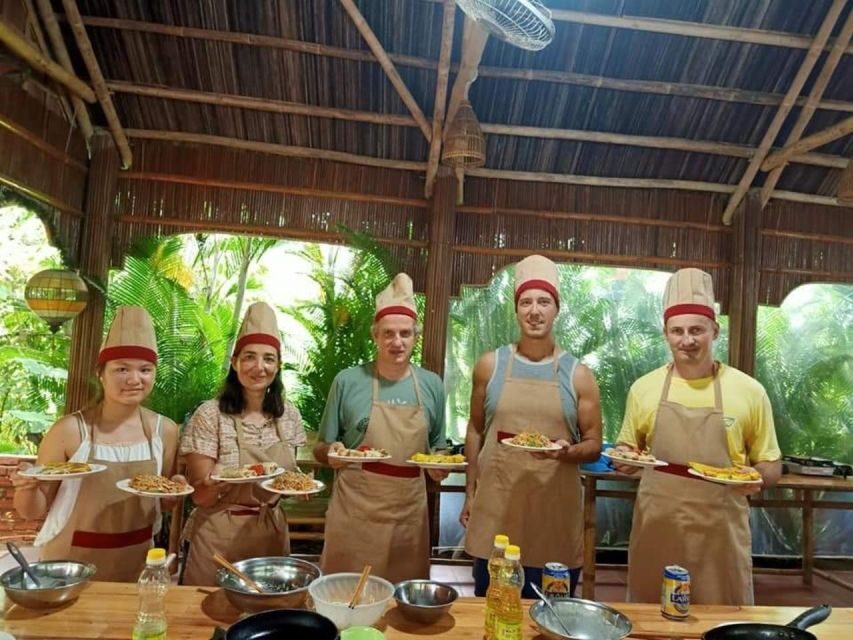
If you want a fun way to learn Vietnamese cooking that ends with a meal you cooked yourself, this is a strong choice. The combination of a local setting in Cam Thanh Coconut Village, a clear English-speaking chef, and four vegetarian dishes with a chance to eat immediately after makes it the kind of experience that’s both enjoyable today and useful later.
Skip it only if you hate hands-on activities or you’re looking for a purely observational food tour. Otherwise, for $24 with pickup, ingredients, and lunch or dinner included, it’s good value—and it’s one of the simplest ways to bring Hoi An flavors home with you.
FAQ
How long is the vegetarian cooking class?
The experience runs for about 3 hours, listed as 270 minutes.
What dishes will I cook?
You’ll learn to cook four dishes: Tofu in clay pot with steam rice, Papaya Salad (papaya, carrots, basil), Hoi An Spring Rolls, and Hoi An Rice Pancake.
Is the chef able to speak English?
Yes. The chef is English-speaking.
Where does the class take place?
You’ll be picked up and transferred to the Cam Thanh Coconut Village area, where the cooking class takes place.
Is lunch or dinner included?
Yes. A meal is included: lunch for the morning slot and dinner for the afternoon slot.
Do I get hotel pickup and drop-off?
Yes. Hotel pickup and drop-off in Hoi An city center are included.
Are drinks included?
No. Drinks are not included.
What is the price?
The price is $24 per person.
Is there a child policy?
Children under 3 years old are free of charge, will not join in the cooking, and will share all service with their parents.
Can I cancel for a full refund?
Yes. Free cancellation is available up to 24 hours in advance for a full refund.