REVIEW · HOI AN
Vietnamese Coffee Making Class in Hoi An
Book on GetYourGuide →Operated by hoang thien travel · Bookable on GetYourGuide
A coffee class in Hoi An beats a museum. In downtown Hoi An, this experience turns professionally roasted beans into Vietnamese favorites like coconut coffee and egg coffee, with you doing the work. I also liked the hand-on pacing, so you aren’t just watching. One thing to consider: if you pick multiple coffees in one session, the drinks can feel intense fast.
You’ll get a close look at Vietnam’s coffee process, including the slow-drip Phin filter method and how roast level changes what you taste. The vibe is small and friendly, and the instructor teaches in English. If you want lots of theory beyond the how-to, you might want to ask extra questions while you’re there.
This class runs about 1 hour to 90 minutes and costs $16. You’ll meet at Trí Long Coffee on 88 Phan Chau Trinh street, then make and drink the coffee you helped create. Hotel pickup is not included, so plan to arrive on your own.
In This Review
- Key things to know before you go
- Downtown Hoi An meets Vietnamese coffee craft in 90 minutes
- Meeting Trí Long Coffee: quick directions and what to look for
- How the roasted-bean demo changes what you taste
- Vietnamese Phin filter coffee: the slow-drip flavor lesson
- Egg coffee and the creamy Hanoi-style approach
- Coconut coffee: tropical flavor with a coffee base
- Hue Imperial salt coffee: why a pinch of salt can help
- Hands-on brewing: tools, ingredients, and real-time learning
- English instruction and small-group pacing that stays friendly
- Value for $16: what you get and what you don’t
- Who should book this Vietnamese coffee class?
- Should you book the Vietnamese Coffee Making Class in Hoi An?
- FAQ
- How much does the Vietnamese coffee making class cost?
- How long is the class?
- Where do I meet for the class?
- What coffee types can I learn to make?
- Is the instructor English-speaking?
- Is food included in the price?
- What’s included in the class besides coffee?
- Do I get hotel pickup and drop-off?
- Is there free cancellation and can I pay later?
Key things to know before you go
- Choose your coffee style. You can pick from egg coffee, Vietnamese Phin filter coffee, coconut coffee, or salt coffee.
- Roast level matters. You’ll see how roasting moves from raw beans to the flavors in your cup.
- Small group, max 10 people. It stays hands-on and easier to ask questions.
- English-speaking instructor. Explanations and step-by-step guidance are in English.
- Plan your caffeine load. Multiple drinks in a short time can be heavy, so consider pacing your choices.
Downtown Hoi An meets Vietnamese coffee craft in 90 minutes
Hoi An is great for walking. But on rainy hours (or just when you want something that feels local), this coffee class is a smart swap. Instead of roaming another alley, you get a structured, practical experience tied directly to how Vietnamese coffee is made and served.
What I liked most is that you’re not just tasting. You’re handling the tools and making coffee yourself, which makes the flavors stick in your brain. I also like that the class covers more than one style. You can focus on one signature drink or combine 2–3 sessions to get a bigger sense of how roasting and brewing change the outcome.
The main “watch-out” is simple: intensity. If you choose egg coffee plus another creamy option, you may end up with a lot of richness in a short window. If you’re the type who prefers smaller pours, plan your selection accordingly.
You can also read our reviews of more tours and experiences in Hoi An



Meeting Trí Long Coffee: quick directions and what to look for
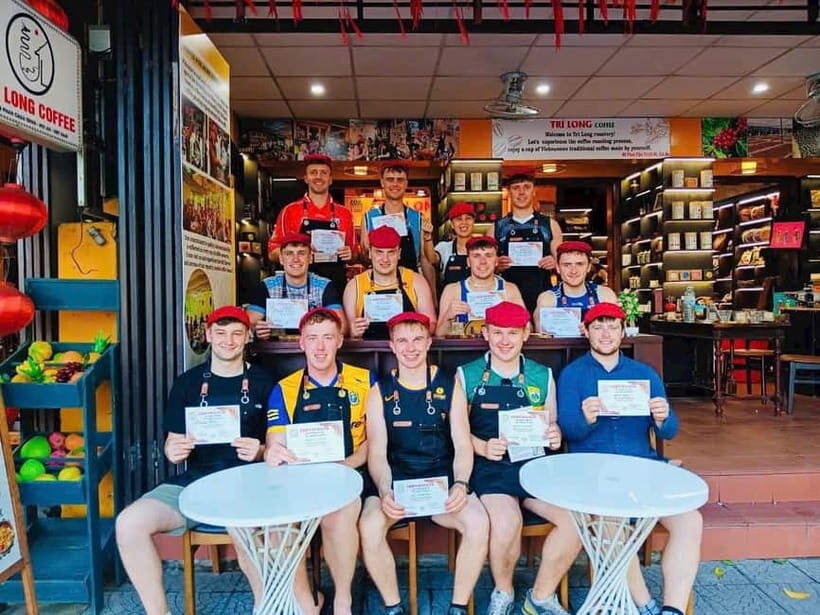
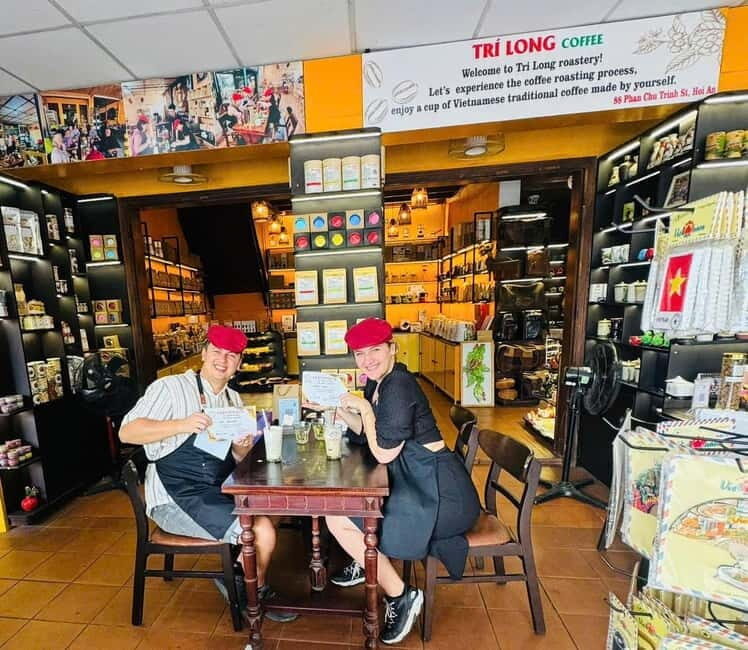
The meeting point is Trí Long Coffee, 88 Phan Chau Trinh street in Hoi An. You’ll want to arrive a few minutes early so you can check in without rushing.
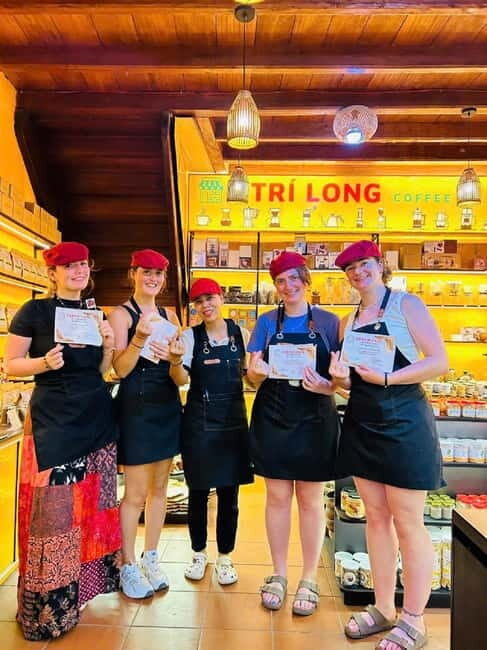
Here’s what makes it easy: look for a guide standing outside the coffee shop wearing a red hat. That’s your cue that you’re in the right spot.
Because hotel pickup and drop-off aren’t included, you’ll be relying on your own transport (usually walking or a short ride). In practice, that’s not a dealbreaker. Hoi An’s center is walkable for many stays, and this location is in downtown—so you can fit it into your day without rearranging everything.
How the roasted-bean demo changes what you taste
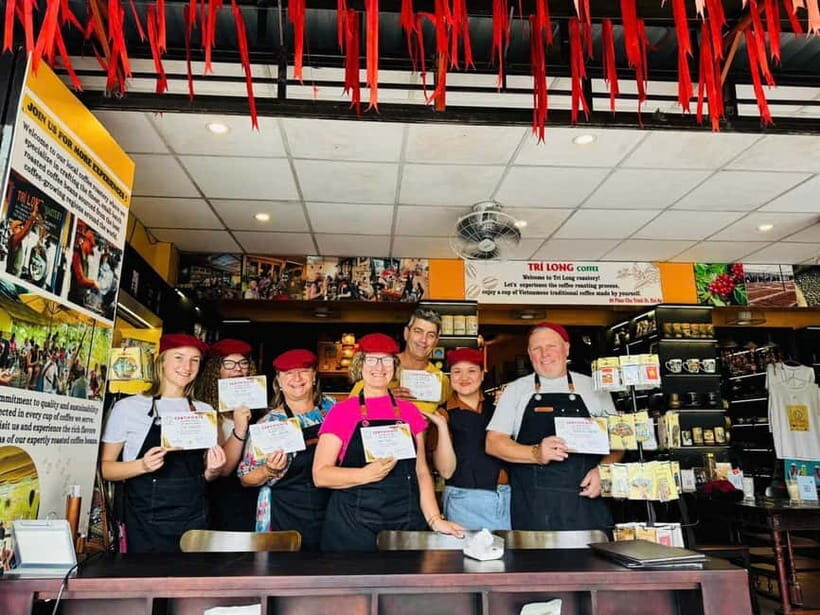
The class starts with a roasted coffee demonstration. This part matters because it explains why Vietnamese coffee can taste bold and distinct even when the brewing style changes.
You’ll learn the journey from raw beans to aromatic coffee and how roast levels influence flavor in your cup. Even if you’re not a “coffee person,” this is useful. It gives you a way to interpret what you’re tasting instead of guessing.
The biggest value here is that you leave with a mental map. You’ll taste and connect it to roast stages, and then that knowledge carries into the rest of the class—especially when you switch between styles like Phin filter coffee, coconut coffee, egg coffee, and salt coffee.
A small caution: the roasting demo is part of an 1–1.5 hour experience. If you’re the type who wants deep roasting theory, be ready to ask follow-up questions during the hands-on portion.
Vietnamese Phin filter coffee: the slow-drip flavor lesson
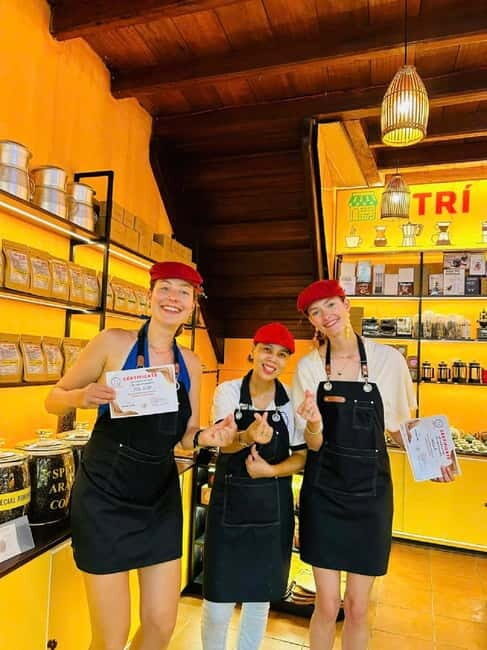
Next up is the Vietnamese Phin filter coffee session. This is one of the most iconic brewing methods in Vietnam, and the class shows you why it’s popular: the coffee drips slowly, which creates a bold, robust brew.
During this part, you’ll see the Phin filter and understand the slow-dripping process. You also learn about the flavor balance that makes this style recognizable—how it lands between bitterness and sweetness.
For me, this is where the class becomes practical. Slow drip brewing changes how you experience coffee. So when you taste after it’s made, you can clearly connect method to flavor.
If you have only one coffee you want to learn, this is often a strong choice because it’s both traditional and very drinkable. Just remember you may still want to pick a specialty afterward if you’re curious about the more unusual Vietnamese coffee flavors.
Egg coffee and the creamy Hanoi-style approach
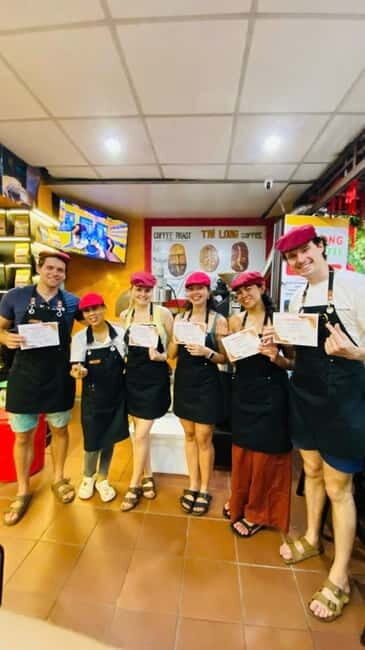
If you choose the egg coffee session, you’ll work with one of Vietnam’s most famous specialty drinks. The class covers the Hanoi-style method: egg yolks are whipped with condensed milk and sugar, then combined with coffee for a smooth, creamy result.
You’re learning more than a recipe. You’re learning why texture matters in coffee. Egg coffee doesn’t taste like a standard black brew—it’s built to be rich and velvety, with sweetness and a thicker mouthfeel.
I like that the class treats this as a technique, not just a novelty. You watch and make the components, then assemble the final drink so you understand how all parts work together.
One thing to keep in mind: egg coffee is a lot in one glass. If your goal is to stay light and clear-headed, consider pairing it with a less heavy option (like Phin filter coffee or salt coffee) rather than doing multiple creamy styles back to back.
You can also read our reviews of more tours and experiences in Hoi An


Coconut coffee: tropical flavor with a coffee base
Coconut coffee is the session for you if you want something more aromatic and tropical. The class explains how coconut is infused into coffee to add nutty sweetness.
This isn’t just about flavor. It’s also about balance. You’ll taste how coconut sweetness changes the way coffee bitterness comes across, so you can learn what “pairing” coffee flavors actually feels like on your tongue.
Coconut coffee also tends to be a crowd-pleaser. It’s the kind of drink that feels like a break without stepping away from Vietnamese coffee culture.
If you’re visiting in warmer weather or you’re tired of heavy desserts, coconut coffee often hits the sweet spot: flavorful, not purely sugary, and tied to a local specialty approach.
Hue Imperial salt coffee: why a pinch of salt can help
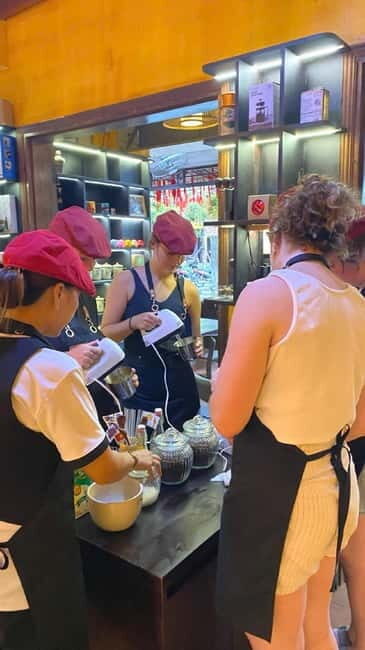
Salt coffee sounds strange until you understand the purpose. In the Hue Imperial salt coffee session, you learn how adding a pinch of salt enhances coffee’s natural flavors and helps reduce bitterness.
This is a great session if you like food science in a practical way. It’s not about complicated equipment. It’s about how small changes can shift perception. The class guides you through the technique and then you taste the difference.
I think this is one of the most interesting parts of the class because it forces you to pay attention. You can’t just sip blindly. You notice how the flavor changes when salt is added, and that teaches you something you’ll remember long after the class ends.
If you’re sensitive to bitterness, salt coffee may be one of your best choices. If you love bold coffee flavors, it’s still worth trying because the salt doesn’t erase coffee—it adjusts it.
Hands-on brewing: tools, ingredients, and real-time learning
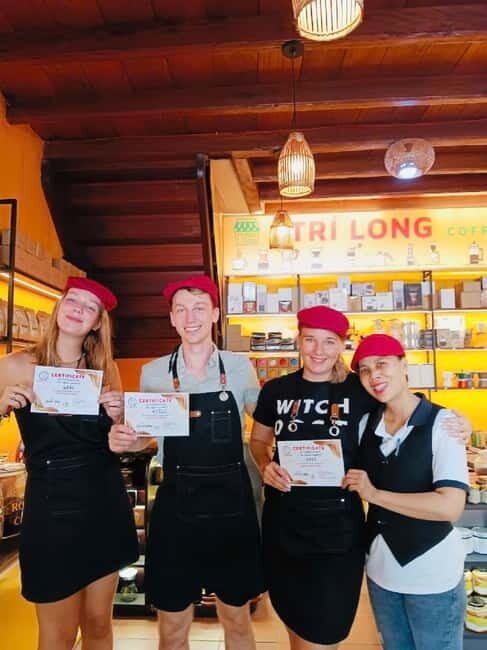
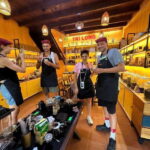
The included items make this class feel complete. You get ingredients and tools, plus water. Most importantly, you get a cup of coffee made by yourself.
The process is designed for a small group limited to 10 participants. That number matters. It helps the instructor manage hands-on steps without you feeling lost or waiting too long.
The length varies—about 1 hour to 90 minutes—depending on how many sessions you choose. You can select 2 or 3 different sessions to experience different flavors and roasting techniques.
One practical note: if you pick multiple coffees, it’s smart to go in with a plan. You’re tasting more than once, and some versions are naturally richer than black or Phin-filter coffee. If you want variety without overdoing it, consider choosing one heavier specialty (egg or coconut) and one method-based drink (Phin filter or salt).
Also, don’t be shy about asking questions mid-class. The experience is structured, but you’re there to learn and make.
English instruction and small-group pacing that stays friendly
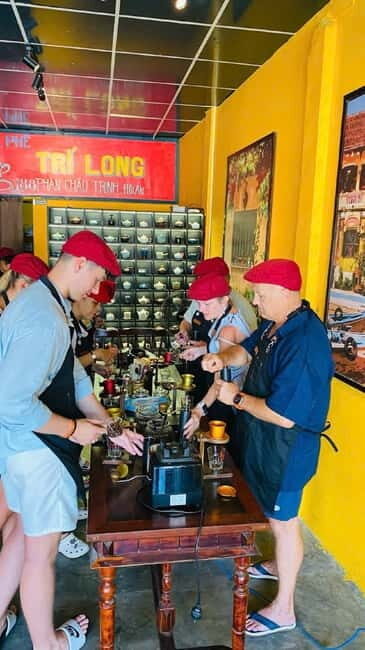
This is an English-taught class with an English-speaking instructor. That’s more than convenience. It makes the techniques easier to follow, especially when you’re assembling the drink components yourself.
The instructor also provides the course content while you’re actively doing the work. So learning doesn’t feel like a slideshow. It feels like steps you can repeat later in your life, even if you don’t recreate everything at home.
Based on past experiences, the staff tend to be friendly and competent, and the class can be a fun way to pass a slower afternoon. If you’re coming solo, that’s another plus: you’re not stuck in a silent room. You’ll be around a small group with a guided workflow.
If you’re the type who wants more background on coffee beyond what’s directly used in the class, you might want to ask for extra explanation as you go. One person previously wished for more background knowledge, which is a good reminder to communicate what you want from the session.
Value for $16: what you get and what you don’t
At $16 per person for 1 to 1.5 hours, this class is priced like an activity, not a full dining experience. That’s good, because you’re paying for instruction plus ingredients and tools, and you also get coffee you make yourself.
What’s included:
- A cup of coffee made by yourself
- Coffee making course
- Water
- English-speaking instructor
- Ingredients and tools
What’s not included:
- Hotel pickup and drop-off
- Food
- Other expenses not mentioned
So here’s the value math. If you’re in central Hoi An and want a hands-on cultural food activity that’s not a long commitment, $16 is a reasonable use of time. Just plan to eat separately if you need a full meal. The class gives you coffee, not a full food plan.
Also, check your expectations: you’re doing coffee specialty preparation and tasting, not spending the time in a restaurant. If you want a sit-down meal with coffee, you’ll need to pair this with another stop.
Who should book this Vietnamese coffee class?
This is a strong choice if you:
- Want a hands-on food activity in Hoi An
- Like learning how flavors are built, not just trying them
- Prefer small groups over big tours
- Are curious about Vietnamese coffee specialties like egg coffee, coconut coffee, or salt coffee
- Want an English-guided experience
It’s also a great option if you’re traveling on a rainy day and need something indoor that still feels local and specific.
If you’re only into plain black coffee and you hate sweet, creamy drinks, you may want to pick Phin filter coffee or salt coffee as your main focus. You can choose your coffee type ahead of time, which helps you tailor the experience to your tastes.
Should you book the Vietnamese Coffee Making Class in Hoi An?
I’d book it if you want a practical, local workshop that fits into a morning or afternoon and teaches you something you can actually use. The best reason is that you get to make the coffee, not just watch it. You also get multiple Vietnamese styles to choose from, including Phin filter coffee, egg coffee, coconut coffee, and salt coffee.
Skip it or tailor your choices if you get overwhelmed by very rich drinks. Picking 2–3 sessions can be fun, but it also means several servings in a short time. If you’re sensitive to heavy sweetness, choose one specialty and one more balanced method-based option.
If you love food culture and you like learning by doing, this class is a very good use of time in Hoi An.
FAQ
How much does the Vietnamese coffee making class cost?
It costs $16 per person.
How long is the class?
The duration is typically 1 hour to 90 minutes, depending on which session types you choose.
Where do I meet for the class?
Meet at Trí Long coffee, 88 Phan Chau Trinh street, Hoi An. Look for a guide standing outside the coffee shop wearing a red hat.
What coffee types can I learn to make?
You can choose from egg coffee, Vietnamese Phin filter coffee, coconut coffee, or salt coffee.
Is the instructor English-speaking?
Yes. The class is taught by an English-speaking instructor.
Is food included in the price?
No. Food is not included.
What’s included in the class besides coffee?
The course includes ingredients and tools, water, and a cup of coffee made by yourself.
Do I get hotel pickup and drop-off?
No, hotel pickup and drop-off are not included.
Is there free cancellation and can I pay later?
Free cancellation is available up to 24 hours in advance for a full refund. You can also reserve and pay later.