REVIEW · HOI AN
Farming with the Local Famers
Book on Viator →Operated by Tra Que Water Wheel · Bookable on Viator
Hands-on farming beats watching from the sidelines. In and around Tra Que Herb Village, you get welcome drinks, a real guided look at how this place works, and then the fun part: hands-on work that turns seaweed into plant food. I like that the day mixes garden time with water time and animals, so you’re not stuck in one spot with the same view.
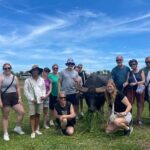
The experience stays relaxed thanks to a small group size (max 15), and the guides named in recent trips like Spring, Xuan, Trang, and Kun seem to keep things friendly and patient. One consideration: it’s farm activity, so plan for sun, dust, and moments that can get a little messy, and the tour requires good weather.
In This Review
- Key highlights at a glance
- Farming With Local Farmers: Tra Que in Hoi An, Not a Theme Park
- First Stop: The Tra Que Water Wheel and the Irrigation Mindset
- Welcome Drinks to Vegetable Village: What You’ll Actually Do
- Ponds, Fish, and Fertilizer Flow: Understanding the Riparian Ecosystem
- Buffalo Ride and Bamboo Basket Boat: Local Movement at a Slower Pace
- Head-Shoulder-Foot Massage Before Lunch: Recovery Time, Local Style
- Price and Timing: Is $40 Fair for 3 Hours?
- Guides Make the Difference: Spring, Xuan, Trang, and Kun
- Who Should Book This Tour (and Who Might Skip It)
- Comfort Tips That Actually Help on the Farm
- Weather Matters: When the Tour Changes Plans
- Should You Book Farming With the Local Famers?
- FAQ
- How long is the farming experience in Tra Que?
- What does the price include?
- Is pickup offered?
- How many people are in the group?
- What’s included besides farming?
- What happens if the weather is bad?
Key highlights at a glance
- Seaweed-to-fertilizer farming: you see how local people turn plant life and riparian resources into healthier vegetable beds
- Farms, ponds, and gardens outside Hoi An: a full view of the ecosystem, not just a quick photo stop
- Buffalo ride and bamboo basket boat: slow local transport that feels very different from city tours
- Head-shoulder-foot massage before lunch: you’ll likely need it after walking and participating
- Lunch included: you don’t have to plan food, and it follows the rhythm of the farm day
Farming With Local Farmers: Tra Que in Hoi An, Not a Theme Park
Tra Que is one of those places that makes you understand food at a deeper level. You’re outside Hoi An in the herb and vegetable zone, where the work is very physical and the routines are tied to water, soil, and seasonal crops. The tour format does a good job of slowing you down: a guided intro, farm walking, hands-on tasks, time on the water, and then a full sit-down meal.
I especially like that the day doesn’t pretend farming is glamorous. You’ll hear and see practical details, like using seaweed as fertilizer and working the land in a way that supports steady growth. And because the group stays small, it’s easier to ask questions and keep things moving at a human pace.
You can also read our reviews of more tours and experiences in Hoi An


First Stop: The Tra Que Water Wheel and the Irrigation Mindset
The route starts at the Tra Que Water Wheel, which is more than a scenic prop. It’s your quick crash course in why irrigation matters here. Farming around water isn’t abstract in Tra Que; it’s the core system that helps keep ponds, fields, and vegetable gardens connected.
If you’re the type who likes to know how things work, this stop is worth your attention. Even a short visit to the water wheel frames the rest of the tour: you start seeing the ponds not as decoration, but as part of a functioning environment.
Welcome Drinks to Vegetable Village: What You’ll Actually Do
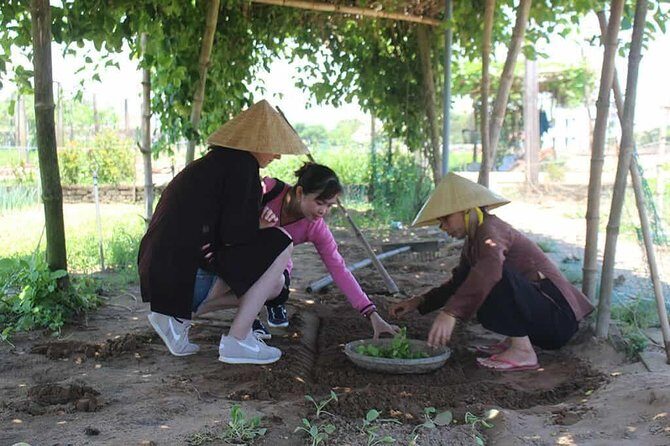
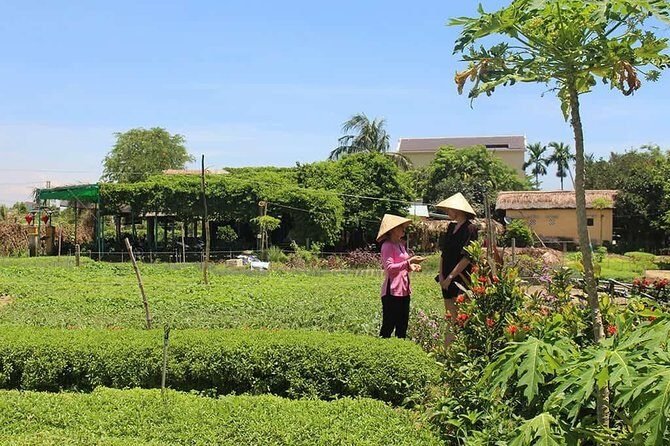
After the start, you typically get a welcome drink and then a guided walk through the vegetable village area. The history angle matters because it explains how Tra Que grew into a farming community tied to its local water system, not something imported or built for tourists.
Then comes the hands-on part. You’ll join in tasks like:
- using seaweed for fertilizer
- digging and helping with bed preparation
- making and shaping planting beds (you might hear the local terms for the work)
- transplanting vegetables
- watering the plants as part of the routine
This is where the tour delivers real value. You’re not just standing near a garden while someone else works. You get to feel what the farmers mean by rhythm and routine: soil preparation, careful planting, and water management that keeps the crops steady. And because you’re with a guide, the work connects back to how herbs and vegetables get grown around Hoi An.
One small drawback: if you dislike close-up agricultural work, this part may feel like more participation than you expected. If you’re happy to try, you’ll learn more in those 3 hours than you would from a long lecture.
Ponds, Fish, and Fertilizer Flow: Understanding the Riparian Ecosystem
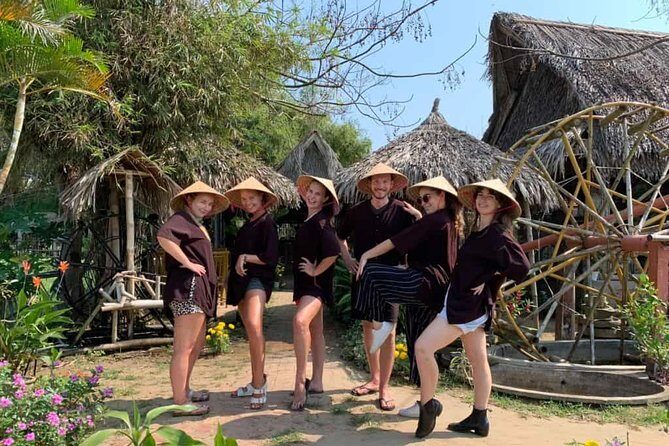
Tra Que is built on a water-and-plant relationship. The tour guides introduce the riparian ecosystem used by local farmers, where ponds and fields share a kind of loop: plant matter and seaweed help support fertilizer, and ponds connect the system through fish and the daily rhythm of farm life.
You may also see elements like:
- ponds used as part of the ecosystem
- fish kept in the pond areas
- buffalo, chickens, and ducks as part of the farm environment
What I like about this section is that it turns the word farming into something practical. You stop thinking of farms as single-purpose land and start seeing it as a working network. And that makes your later lunch taste different in a good way—you’re eating food tied to real work and real cycles.
Buffalo Ride and Bamboo Basket Boat: Local Movement at a Slower Pace
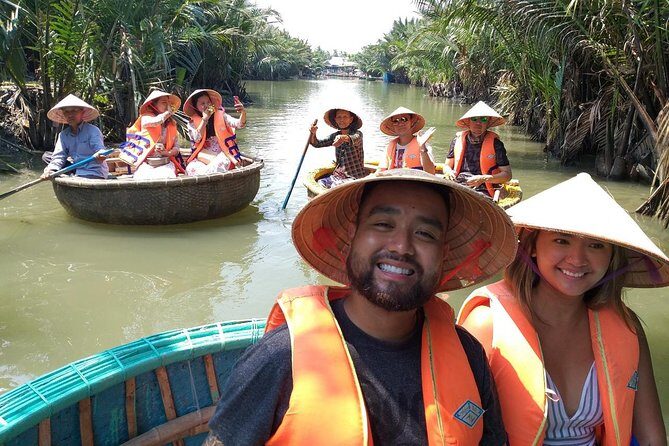
Next you shift from the beds to the waterways. The tour includes a buffalo ride and then a ride on a bamboo boat (often described as a bamboo basket boat). These are the moments that tend to feel most memorable because they change your perspective. You’re not just walking from one spot to another; you’re moving through the farm world the way locals do.
The buffalo ride is usually the first animal moment people talk about. It’s also a moment where you get a little humility, because it’s clearly farm life, not a staged animal show. If you’re unsure about animal rides in general, you can still enjoy the rest of the tour, but you may want to approach this part with realistic expectations.
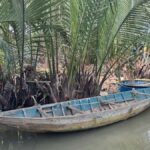
The bamboo boat portion brings a calmer pace. You’ll feel closer to the water and the pond edges as you glide through the area. This is a good time to notice what you couldn’t see from land: how ponds sit alongside gardens and how water management shapes the entire farm layout.


Head-Shoulder-Foot Massage Before Lunch: Recovery Time, Local Style
After walking, planting, and riding, your body asks for a break. That’s where the head-shoulder-foot massage comes in. It’s not just a nice extra; it’s smart sequencing. The tour builds activity first, then gives you a simple reset before you eat.
Massage also makes sense in a place where you just worked with your hands and legs. Even if you’re in decent shape, farm tasks involve repetitive motion and uneven footing. The tour’s structure gives you a chance to relax before the meal.
And then lunch arrives. It’s included, so you don’t have to guess what to eat or where to find it later. In some departures, the meal can also include cooking-style participation tied to local flavors, and people have described cooking local dishes during their visit. Either way, you’re eating something that fits the rhythm of the day: the farm first, the table afterward.
Price and Timing: Is $40 Fair for 3 Hours?
At $40 per person for about 3 hours, this tour can feel like good value if you add up what’s included. You’re getting:
- guided time in a working farming village
- hands-on farming participation
- water rides and buffalo ride time
- a massage session
- lunch
- hassle-free round-trip transportation from Hoi An
- a max group size of 15
That’s a lot packed into a short window, but the order helps it feel like a day, not a checklist. Also, you’re not paying extra to figure out logistics like where to buy food or how to get to the outskirts.
The only time the price might feel less attractive is if you want a long, slow countryside wander or you’re not interested in participating at all. This is best for people who like doing more than watching.
Guides Make the Difference: Spring, Xuan, Trang, and Kun
The tour experience often rises or falls on the guide. In the feedback tied to this experience, names come up again and again: Spring, Xuan, Trang, and Kun. The common thread is patient teaching. People highlight that the guides explain what you’re doing and why, not just what to do next.
That matters because farming tasks can be new even if you’ve traveled a lot. When your guide teaches you how to handle seaweed fertilizer steps or how planting beds are prepared, the tour becomes more than activity—it becomes understanding.
Who Should Book This Tour (and Who Might Skip It)
This is a strong fit if you want:
- a hands-on cultural activity that’s tied to real local work
- a break from Hoi An’s more crowded sightseeing rhythm
- animals and water rides that are part of everyday farming life
- a family-friendly style of instruction (multiple trip notes mention kids doing well)
You might consider a different option if:
- you don’t want to participate in farm tasks
- you’re not comfortable with muddy ground or sun exposure
- you get easily overwhelmed by hands-on activities during a short time window
Even if you’re not a farm person, the mix of gardens, ponds, buffalo, bamboo boating, massage, and lunch gives you enough variety to keep it interesting.
Comfort Tips That Actually Help on the Farm
The tour is outdoors and involved, so show up prepared. Here’s what tends to make the experience easier:
- wear shoes you don’t mind getting dusty or wet
- bring water, and use sunscreen if you get sunburn easily
- pack a small towel or a change of clothes if you’re sensitive to sweat
- consider light long sleeves for sun protection during gardening work
If you want great photos, treat the water sections like your best moments. They’re calmer and give you a different view than the garden walkways.
Weather Matters: When the Tour Changes Plans
This experience requires good weather. If conditions aren’t suitable, you’ll be offered a different date or a full refund. That matters in Central Vietnam because a rainstorm can affect ground conditions and water-based rides. If your schedule is flexible, you’ll be happier. If your schedule is tight, book early so you have room to shift dates if needed.
Should You Book Farming With the Local Famers?
Book it if you want an authentic, active taste of rural life outside Hoi An—one where you do real tasks like helping prepare vegetable beds and using seaweed fertilizer. The combination of hands-on farming, buffalo and bamboo boat time, plus a massage and lunch is exactly the kind of value that makes a short tour feel worth your time.
Skip it only if you mainly want passive sightseeing, because the point here is participation. If that sounds like your style, this is one of the best ways to understand how food actually grows in Vietnam.
FAQ
How long is the farming experience in Tra Que?
The tour lasts about 3 hours.
What does the price include?
Lunch is included, and the tour offers hassle-free round-trip transportation from Hoi An.
Is pickup offered?
Yes, pickup is offered.
How many people are in the group?
This experience has a maximum of 15 travelers.
What’s included besides farming?
The tour includes a buffalo ride, a bamboo boat/basket boat ride, and a head-shoulder-foot massage before lunch.
What happens if the weather is bad?
The experience requires good weather. If it’s canceled due to poor weather, you’ll be offered a different date or a full refund.