REVIEW · HOI AN
Hoi An: Silk Process, Lantern Making Workshop & Local Food
Book on GetYourGuide →Operated by Viet Nam Happy Travel · Bookable on GetYourGuide
Silk and lanterns in Hoi An feel like one story. This 150-minute workshop takes you from mulberry gardens and silkworm rooms to hands-on weaving and lantern stages, with a meal at the end. I like that it doesn’t just show crafts behind glass; it explains how the materials are made and how to spot true silk versus cheaper lookalikes.
One thing to consider: it is not designed for wheelchair users or mobility impairments, and there is no hotel pickup or drop-off.
If you want a souvenir you actually made, the lantern-making part is the payoff. You create a lantern you keep, then cool down with Hoi An local food that includes Cao Lau and fried spring rolls.
In This Review
- Why This Hoi An Silk and Lantern Workshop Feels Like Real Craft
- What Happens Before You Even Start: Welcome Drink and Quang Nam Craft Stories
- Mulberry Gardens and Silkworm Feeding: Where the Process Actually Begins
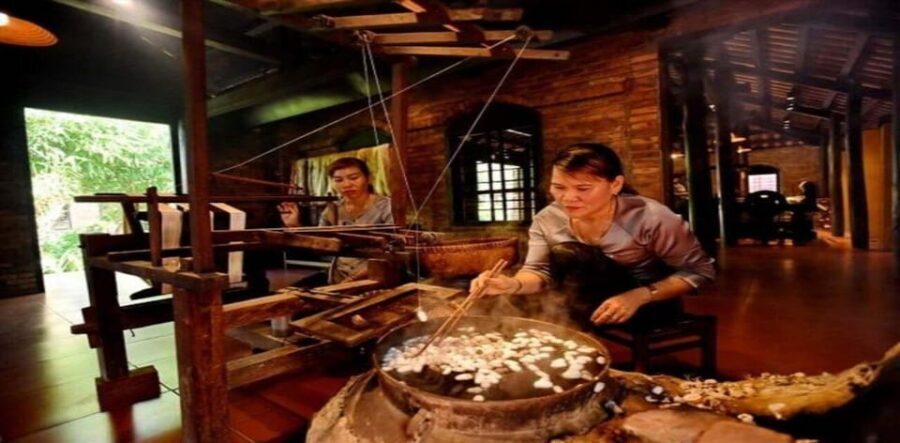
- The Unraveling House: Turning Cocoon Into Silk Thread
- How to Spot Pure Silk vs Fake Silk Without Getting Ripped Off
- Champ People Textiles and Traditional Weaving: Craft Made Visible
- Lantern Making Workshop: Your Take-Home Hoi An Keepsake
- Lunch in Hoi An Style: Cao Lau Plus Fried Spring Rolls
- Price and Time Value: What $22 Buys You in Real Terms
- Meeting Point and Getting There Without Stress
- A Quick Word on the Guide and English Clarity
- Who This Workshop Is Best For
- Should You Book This Hoi An Silk Process and Lantern Workshop?
- FAQ
- Where is the meeting point for this tour?
- How long is the experience?
- What does the tour cost?
- What is included in the price?
- Is hotel pickup or drop-off included?
- Can I keep the lantern I make?
- What about food allergies or dietary needs?
- Is the tour suitable for wheelchair users?
- Are there any extra costs on Vietnamese public holidays?
- Is the tour language English?
Why This Hoi An Silk and Lantern Workshop Feels Like Real Craft
Hoi An is famous for lanterns. What surprises most people is that lanterns and silk tie into the same idea: heritage you can touch. This experience starts at the Hoi An Silk Village, where the focus is traditional sericulture and textile craft that’s been kept alive in the region.
The silk side isn’t generic. The village preserves the handmade silk-weaving method from the Champa – Dai Viet era and explains how the silk supply chain actually works, from mulberry to cocoon to thread. Then the lantern part brings it full circle by walking you through lantern history, plus shape and color choices you’ll use while making your own.
I also love that the tour is built around learning for real-world use. You get a chance to understand how pure silk differs from fake silk, which matters if you plan to shop for clothing or tailoring in Hoi An.
One more plus: the tour time is tight and practical. At about 150 minutes, you’re not stuck “touring” all afternoon. You leave with a clear sense of how things are made, plus a tangible keepsake.
What Happens Before You Even Start: Welcome Drink and Quang Nam Craft Stories
You meet at Hoi An Silk Village on 28 Nguyen Tat Thanh street. The first minutes are simple: a welcome drink, then you head into the traditional house area in Quang Nam.
This part is less about hands-on work and more about context. You listen to the story of craft sericulture and learn how local life connects to the textile trade. If you like understanding the why behind the craft, this early setup helps you pay attention later when you see cocoons, thread, and weaving.
There’s also a nice pacing trick here. Rather than jumping straight to lanterns, you build your understanding step by step so the lantern workshop later feels like it belongs in the bigger picture of Hoi An craftsmanship.
You can also read our reviews of more food & drink experiences in Hoi An



Mulberry Gardens and Silkworm Feeding: Where the Process Actually Begins
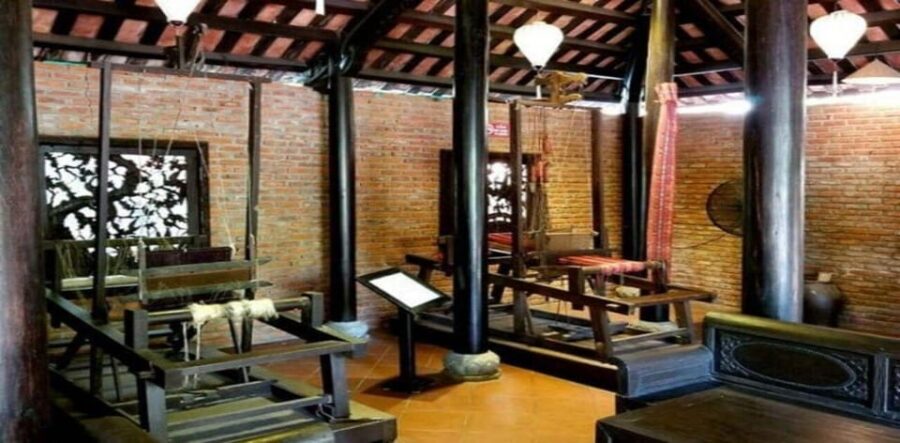
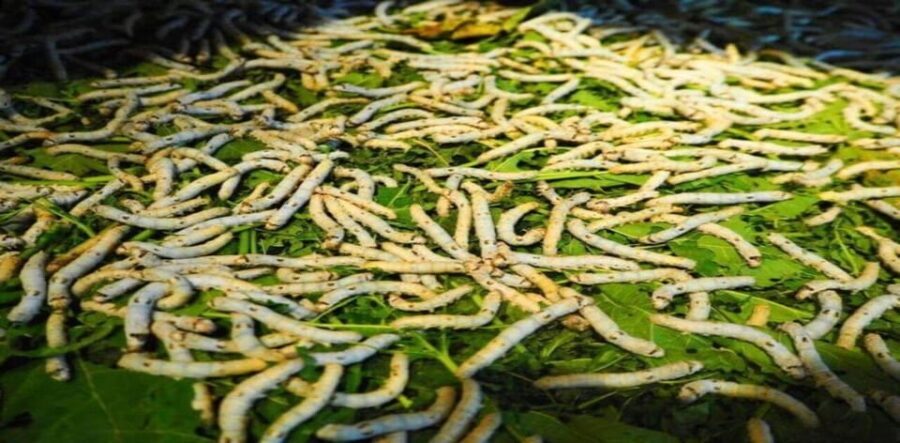
Next comes one of the most memorable stops: the ancient mulberry gardens and the silkworm-breeding house. This is where you learn the practical side of sericulture—how mulberry relates to the silkworms, and how feeding is part of keeping the lifecycle on track.
You also learn traditional methods for cultivating and removing silkworm cocoons. That matters because you’re not just learning a craft for show. You’re learning a workflow that has to happen in the real world, with timing and careful handling.
If you’re the kind of person who asks questions in museums, this is a good fit. You can usually follow the logic better when the tour points out what each step depends on.
One practical note: this portion tends to be more active and outside-friendly. Wear something you can move in comfortably, since you’ll be walking through garden and craft areas.
The Unraveling House: Turning Cocoon Into Silk Thread
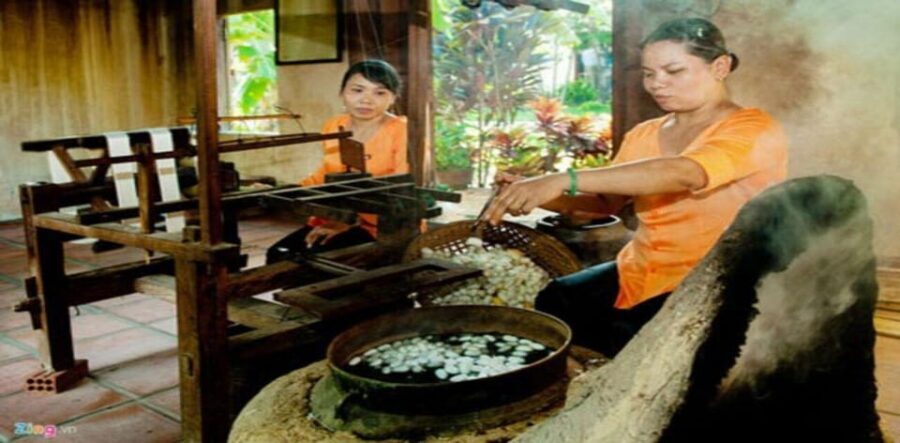
After silkworms, the tour moves to the part that sounds magical but is explained in a straightforward way: how to get silk thread from the cocoon so it can be woven into fabric.
This is often the moment your brain clicks from product to process. You see that silk fabric isn’t pulled out of thin air. It’s made through real steps, with the cocoon serving as the source material.
If you plan to buy silk later, this is also when you start connecting quality to how the material is handled. Even if you don’t remember every detail, you’ll be more alert to what people mean when they say silk comes from a cocoon.
It’s also a good checkpoint for your expectations. If you came for lanterns only, this section will likely surprise you—in a good way. It’s the difference between seeing an end result and understanding the mechanics.
How to Spot Pure Silk vs Fake Silk Without Getting Ripped Off
The Hoi An Silk Village exhibition is built for one practical goal: helping you distinguish pure silk from fake or lookalike fabrics.
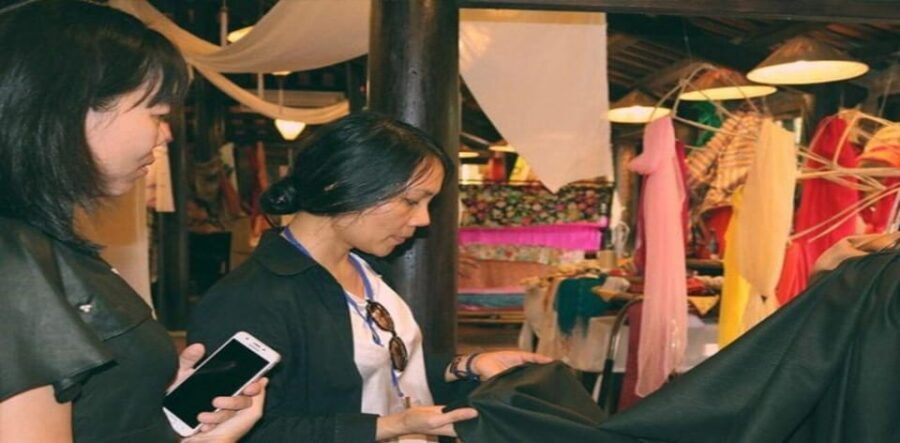
This matters because Hoi An has plenty of shopping opportunities, and silk products are everywhere. When you understand the basic differences, you don’t have to guess when you’re comparing scarves, clothing, and fabric options.
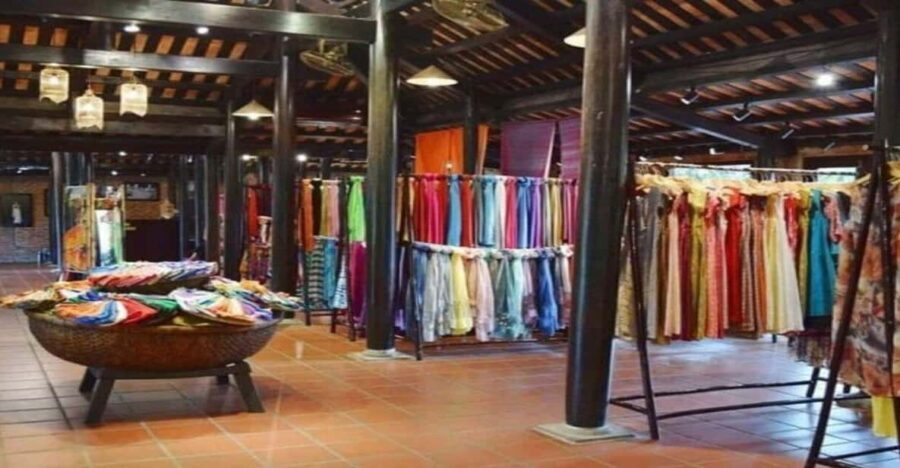
The tour also gives you time to look around. The variety of silk products and displays supports tailoring or shopping decisions later, so it’s not just a lecture. You can connect what you learned to what’s hanging on the shelves.
Tip: if you’re shopping for something specific, decide what matters most to you. Do you care about softness, shine, weight, or a specific color? When you can explain your priorities, it becomes easier to ask good questions and evaluate what’s in front of you.
Champ People Textiles and Traditional Weaving: Craft Made Visible
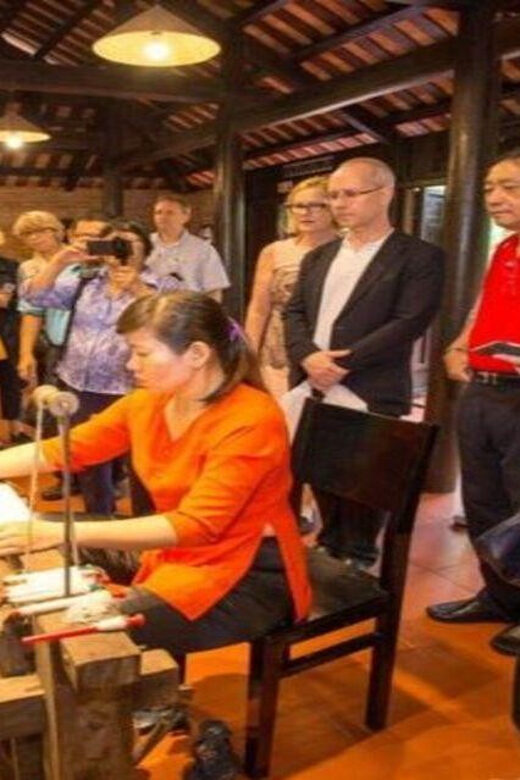
One of the more cultural stops is the weaving house area, where you discover handicrafts linked to the Champ people and how traditional textiles are made.
This is where you see craft as a living skill, not just a cultural artifact behind a rope. You get a sense of continuity too—how older methods were preserved and carried forward through the weaving tradition in the Hoi An area.
Even if you never plan to weave at home, watching the method from a guided perspective helps you notice details. You start seeing why certain fabrics have different textures and how finishing choices can change the feel of the final product.
From a “value” standpoint, this is important. The tour isn’t only teaching a sales pitch about silk. It’s showing you craft steps and cultural connections, which makes the whole experience feel more grounded.
You can also read our reviews of more tours and experiences in Hoi An






Lantern Making Workshop: Your Take-Home Hoi An Keepsake
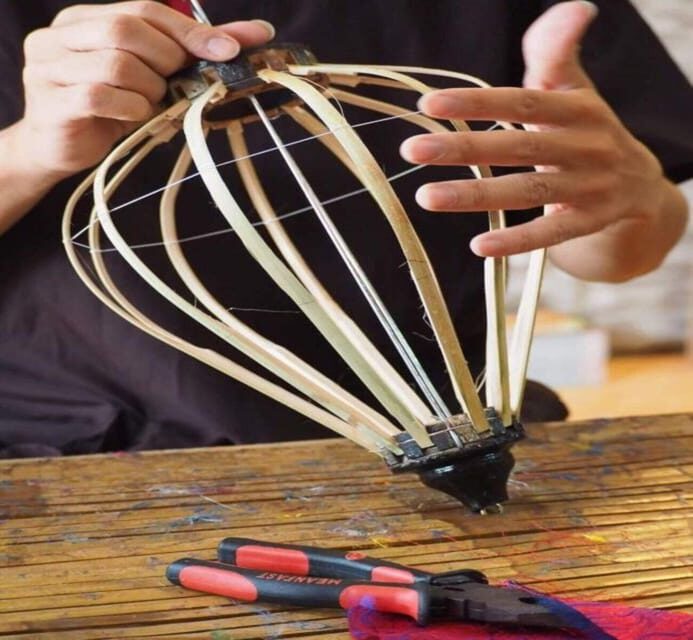
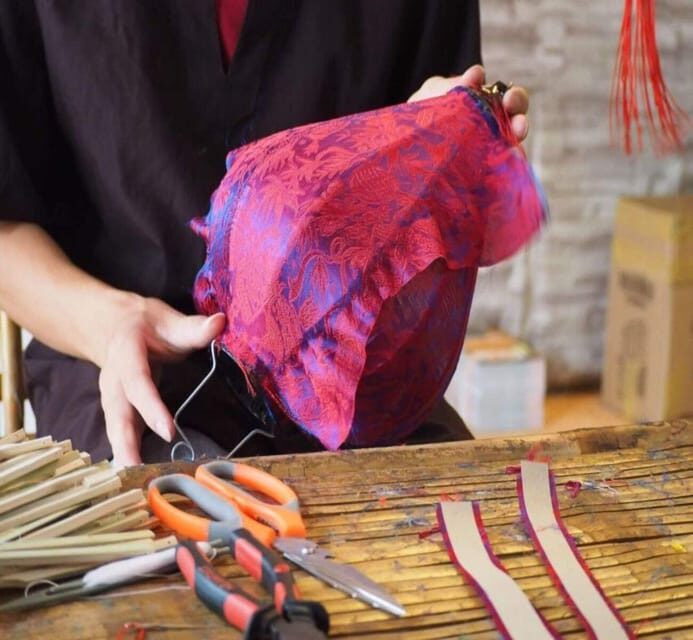
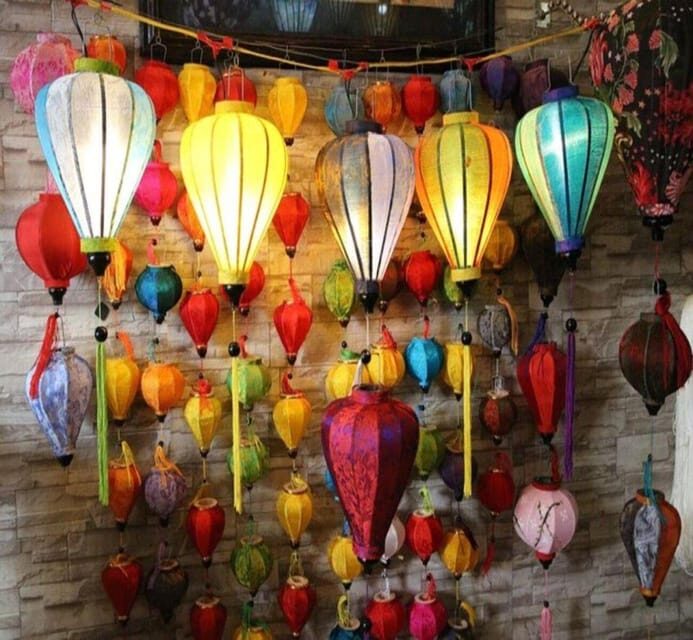
Now for the part that most people book for: making a lantern. You get a brief introduction to the history, shape, and color of lanterns, then you learn the many stages of making them.
The best part is also the simplest: you make your own lantern and keep it as a souvenir. That turns the workshop from passive watching into an actual outcome you can pack and display.
There’s something satisfying about seeing how design choices relate to structure. Even with a guided process, you’ll feel the lantern come together as you work through the steps. And because you start with an explanation of shape and color, you’re not just copying. You’re understanding why those choices matter in Hoi An lantern culture.
Practical advice: if you’re bringing your lantern back to your hotel, treat it like you would a fragile lamp shade. Give it a safe spot in your bag or carry it with care.
If you’re traveling in a group, this is also a great moment to split tasks and compare styles. It’s one of those activities where everyone ends up with something slightly different, even if you use the same materials.
Lunch in Hoi An Style: Cao Lau Plus Fried Spring Rolls
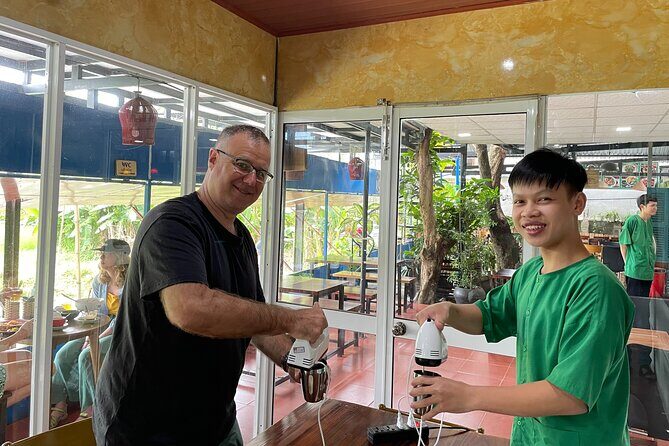
At the end, you get local food with a meal that includes Cao Lau, deep fried spring rolls, and a fruit plate. That’s a solid lineup because it gives you a mix of flavors and textures rather than one “safe” dish.
The tour also notes that ingredients can be adapted based on vegan, vegetarian, gluten-free needs, or allergies. If your diet is strict, tell your guide up front so they can help adjust what’s served.
I like that you eat after the hands-on craft. It helps your brain slow down and absorb the day. You’re not rushing from workshop to workshop on an empty stomach, and you’re more likely to enjoy the meal because you’ve just learned how local traditions connect to materials and labor.
Price and Time Value: What $22 Buys You in Real Terms
At about $22 per person for 150 minutes, this is one of those deals that works because it bundles more than you might expect.
You get:
- An English-speaking guide
- Entrance access
- All required materials and tools
- One lantern per person to keep
- A welcome drink
- A meal including Cao Lau, fried spring rolls, and fruit
If you tried to DIY this day—find the silk process, find a lantern workshop, then add lunch—you’d likely spend more time and more money figuring it out than actually doing the craft. Here, the time is already structured, and the tools/materials are included.
One catch to keep in mind: on Vietnamese public holidays, there is an extra charge of 50% per person paid by cash for bookings. If you’re flexible, checking your dates can help you avoid that bump.
Meeting Point and Getting There Without Stress
There’s no hotel pickup or drop-off. Your life gets easier if you plan to reach 28 Nguyen Tat Thanh street on your own.
This is also why I recommend arriving a few minutes early. Even if you know Hoi An well, street numbers and entrances can take a second to spot when you’re looking for a specific workshop complex.
If you’re staying near central Hoi An, it’s usually manageable to get there by foot or a quick local ride. But don’t count on last-minute timing. The tour runs on a schedule, and you don’t want to walk in while everyone else is already starting.
A Quick Word on the Guide and English Clarity
The tour provides an English-speaking guide, and one guide named Thu is described as sweet, kind, and very knowledgeable. That kind of guide can make the silk and lantern lessons click fast.
Still, English explanations can vary from person to person with any live workshop. If something doesn’t land, ask for clarification right away. You’ll get more from the pure-silk vs fake-silk section if you speak up when you need a better answer.
Who This Workshop Is Best For
This experience is a strong match if you:
- Like hands-on craft outcomes (you keep your lantern)
- Want to understand silk-making beyond a store display
- Plan to buy silk and want help with true silk vs fake
- Enjoy pairing culture with food, not just sightseeing
It may not be the best fit if you:
- Use a wheelchair or have mobility limitations, since it is not suitable for wheelchair users
- Prefer purely outdoor, scenic experiences with minimal craft learning
If you’re traveling solo, the workshop format is friendly because you’re doing the same activity at the same time as others. If you’re with friends, the lantern making turns into a fun group moment without needing any special group dynamics.
Should You Book This Hoi An Silk Process and Lantern Workshop?
I think you should book it if you want a smart, time-efficient day in Hoi An that mixes craft, culture, and a real meal. The standout value is that you learn the silk process and then create a lantern you keep, so you leave with more than photos.
Skip it only if you’re mainly after a leisurely stroll or you need an itinerary that’s fully accessible for mobility limitations. Otherwise, this is exactly the kind of workshop that turns a destination into something you understand, not just something you pass by.
If you’re choosing dates, consider the Vietnamese public holiday surcharge. And if silk shopping is on your plan, pay attention during the pure vs fake silk explanation—you’ll use that knowledge the moment you start browsing.
FAQ
Where is the meeting point for this tour?
You meet at Hoian Silk Village, located at 28 Nguyen Tat Thanh street, Hoi An.
How long is the experience?
The duration is 150 minutes.
What does the tour cost?
The price is $22 per person.
What is included in the price?
It includes an English speaking guide, entrance fee, a meal (including Cao Lau, deep fried spring rolls, and fruit plate), a welcome drink, one lantern per person, and all required materials and tools.
Is hotel pickup or drop-off included?
No. Hotel pickup and drop-off are not included.
Can I keep the lantern I make?
Yes. You make one lantern per person and keep it as a souvenir.
What about food allergies or dietary needs?
Food ingredients can be adapted depending on whether you are vegan, vegetarian, prefer gluten-free, or have allergies.
Is the tour suitable for wheelchair users?
No. It is not suitable for people with mobility impairments, including wheelchair users.
Are there any extra costs on Vietnamese public holidays?
Yes. There is an extra charge of 50% per person paid by cash for booking on Vietnamese public holidays.
Is the tour language English?
Yes, the tour is offered with an English speaking guide.