REVIEW · HOI AN
Hoi An Ancient Town and Coffee Making Course
Book on Viator →Operated by Dragon Travel Viet · Bookable on Viator
A coffee lesson plus Hoi An’s old streets is a smart pairing. I like that this tour gives you two experiences in one block of time: coffee education you can use at home, and a focused guided walk through the sites that define Hoi An.
What I especially like is how the class teaches you the lineup of popular Vietnamese styles, then brings it to life with tasting and even dessert. I also like that the guide handles the history and the walking route, so you’re not wandering trying to “figure it out” while the heat builds.
One thing to consider: most of the day is spent on foot and in a structured schedule (about 4–5 hours total), so if you want tons of free time to browse, you’ll need to add it on your own after the tour ends.
In This Review
- Key Highlights You’ll Care About
- Starting at Sữa Cafe: Coffee Basics Before You Taste
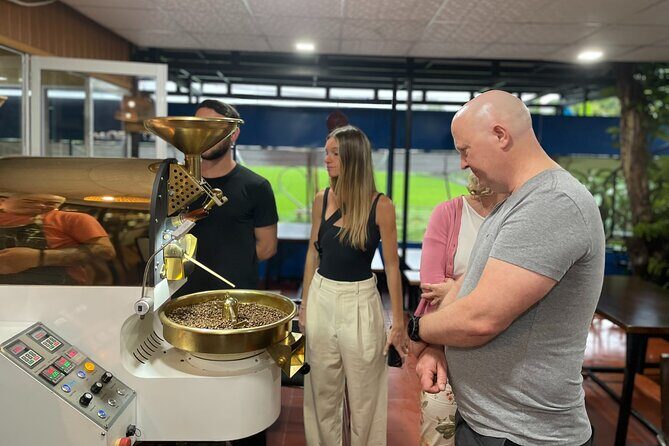
- Robusta vs. Arabica, Plus the Coffee Roasting Process
- Making Vietnamese Coffee the Hands-On Way: Phin, Egg, Coconut, Drip, Espresso
- Dessert and Tasting: Turning Class Into a Meal Moment
- The 25-Minute Coffee-Powder Foot Detox Massage
- Hoi An Ancient Town in Two Hours: The Japanese Covered Bridge and More
- Where Shopping Fits: Central Market Time Without the Chaos
- Tour Value: Why This $39 Combo Works for a Tight Schedule
- How the Timing Feels: 4 to 5 Hours, Plus Transfer Time
- Who This Tour Suits Best (And Who Might Prefer Something Else)
- A Note on Guides and Communication
- Should You Book This Coffee + Hoi An Ancient Town Course?
- FAQ
- How long is the Hoi An Ancient Town and Coffee Making Course?
- Where does the coffee class take place?
- What coffee types will I learn to make?
- Is the entry fee included for the ancient town stops?
- Is hotel pickup included?
- Is this a private tour?
- Is there free cancellation?
Key Highlights You’ll Care About
- Hands-on coffee making with several styles, from phin coffee to egg coffee and coconut coffee
- Coffee roasting education plus a quick guide to Robusta vs. Arabica
- A 25-minute coffee-powder foot detox massage after your tasting
- A guided Hoi An walk that hits major landmarks in a tight, efficient route
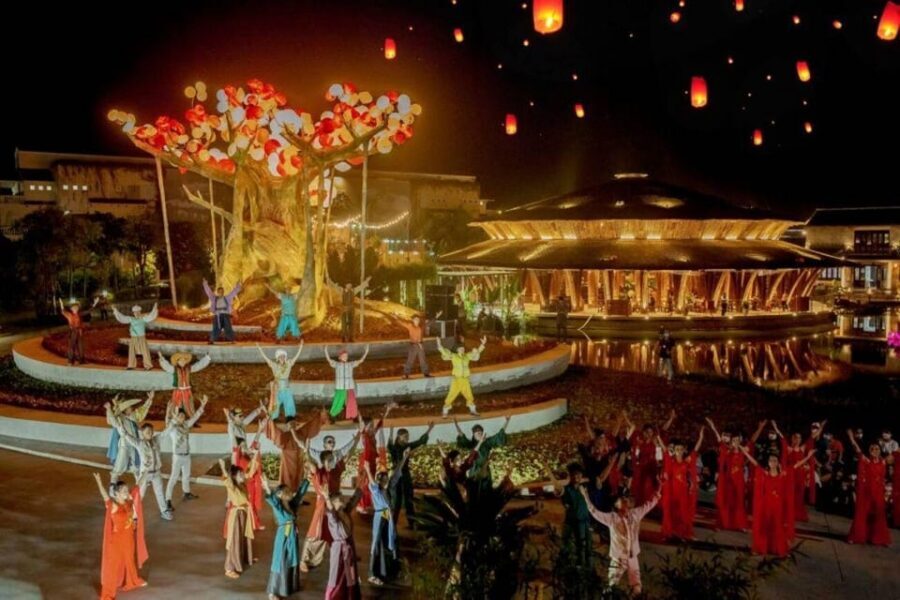
- Traditional art performance built into the ancient town portion
- Private group setup with pickup from hotels in Hoi An center
Starting at Sữa Cafe: Coffee Basics Before You Taste
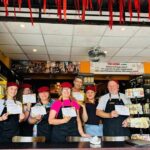
Hoi An is famous for its lantern-lit evenings, but the day starts in a more practical way: learning coffee. The tour begins with a warm welcome tea, then your guide sets the stage with the history and development of the Vietnamese coffee industry—enough context to understand why the flavors you’ll taste make sense.
I like this setup because it prevents that common coffee-tour problem: you try drinks without knowing what makes them different. Instead, you start with the building blocks—especially the two coffee types you’ll hear nonstop in Vietnam: Robusta and Arabica.
You’ll also see the roasting process. That matters because Vietnamese coffee styles often depend on how the beans are roasted, and roasting affects bitterness, aroma, and the strength people expect from a cup.
You can also read our reviews of more tours and experiences in Hoi An


Robusta vs. Arabica, Plus the Coffee Roasting Process
Your guide breaks down how to distinguish Robusta and Arabica, which is useful even if you’re not a coffee nerd. Most people can taste differences, but this gives you language for what you’re noticing: body, intensity, and the kind of roast character you’ll find in common Vietnamese preparations.
Then comes the roasting part. Even if you’re short on time, watching the process gives you a feel for why Vietnamese coffee can taste bold and dark—often built around strong extraction methods.
This is one of the more “stick with you” parts of the tour. Afterward, when you compare flavors, you’re not just guessing. You have a simple framework.
Making Vietnamese Coffee the Hands-On Way: Phin, Egg, Coconut, Drip, Espresso
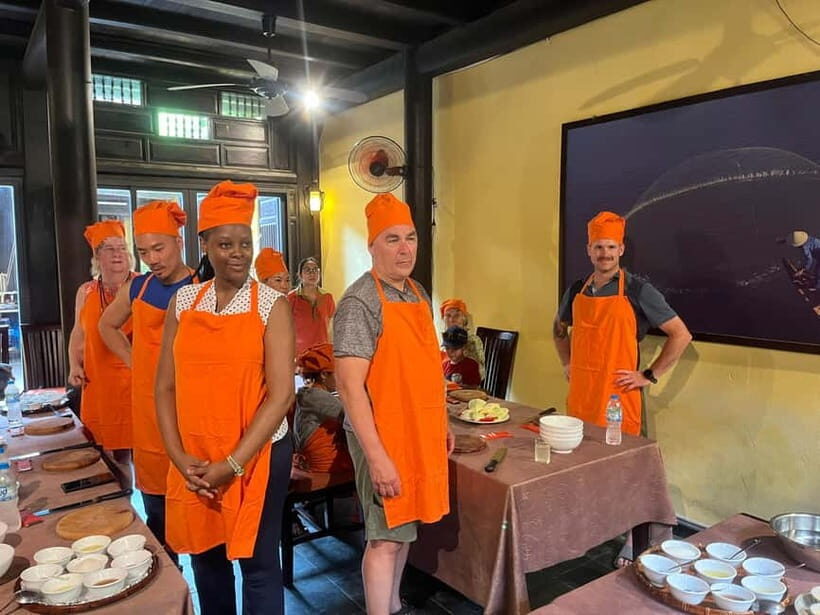
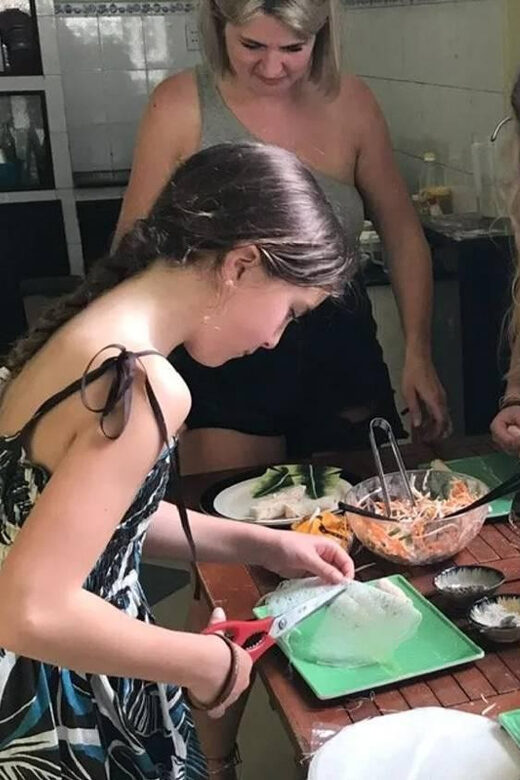
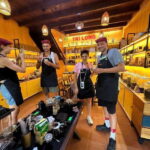
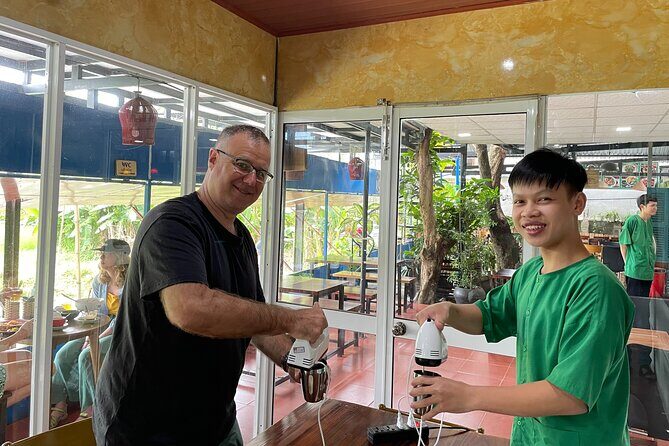
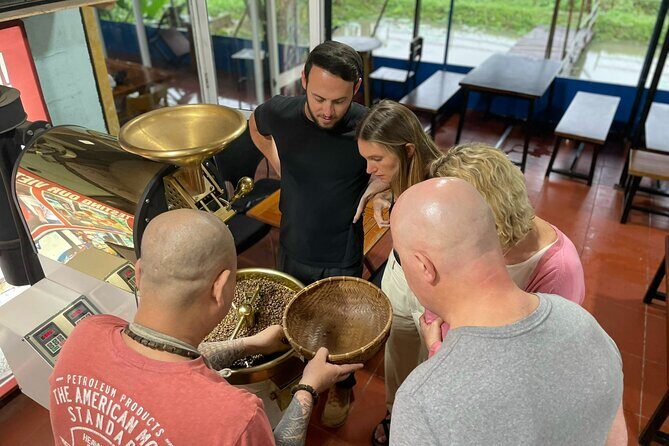
The main event is the coffee making lesson, and it’s not limited to just one brew style. You learn how to make multiple Vietnamese favorites, including:
Traditional phin coffee
This is the classic Vietnamese style that uses the phin filter. It’s a key experience because it helps you understand the slow drip method and why the cup can be strong and layered.
Egg coffee
This one’s memorable for texture and sweetness. Learning how it’s made (not just drinking it) is the difference between enjoying a novelty and understanding what makes it work.
Drip coffee
You’ll also learn the drip method, which helps you compare the flavor profile against the phin approach.
Coconut coffee
Coconut coffee adds a different kind of richness. It’s a great choice if you like dessert-like flavors but still want coffee backbone.
Espresso coffee
This rounds out the course by connecting Vietnamese coffee culture to the more global espresso style.
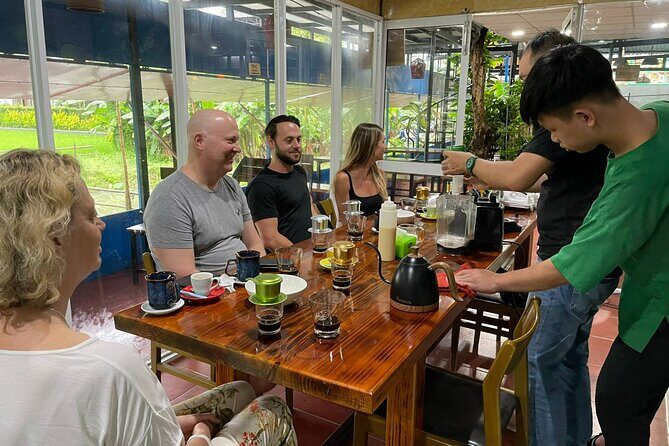
In the end, you don’t just leave with recipes on paper. You actually get to enjoy the coffee you made, plus you’ll have cake and a special pancake dessert as part of the lesson.
Dessert and Tasting: Turning Class Into a Meal Moment
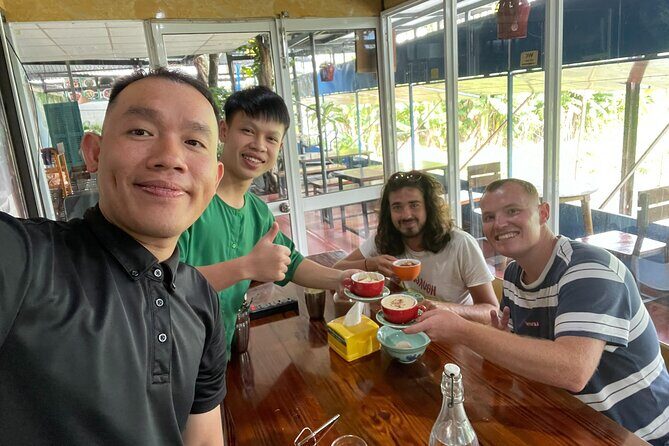
I love when food tours don’t treat tasting like a quick sip and a goodbye. Here, you get coffee with cake and a special pancake dessert after the lesson, so the whole experience feels like a real break, not just a demo.
This is also where you’ll figure out your preferences. If you’re undecided between egg coffee and coconut coffee, you’re in good company. The lesson format lets you compare flavors while the steps are still fresh in your mind.
If you want the experience to stick for later, take a moment during tasting to notice the differences you learned—type, roast style, and preparation method.
The 25-Minute Coffee-Powder Foot Detox Massage
After coffee and dessert, the tour adds a practical wellness step: a 25-minute foot detox massage using coffee powder. It’s short enough to fit the schedule but long enough to feel like more than a quick foot rub.
This is a nice contrast to the earlier part of the tour. You’ll go from standing, watching, and making to relaxing your feet—especially helpful if you plan to keep walking around Hoi An afterward.
One consideration: if you’re sensitive to strong scents or have very specific massage preferences, you might want to keep that in mind before you start. The tour data frames it as coffee-powder based, so expect that coffee smell to be part of the experience.

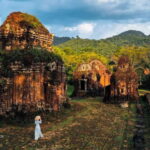

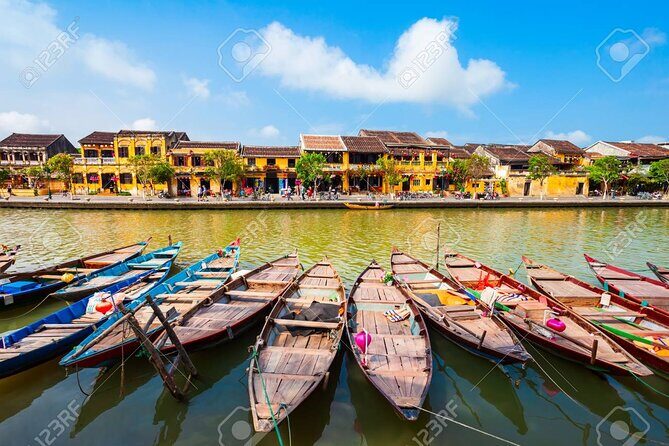
Hoi An Ancient Town in Two Hours: The Japanese Covered Bridge and More

Once the coffee portion is done, you switch gears to sightseeing. This is a guided route designed to hit key stops efficiently, without pretending you can see everything Hoi An offers in a single afternoon.
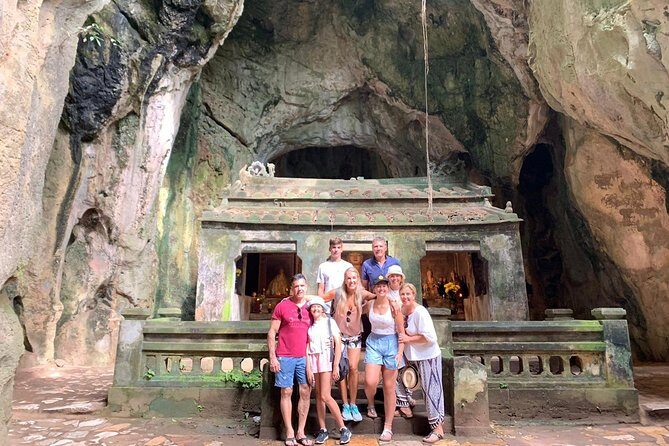
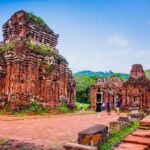
The ancient town portion includes major landmarks such as:
- Japanese Covered Bridge
- Old House of Phung Hung
- Sa Huynh Culture Museum (or Trading Ceramic Museum)
- Fukian Assembly Hall (Phuc Kien)
I like this lineup because it mixes architecture, heritage houses, and cultural institutions. It’s not just photos of pretty facades; it’s a path through the kinds of places that shaped Hoi An’s identity.
Also built in: a traditional art performance at the hall. That’s a valuable add-on because it gives the tour more than sightseeing—it adds a living cultural moment while you’re already in the right location.
Where Shopping Fits: Central Market Time Without the Chaos
After the landmark circuit, you’ll walk toward the central market area. This is where the tour becomes flexible. Your guide can stop for shopping if it’s convenient, and you can watch how business happens day to day.
This part is ideal if you want souvenirs, snacks, or small gifts without spending hours figuring out what’s worth your time. It’s also a chance to compare what you see in the tourist lanes versus the market life that locals rely on.
If shopping is a priority, don’t expect the whole market to be your free-for-all. The tour keeps you moving so you can cover the must-sees without missing the included performance.
Tour Value: Why This $39 Combo Works for a Tight Schedule
At $39 per person (with an average booking window around 20 days ahead), the value comes from combining two activities that are usually sold separately: a Vietnamese coffee class and a guided ancient town walk.
For your money, you get:
- Hotel pickup in Hoi An center
- A tour guide
- Coffee/tea and cake during the lesson
- Entrance fee(s) for the sightseeing portion
- A private group setup (only your group joins)
You don’t have to line up tickets on your own, and the guide handles the route so you can spend your energy on learning and looking, not on planning.
The main “watch outs” for cost are simple. Tips and personal expenses are on you, and alcohol drinks aren’t included. If your hotel is far from Hoi An center—or if you’re staying in Da Nang—you may need to pay an extra return-car pickup fee of $25.
If you’re someone who likes structured experiences (and doesn’t want to lose half a day to logistics), this is a strong deal.
How the Timing Feels: 4 to 5 Hours, Plus Transfer Time
The tour runs about 4 to 5 hours total. The coffee lesson is about 2 hours, and the ancient town portion is about 2 hours, with the rest of the time spent on pickup and transfer.
That timing is useful if you’re staying in Hoi An and want to pack in one memorable activity without exhausting your whole day. It’s also why the guide-led pace matters—you get a clear route, a performance, and a market stop without the risk of running out of daylight.
If you’re the type who wants long stays at each site, you’ll probably add extra time afterward. This tour is built to be efficient, not unlimited.
Who This Tour Suits Best (And Who Might Prefer Something Else)
This combo is especially good for:
- Coffee lovers who want to go beyond drinking and actually learn how it’s made
- Visitors who want a guided introduction to the key Hoi An landmarks
- People who prefer a private setting so the experience stays comfortable for your group
- Anyone who wants a quick wellness bonus with the coffee-powder foot detox massage
It may be less ideal if you want:
- Lots of solo wandering time from start to finish
- A totally flexible, slow-paced day with no scheduled stops
- An all-day deep dive into museum corners and shop alleys
A Note on Guides and Communication
From the tour’s past experiences, the guide factor seems to matter. One guide named Thai is noted for explaining Hoi An history in great English, with time to answer questions. Another guide, Miss Kim, is described as picking guests up and driving them in her personal car—showing the tour can feel well handled from the start.
That’s encouraging if you like explanations, not just a checklist of stops.
Should You Book This Coffee + Hoi An Ancient Town Course?
I’d book this if you want a day that gives you both flavor and context. The coffee class is hands-on, covers several popular styles (including phin, egg, coconut, drip, and espresso), and finishes with tasting and a 25-minute foot massage. Then you get a guided ancient town route with Japanese Covered Bridge, the Fukian Assembly Hall (Phuc Kien), and time for a traditional art performance.
Skip it or consider a different format if you crave long independent exploring. This tour is structured by design, and you’ll move through the highlights on a set timeline.
If you’re in Hoi An with a limited window and you like practical learning you can repeat at home, this $39 combo makes a lot of sense.
FAQ
How long is the Hoi An Ancient Town and Coffee Making Course?
The total experience is about 4 to 5 hours, with around 2 hours for the coffee lesson and around 2 hours for the ancient town portion. The remaining time is for pickup and transfer.
Where does the coffee class take place?
The coffee lesson starts at Sữa Cafe.
What coffee types will I learn to make?
You’ll learn how to make traditional phin coffee, egg coffee, drip coffee, coconut coffee, and espresso coffee.
Is the entry fee included for the ancient town stops?
Yes. Entrance fee(s) are included as part of the experience.
Is hotel pickup included?
Pickup at your hotel in Hoi An center is included. If your hotel is far away, including hotels in Da Nang, there may be an extra return car fee of $25.
Is this a private tour?
Yes. It’s listed as a private tour/activity, so only your group participates.
Is there free cancellation?
Yes, you can cancel for free up to 24 hours in advance for a full refund. If you cancel less than 24 hours before the start time, the amount paid is not refunded.