REVIEW · HOI AN
Traditional Vietnamese Cooking Class in Leina Cookery
Book on GetYourGuide →Operated by LEINA COOKERY · Bookable on GetYourGuide
Cooking in Hoi An is more fun with a stove-side teacher. At Leina Cookery, you get a small-group lesson, choose from different menus, and cook multiple dishes at your own pace. The room feels airy and relaxed, so you can focus on learning instead of cramming.
I particularly love two things: you cook and eat what you make—dish by dish, straight from the pan—and you get a teacher who guides you step-by-step without taking over. I also like the practical follow-up: after class, you receive recipe articles by email for the dishes you learned.
One consideration: you’ll be cooking for about 150 minutes, so this is a great hands-on overview and skill builder, not a multi-day deep specialization in every technique.
In This Review
- Key highlights worth your attention
- A hands-on Vietnamese cooking class in Hoi An that actually sticks
- Price and what $22 buys you in real terms
- Where to meet: finding 23 Huỳnh Thúc Kháng without stress
- Your first minutes: welcome juice and choosing from menus
- Cooking step-by-step: hands-on work with real guidance
- What you’ll learn: ingredients, technique, and the logic of flavor
- English-friendly teaching and small-group attention
- The itinerary, explained: how the time feels from start to finish
- After class: recipe articles by email so you can cook again
- Who this cooking class suits best
- Should you book Leina Cookery? A simple decision guide
- FAQ
- What address is the class held at?
- Is there a welcome drink?
- How long is the class?
- Can I choose what dishes to cook?
- Is it a small group class?
- Do I get anything after the class?
Key highlights worth your attention
- Pick your dishes from multiple menus so you can tailor the meal to your taste
- Eat each dish right away after finishing it, before moving to the next one
- A welcoming English host (Leina’s team runs the class in a friendly, clear way)
- Small group size (max 10) so you actually get attention while you cook
- Recipe articles emailed after class so you can cook again later
- Welcome juice in a spacious, comfortable classroom
A hands-on Vietnamese cooking class in Hoi An that actually sticks
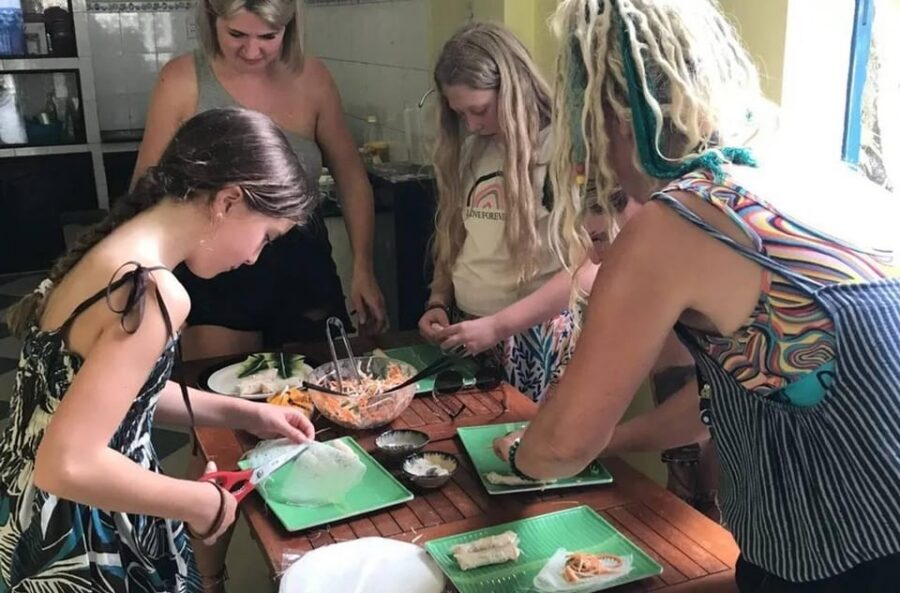
If you’ve tried Vietnamese cooking at home and it still tastes a little flat, this is the kind of class that fixes that. Leina Cookery isn’t a show where you watch someone else work. You get to handle the ingredients, follow the process, and then eat the results while your learning is still fresh.
What makes the experience feel smart is the flow. You start with a simple welcome (including juice), then you choose what you want to cook, then you cook in sequence. After each dish, you enjoy it on the spot before moving to the next one. That rhythm turns a class into a real dinner you can control.
You also get the kind of guidance that matters. The teaching style is step-by-step, but it leaves room for you to cook your own dishes. That balance is where the value lives: you learn the method, but you’re still the one doing the work.
You can also read our reviews of more cooking classes in Hoi An
Price and what $22 buys you in real terms
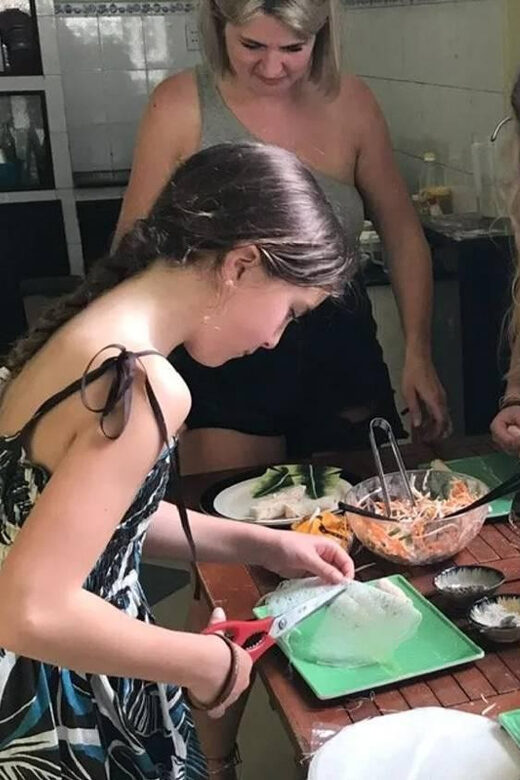
For about $22 per person (for the 150-minute class), you’re paying for three big things: instruction, ingredients and equipment at the cooking space, and the opportunity to eat what you make. In many cooking classes, you only get one or two dishes to try. Here, you cook through multiple choices from the menu.
You also get a practical takeaway that’s easy to use later: recipe articles sent to your email after the course. That means you’re not walking away with vague memories and a folder of blurry photos. You can recreate the dishes, and you’ll know what to do next time because the steps are written out.
Could you do something cheaper on your own? Sure. But if you want the exact balance of hands-on practice and clear guidance, $22 for an English-led, small-group cooking class in central Vietnam is strong value.
Where to meet: finding 23 Huỳnh Thúc Kháng without stress
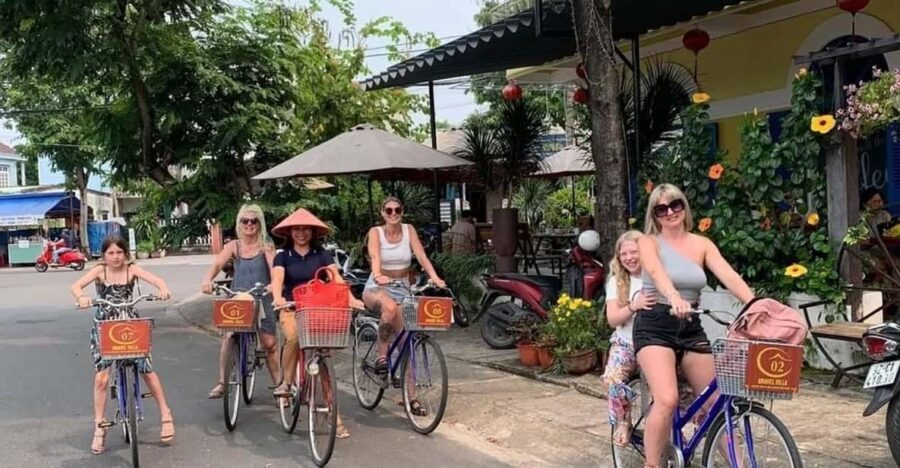
The class address is 23 Huỳnh Thúc Kháng, in Hoi An, Quảng Nam province. You’ll be welcomed at that location with a glass of juice before cooking begins, so it’s not a cold start.
The meeting point is described as the corner of Huỳnh Thúc Kháng and Huỳnh Lý, across from a park. If you’re arriving by foot, that park landmark is your best friend. If you’re arriving by taxi or ride-hail, tell the driver 23 Huỳnh Thúc Kháng and use the intersection description if needed.
This matters because a cooking class is time-sensitive. You’ll get the most out of the experience if you’re there ready to cook when they start.
Your first minutes: welcome juice and choosing from menus
When you arrive, you get a glass of juice first. It’s a small detail, but it sets the tone. You’re not rushed, and you’re not hungry while you’re waiting for the lesson to begin.
Then comes one of the best parts of the setup: you freely choose dishes to cook based on several menus. That choice is worth more than it sounds. If you’re not a fan of one ingredient, you can steer your cooking toward what you actually want to eat.
In practice, menu choice usually determines how your time feels. If you choose dishes with overlapping ingredients, your learning can connect more smoothly. Either way, you’re making the meal, so the class becomes your dinner plan—not a fixed script you must endure.
Cooking step-by-step: hands-on work with real guidance
Here’s the structure that keeps you from feeling lost: you follow the steps yourself while the teacher gives instructions. It’s not you trying to guess how Vietnamese cooking works by watching someone else.
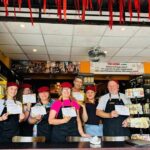
The classroom is described as airy, spacious, and cute, which helps a lot. When the kitchen space feels comfortable, you can concentrate on technique: timing, heat control, seasoning, and texture.
After each dish is finished, you eat it on the spot. That’s a big deal for learning. You immediately taste the result, so you can connect the method to the flavor. Then you roll straight into the next dish with that feedback fresh in your mind.
One of the most praised elements is how the chef/teacher stays helpful and step-by-step, while still giving you room to cook your own dishes. That combination means you get confidence instead of chaos.
You can also read our reviews of more tours and experiences in Hoi An



What you’ll learn: ingredients, technique, and the logic of flavor
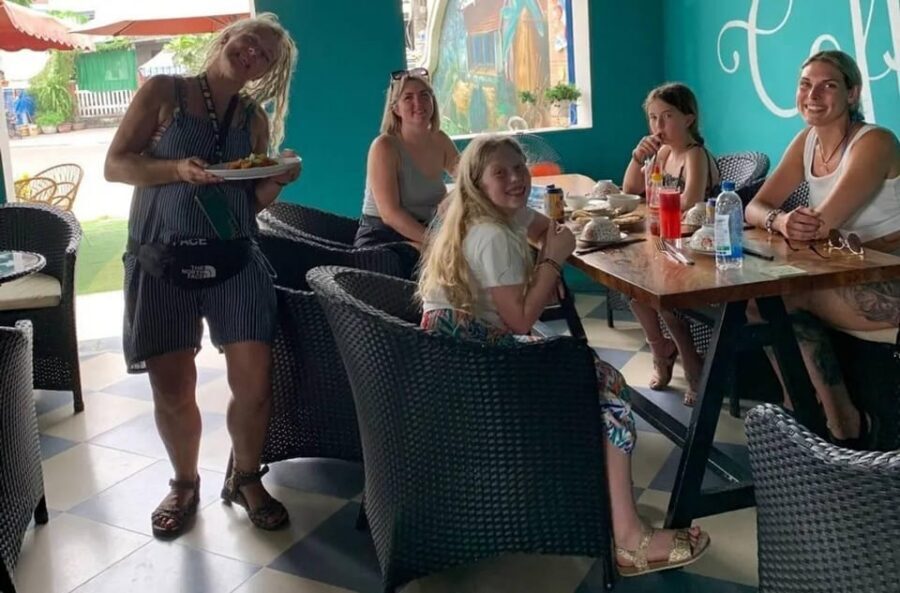
Even without a long lecture, you’ll pick up how Vietnamese cooking is built. Expect the teacher to explain dishes and ingredients as you go, so you understand what each step is doing. That helps you stop treating recipes like strict checklists.
From the way the class is described, the teaching focuses on process: what to do first, what to watch for, and how the dish should look and taste as it comes together. You’re also working in a setting where you can ask questions while your hands are already busy. That’s when learning actually sticks.
And because you eat each dish right after cooking it, you also learn the flavor target in a concrete way. It’s easier to repeat a dish later when you’ve tasted it while it was still part of the lesson.
English-friendly teaching and small-group attention
Leina Cookery runs with an English-speaking host/greeter. That language support matters, especially when you’re learning cooking techniques that rely on sensory cues: aroma, doneness, thickness, and balance.
The group is limited to 10 participants, which is the sweet spot for a cooking class. Big groups can turn into a series of waiting turns. Small groups mean you can get help when you need it, not when the instructor remembers you’re still there.
You’ll also likely notice a friendly atmosphere. Several reviews highlight the welcoming nature of the host and the light, fun energy during cooking. One reviewer specifically mentioned cooking with Nga and her sister, described as super welcoming and showing a great variety of dishes. That kind of family-run warmth is exactly what makes this sort of class feel less like a transaction and more like a real local evening.
The itinerary, explained: how the time feels from start to finish
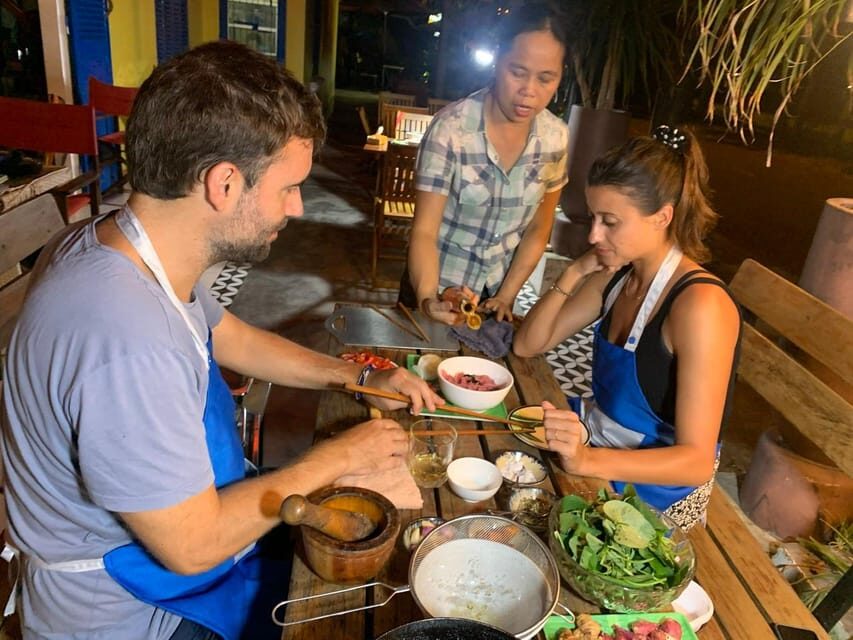
This experience is designed to run smoothly in 150 minutes, starting and ending at the same location on Huỳnh Thúc Kháng.
1) Starting point: 23 Huỳnh Thúc Kháng
You arrive, you get welcomed, and you receive a glass of juice. This first stretch usually sets expectations and helps you settle before the cooking starts.
2) Hoi An cooking class time
You’ll have a photo stop/class moment and then get into cooking. The class structure is hands-on: you choose dishes, then follow instructions step-by-step while cooking. The “do it yourself” approach is key; you’re not only learning, you’re making.
3) Arrive back at 23 Huỳnh Thúc Kháng
You return to the same starting area after the class ends. That keeps your evening simple—no complicated transport planning.
The main drawback of an efficient itinerary is also its strength: because everything is packed into 150 minutes, you’ll have less time to linger with questions once the class moves on. The flip side is that you get momentum, and the food keeps coming.
After class: recipe articles by email so you can cook again
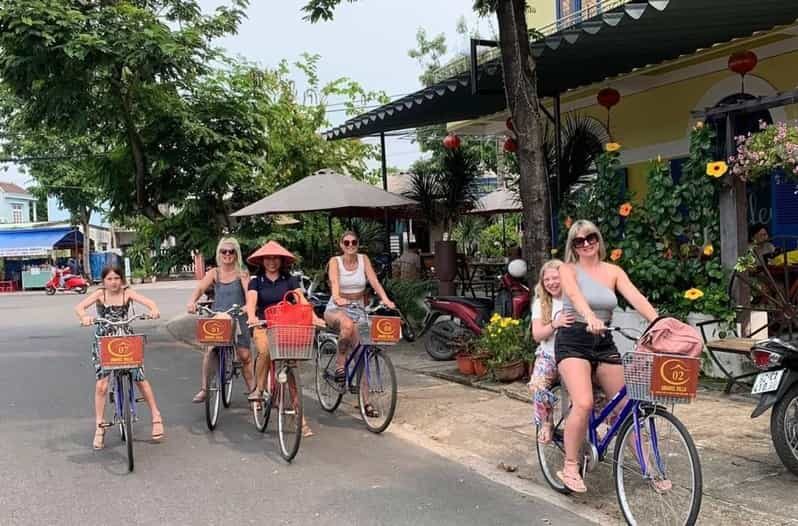
The best way to judge a cooking class isn’t only taste during the lesson. It’s what happens after you leave.
Here, you get articles about recipes for the dishes you have learned sent to your email. That means you can recreate the meal later without scrambling for details. It also helps you remember what you chose in the menu and how the dish was made.
For me, this kind of follow-up is the difference between a fun night and a skill you can repeat. You get a menu in Hoi An, then you can bring that same menu home.
Who this cooking class suits best
This is a great fit if you want:
- Hands-on cooking rather than watching
- An English-led experience with step-by-step help
- A small group where you can actually participate
- A meal experience that ends with you eating what you cook
It’s also a smart choice for couples or solo travelers who want a structured activity that doesn’t feel stiff. If you’re in Hoi An for a short visit and want one memorable, practical food experience, this is a strong candidate.
If you’re a highly advanced cook who already knows Vietnamese techniques, you might still enjoy the menu choice and flavor logic. But you may want to supplement it with tasting or a market visit on another day—this class is designed around cooking practice within a single time block.
Should you book Leina Cookery? A simple decision guide
Book it if you want a guided evening where you cook real Vietnamese dishes, eat immediately, and leave with written recipes you can use later. The small-group limit, the English communication, and the teaching style that supports you while letting you cook are exactly the ingredients for a class that feels personal.
Don’t book it if you’re looking for a long, lecture-heavy cultural experience or a multi-day training program. This is hands-on cooking in a set timeframe, and the value is in learning by doing.
One last practical nudge: show up hungry and ready to choose. If you pick dishes you genuinely want to eat, the whole evening stays satisfying from first welcome juice to the final bite.
FAQ
What address is the class held at?
The cooking class meets at 23 Huỳnh Thúc Kháng in Hoi An, Quảng Nam province.
Is there a welcome drink?
Yes. You’re offered a glass of juice before you start cooking.
How long is the class?
The class lasts about 150 minutes.
Can I choose what dishes to cook?
Yes. You can freely choose dishes from different menus before you begin cooking.
Is it a small group class?
Yes. The class is limited to a small group of up to 10 participants.
Do I get anything after the class?
Yes. After the course, you receive recipe articles about the dishes you learned via email.