REVIEW · HOI AN
Hoi An: City Tour, Banh my and Coffee
Book on GetYourGuide →Operated by HOI AN FOOD TOUR · Bookable on GetYourGuide
Hoi An can feel like a postcard that learned to walk. This 3-hour city tour gives you a simple way to get your bearings fast, then turns the corner into food, starting with Hoi An’s historic architecture and ending with a banh mi and coffee tasting.
I especially like how the route links the town’s trading-port layout to what you’re seeing on the street. You’ll pass major sights like the Japanese Covered Bridge and Chinese Assembly Halls, then spend real time around local life at the market.
One heads-up: the vibe is more quiet and practical than high-energy storytelling. If you’re hoping for lots of jokes and wild drama, you might find it a bit on the calm side.
In This Review
- Key things to know before you go
- Hoi An’s trading-port feel, in a 3-hour walking loop
- Japanese Covered Bridge and the Chinese Assembly Halls
- Japanese Covered Bridge
- Chinese Assembly Halls
- Hoi An Museum, ancient houses, and a handicraft workshop stop
- Hoi An Museum
- Ancient houses
- Handicraft workshop
- Center market, banh mi time, and how to pick a great bite
- What the Center market adds to the tour
- Banh mi: what to pay attention to
- Vietnamese coffee culture: your secret stop and what to expect
- Price and logistics: what $16 covers (and what to budget)
- The one cost to watch: entrance fees
- Pickup and drop-off
- Who this tour fits best
- Should you book this Hoi An city tour with banh mi and coffee?
- FAQ
- How long is the Hoi An city tour?
- What’s included in the price?
- Is pickup or drop-off included?
- Are there entrance fees?
- Do I need to speak Vietnamese?
- Can I get a refund if my plans change?
Key things to know before you go
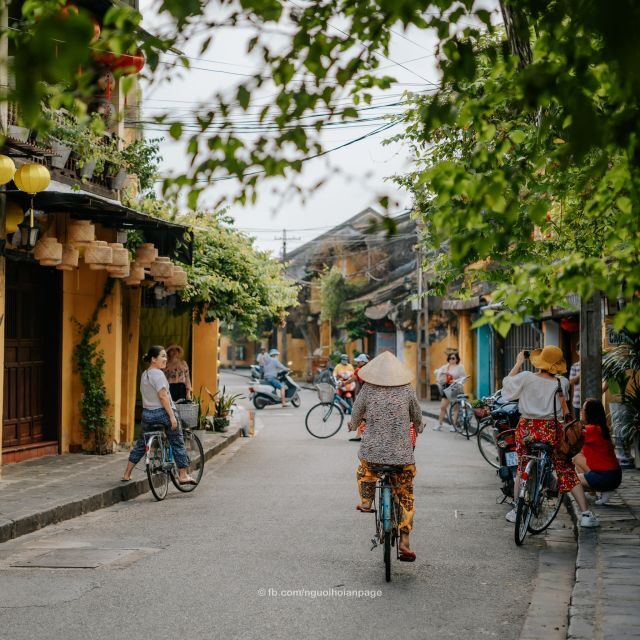
- You hit the big Hoi An landmarks in a single, walkable half-day loop.
- Banh mi and coffee are included, so you don’t need to plan your meals around the schedule.
- You’ll see how the old port blended cultures, with Chinese and Japanese influences showing up in the architecture.
- There’s time in and around local spots, including the Center market and a handicraft workshop stop.
- Entrance fees may apply, since not everything is covered by the tour price.
- No pickup/drop-off is included, so you’ll want to start from wherever the tour meets.
Hoi An’s trading-port feel, in a 3-hour walking loop
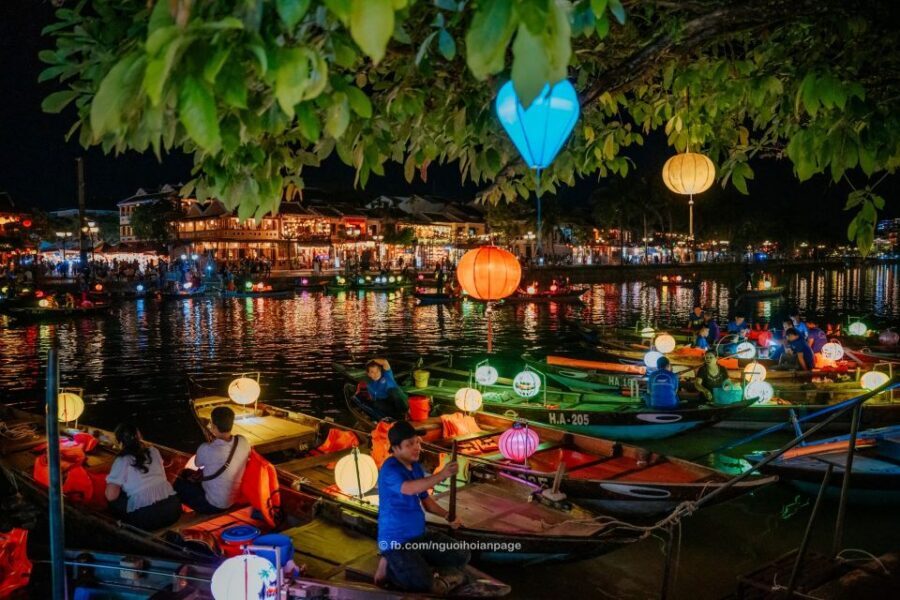
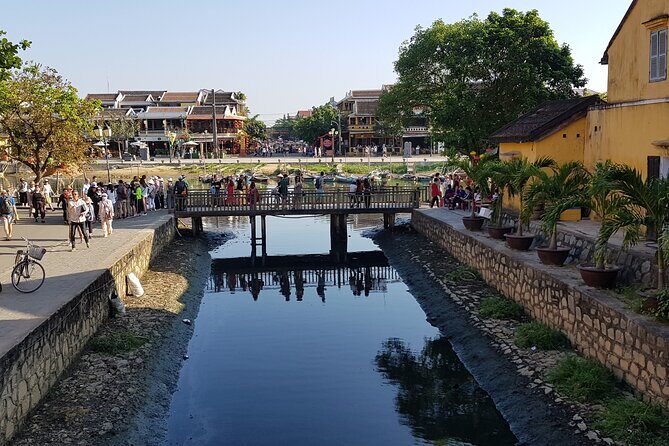
Hoi An was a major Southeast Asian trading port from the 15th to the 19th centuries. What makes it special today is that it still looks and feels like a place where different cultures rubbed shoulders: Chinese and Japanese influences show up clearly, with later European touches too.
This tour works well because it doesn’t ask you to read a textbook first. You get a guided “map in motion.” The streets and traditional houses help you understand the town’s geometry—why the old port grew where it did, and how the architecture still signals trade, community, and daily life.
For your first day, that matters. Hoi An is small, but it can feel maze-like when the lanterns start glowing and everyone’s taking photos. A guided overview helps you return later on your own with less guesswork and more time in the places you like.
You can also read our reviews of more city tours in Hoi An



Japanese Covered Bridge and the Chinese Assembly Halls

The tour’s core sightseeing is built around Hoi An’s signature mixture of faith, community, and merchant history. Two anchors you’ll see are the Japanese Covered Bridge and the Chinese Assembly Halls.
Japanese Covered Bridge
The Covered Bridge is one of those landmarks that looks instantly recognizable from photos, but it hits differently in person. Up close, you notice the way it’s designed to protect movement—covered, walk-through, and clearly meant for people who came for more than a quick look. It’s also a reminder that Japanese links in Hoi An weren’t just a footnote; they were part of how the town functioned as an international trading stop.
Practical takeaway: if you’re photographing, early shade and calmer corners help. This tour format gives you a chance to see it before you get surrounded by the largest waves of day-trippers.
Chinese Assembly Halls
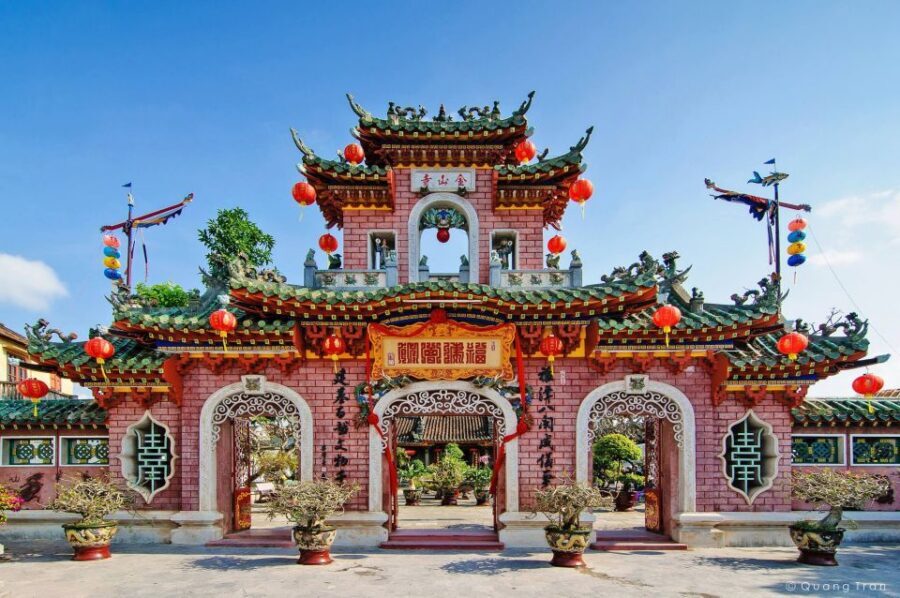
Next, you’ll move into the world of community spaces. Chinese Assembly Halls reflect how immigrant groups formed support systems—places where people met, organized, and kept cultural identity strong while living in a foreign trading port.
Even if you’re not the type who reads every signboard, you’ll still pick up the basics: these buildings aren’t random; they’re social infrastructure. On a short tour, having both the Japanese and Chinese sites in one run is a smart way to understand the town’s “two faces” without exhausting yourself.
Hoi An Museum, ancient houses, and a handicraft workshop stop

The itinerary keeps walking, but it doesn’t only chase outdoor scenery. You’ll also cover cultural stops that explain daily life behind the pretty streets.
You can also read our reviews of more tours and experiences in Hoi An





Hoi An Museum
The Hoi An Museum stop adds context. When you’re standing in old streets, it’s easy to wonder what the objects and traditions are really connected to. A museum visit gives you a foothold—background you can use when you return later and decide what to look at longer.
If you’re the kind of traveler who likes structure, this is a real benefit. It’s also a reason the tour can feel a bit less “story show” and more “walk + learning.” One review highlighted that the guide was sweet and informative, but the pace and style leaned toward calmer explanations and smaller museum time rather than jokes and big theatrics.
Ancient houses
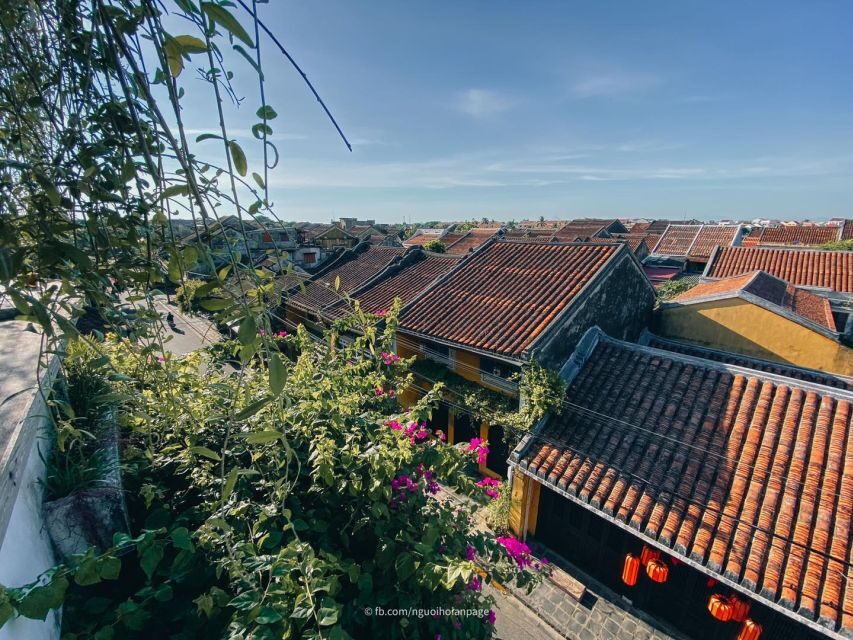
Ancient houses are where the town’s atmosphere turns from scenic to human. You’re no longer just looking at a landmark; you’re studying the way spaces were built for family routines, commerce, and status.
The practical value here is perception. After seeing traditional house layouts, you start noticing details on your own—doorways, the way rooms are arranged, and how architecture signals everyday priorities.
Handicraft workshop
Then comes the handicraft workshop stop. This is the part that helps you understand how a “trading port” continues to live through making things—not just selling and moving goods. Depending on what’s on display, you’ll likely get a clearer sense of materials, process, and local craftsmanship.
If your ideal tour is mostly photos, you may treat this as a quick stop. If you like seeing how things are made (even briefly), it’s one of the more satisfying moments because you can connect it back to the market and everyday life you’ll see next.
Center market, banh mi time, and how to pick a great bite
After landmark and cultural stops, the tour turns food-forward with a Hoi An Center market visit and a stop to try the best banh mi in town.
What the Center market adds to the tour
Market visits are useful even when you’re not shopping. You get a feel for what locals do at street level. You’ll see the energy of daily routine—the “real Hoi An” between the photo spots.
For you, it also solves a common problem: after a morning of sights, you want food that doesn’t feel random. A guided structure helps you avoid the trap of choosing the most convenient sandwich instead of the best one.
Banh mi: what to pay attention to
When you’re tasting banh mi as part of a tour, you get two advantages:
- You’re eating at a chosen spot rather than guessing.
- You can compare flavors more easily within one overall experience.
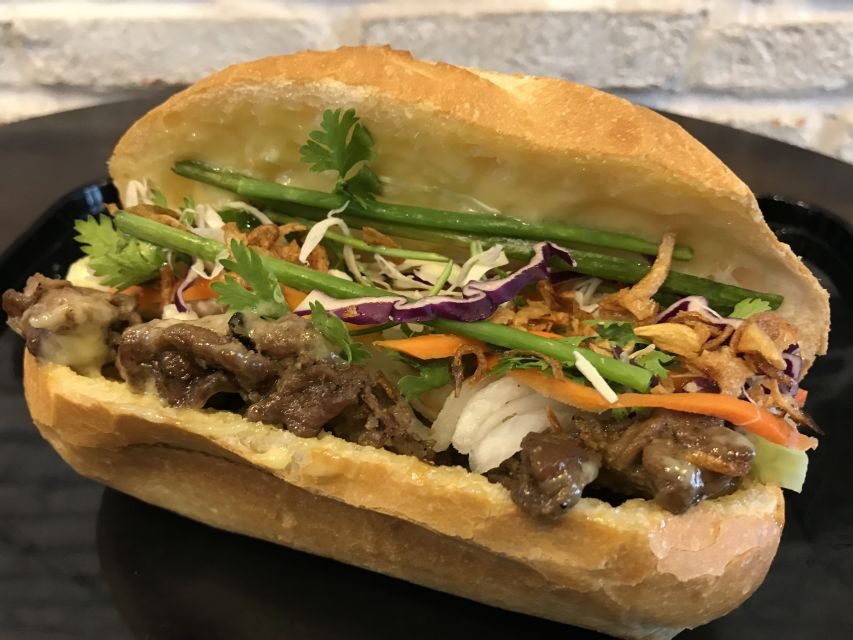
To get the most out of it, use your senses fast. Notice the bread texture, whether the filling is balanced, and how the herbs and pickles cut through the richness. The best banh mi doesn’t just taste good—it keeps its structure as you bite, so every fork of crunch, tang, and savory hits together.
Even if you’re a repeat banh mi eater, Hoi An versions can surprise you with how the flavors come together. The included meal means you can focus on tasting rather than planning.
Vietnamese coffee culture: your secret stop and what to expect
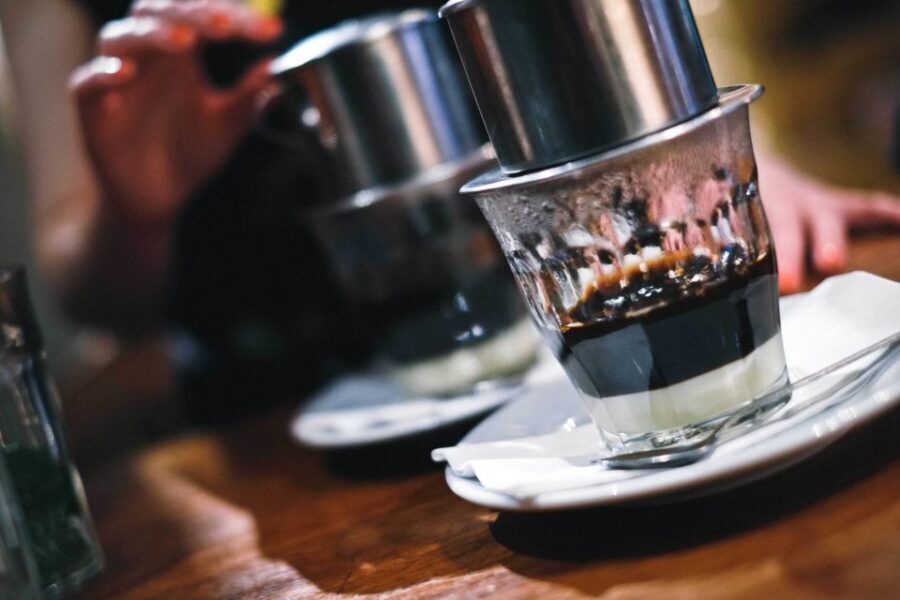
Then you’ll learn about Vietnamese coffee culture and stop for coffee—described as a secret coffee stop.
Vietnamese coffee culture has a few signature ideas: it’s often darker and stronger than what many people expect, and it tends to be served with a method and sweetness profile that feels distinctive. On this tour, the point isn’t just sipping; it’s understanding why coffee is part of how people meet, talk, and slow down.
A practical note: coffee stops can vary in vibe—some feel quick and street-level, others feel like a place to sit and watch life move. Since this tour is only 3 hours total, you’ll probably get just enough time to enjoy it without losing the rest of the route.
If you like food tours but don’t want a full-day schedule, this coffee piece is a nice middle ground. You get context, then you get the drink.
Price and logistics: what $16 covers (and what to budget)
At $16 per person for a 3-hour tour, you’re paying for a guided walk plus specific included food. In this price, you get:
- an English-speaking tour guide
- bottled water
- banh mi and coffee
That bundled approach is where the value comes from. If you tried to self-plan the same combo—guided landmark walk plus a reputable sandwich plus coffee—you’d almost certainly spend more in time, navigation stress, and separate bookings.
The one cost to watch: entrance fees
Entrance fees are listed separately: 120,000 VND per person. That means parts of the museum or other ticketed locations may add a small extra charge.
This doesn’t make the tour “bad value.” It just means you should treat the $16 as the tour price, not the total spending cap.
Pickup and drop-off
No pickup/drop-off is included. You’ll want to plan how you’ll reach the starting point and how you’ll get back after the tour ends. Since Hoi An is compact, this is often manageable, but it still matters—especially if you’re staying across the river or in a quieter outer area.
Who this tour fits best
This is a strong fit if:
- you’re visiting Hoi An for the first time and want an overview that connects architecture to everyday life
- you want a light food plan without spending extra time hunting for banh mi and coffee
- you prefer a calm, guided walk that includes a few cultural stops
It’s not ideal if:
- you want a high-energy, joke-heavy tour with lots of off-the-cuff entertainment
- you dislike museum-style pacing and prefer only outdoor sights
- you don’t want to handle any extra payment for entrance fees
Should you book this Hoi An city tour with banh mi and coffee?
I’d book it if this is your first day in town and you want the simplest path to seeing the classics while still leaving room for food. The mix of Japanese and Chinese architectural landmarks, a museum/house stop, plus an included banh mi and Vietnamese coffee lesson is a good use of a half day.
Skip it (or rethink it) only if you know you get bored when a tour leans practical and educational rather than loud and funny. Also, if you hate walking or don’t want to pay entrance fees on top of the base price, plan accordingly.
If you want a straightforward way to understand Hoi An and eat well without overplanning, this one is worth your time.
FAQ
How long is the Hoi An city tour?
The tour lasts 3 hours.
What’s included in the price?
It includes an English-speaking tour guide, bottled water, banh mi, and coffee.
Is pickup or drop-off included?
No. Pickup and drop-off service is not included.
Are there entrance fees?
Yes. There is an entrance fee listed as 120,000 VND per person.
Do I need to speak Vietnamese?
No. The tour is offered with an English-speaking guide.
Can I get a refund if my plans change?
Yes. The tour offers free cancellation up to 24 hours in advance for a full refund.