REVIEW · HOI AN
Half Day Cooking Class At Tra Que Vegetable Village Hoi An
Book on Viator →Operated by Private Tours By Local Guides · Bookable on Viator
Cooking starts with a market stop in Hoi An. This half-day experience mixes bicycle time with a hands-on village visit, then ends with you cooking Tra Que vegetables like you actually belong there.
I really like how the day builds in steps: you begin by learning ingredient choices at Ba Le Market, then you carry that knowledge straight into the kitchen. I also like the friendly competitive format—everyone tries for the role of local Master Chef and there’s a local prize for the winner.
One thing to consider: this is a rural day with cycling and light farm work, so you should be comfortable with moderate physical activity and ideally go on a day with good weather.
In This Review
- Key highlights worth your time
- From your hotel to Ba Le Market: the ingredient lesson you’ll use later
- Ba Le Market bargaining and animal-watching (yes, really)
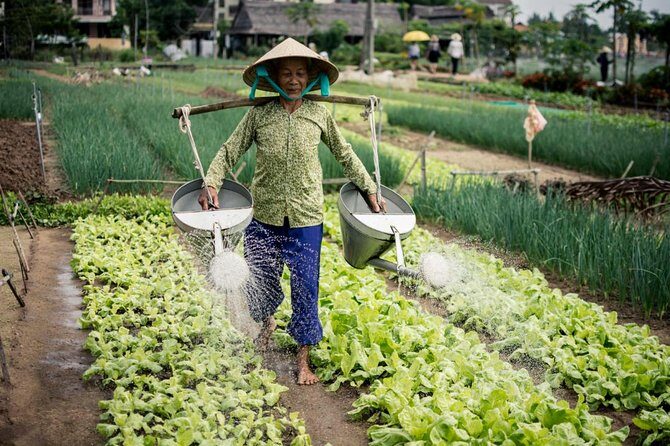
- Tra Que Vegetable Village: light farm work with traditional methods
- The Master Chef competition: cooking with vegetables you helped bring to life
- Lunch at the farmer’s house: the meal you cook, not just a meal you eat
- The $71 price: how to judge value for a half-day in Hoi An
- Cycling comfort: why the ride tends to feel manageable
- Practical details that make the day smoother
- Who should book this cooking class (and who might not)
- Should you book Tra Que Vegetable Village cooking?
- FAQ
- What is the duration of the Half Day Cooking Class at Tra Que Vegetable Village?
- Where does the tour start, and is pickup offered?
- Do I need to pay for the market stop?
- Is bicycle use included?
- What happens at Tra Que Vegetable Village?
- Is lunch included?
- What language is the guide?
- How big is the group?
- What if the weather is bad?
Key highlights worth your time
- Ba Le Market ingredient shopping so your cooking starts with real selection skills
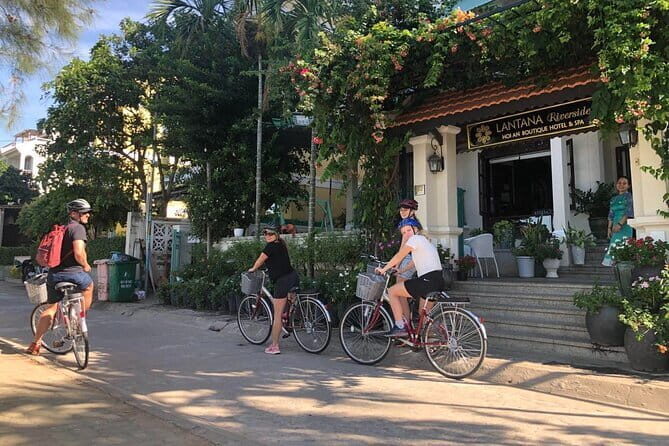
- Scenic rural cycling on small roads that feel far from town
- Traditional farm tasks with no electrical machinery, plus a farmer-led village walk
- A practical cooking class focused on Hoi An specialties using Tra Que vegetables
- A friendly Master Chef competition that keeps the kitchen energy high
- Max group size of 15 for a more personal feel
From your hotel to Ba Le Market: the ingredient lesson you’ll use later
The day starts with a hotel pickup (for the 8:00 am or 14:00 pm departure) and then you head out by bicycle toward Hoi An’s central market area. You’re not just looking around—you’re learning how to spot fresh ingredients that matter once you’re cooking.
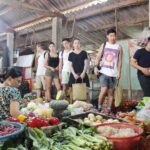
At Ba Le Market, the focus is practical: what to choose, what freshness looks like, and how locals think about ingredients. The market is also described as a place to chat and connect, not only a buying-and-selling spot, which makes it feel more like community life than a tourist checklist.
Market stop time is about 40 minutes, so you’ll want to stay switched-on. If you tend to linger in markets, set yourself a gentle pace goal—this is a short, efficient stop.
You can also read our reviews of more cooking classes in Hoi An
Ba Le Market bargaining and animal-watching (yes, really)
This market part teaches you bargaining, and it’s done in a realistic way. You’ll see how everyday people handle the rhythm of buying fruit, goods, and even souvenirs.
You may also spot animals in the market area, depending on what’s happening that day. In the broader village experience, you’ll have a chance to see animals like water buffalo, storks, cows, and free-range chickens, and it’s a nice reminder that this area runs on agriculture, not only tourism.
If you’re the type who likes markets, this section is your payoff. If you’re not, you’ll still get value because the ingredient knowledge directly supports what you’ll cook next.
Tra Que Vegetable Village: light farm work with traditional methods
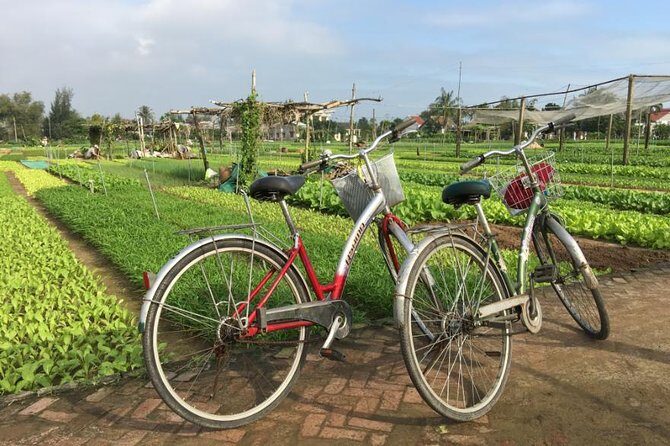
After the market, you bike onward to Tra Que Vegetable Village. This is where the tour turns from learning into doing, and you get the village welcome with a local drink before the farm walk.
Then a local farmer leads the visit through herbs, vegetables, and fruits. You’ll see the variety up close and get a sense of how many different plants are part of daily farming here.
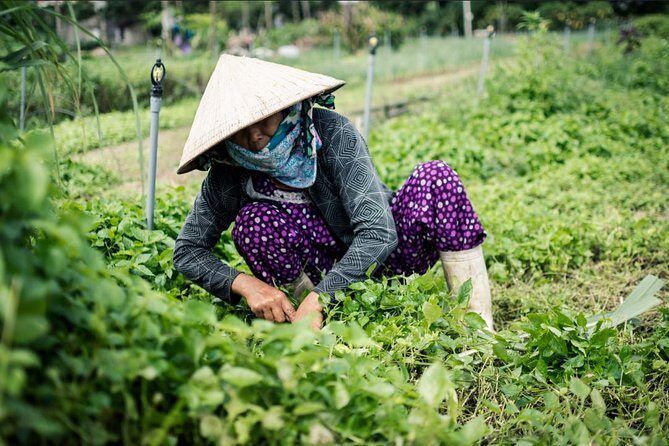
The tour also includes hands-on farming tasks. You’ll wear farming clothes and do some light work using traditional methods with no electrical machinery. That detail matters: it’s not a staged “show,” it’s a style of labor that shaped how these farms were run for generations.
You should expect a slower pace here. This is the time when the experience gives you context—how farming fits into a normal day, and why certain ingredients are treated with care.
The Master Chef competition: cooking with vegetables you helped bring to life
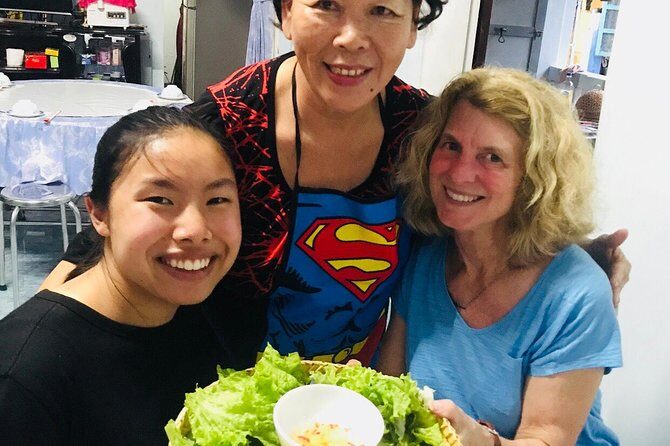
Back at the farmer’s house, the cooking class is where you actually make dishes. The tour is framed as a group competition to become a local MASTER CHEF, with a winner receiving a local special prize.
That competition format is more than fun branding. It pushes you to pay attention—timing, technique, and flavors—because you’re not just watching a demonstration. You’re actively cooking alongside other participants, which tends to make the lesson stick.
You’ll learn to cook Hoi An specialties using Tra Que vegetables. The tour description specifically points to Tra Que vegetable sal and other village-based specialties, so expect dishes that highlight greens and herb flavors rather than generic “Vietnamese cooking” themes.
One smart part of this setup: the day’s earlier market knowledge becomes useful. When you’ve already learned what good ingredients look like, you can understand why certain textures and flavors matter while you cook.
Lunch at the farmer’s house: the meal you cook, not just a meal you eat
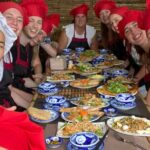
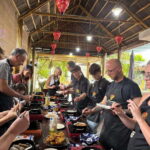
Lunch is included, and it’s served at the local farmer’s house with multiple dishes. This is one of those tours where you benefit from continuity: you cook the food, then you sit down and eat what you made.
That makes the flavors easier to decode. If a dish tastes more herbal than you expected, you’ll remember the specific ingredients and steps you used. If something comes out well-done or balanced, you’ll know which choices created the result.
You also get a nice cultural rhythm here. Instead of being rushed through a buffet, lunch happens where the work and farming have their home base—so it feels grounded rather than scripted.
You can also read our reviews of more tours and experiences in Hoi An



The $71 price: how to judge value for a half-day in Hoi An
At $71 per person, this isn’t the cheapest thing you can book in Hoi An, but it’s not aimed at budget travelers either. The value comes from bundling several real components into one: pickup and cycling, market instruction, farm tasks, a cooking lesson, and lunch.
You’re also getting a few extras that often cost extra elsewhere. The bicycle use is included, along with bottle water and wet tissues. The tour also includes an English-speaking guide, plus all fees and taxes.
The max group size is 15, which can matter for hands-on instruction. Small groups usually mean more attention in the kitchen, more chances to ask questions, and fewer delays while waiting your turn.
If you compare this to doing a market visit plus a separate cooking class, the bundled flow is the selling point. You’re paying for “one coherent day” instead of two disconnected activities.
Cycling comfort: why the ride tends to feel manageable
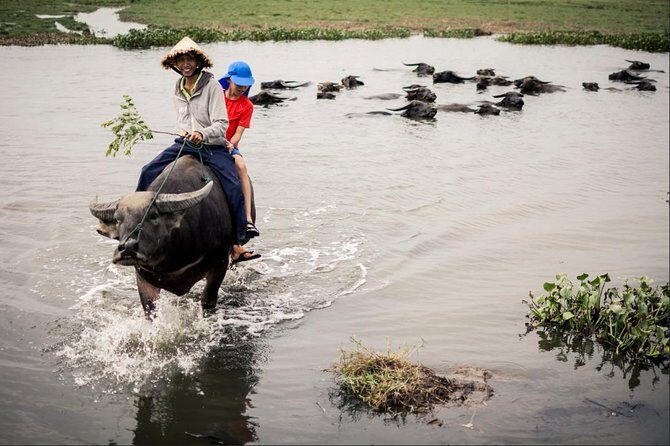
The route includes cycling to Ba Le Market and then onward to Tra Que Vegetable Village. The tour description notes small rural farming roads with fabulous views, and one review highlights that the cycling is pretty flat and easy for someone without cycling experience.
That’s reassuring if you worry about hills. You should still treat it like real cycling time—bring water, go at a steady pace, and don’t feel pressured to race the group.
Also, think about the timing. With a half-day schedule, you can’t afford to be overly cautious about every single turn, so trust the guide’s pacing. The goal is comfort, not athletic achievement.
Practical details that make the day smoother
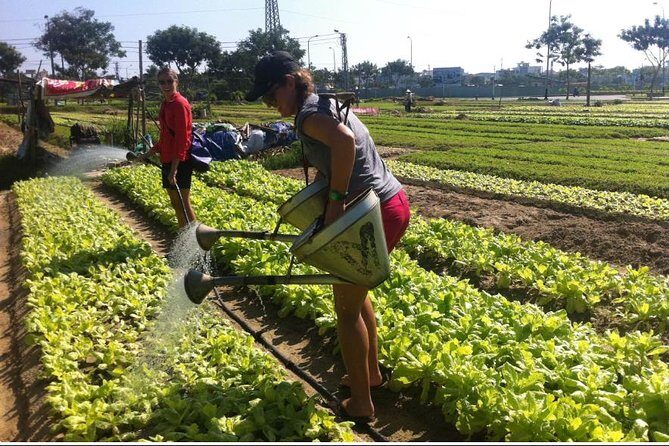
This experience provides water and wet tissues, which you’ll appreciate after market browsing and farm time. You’ll also have a local guide who speaks English, and in at least one strongly praised experience, the guide name Mr. Tran is mentioned for clear knowledge and helpful direction.
You’ll want to dress for outdoors. Farming clothes are part of the farm activity, but you’ll still be wearing your own shoes and staying comfortable during transfers. Closed-toe footwear is a safe bet for a day that includes cycling and farm surfaces.
Bring a simple mindset: you’re going to learn, you’re going to cook, and you’re going to share the space with other people in a group. If you can do that, the competition element tends to feel friendly instead of stressful.
Who should book this cooking class (and who might not)
This tour is a great match if you like food with context. You want to know where ingredients come from, how farmers work, and why flavors show up the way they do on the plate.
It’s also a good choice for couples and small groups who want an activity that feels active but not extreme. The mix of cycling, light farm work, and cooking gives you multiple “hands-on” moments.
I’d be a bit cautious if you have limited comfort with outdoor movement or you hate markets. The day includes both, and the schedule is tight enough that you’ll feel the momentum even if you’re tired.
Should you book Tra Que Vegetable Village cooking?
If you want a half-day that connects farming, ingredients, and cooking into one storyline, this is an easy yes. The market-to-farm-to-kitchen flow is exactly what makes the experience more than a simple cooking demo, and the Master Chef format adds energy without taking over the lesson.
Book it if you value hands-on learning and you’re excited by Tra Que vegetable flavors. Consider another option if cycling and light farm tasks sound like work rather than fun—because that part is central to the way this day is designed.
FAQ
What is the duration of the Half Day Cooking Class at Tra Que Vegetable Village?
The tour lasts about 5 hours.
Where does the tour start, and is pickup offered?
Pickup is offered from your hotel. The guide meets you at 8:00 am or 14:00 pm and then cycles toward the market area.
Do I need to pay for the market stop?
The admission ticket for the Ba Le Market stop is free.
Is bicycle use included?
Yes, bicycle use is included as part of the tour.
What happens at Tra Que Vegetable Village?
You’ll be welcomed with a local drink, visit the village with a local farmer, do some light farming work in traditional ways, and then join a cooking class at the farmer’s house.
Is lunch included?
Yes, lunch is included, and you eat many dishes at the farmer’s house.
What language is the guide?
The tour includes an English-speaking tour guide.
How big is the group?
The maximum group size is 15 travelers.
What if the weather is bad?
This experience requires good weather. If it’s canceled due to poor weather, you’ll be offered a different date or a full refund.