One street. One guide. Then it’s food nonstop. This private Hoi An tour mixes classic bites like white rose dumplings with real cultural stops such as the Japanese Covered Bridge and a locals-first game. The one thing I’d keep in mind is that you’ll be walking and eating on a tight 3 to 5 hour schedule.
I especially liked how the experience felt relaxed and personal, not like a conveyor belt of strangers. With Eric as the guide, you get explanations that actually connect what you’re tasting to where you’re standing.
You also get a smart blend of flavors and settings: dumpling-making energy, herbal tea at a local spot called Mot, time in the big Hoi An market, and a fun night session with Bai Choi when it fits your schedule.
In This Review
- Key highlights worth planning for
- A private Hoi An food tour that actually feels local
- White rose dumplings and Mot herbal tea: your first flavor lesson
- What to do with this stop
- Fukian Assembly Hall (Phuc Kien) and Quan Thang: history you can walk through
- A practical consideration
- Hoi An market time: bargain energy and real street life
- Tips that help in the market
- Cao Lau and banh xeo: eating the two dishes Hoi An locals take seriously
- What I like about this food mix
- Japanese Covered Bridge and Bai Choi at night: the culture shift
- What to plan for Bai Choi
- Price and timing: value check for a 3 to 5 hour private plan
- One more thing: good weather matters
- Who this tour is perfect for (and who should skip it)
- Should you book this private Hoi An food tour?
- FAQ
- How long is the Private Food Tour and Hidden Gems in Hoi An?
- How much does the tour cost?
- Is this tour private or shared?
- Do you offer pickup in Hoi An?
- What foods are included in the tasting?
- Are entrance fees included for the attractions?
- What landmarks are part of the route?
- What is Bai Choi, and what time does it happen?
- What happens if the weather is bad?
Key highlights worth planning for
- White rose dumplings: watch dumpling prep and taste them fresh
- Fukian (Phuc Kien) Assembly Hall built in 1696, with incense-wish moments
- Quan Thang Ancient House and the story thread behind white rose dumplings
- Hoi An market time for bargain attempts or people-watching
- Cao Lau noodles: a Hoi An specialty you can only really get here
- Bai Choi bingo: a traditional game tied to 7 pm nights
A private Hoi An food tour that actually feels local
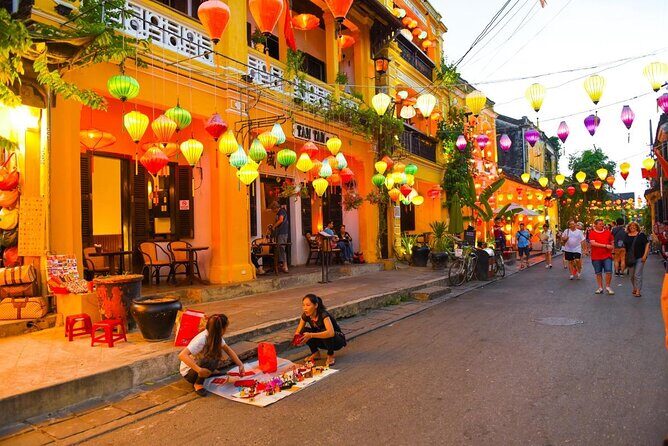
Hoi An is one of those places where it’s easy to eat well… but harder to eat well and understand what you’re eating. This private tour solves that. You get a guide who can translate the food into context fast, while you move at a comfortable pace through ancient streets.
The best part is the format: it’s not a big group shuffle. It’s just your party with private transportation and a route that hits both the heritage sights and the meals. That matters in Hoi An because the “where” is part of the “why.” When you can place a dish in the story of the neighborhood, it stops being just tasty and becomes memorable.
You’ll also get a practical mix of tastes, not only the famous stuff. Expect white rose dumplings, Cao Lau, local pancakes like banh xeo, plus tea and likely banh mi as part of the food plan. If you like eating your way through a place, this is an efficient way to do it without spending hours building your own route.
You can also read our reviews of more food & drink experiences in Hoi An

White rose dumplings and Mot herbal tea: your first flavor lesson
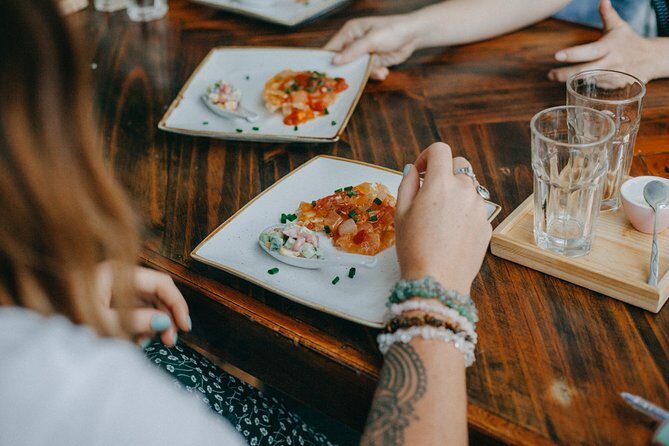
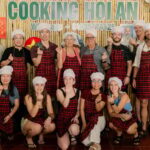
Your first stop centers on white rose dumplings, one of Hoi An’s signature foods. You’ll visit a White Rose restaurant to see how the dumplings are made, and then you’ll get to try them. The “see it, then eat it” timing is a big win here. Fresh dumplings right after you watch the process just taste different than dumplings you order later.
This stop typically lasts about 30 minutes, and the admission ticket is listed as free for that portion, which helps keep the value feeling tight. Even if you’ve tried dumplings elsewhere, the style and the story connection are what make this worthwhile.
From there, the tour switches gears slightly with a tea stop at a traditional local place called Mot. You’ll sample an herbal tea that’s meant to leave you feeling fresh and cool. In practice, this is the kind of pause you want in Hoi An: a short sit-down moment before the next round of walking and eating.
What to do with this stop
- Show up hungry. You’re not just tasting one dish.
- Pay attention to what the guide says about how white rose dumplings fit into local culture. It makes the next stops land better.
Fukian Assembly Hall (Phuc Kien) and Quan Thang: history you can walk through
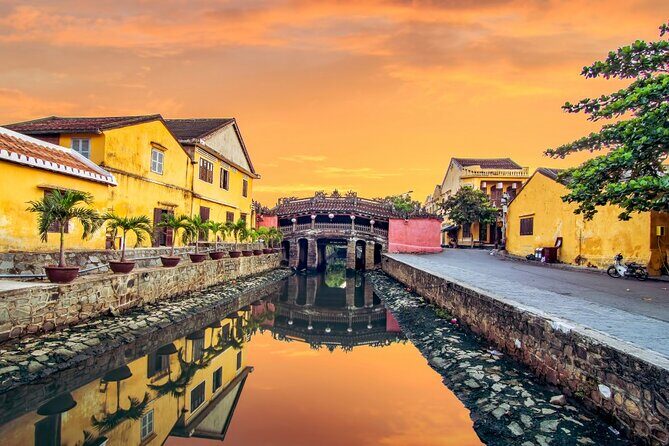
Hoi An’s old-town sites are pretty even if you’ve never studied anything about Vietnam. But when a tour connects them to food and community, the buildings feel less like background and more like part of the meal.
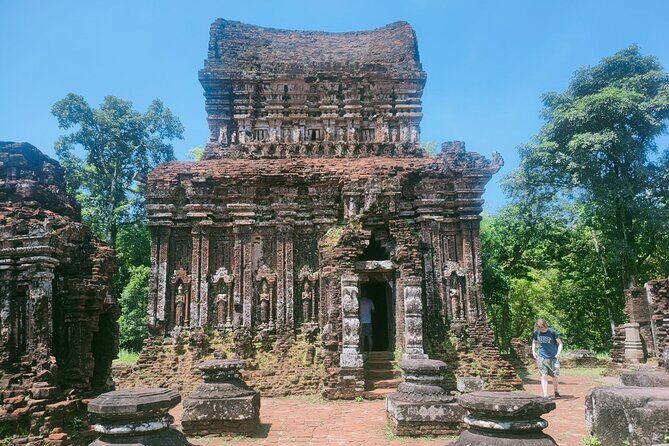
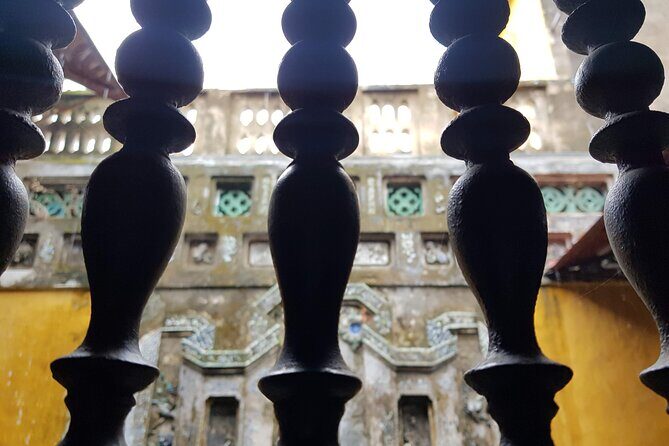
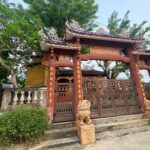
At the Fukian Assembly Hall (Phuc Kien), you’ll visit a Chinese assembly hall built in 1696. That date alone gives you a sense of how long these communities have shaped Hoi An. There’s also a cultural moment where you may get the chance to burn a circle incense stick to make wishes.
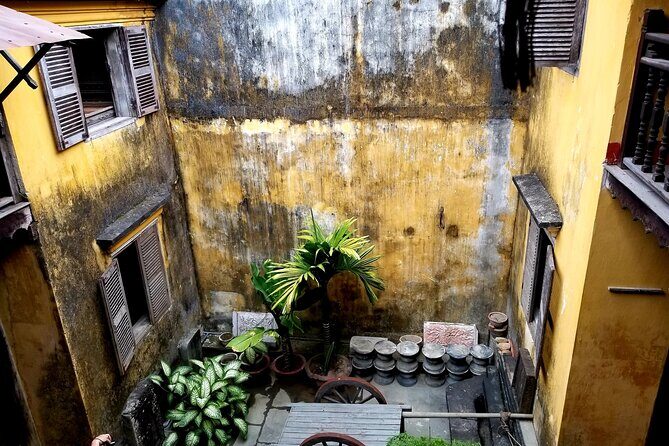
Then you move to Quan Thang Ancient House, described as the oldest ancient house built by a Chinese trader. This is where the tour links the setting directly back to the white rose dumpling story. If you’re the kind of person who likes to understand how traditions get carried forward, this stop is especially satisfying.
Both of these stops are around 30 minutes, so you’re not stuck in long museum-mode. It’s more like you’re getting your bearings fast, then moving on to taste and repeat.
A practical consideration
Incense and wish rituals are part of the experience as offered by the venue. If you prefer not to participate, you can still watch, listen, and keep the visit respectful.
You can also read our reviews of more tours and experiences in Hoi An



Hoi An market time: bargain energy and real street life
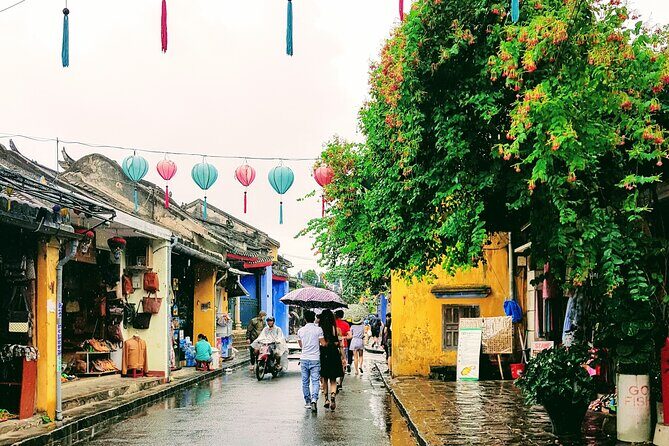
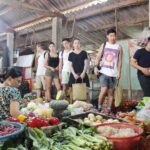
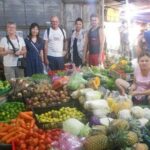
One of the best ways to understand Hoi An is to see how people buy, trade, and chat—before you start treating the town like a postcard. This tour builds in a visit to the Hoi An market, and it’s positioned as the biggest local market in town.
You get time to bargain if you want, or you can just walk through and watch how people shop and trade. That’s an underrated benefit. Even if you don’t plan to buy anything, watching the rhythm of the market helps you feel less like an outsider.
There’s also a second market segment later in the route. That works because the first market stop sets the scene, and later you’re back with a clearer focus on what you want to eat next.
Tips that help in the market
- If you plan to buy, expect bargaining culture. Don’t guess prices you’ve seen in tourist areas.
- If you just want to observe, bring patience. Markets are noisy, crowded, and honest.
Cao Lau and banh xeo: eating the two dishes Hoi An locals take seriously
Here’s the part that makes the tour earn its food-tour name.
The tour includes a stop for Cao Lau, a traditional noodle dish that’s described as something you can only really find in Hoi An. If you’ve never tried it, you’re in for a noodle experience that feels more place-specific than generic “Vietnamese noodles.” This is also one of the classic three-food mentions tied to Hoi An: banh mi, white rose, and Cao Lau.
Then there’s a pancake moment with banh xeo. This is one of those foods that works because it’s shareable and hands-on. You’ll try a local pancake, and the tour mentions having a local person involved during the tasting, which tends to make it feel less like a demo and more like actual daily food life.
You’ll also have tea during the run, plus included meals. The tour’s meal list includes Cao Lau, white rose, and Vietnamese pancake/banh mi. So even if you’re more of a noodles-and-crunch person than a sweets person, there’s enough variety to keep the tour from feeling repetitive.
What I like about this food mix
You get:
- A dumpling (white rose) with a process story
- A noodle specialty (Cao Lau) tied to place
- A savory pancake (banh xeo) with a local tasting vibe
- Tea to reset your taste buds between stops
That spread is why this tour works so well in a short time window.
Japanese Covered Bridge and Bai Choi at night: the culture shift
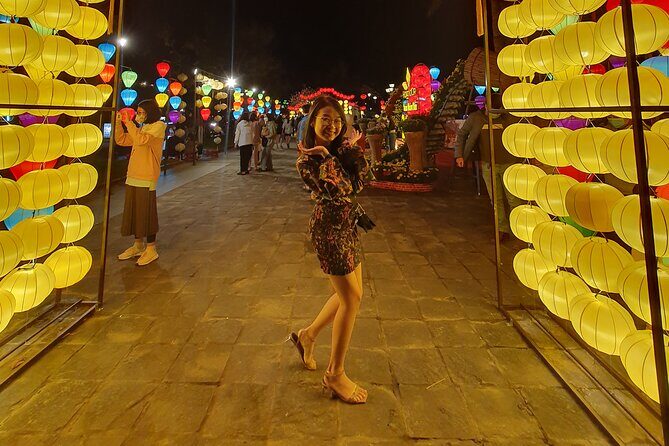
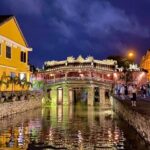
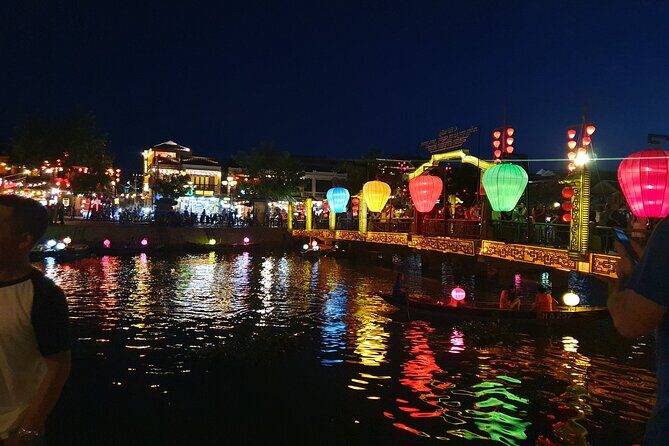
After eating, it’s great to reset with a landmark that’s instantly recognizable. The tour includes the Japanese Covered Bridge, which is described as iconic. You’ll follow the local guide and hear stories connected to the bridge. Even if you’ve seen photos, it helps to have a real explanation before you move on.
Then you get the traditional night activity: Bai Choi. This is a bingo game with locals. It starts at 7 pm every night and is described as something people join not mainly for big rewards, but for fun and community.
This is one of those moments where the tour stops feeling like a food crawl and starts feeling like you stepped into daily life. You’re not only eating; you’re playing a local game in a familiar setting.
What to plan for Bai Choi
If your tour timing lines up with the evening (since Bai Choi is at 7 pm), this is the most “Hoi An” part of the whole experience. If it doesn’t align, the rest of the tour is still strong—but you’ll miss this specific night flavor of culture.
Price and timing: value check for a 3 to 5 hour private plan
At $54 per person, this tour sits in a reasonable midrange spot for a private food experience in Hoi An. The value comes from how much you pack in without turning it into a race.
You’re paying for:
- Private transportation
- All entrance fees
- Multiple included meals (white rose, Cao Lau, banh xeo and likely banh mi as listed)
- Herbal tea / coffee and/or tea
- The ticket for the Bai Choi game
So yes, you’re spending money. But you’re also buying convenience and access. The guide handles the pacing, the cultural context, and the transitions between food stops and heritage sites.
The duration is listed as 3 to 5 hours, which is long enough to eat several times and still see major landmarks. It’s also short enough that you can fit this early in your trip or as a centerpiece outing on one day.
One more thing: good weather matters
The experience is noted as requiring good weather. If conditions are poor, it may be canceled and you’ll be offered a different date or a full refund. In coastal Vietnam, that’s not rare, so it’s smart to keep some schedule flexibility.
Who this tour is perfect for (and who should skip it)
This tour is a strong match if you:
- Want a private setup with a guide named Eric who can explain food and customs
- Like eating local specialties like white rose dumplings, Cao Lau noodles, and banh xeo pancakes
- Enjoy culture built around community, not only monuments
- Want a route that mixes ancient buildings with market life
You might consider a different option if you:
- Hate walking. The route includes multiple stops across ancient areas.
- Need zero uncertainty about timing. Bai Choi depends on the 7 pm session, so your day should allow for it if you want that night game.
Should you book this private Hoi An food tour?
I think it’s an easy yes if you want a short, high-impact day where food and place story move together. The dumpling-making moment, Cao Lau focus, and the Bai Choi game at night are exactly the kind of combination that makes Hoi An feel lived-in, not staged.
Book it if you like practical guidance and you’re hungry enough to handle multiple tasting stops. Skip it only if you’re looking for a mostly sightseeing-only day or you’d rather pick dishes one-by-one on your own.
FAQ
How long is the Private Food Tour and Hidden Gems in Hoi An?
It runs about 3 to 5 hours.
How much does the tour cost?
The price is $54.00 per person.
Is this tour private or shared?
It’s private. Only your group participates.
Do you offer pickup in Hoi An?
Pickup is offered. Port pick up fees are not included.
What foods are included in the tasting?
The included meals include Cao Lau, white rose, and Vietnamese pancake/banh mi, plus herbal tea (and/or coffee and/or tea depending on the stop).
Are entrance fees included for the attractions?
Yes. All entrance fees are included.
What landmarks are part of the route?
You’ll see the Japanese Covered Bridge, Fukian Assembly Hall (Phuc Kien), Quan Thang Ancient House, and you’ll spend time in Hoi An Ancient Town.
What is Bai Choi, and what time does it happen?
Bai Choi is a traditional bingo game with locals. It starts at 7 pm.
What happens if the weather is bad?
The experience requires good weather. If it’s canceled due to poor weather, you’ll be offered a different date or a full refund.