REVIEW · HOI AN
Private Boat to Hoi An Craft Villages-Pottery, Carpentry village
Book on Viator →Operated by TTP Henry Travel Hoi An · Bookable on Viator
Hoi An’s crafts come by boat. This private outing pairs a Thu Bon River boat ride with hands-on craft time at two famous villages, so you see how the work gets made instead of just watching from afar. You’ll visit Thanh Ha for decorative pottery tied to the Nguyen Dynasty, then head to Kim Bong carpentry, where wooden boat-making and carving are part of daily life.
One possible drawback: this is weather-dependent and includes biking plus village walking. If you hate getting a little warm, bring solid shoes and plan for an active few hours.
In This Review
- Key highlights you should know
- A craft-day in Hoi An that actually feels local
- Pickup times and how the 3–4 hours unfold
- Boarding the Thu Bon: the start that sets the tone
- Thanh Ha Pottery Village: where decorative clay becomes a craft
- What you’ll see at Thanh Ha
- A small practical note
- Kim Bong Carpentry Village: woodwork, boat-building, and carvings
- What makes Kim Bong special
- The drawback to plan for
- Biking, walking, and how the day keeps you engaged
- The guide and included basics that remove hassle
- Price and value: is $40 per person fair?
- Who should book this craft-village boat tour?
- What to bring for pottery, carpentry, and river time
- Should you book it?
- FAQ
- What is the duration of the tour?
- Are hotel pickup and drop-off included?
- Which craft villages are visited?
- What does the price include?
- Is this tour private?
- What time does the tour start?
- What happens if it’s canceled due to weather, or if I cancel?
- Is confirmation provided after booking?
Key highlights you should know
- Private tour for just your group, so the pace can feel easier
- Local-style boat on the Thu Bon linking Hoi An to nearby craft villages
- Thanh Ha pottery village with roots in 16th–17th century earthenware production
- Kim Bong carpentry village (Cam Kim Hamlet) known for traditional wooden fishing boats
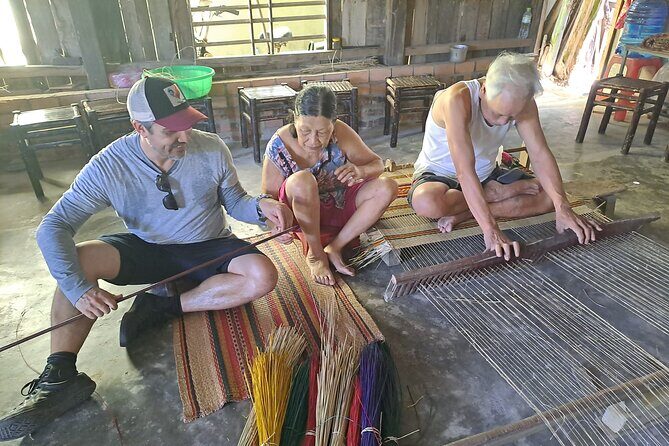
- Village walkthroughs that include weaving mat and rice noodle-making stops
- Hotel pickup/drop-off plus entrance tickets and bottled water included
A craft-day in Hoi An that actually feels local
This tour is built around a simple idea: crafts don’t happen in neat museums. They happen in working villages—along waterways, on village lanes, and in workshops where wood and clay are handled day after day.
What I like is how the schedule mixes motion and stops. You’re not stuck in one place. The boat ride gives you a calm, scenic “in-between” moment, then the villages take over with real demonstrations and plenty to look at (including decorative pieces like teapots, cups, vases, and bowls).
Also, the experience isn’t just “look.” You get chances to take part in craft-making moments. In particular, the pottery stop is designed around making something specially for you, and the later rice/noodle segment can turn into a fun, hands-on break from staring.
You can also read our reviews of more boat tours in Hoi An



Pickup times and how the 3–4 hours unfold
You’ll be met in the hotel lobby, either at 8:00AM for the morning tour or 2:00PM for the afternoon tour. The whole experience runs about 3 to 4 hours, which is a good length in Hoi An: long enough to feel like a real outing, short enough that you can still enjoy the rest of your day.
Because it’s private, your group doesn’t have to squeeze into other people’s momentum. That matters on craft tours, where the best part is often the time you spend asking questions and watching details—how a potter shapes clay, how a carpenter fits wood pieces, or how a process repeats until it becomes consistent.
Boarding the Thu Bon: the start that sets the tone

The day begins with a ride out to the Thu Bon River. From there, you’ll travel by boat to reach the craft villages.
This is more than transport. The river segment changes the feel of the day. It gives you:
- a scenic break from Hoi An’s streets
- a slower “now we’re leaving town” transition
- a clear sense of place—these villages are tied to waterways and historic trade routes
You’ll then get moving again around the villages (including biking as part of the experience, plus walking in the village areas). So expect a pace that’s active, but not rushed.
Thanh Ha Pottery Village: where decorative clay becomes a craft
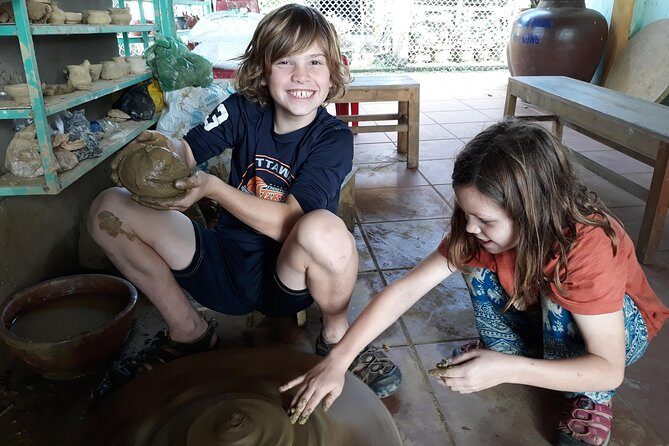
Your first major stop is Thanh Ha Pottery Village for about 1 hour. This village has long roots: in the 16th and 17th centuries, Thanh Ha was known for earthenware sold across Central Vietnam. The work wasn’t limited to household items. Thanh Ha villagers also made the bricks, tiles, and floor slabs for older buildings in Hoi An and nearby areas.
And here’s the connection that makes this more than “pretty pottery.” The village is known for decorative pottery that historically supported palaces of the Nguyen Dynasty. That helps you understand why the pieces can be ornate, designed, and carefully finished—not just functional.
What you’ll see at Thanh Ha
In the pottery area, you’ll get a look at decorative-making processes and finished items like:
- teapots and cups
- vases and bowls
You’ll also have the chance to create a product especially for you. The exact item style can vary with what’s available during your visit, but the idea is consistent: you’re not only watching—you’re participating in at least one craft moment.
You can also read our reviews of more private tours in Hoi An






A small practical note
Pottery-making takes time and attention, so don’t plan your day around another “must-see” immediately after. This stop is designed to help you actually understand what you’re seeing.
Kim Bong Carpentry Village: woodwork, boat-building, and carvings
Next comes Kim Bong Carpentry Village, located at Cam Kim Hamlet, with about 2 hours for this stop.
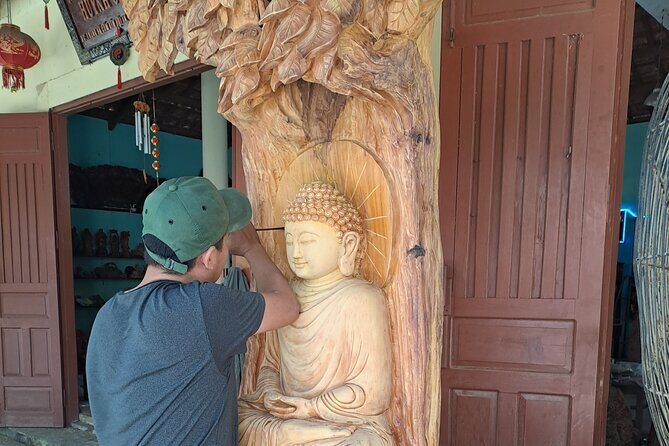
Kim Bong is famous because Hoi An’s earlier architecture depended on skilled woodworking. When the port was thriving, local craftsmen produced many of the architectural details with methods passed down through generations. The village is known for techniques that hold up in real structures, not just as decoration.
What makes Kim Bong special
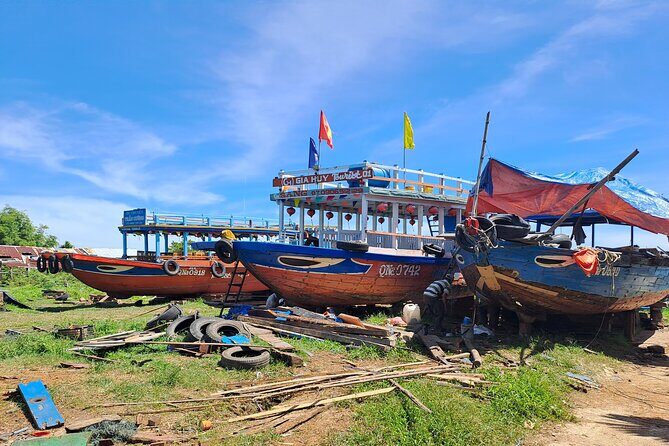
This is the stop that feels most “workshop-real.” You’ll watch how traditional wooden fishing boats are made, then see carpenters working on handcrafted furniture and carvings. If you like craftsmanship—wood joinery, shaping tools, and precise finishing—this is where your camera will get a workout.
The experience also expands beyond carpentry with walking and viewing stops that can include:
- weaving mat making
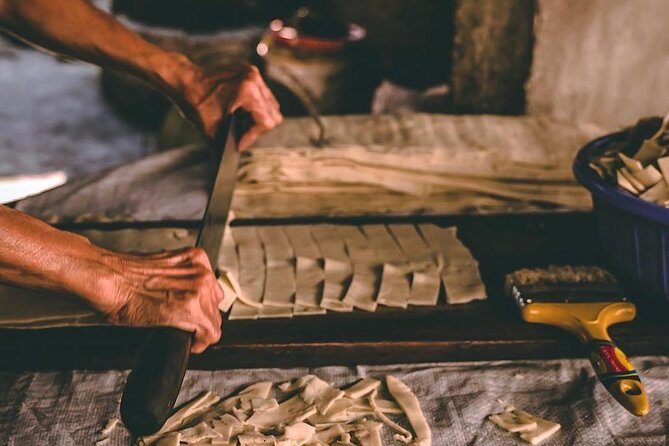
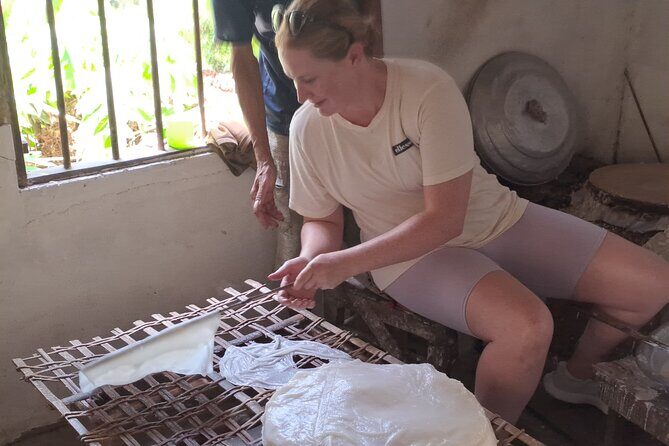
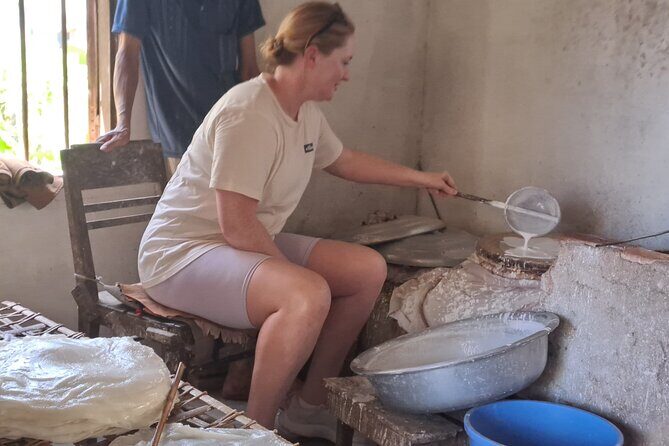
- rice noodle-making
That variety is one reason people enjoy the day even if they’re not obsessed with pottery or wood. The village rhythm is practical: one process leads to another, and you get a sense of how everyday production connects different families and skills.
The drawback to plan for
Because you’re moving around—walking through village areas and biking between points—Kim Bong is where comfort matters most. Wear shoes you can stand in for a while. If you’re sensitive to heat, plan water habits early in the day (you’ll have bottled water on tour, but you’ll still want to pace yourself).
Biking, walking, and how the day keeps you engaged
The tour uses a mix of ways to travel within the area: boat for the river segment, plus biking and walking in and around the villages. That pacing does two useful things:
1) It prevents the craft stops from feeling like a long viewing session.
2) It gives you multiple “angles” on the work—up close in workshops and more broadly as you move through village areas.
It’s also why this tour tends to work well for families. Craft villages offer both spectacle and participation. If your group includes kids, the food-related segment connected to rice/noodle-making can be a highlight, because it turns watching into something more playful—and often more memorable than another photo stop.
The guide and included basics that remove hassle
A big part of the value here is how much is handled for you. You get:
- an English-speaking tour guide
- entrance tickets for the village stops
- hotel pickup and drop-off
- bottled water
- a mobile ticket
- confirmation at booking
A good guide matters on craft tours because the interesting bits are in the small details: what’s being made, why a step is repeated, and how local materials and tools shape the final result. With an English-speaking guide, you’re more likely to catch those explanations instead of only seeing the surface.
Price and value: is $40 per person fair?
The cost is $40 per person, and the duration is about 3 to 4 hours. On paper, that’s not an all-day excursion, but it’s also not a quick “stop and go” either. For your time, you’re paying for more than sightseeing:
- private format for your group
- hotel transfers
- boat transport on the Thu Bon
- entrance tickets
- a guided craft-focused route through two major villages
If you’re traveling as a couple or small group, the value usually feels strongest because you’re not splitting the experience with strangers. If you’re solo, it can still make sense if you want a structured craft day without the hassle of arranging transport, tickets, and timing yourself.
Also note that the tour offers group discounts, which can improve value if you can travel with friends or join a small party.
Who should book this craft-village boat tour?
I’d put this on your shortlist if you:
- want a real craft day in and around Hoi An (pottery plus carpentry)
- like workshops and making-you-think details—how things are produced, not just what they look like
- want a family-friendly outing with practical, hands-on moments
- prefer a plan that’s organized, guided, and time-efficient
I might skip it if you:
- hate being outdoors in heat
- want a purely relaxing day with minimal walking and biking
- only care about history in big monuments rather than in everyday craft production
What to bring for pottery, carpentry, and river time
This is a practical tour, so pack for comfort and a little mess potential.
Bring:
- comfortable closed-toe shoes for village walking and uneven ground
- light layers (the day can be warm)
- a hat and sunscreen
- a small towel or wipes (handcrafts can get dusty)
- a light rain layer if the weather looks uncertain
If you end up making something at the pottery stop, you’ll also want a plan for carrying it safely. The tour includes time for making, but you still need to protect what you bring home.
Should you book it?
Yes, if you want an honest craft experience that mixes river travel with two of Hoi An’s most meaningful workshop villages—Thanh Ha for pottery and Kim Bong for carpentry and boat-making. The included tickets, guide, and transfers reduce the hassle, and the hands-on craft moments can turn a sightseeing afternoon into something you actually remember.
Book it with extra confidence if your group includes kids or anyone who learns best by doing. Just don’t forget the one real consideration: this tour expects decent weather and some active walking/biking, so show up with comfortable shoes and you’ll enjoy the day much more.
FAQ
What is the duration of the tour?
The tour runs about 3 to 4 hours.
Are hotel pickup and drop-off included?
Yes. Hotel pick up and drop off are included.
Which craft villages are visited?
You’ll visit Thanh Ha Pottery Village and Kim Bong Carpentry Village.
What does the price include?
The price includes entrance tickets, an English-speaking tour guide, and bottled water, plus pickup/drop-off.
Is this tour private?
Yes. It’s listed as private, meaning only your group participates.
What time does the tour start?
You’ll be welcomed at your hotel lobby at 8:00AM for the morning tour or 2:00PM for the afternoon one.
What happens if it’s canceled due to weather, or if I cancel?
The experience requires good weather. If it’s canceled due to poor weather, you’ll be offered a different date or a full refund. You can cancel for a full refund up to 24 hours in advance; within 24 hours, there is no refund.
Is confirmation provided after booking?
Yes. Confirmation is received at the time of booking.