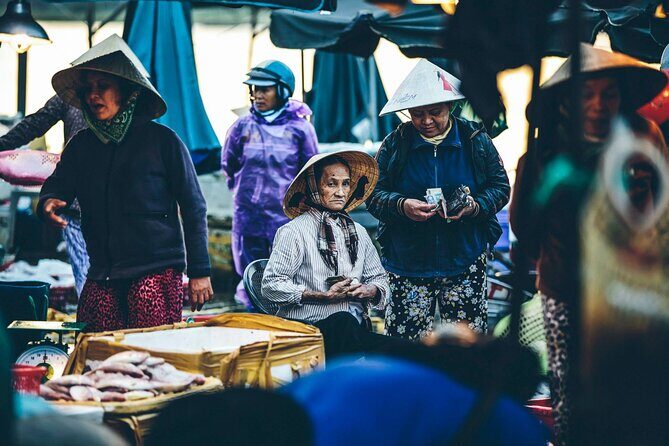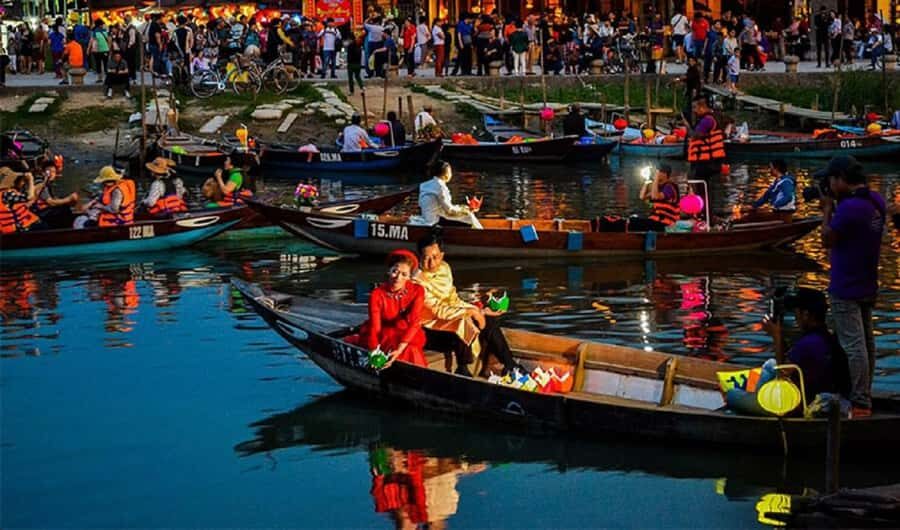
Skip the crowds and follow food. On this Old Hoi An walking tour, you’ll head into backstreets and learn how local families produce ingredients like Cao Lau noodles and bean sprouts, then eat dishes built from what you just saw. What I like most is the hands-on factory-and-market format (not just a restaurant crawl) and the included 5 to 7 tastings with bottled water plus coffee or tea. One thing to consider: it’s a walking tour with a moderate fitness level, so comfy shoes matter.
The group stays small (up to 10), with a choice of morning or afternoon timing. You’ll also get a complimentary pickup from select Hoi An hotels, and you’ll use a mobile ticket to keep things simple.
In This Review
- Key Points That Make This Tour Worth Your Time
- Old Hoi An Backstreets: What This Walk Really Shows You
- Hoi An Ancient Town Stop 1: Inside Perspectives, Temples, and Trade
- Cao Lau Noodles and Bean Sprouts Factories: Watching Food Work Up Close
- How the Tour Turns Watching Into Tasting (5 to 7 Included)
- Morning or Afternoon Timing: Choosing the Right Hours
- Guides, Group Size, and the Comfort of Getting It Right
- Price and Value: Why $41 Feels Fair Here
- Logistics, Tickets, and Weather: What to Watch For
- Who Should Book This Tour, and Who Might Skip It
- Should You Book? My Practical Recommendation
- FAQ
- How long is the Hidden Gems of Old Hoi An experience?
- Is there a choice between morning and afternoon?
- What is the group size limit?
- What’s included in the tour price?
- Where does the tour start and end?
- Are any admission tickets included?
- What is the cancellation policy?
Key Points That Make This Tour Worth Your Time
- Small group, max 10 people: easier questions, less crowding, more time at each stop
- Old Hoi An backstreets first: temples, markets, and architecture you’d miss on your own
- Cao Lau and bean sprouts production: see local food work up close, then taste it
- 5 to 7 tastings included: you eat the ingredients you watched being made
- Coffee or tea plus bottled water: built-in comfort on a warm day
- Hotel pickup in select areas: saves you from figuring out the meeting point in a busy old town
Old Hoi An Backstreets: What This Walk Really Shows You
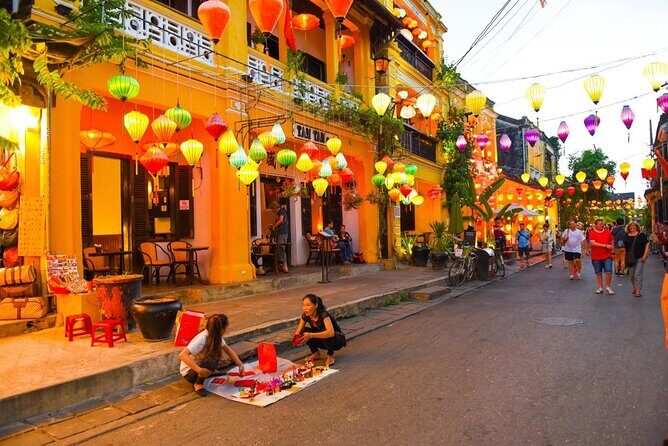
Hoi An’s famous sights are easy to find. The real value here is going sideways into the places where daily life happens. You start with a guided walk through Old Hoi An, including quieter lanes and trails that connect family businesses, temples, markets, and the local rhythm of the neighborhood.
You’ll also hear how different cultures shaped Hoi An and its food—Japanese, Chinese, and Western influences. It’s not just trivia. It helps you understand why the city’s cuisine feels both local and hybrid at the same time.
You can also read our reviews of more tours and experiences in Hoi An.



Hoi An Ancient Town Stop 1: Inside Perspectives, Temples, and Trade
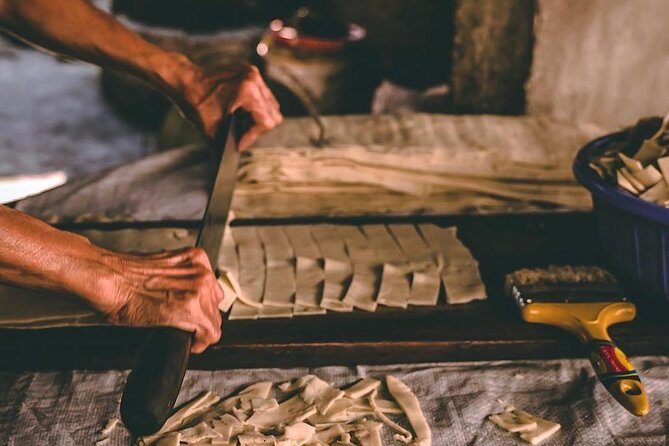
The tour’s first stop centers on Hoi An Ancient Town, then pushes into the alleys right away. You’re guided to local family businesses and shown how items tied to Hoi An’s cuisine are grown or made—especially organic bean sprouts and Cao Lau noodles.
A key part of this segment is what you do between sights: you walk the “flow” of the area and learn the stories behind everyday places like markets and family temples. The route is designed so you don’t just pass buildings. You get context for how people live around them, and why certain foods matter here.
Practical note: one review mentions the guide taking extra care while crossing busy roads. That kind of hands-on guidance is exactly what makes a walking tour feel less stressful.
Cao Lau Noodles and Bean Sprouts Factories: Watching Food Work Up Close
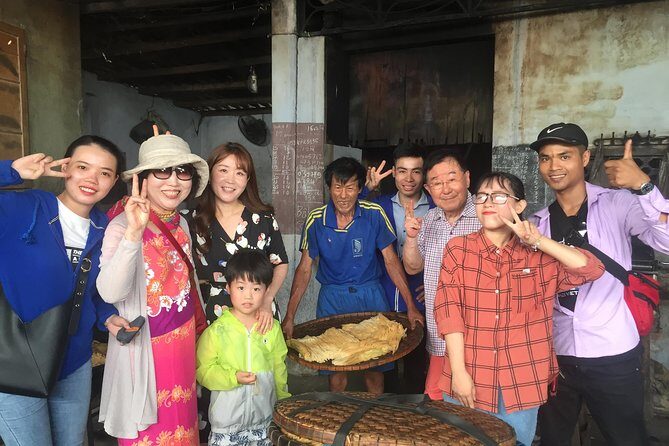
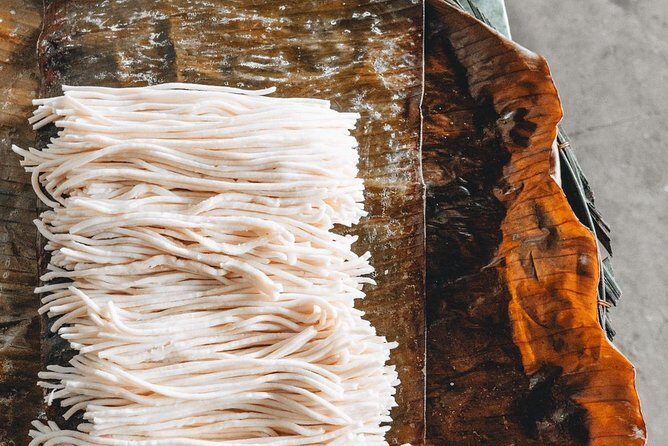
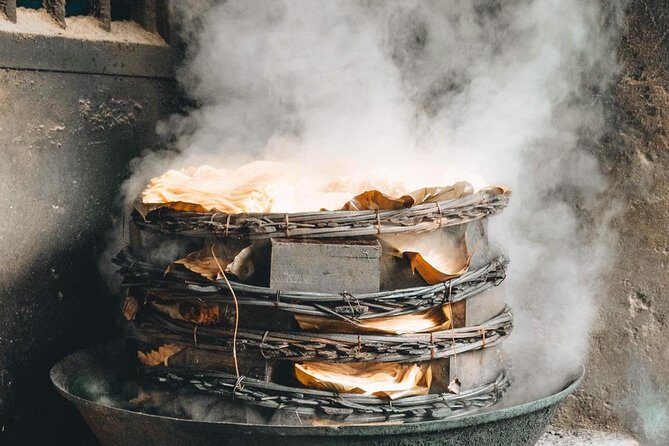
If you love food but hate fake theater, this part is for you. The tour includes visits to family producers involved in items like Cao Lau noodles and bean sprouts, with Cao Lau production described as happening at the oldest factory.
You’ll learn how Vietnamese growers produce organic bean sprouts and how noodle-making fits into a long-running local food system. The cool twist is that you’re not just watching from the sidelines. The tastings later are tied directly to what you saw being made, so the whole experience feels connected.
And yes, it’s the kind of place where the smells, tools, and routines stick with you. You start to notice the craft behind a dish you’ve probably eaten before.
How the Tour Turns Watching Into Tasting (5 to 7 Included)
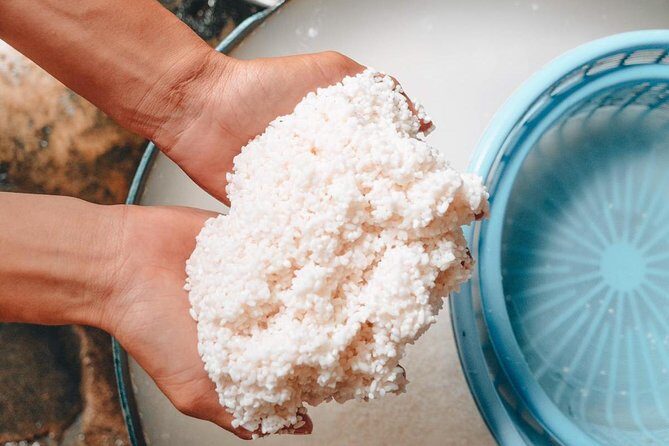
Most food tours give you snacks and call it a day. This one uses a simple method: see the ingredient first, then eat the result.
You get five to seven tastings, plus bottled water and coffee or tea. The tastings are described as dishes that incorporate the items you visited earlier—so you’re not spending your tour just sampling random bites that have nothing to do with the stops.
In feedback from recent guests, highlights often included multiple noodle-based tastes plus bean and mung-based treats, which makes sense given the visits to sprouts and noodle production. The overall effect is that you finish the tour with a clearer mental map of Hoi An cuisine, not just a full stomach.
Morning or Afternoon Timing: Choosing the Right Hours
You can pick either a morning or an afternoon tour. For me, the big advantage of morning is simple: you get into Old Hoi An while streets feel more lived-in and less like a tourist queue.
Recent guest comments repeatedly praised early starts for escaping the crowds and seeing how locals operate before the city swells. Afternoon tours can still work well, but you’ll want to plan for warmer temperatures and more foot traffic.
If you’re sensitive to heat, choose your time based on your own energy level. The walking is the constant.






Guides, Group Size, and the Comfort of Getting It Right
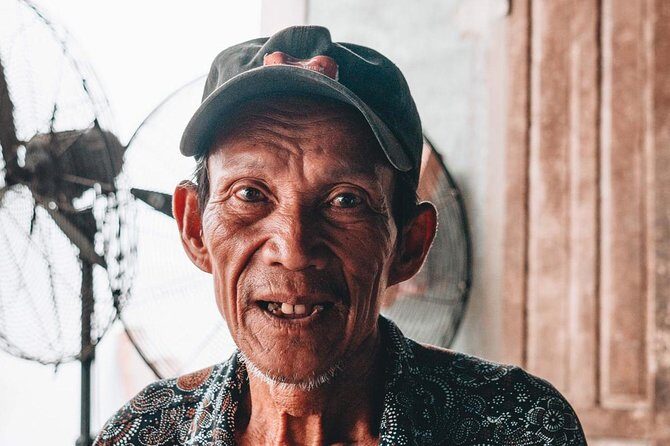
This is a small-group experience with a maximum of 10 travelers, and that matters more than it sounds. Smaller groups make it easier to ask questions and slower down at key moments—like when you’re learning how a family food process works.
Guides also come through in the details. Names that show up in guest experiences include Quyen (often called Quinni), Kim, Kiwi, Van, Harry, and Lien Lien. In plain terms: these guides aren’t reciting scripts. They’re acting as translators between local life and what you’re seeing.
You’ll likely feel more comfortable trying foods because the guide explains what you’re about to taste and why it’s important locally. That small boost makes a big difference on food tours, where uncertainty can kill your appetite.
Price and Value: Why $41 Feels Fair Here
At $41 per person, this tour isn’t trying to be the cheapest thing in town. It feels fair because you’re not just paying for walking and stories.
You’re also paying for:
- 5 to 7 included tastings
- bottled water plus coffee or tea
- a guided walk tied to actual family producers
- a small group experience (max 10)
- complimentary pickup from select hotels
- a tour length of about 3 to 4 hours, so it’s a real half-day experience
In places like Hoi An, a single sit-down meal can easily cost close to that on its own, especially if you’re eating as a tourist. Here, your price spreads across multiple tastes plus cultural context. If you like food AND you like understanding where it comes from, the math usually works.
The only time I’d hesitate is if you already know exactly what you want to eat and you’d rather spend your time doing it independently. Otherwise, this is a strong way to turn “I want local food” into a structured plan.
Logistics, Tickets, and Weather: What to Watch For

The tour notes one segment as about 20 minutes with an admission ticket not included. That usually means there’s at least one stop where you may need to cover a small entry fee yourself. It’s worth confirming what that refers to when you book.
Weather matters too. The experience requires good weather, and if it gets canceled due to poor weather you’ll be offered a different date or a full refund. That’s a normal rule for walking tours, but it’s good to know ahead so you don’t plan it as your one unmovable photo mission.
Bring basic walking-day gear: comfortable shoes and light layers. You’re moving through backstreets, and old town surfaces can vary.
Who Should Book This Tour, and Who Might Skip It
This is a great match if you:
- care about food origins, not just eating
- want a guided path through Old Hoi An’s calmer streets
- like small groups and clear pacing
- enjoy seeing craft at work, especially noodle and sprout production
- want a morning or afternoon plan that takes about 3 to 4 hours
I’d skip or rethink if you:
- hate walking and cramped alley routes
- want a fully hands-off, sit-and-watch experience
- need a tour with zero unexpected costs (because one admission ticket is listed as not included)
Should You Book? My Practical Recommendation
Book it if you want Old Hoi An that feels more like daily life than a photo circuit. The biggest reason is the pairing: you watch family food production and then you eat the results through 5 to 7 tastings. That link makes the tour satisfying even after you’ve had a few meals in town.
If you’re the type who likes to get oriented quickly, this also helps. You’ll learn how local influences shaped the food, and you’ll get a map in your head for where to go next on your own.
If you’re unsure, pick the morning slot and plan for moderate walking. You’ll get the best shot at seeing the city in a quieter rhythm.
FAQ
How long is the Hidden Gems of Old Hoi An experience?
The tour runs about 3 to 4 hours.
Is there a choice between morning and afternoon?
Yes, you can choose either a morning or an afternoon tour.
What is the group size limit?
The tour has a maximum of 10 travelers.
What’s included in the tour price?
It includes five to seven tastings, bottled water, and coffee or tea. There’s also a complimentary pickup from select Hoi An hotels, and you’ll use a mobile ticket.
Where does the tour start and end?
It starts at 03 Phan Đình Phùng, Cẩm Sơn, Hội An, Quảng Nam 560000, Vietnam, and ends at Bill Coffee & Tea, 22 Trần Hưng Đạo, Phường Minh An, Hội An, Quảng Nam, Vietnam.
Are any admission tickets included?
A segment is listed as about 20 minutes with an admission ticket not included.
What is the cancellation policy?
You can cancel for free up to 24 hours in advance for a full refund. If you cancel less than 24 hours before the start time, the amount paid is not refunded. If the tour is canceled due to poor weather, you’ll be offered a different date or a full refund.