REVIEW · HOI AN
Hoi An:Traditional Cooking Class with Cam Thanh Local Family
Book on GetYourGuide →Operated by Dich vu du lich lang que Cam Thanh · Bookable on GetYourGuide
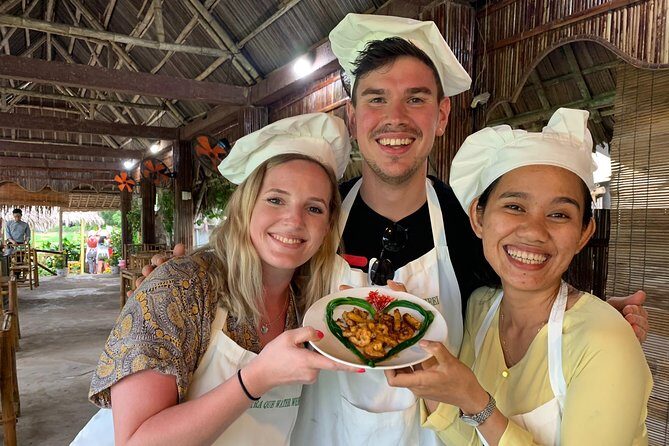
Cooking here feels like a real day in the countryside. You’ll cook Vietnamese favorites with a local family team in Cam Thanh’s coconut village, then sit down to enjoy what you made.
Two things I love: the small-group setup (limited to 10) and the fact you’re learning from an English-speaking chef inside a local setting. The main thing to consider is logistics: hotel pickup and drop-off aren’t included, so you’ll need to get yourself to the meeting point.
You start with a welcome tea, then settle in before the hands-on cooking. The ingredients are prepared by friendly assistants so assembly stays easy, and the whole program runs about 210 minutes (group tour, with times that can shift slightly). If you have allergies, tell the team ahead of time.
In This Review
- Key things that make this cooking class work
- Finding the meeting point near Hoa Vung Villa (Cam Thanh can be tricky)
- From Hoi An Village Experience to the coconut village restaurant break
- Chef-led Vietnamese cooking in an English-friendly format
- The four dishes you’ll cook (and why they’re a great mix)
- Welcome tea, lunch or dinner, and eating with your group
- Small groups in practice: more attention, less waiting
- Why $23 feels like good value (if you want usable skills)
- Guides who make it fun: Giang, Quan, and Mr Cou’s stories
- The rural life angle: not just cooking, but the context around it
- Who this cooking class is best for (and who should think twice)
- Should you book the Cam Thanh traditional cooking class?
- FAQ
- What’s the duration of the cooking class?
- How many dishes will we cook?
- Is there an English-speaking guide?
- Is it a small group or a large group?
- What time does the tour start?
- Where is the meeting point?
- If I take a taxi or Grab, what should I enter for the arrival place?
- What’s included in the price?
- Are drinks included?
- Do they accommodate food allergies?
- Is hotel pickup and drop-off included?
Key things that make this cooking class work
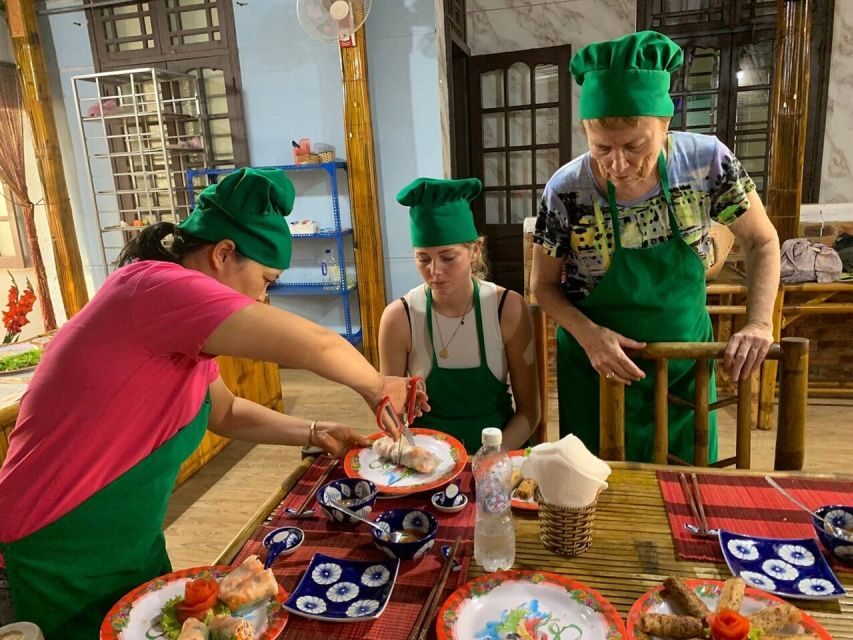
- Cam Thanh coconut village setting with a local-family home vibe
- Four dishes, full hands-on practice including papaya salad and lemongrass chicken
- Assistant support for easy prep, so you’re cooking instead of struggling
- English-speaking chef guidance that keeps the steps clear
- You eat what you cook, with lunch or dinner included
- A small group feel that usually means more attention and interaction
Finding the meeting point near Hoa Vung Villa (Cam Thanh can be tricky)
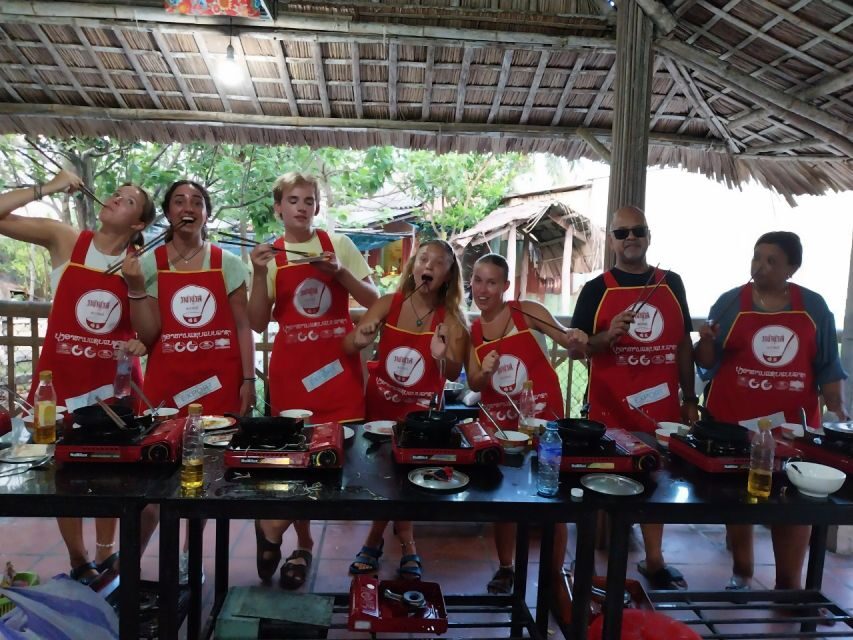
The tour starts at Hoi An Village Experience, in the Cam Thanh Coconut Village area. If you’re arriving by Grab or taxi, the key tip is to enter Hoa Vung Villa as your arrival place. From there, the cooking class location is in a narrow alley next to the villa.
This matters more than it sounds. Narrow alleys can make you feel like you’re one street off, especially in the afternoon heat or if you’re carrying bags. I’d plan to arrive a few minutes early and walk slowly so you can match the group instructions and meeting signs.
Also, this is one of those activities where you’re not just “showing up and finding a bus.” You’re joining a small group on a tight schedule. The tour includes pickup from the meeting point area, but it does not include hotel pickup and drop-off—so your timing depends on you getting to the right spot first.
You can also read our reviews of more cooking classes in Hoi An
From Hoi An Village Experience to the coconut village restaurant break
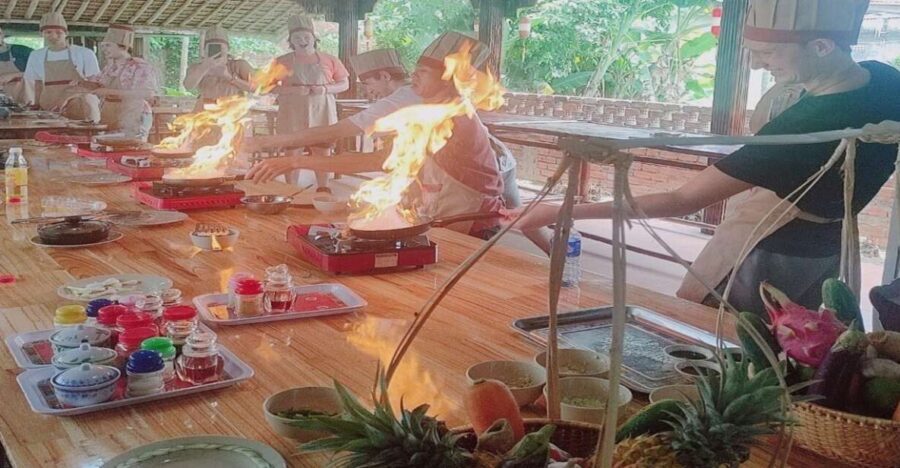
There are two main start times: 10:30 and 16:30. You’ll be picked up at the meeting point in the Cam Thanh Coconut Village area, then moved to the cooking location inside the coconut village.
Before you cook, you’ll take a welcome break at a restaurant on-site. You’ll get a welcome drink (tea) and have a short rest. This is a smart design choice. By the time you reach the cooking step, you’re not fighting hunger, and you’re not trying to learn under stress.
The day also has a clear rhythm: arrive, settle in, cook, then eat. And while the class is a group experience, the structure is built so everyone can follow along without feeling like they’re left behind.
Your pickup and internal schedule can shift a little bit, so it helps to stay flexible if your plans are tight that day.
Chef-led Vietnamese cooking in an English-friendly format
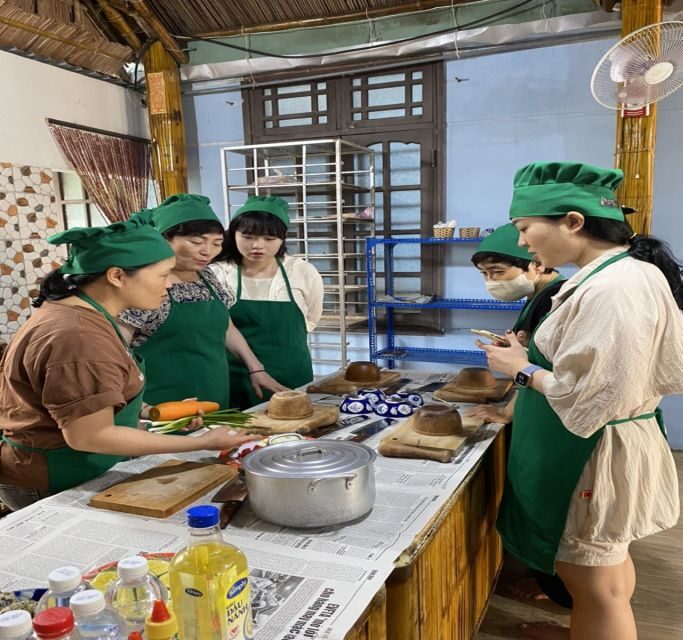
The center of the experience is the chef, who guides you through traditional methods for Vietnamese dishes. The class is offered with an English-speaking chef, and there are friendly assistants working alongside to prepare ingredients in advance.
That assistant support is not a small detail. It’s what keeps the class from turning into a long pre-cooking chore. Instead of spending time hunting and measuring everything yourself, you spend that energy learning the process: how flavors come together, how the steps connect, and how to assemble each dish in a way that looks (and tastes) like Vietnamese comfort food.
The class format is also designed to feel doable. The cooking instructions aren’t overly technical, and the ingredients are prepared to make assembly easier. That’s ideal if you’re new to Vietnamese cooking or you just want a practical result you can recreate later.
One more practical point: if you have food allergies, you should let the team know. That’s not just politeness; with a cooking class, ingredients drive everything.
The four dishes you’ll cook (and why they’re a great mix)
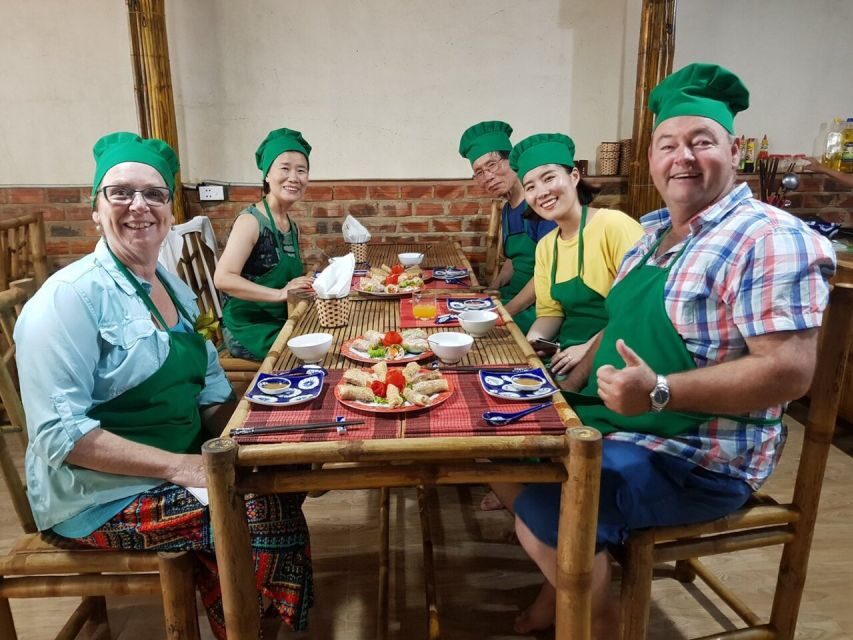
You’ll learn to make four local dishes, with guidance and step-by-step instruction from the chef. The dishes listed are:
- Pancake
- Spring rolls
- Papaya salad
- Chicken with lemongrass
This mix is a smart way to learn Vietnamese cooking because it covers different cooking styles and flavor behaviors:
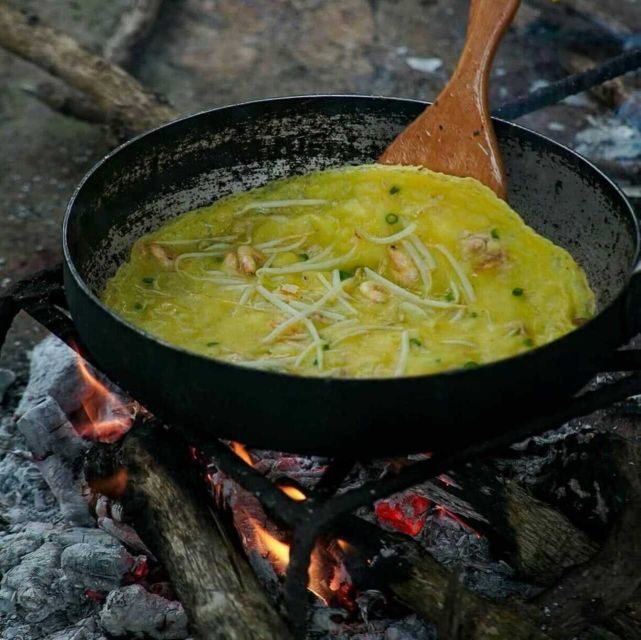
1) Pancake helps you understand the batter and the basics of cooking until it sets properly.
2) Spring rolls teach you assembly and handling, where small technique choices affect the final texture.
3) Papaya salad is where flavor balancing matters—sweet, sour, and savory elements all work together, and you’ll see how Vietnamese seasoning feels layered rather than one-note.
4) Chicken with lemongrass shows how aromatics create depth. Lemongrass is one of those signature Vietnamese flavors, and learning how it’s used in the cooking process is the kind of knowledge you can carry home.
The class ends with you eating what you cooked, so you get a real feedback loop: you learn the method, you taste the result, and you can connect technique to outcome immediately.
Welcome tea, lunch or dinner, and eating with your group
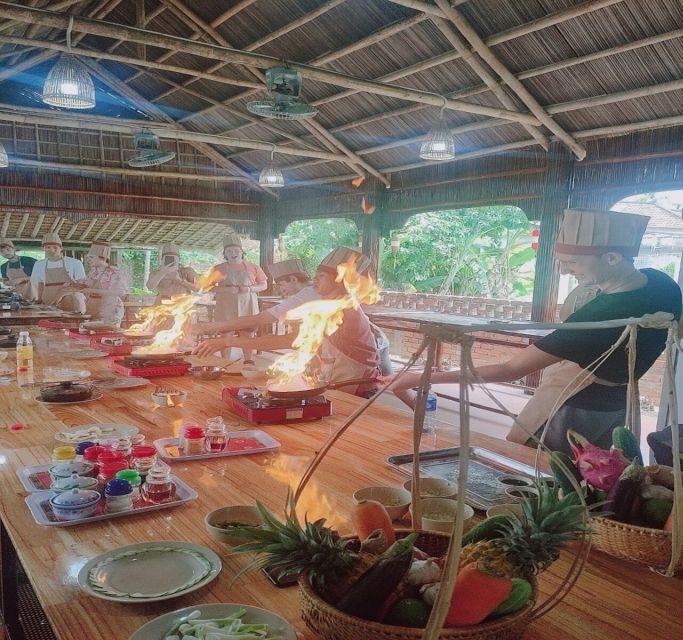
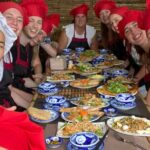
After the cooking, you sit down to enjoy your meal. Lunch or dinner is included, and it’s tied directly to the dishes you cooked during the lesson.
I like this setup because it avoids the common problem with cooking tours: sometimes you cook a little, snack a bit, and mostly just get shown. Here, the point is finishing your dishes and eating them while the experience is still fresh in your hands and head.
In the experience, people have described the food as fresh and plentiful and the overall meal as better than many restaurant options. Even if your personal results vary slightly (it’s still cooking at home scale), the structure gives you a satisfying takeaway: you’re not leaving hungry, and you’re not leaving with only photos.
Drinks are not included, though. If you like something specific to drink, plan for that extra cost.
You can also read our reviews of more tours and experiences in Hoi An


Small groups in practice: more attention, less waiting
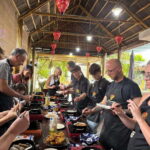
This is a group tour, but it’s intentionally small. The program is limited to 10 participants, and that small group size is one reason people tend to rate it so highly.
When your group is small, the chef and assistants can move around and help when someone is stuck. In one set of feedback, a helper cook supported the main instructor with tasks like rice milling, and the group stayed engaged rather than watching from the side. In another note, the class with around 7 people was described as the right size for attention and teamwork.
The schedule typically runs about 210 minutes, so you’re not stuck in a long half-day with no structure. You’re also not stuck in a rushed, 45-minute show-and-tell format. It’s long enough to learn, cook, and eat without feeling frantic.
One practical consideration: the time in the schedule can change slightly. That’s normal for rural areas and group logistics, so keep your next appointment flexible.
Why $23 feels like good value (if you want usable skills)
At $23 per person, the value comes from what’s included, not just the headline price. You get:
- English-speaking chef instruction
- Welcome tea
- All ingredients
- Lunch or dinner
Then there’s what’s harder to price: learning methods you can repeat at home. Cooking tours are often “fun” but not always useful. This one is built around traditional techniques for dishes you’ll recognize and crave again later: pancakes, spring rolls, papaya salad, and lemongrass chicken.
You’re also getting an easier path to confidence. Since assistants prep ingredients for easy assembly, you spend your mental energy on learning the cooking workflow rather than figuring out logistics on the spot. That means you’re more likely to recreate the dishes later instead of forgetting the steps.
If you’re comparing costs, remember that drinks, personal expenses, and hotel transport are not included. But the core experience is: chef guidance plus meal plus ingredients.
Guides who make it fun: Giang, Quan, and Mr Cou’s stories
A cooking class lives or dies on the tone, and the best sessions sound like they’re part food lesson, part laughter, and part rural storytelling.
In feedback from Germany, one guide named Giang was described as the best—friendly, funny, and supportive enough to keep everyone participating. Another note highlights chef Quan, with food that was described as fresh and plentiful.
There’s also an extra human layer in some sessions. One write-up mentions Mr Cou taking people back to the city for free because he was already heading that way, and sharing that the earnings help support people with disabilities. Even when you’re just focused on cooking, knowing the people behind the activity matters. It turns your ticket into something more personal than a transaction.
If you want a lesson that doesn’t feel stiff, that’s where this experience earns points.
The rural life angle: not just cooking, but the context around it
You’ll get closer to rural life through the Cam Thanh coconut village setting and the local-family team running the activity. Even without any big staged speeches, the vibe is different from a kitchen classroom in a city.
This matters because food isn’t isolated. It comes from how people work, how they prepare, and how they share meals. The class includes practical support—assistants prepping ingredients, helpers assisting with tasks, and the chef guiding the steps—so you experience the flow of how a small team cooks together.
That also explains why people describe the experience as more enjoyable than eating out. You’re not only tasting; you’re building a mental model of how Vietnamese dishes come together.
Who this cooking class is best for (and who should think twice)
This is a strong fit if you:
- Want a hands-on Hoi An cooking class experience with practical results
- Prefer small groups and clear instruction in English
- Like the idea of learning four classic dishes in one afternoon/evening
- Enjoy rural settings and want more than a restaurant meal
It might be less ideal if you:
- Need hotel pickup/drop-off, because you’ll manage transport to the meeting point yourself
- Have strict dietary needs beyond allergies (the data only confirms allergies are collectable information)
- Don’t want to spend time in a group tour format with a set schedule and mild timing changes
Also, bring the attitude of learning. Cooking isn’t a test. The structure is designed to make it easy, but you’ll still be the one doing the steps.
Should you book the Cam Thanh traditional cooking class?
If you want a cooking class in Hoi An that actually teaches you something you can repeat, this is an easy “yes” to consider. The key reasons:
- You cook four dishes and you eat what you make.
- It’s small group (up to 10), so you’re not lost in a crowd.
- Everything core is included: chef, ingredients, tea, and lunch/dinner.
- The experience feels local, with guides like Giang and Quan bringing personality, and occasional community-forward stories like the one involving Mr Cou.
If your biggest priority is convenience from your hotel, you may need to plan extra time to reach the meeting point in the Cam Thanh Coconut Village area. But if you’re comfortable using Grab or taxi and following the Hoa Vung Villa / narrow alley direction, this class is strong value for a memorable, practical food experience.
FAQ
What’s the duration of the cooking class?
The experience runs for about 210 minutes.
How many dishes will we cook?
You’ll learn to cook four local dishes: pancake, spring rolls, papaya salad, and chicken with lemongrass.
Is there an English-speaking guide?
Yes. The chef speaks English.
Is it a small group or a large group?
It’s a group tour, but kept small, limited to 10 participants.
What time does the tour start?
Pickup is at 10:30 or 16:30 from the meeting point area, and the schedule can change a little.
Where is the meeting point?
The meeting point is at Hoi An Village Experience in the Cam Thanh Coconut Village area.
If I take a taxi or Grab, what should I enter for the arrival place?
Enter Hoa Vung Villa on arrival. The cooking class is in a narrow alley next to this villa.
What’s included in the price?
English-speaking chef guidance, welcome tea, all ingredients, and lunch or dinner.
Are drinks included?
No. Drinks are not included.
Do they accommodate food allergies?
Yes, you should let them know about any food allergies.
Is hotel pickup and drop-off included?
No, hotel pickup and drop-off are not included.