REVIEW · HOI AN
Hoi An: Vietnamese Coffee Making Course
Book on GetYourGuide →Operated by Hoi An Scooter Adventures · Bookable on GetYourGuide
Coffee here gets educational fast. This Hoi An course lets you make your own Phin filter coffee and choose a second specialty like egg coffee, with a clear look at how roast levels change the drink. I like that it’s practical and hands-on, not just a slideshow. I also love that the class explains the flavor logic, like why slow drip can taste both bold and balanced. The one thing to consider is that you’ll be choosing a limited set of options, so plan your picks ahead if you’re only excited about one specific coffee.
It’s a 90-minute, downtown experience with an English-speaking instructor and everything you need on-site. For $22 per person, you’re paying for tools, ingredients, and the chance to take a cup home with you—plus recipes to recreate the drinks later. If you’re hoping for hotel pickup or a long sit-and-watch tasting, this won’t match that mood.
In This Review
- Key things to look forward to
- The Tri Long meet-up: start where Hoi An’s coffee people start
- What the 90 minutes is really built to do
- Roasted coffee demo: learn why your cup tastes the way it does
- Vietnamese Phin filter coffee: the slow-drip skill
- Egg coffee session: creamy, sweet, and surprisingly precise
- Coconut coffee session: a tropical twist with a clear method
- Salt coffee session: the science-y surprise (with real taste)
- What you actually get to take home (besides the caffeine)
- Staff, pace, and group size: what to expect in real life
- Price and value: why $22 can work if you choose smart
- Who should book this Hoi An coffee course
- Should you book it?
- FAQ
- Where is the meeting point for the Hoi An Vietnamese coffee making course?
- How long is the course?
- Can I choose what coffee I make?
- Is the instructor English-speaking?
- What’s included in the price?
- Is hotel pickup and drop-off included?
- Is there free cancellation?
- Can I pay later?
Key things to look forward to
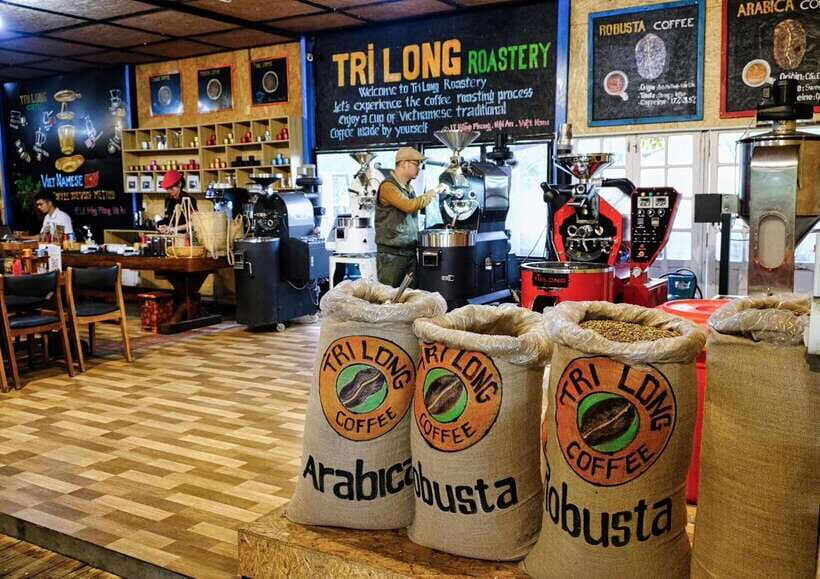
- Roasted coffee demonstration shows how roast levels shape the final taste
- Traditional Phin filter teaches the slow-drip method for a bold, robust brew
- Egg, coconut, or salt coffee lets you pick the specialty you want to master
- Hands-on prep + tasting means you’ll actually do the steps, not just watch
- You can take recipes home to repeat the drinks after your trip
- Freshly roasted bean flavor is part of the learning, and you’ll get a chance to buy beans
The Tri Long meet-up: start where Hoi An’s coffee people start
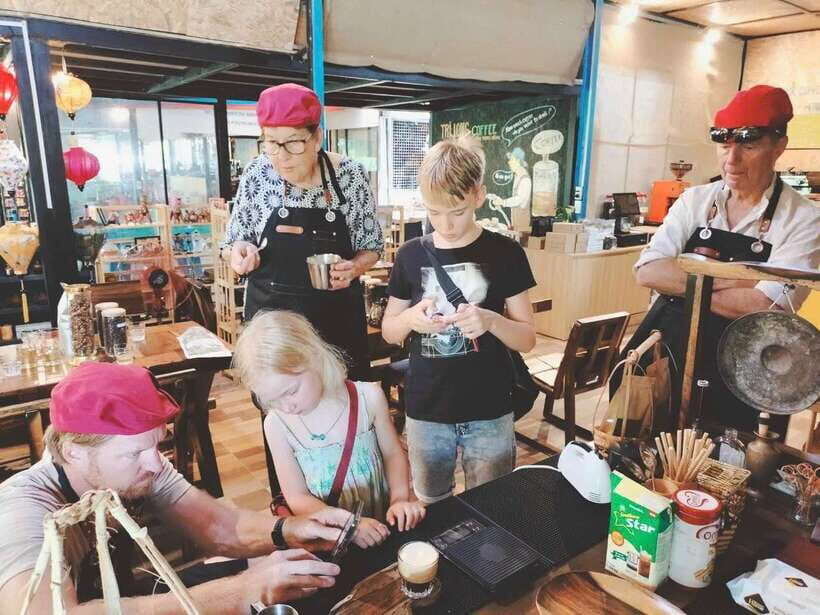
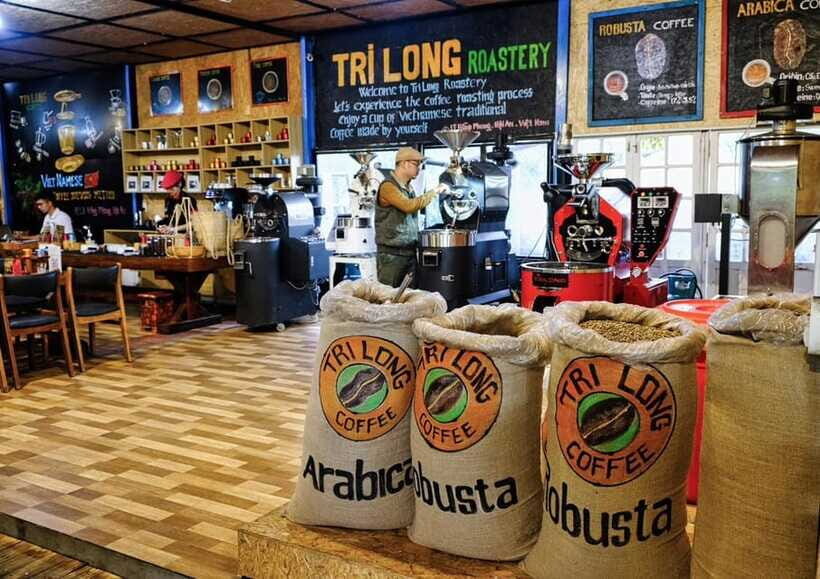
The class starts at Tri Long coffee in Hoi An city. That’s helpful because it keeps things simple: no long transfers, no waiting around for a vehicle, just show up, get welcomed by your instructor, and get to the good part—making coffee.
You’ll also get a quick sense of what kind of lesson this is. The vibe is hands-on. You’re not being herded through a scripted tasting route. Instead, you’re building drinks step by step with the tools and ingredients provided, and that makes the learning stick.
You can also read our reviews of more tours and experiences in Hoi An



What the 90 minutes is really built to do
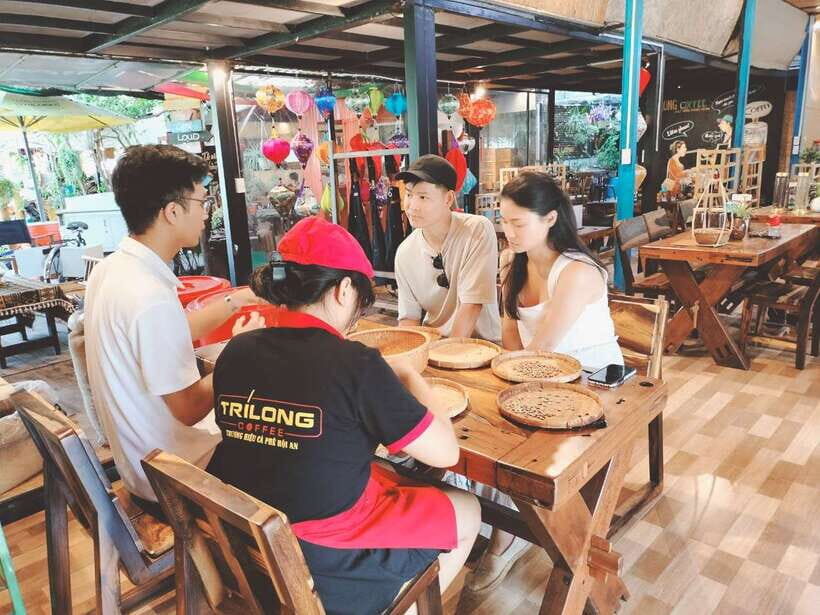
A common reason people enjoy this kind of class in Vietnam: you stop treating coffee as a generic beverage. Here, coffee has technique. Coffee has choices. Coffee has cause-and-effect.
This is a 90-minute course, and you’ll pick from multiple session options (typically 2, 3, or 4 sessions). That means you should think like a menu shopper:
- If you love classic Vietnam coffee, lean into the Phin filter.
- If you want something unmistakably Vietnamese, choose egg coffee (the famous creamy one).
- If you want a lighter, more tropical note, go for coconut coffee.
- If you like curious flavors and want to understand how taste can change with a pinch, pick salt coffee.
Because the time is limited, you won’t do everything. So choose the option that matches the kind of memory you want from Hoi An.
Roasted coffee demo: learn why your cup tastes the way it does
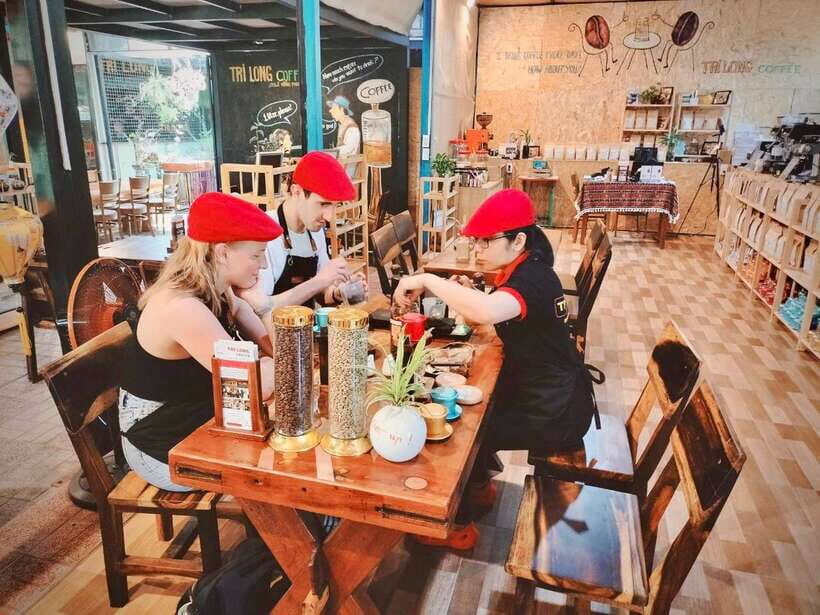
One of your possible sessions focuses on the journey of coffee beans—from raw to aromatic. You’ll learn about roasting and the different roast levels, and more importantly, how roast level affects what you taste later in your cup.
This matters for you because roast is one of the biggest “invisible” factors in coffee. Two cups can be totally different even if the recipe sounds similar. When you understand roast basics, you’ll start noticing things immediately, like:
- Roast level affecting bitterness and sweetness balance
- How aroma changes as beans roast darker or lighter
- Why some beans taste flat while others feel more complex (even before you add any flavorings)
Even if you’re a beginner, you’ll get enough structure to make your next coffee order in Vietnam smarter—and your home experiments less random.
Vietnamese Phin filter coffee: the slow-drip skill
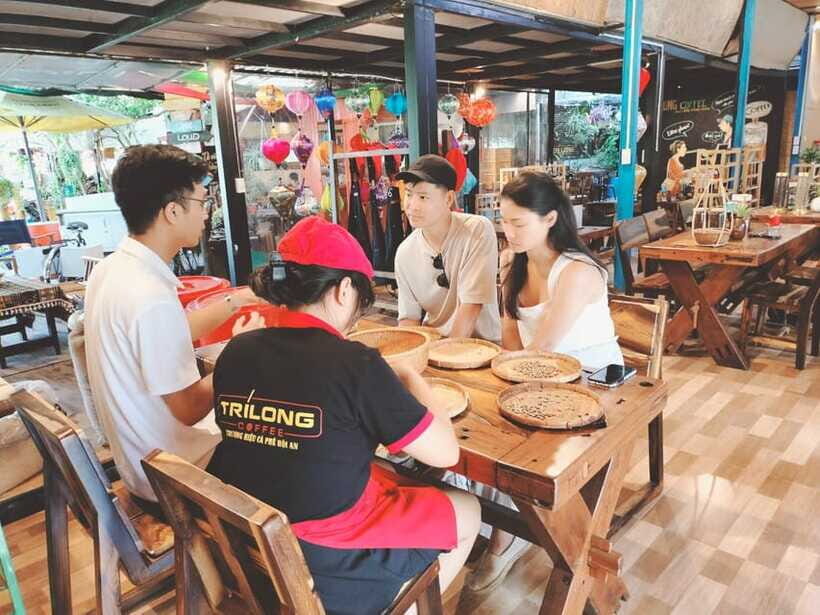
The core Vietnam technique is the Phin filter, and this course makes it a real class instead of a photo moment. You’ll watch the process and also learn the idea behind it: slow drip. The coffee doesn’t just pour out. It extracts gradually, producing a brew that tends to taste bold and robust.
What I like about this part for first-timers is that it explains the flavor balance instead of leaving you with mystic vibes. The Phin style is known for a specific interplay: bitterness with sweetness. That combo is part of why Vietnamese coffee has such a loyal following.
When you’re making it, pay attention to the timing and the way the coffee behaves as it filters. If you rush or mess with the flow, the drink can taste harsher. If it extracts well, it feels more rounded. This is the kind of practical tip you’ll remember the next time you taste another Phin coffee in Vietnam.
Egg coffee session: creamy, sweet, and surprisingly precise
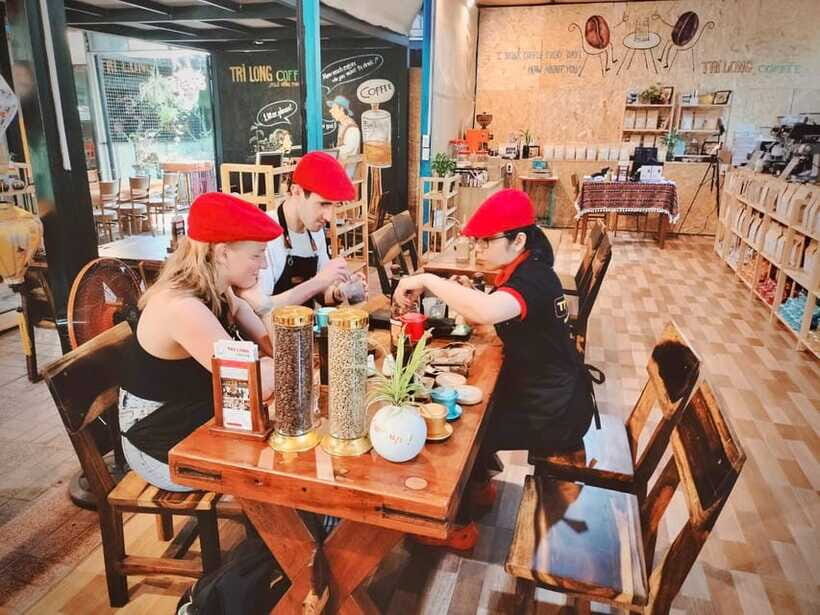
If you choose egg coffee, you’re stepping into one of Vietnam’s most recognizable specialties. This isn’t just a gimmick drink. It has texture, temperature, and technique.
The class shows how egg coffee is made using coffee plus egg yolks, condensed milk, and sugar. You’ll see skilled baristas whip it into something creamy and velvety—so smooth it almost feels like dessert in a cup.
Why it’s worth your attention:
- Egg coffee is a flavor lesson in how fat and sweetness can soften bitterness.
- The whipped texture changes how flavors hit your tongue.
- It’s one of the best ways to understand why Vietnamese coffee isn’t always aiming for sharp “espresso bite.”
If you’re the kind of person who wants one clear, unforgettable specialty, egg coffee is the safe, satisfying pick.




Coconut coffee session: a tropical twist with a clear method
Coconut coffee is the option for when you want something that feels lighter and more aromatic. In this session, you learn how coconut flavor is incorporated into the coffee—infusing that nutty sweetness that makes it taste like a sunny-day drink, even if the weather is doing its own thing.
The key value here is learning the method, not just the final flavor. Once you understand how the coconut note is added and how it changes the overall profile, you’ll be better at judging coconut-flavored coffees you see elsewhere. You’ll know what should taste natural and what tastes like artificial syrup.
This is also a nice pairing if you plan to do multiple sessions. Coconut coffee can act like the “break” between heavier styles, so your tasting menu feels balanced instead of intense.
Salt coffee session: the science-y surprise (with real taste)
Then there’s salt coffee—the one that sounds weird until you taste it. The course explains the idea: a pinch of salt can enhance coffee’s natural flavors and reduce bitterness.
This isn’t just a myth tossed at you. It comes with an explanation of the taste mechanics. Salt can help round sharp edges. It can make certain flavors feel more present, and it can tame harshness that otherwise pulls your cup toward bitterness.
If you’re curious and like flavor experiments, salt coffee is a fun choice because it changes the way you think about seasoning. You’ll also be more confident ordering or recreating coffee at home because you’ll understand why that tiny adjustment matters.
What you actually get to take home (besides the caffeine)
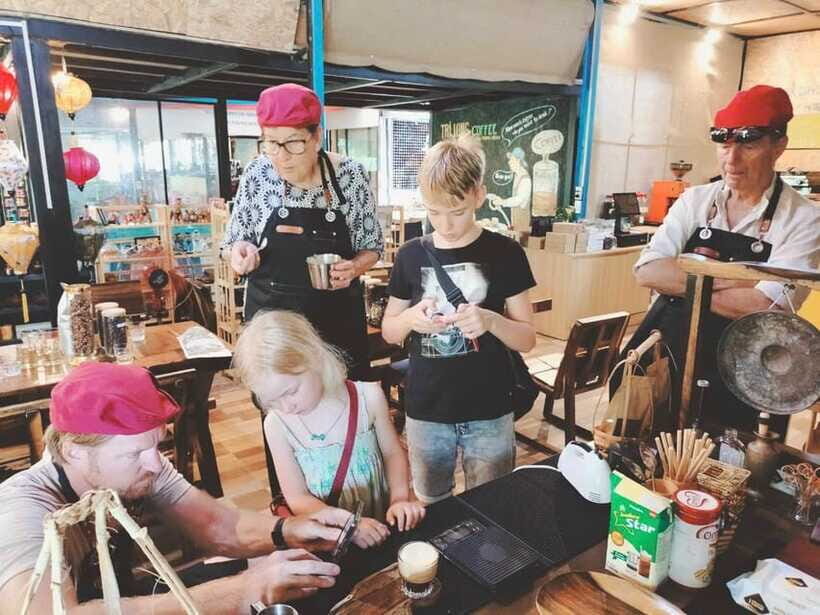
You’ll drink a cup made by yourself. That sounds obvious, but it’s not always true in coffee lessons that are mostly demo-heavy. Here, you’re the one following the steps. You also get water during the class, and everything—ingredients and tools—is provided.
One of the best practical takeaways is that you get recipes at the end. That’s gold. It means you can recreate the drinks later without guessing amounts or steps from memory. And if you’re the type who wants to go beyond the recipe, there’s usually an option to buy coffee beans, so you can keep experimenting with Vietnamese roasting and taste profiles after you leave.
Staff, pace, and group size: what to expect in real life
The instructor is English-speaking, which makes a huge difference. Vietnamese coffee has enough specific technique that explanations matter. When you can ask basic questions clearly, you learn faster and enjoy the class more.
You might also find it runs as a small group. That tends to mean more time for guidance and less waiting around. In practice, that’s what helps you get a better cup instead of just getting through the steps.
The pace is built around learning and tasting in one sitting. So don’t expect a long, meandering conversation with coffee nerds. Do expect a friendly, instruction-first experience where you’re actively involved.
Price and value: why $22 can work if you choose smart
At $22 per person for 90 minutes, the value depends on what you get out of it.
You’re not only paying for a drink. You’re paying for:
- An English-speaking instructor
- Ingredients and tools
- A structured explanation of roasting and extraction
- A chance to make and drink the coffee you made
- Recipes to recreate later
- Water during the session
If you’re coming from a place where you’ve mostly had coffee as a casual stop, this class gives you a real skill plus a souvenir (the recipes). If you already know coffee well, you’ll still get value from learning the Vietnamese approach to roast and Phin extraction, especially if you’re curious about egg, coconut, or salt specialties.
The one value warning: if you don’t plan what you want to make, you might end up selecting options that don’t match your taste. With limited sessions in the time window, choose deliberately.
Who should book this Hoi An coffee course
I think this fits best if you’re:
- A coffee lover who wants technique, not just tasting
- A curious traveler who likes learning the why behind flavors
- Traveling solo and wants an activity that’s easy to join without stress
- Someone who enjoys food culture and wants a hands-on session in the middle of Hoi An sightseeing
It might be less ideal if:
- You only want to sip a few coffees and leave. This is an active class.
- You’re hoping for multiple specialties in one go beyond what your chosen sessions allow.
- You require hotel pickup and drop-off, since it’s not included.
Should you book it?
Yes, if you want a short, memorable coffee skill in downtown Hoi An. This course is a good fit because it’s hands-on, taught in English, and built around clear steps you can repeat later with the recipes. If you’re trying to pick just one coffee experience in town, this is also one of the best value choices because you’re getting both technique and a chance to taste what you make.
Before you book, decide which of the signature styles you actually want to master: egg coffee, coconut coffee, or salt coffee—and pair it with the Phin filter session for that classic Vietnam anchor.
FAQ
Where is the meeting point for the Hoi An Vietnamese coffee making course?
You meet at Tri Long coffee in Hoi An city. The instructor will welcome you there.
How long is the course?
The duration is 90 minutes.
Can I choose what coffee I make?
Yes. You can choose from egg coffee, Vietnamese Phin filter coffee, coconut coffee, or salt coffee.
Is the instructor English-speaking?
Yes. The instructor is listed as English.
What’s included in the price?
Included items are a cup of coffee made by yourself, the coffee making course, water, English-speaking instructor, and ingredients and tools.
Is hotel pickup and drop-off included?
No. Hotel pickup and drop-off are not included.
Is there free cancellation?
Yes. You can cancel up to 24 hours in advance for a full refund.
Can I pay later?
Yes. The option is Reserve now & pay later, so you can book without paying today.