REVIEW · HOI AN
Hoi An: Pottery Making Workshop With Local Craftsmen
Book on GetYourGuide →Operated by Bay Mau Eco Travel · Bookable on GetYourGuide
A lump of clay becomes something you can keep. That is the fun part of this Hoi An pottery workshop in Thanh Ha pottery village, where local craftsmen teach you the basics fast and friendly. It’s a short class, but it still covers the key motions behind making pottery, not just watching.
I really like two things: you get hands-on instruction (technique, drying, trimming, painting, and decorating), and you take home a souvenir made by your own hands. One thing to consider is the class time is often around 20 minutes, so if you want a very detailed result, you may need to ask to extend.
A small heads-up: communication is mostly Vietnamese, and English can be limited. If you prefer lots of back-and-forth explanations, go in with a simple mindset: focus on the steps, ask for help with gestures, and enjoy the process.
In This Review
- Key highlights worth your time
- From Hoi An into Thanh Ha pottery village, close enough to feel local
- How the workshop runs: greeting, intro, then the pottery steps
- The real value: a made-by-you keepsake in about 20 minutes
- After the class: Xuan My Communal House and Nam Dieu Temple time
- Price and what you should expect to pay on top
- Meeting point and how to get there without stress
- Language reality: plan for Vietnamese-led instruction
- Who this pottery workshop suits best
- The bottom line: should you book it?
- FAQ
- Where is the meeting point?
- How much is the Thanh Ha Village ticket?
- How long is the pottery making class?
- Can I extend the class time?
- What is included in the price?
- What is not included?
- What language is used during the workshop?
- Is it suitable for wheelchair users?
Key highlights worth your time
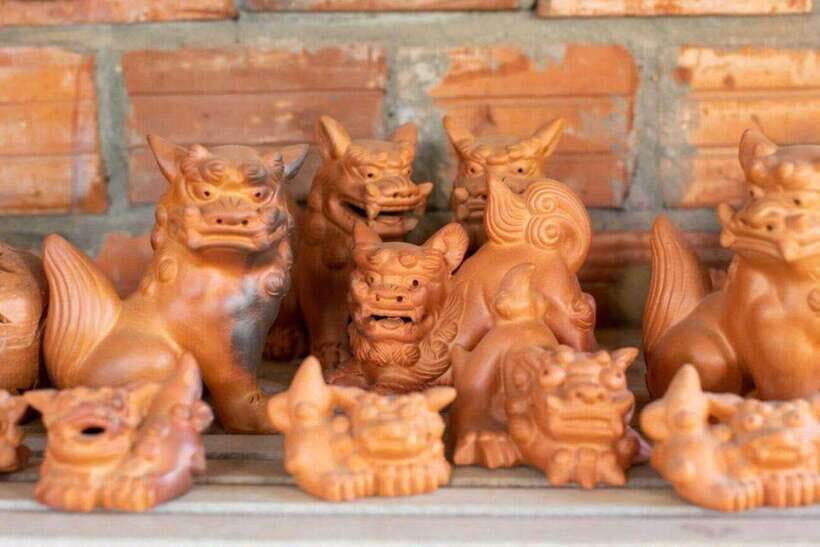
- A full pottery process, not just a quick demo: you’ll follow the steps from making to finishing details.
- You leave with your own souvenir: your finished pottery piece comes home with you.
- Local craftsman welcome you in their home setting: it feels personal and real, not staged.
- Optional extra time to finish: the workshop can often run longer if you want to take more care.
- After-class cultural stops nearby: you can visit Xuan My Communal House and Nam Dieu Temple on your own.
- Low price for a made-by-you keepsake: you’re paying for instruction plus what you produce.
From Hoi An into Thanh Ha pottery village, close enough to feel local
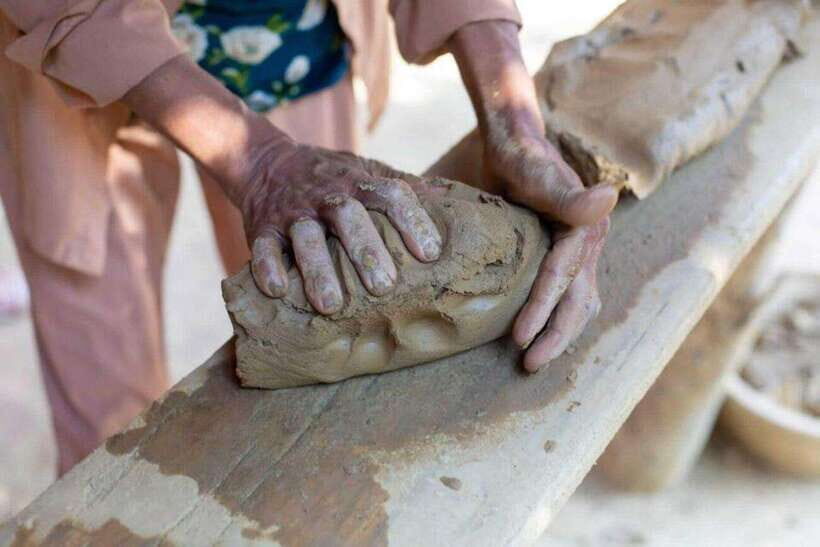
Hoi An is famous for old streets, lantern light, and easy strolling. This workshop gives you a different angle on Central Vietnam: instead of staying inside the tourist bubble, you go a short distance from Hoi An ancient town into Thanh Ha pottery village. The big idea is simple. You’re not just learning about pottery. You’re seeing how it’s actually made where the craft lives.
The workshop starts with a home-based welcome from local craftsman. That matters more than you might think. You’re meeting people in their workspace, not in a showroom. And since the class is short, the pace stays practical: you jump into the method right away, then finish with a concrete result you can hold.
You can also read our reviews of more tours and experiences in Hoi An



How the workshop runs: greeting, intro, then the pottery steps
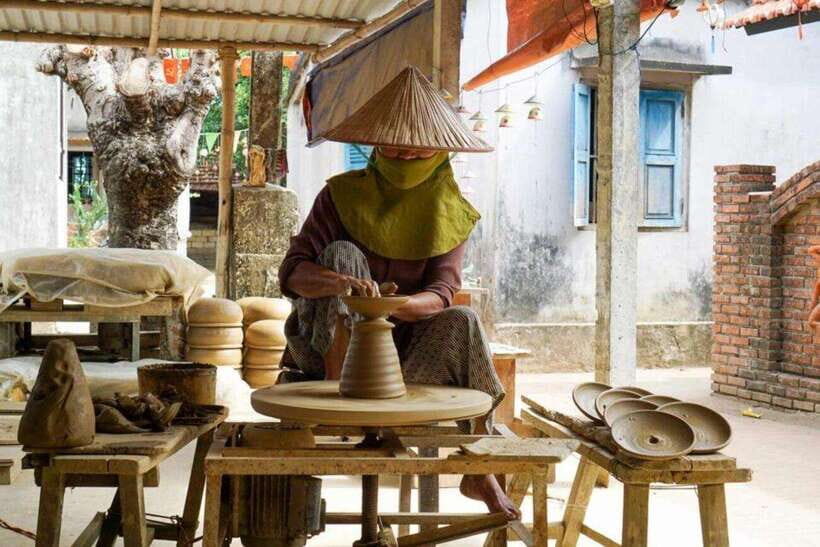
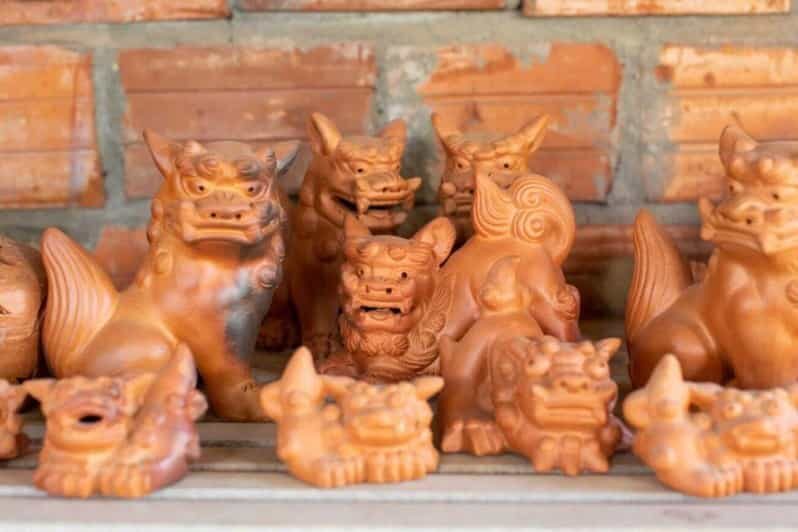
The class is designed to move you through a complete sequence, even if your time is limited. First, you’re greeted by local craftsman at their home. Then you get an introduction to local pottery products, which helps you understand what you’re aiming for before you start building.
After that, the instructor guides you through the core parts of pottery making:
- Pottery making technique: you learn the basic way to shape the piece (the exact method can vary by what you make, but you’ll be doing the creating, not just watching).
- Drying: pottery needs time and handling that’s different from everyday crafts. You’ll get instruction on how the process works.
- Trimming: shaping continues. This is where your piece starts looking more intentional.
- Painting and decorating: you add the visible character that turns a simple form into a finished product.
When the class wraps up, you receive a little gift as part of the included experience. You’ll also have a souvenir made by yourself to take home.
The real value: a made-by-you keepsake in about 20 minutes
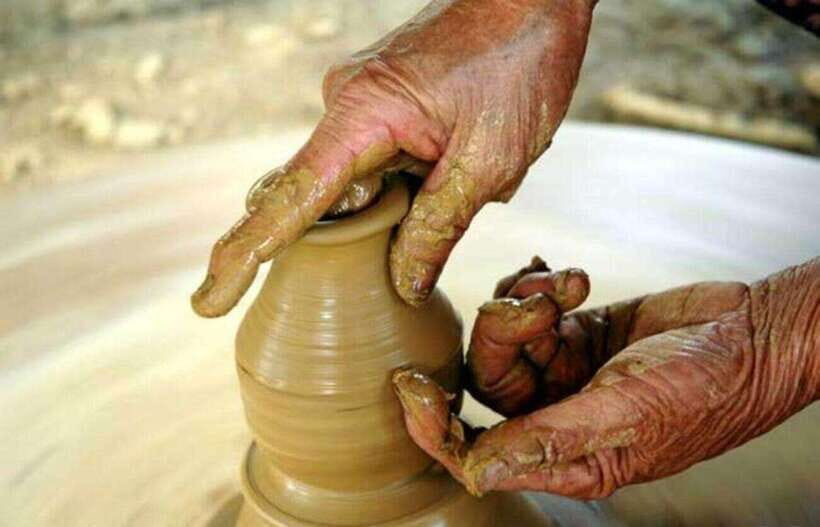
Let’s talk value, because $7 can sound either like a steal or like it might be too short to matter. Here’s why it still works. You’re not paying just for a story about pottery. You’re paying for hands-on steps plus a finished souvenir you take home.
The workshop duration is often around 20 minutes, which makes it doable even if you’re touring Hoi An all day. It also means you’re unlikely to get stuck in a long session waiting for materials to cure. You’ll work within a practical timeframe and finish what the class is set up to produce.
If you care about every detail, you can extend the time more to finish your product if you want. That’s a key option. It lets you enjoy the craft without feeling rushed, but still gives you a “core class” that works for short schedules.
After the class: Xuan My Communal House and Nam Dieu Temple time
The workshop doesn’t end when you put down your clay. After the pottery class, you can visit two nearby cultural sites by yourself:
- Xuan My Communal House
- Nam Dieu Temple, connected to the pottery founders
This is a smart setup for two reasons. First, you get a direct link between craft and community. Pottery here isn’t just an art project; it ties into local identity through founder traditions and communal spaces. Second, it keeps your schedule flexible. You’re not stuck in a bus-and-guide loop for the rest of the hour. You can go at your own pace and spend as long as you want at each stop.
Just note that the activity doesn’t include tickets to Thanh Ha Village. If you also need entry for the communal house or temple areas, you’ll have to handle those separately based on what’s required on site.
Price and what you should expect to pay on top
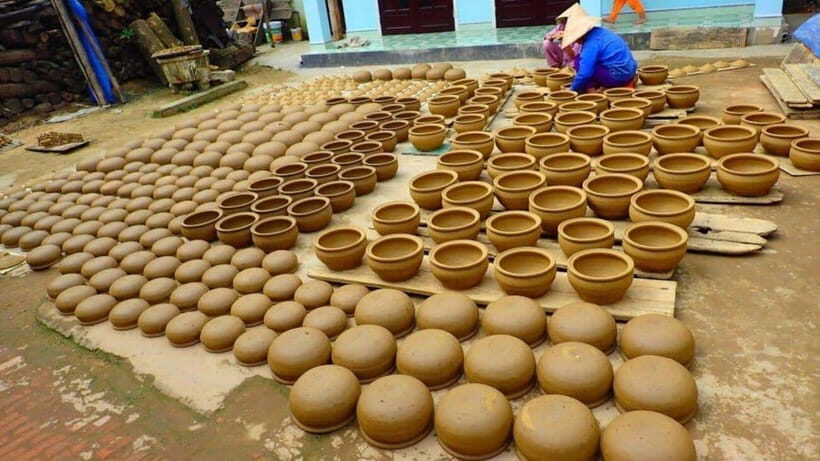
The price is listed at $7 per person, and it includes the essentials for the experience itself:
- the making pottery fee
- one little gift
- one souvenir made by yourself to take home
What’s not included is also clearly stated:
- entrance tickets to Thanh Ha Village
- hotel pick-up and drop-off
- food and drinks
There’s one more practical cost to plan for right away. At the meeting point area, you’re instructed to stop at the ticket counter in the entrance gate to buy the ticket for 35,000 VND per person. So think of the $7 as the workshop part, and budget the Thanh Ha entrance fee separately.
One logistics note: the activity is advertised as helping you skip the ticket line, but you’re still told to stop at the ticket counter at the entrance gate to buy your ticket. In practice, that usually means less waiting and smoother entry, but you should still follow the on-the-ground instructions.






Meeting point and how to get there without stress
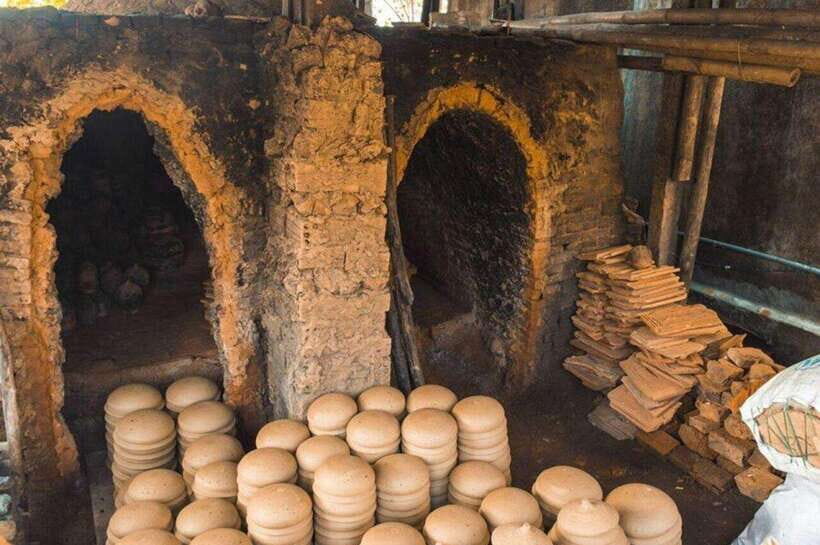
Your meeting point is at Nguyen Sau Experience House. You’ll want to be there on time so you can start with the greeting and intro without rushing.
The instructions also ask you to provide a WhatsApp number for easy contact. That’s genuinely helpful in Vietnam, especially when plans can change slightly due to timing. If you’re booking ahead, make sure you can receive WhatsApp messages on the day of the workshop.
Also keep in mind: hotel pick-up and drop-off isn’t included, so you’ll need to arrange your own transport to the meeting area.
Language reality: plan for Vietnamese-led instruction
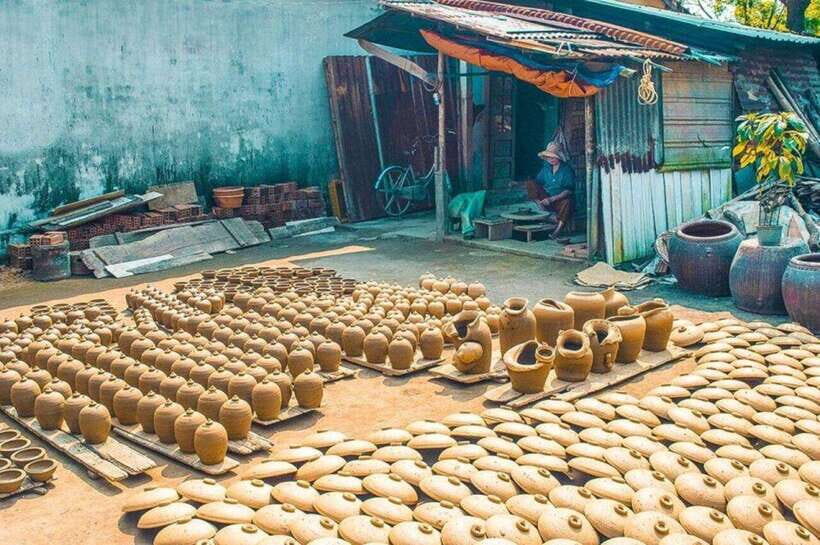
This workshop runs in Vietnamese, and English communication is limited. The instructor is Vietnamese, and that’s part of the charm if you’re okay with a more hands-on learning style.
Here’s how to make it work smoothly:
- Watch the craftman’s hands as much as you listen.
- Use simple questions when you can.
- Ask for help with steps like trimming or painting if you get stuck.
The good news is that the course is short and action-based. You don’t need to fully understand every word to follow the sequence: shape, dry, trim, paint, decorate. If you keep your focus on the steps, the language barrier becomes less of a problem.
Who this pottery workshop suits best
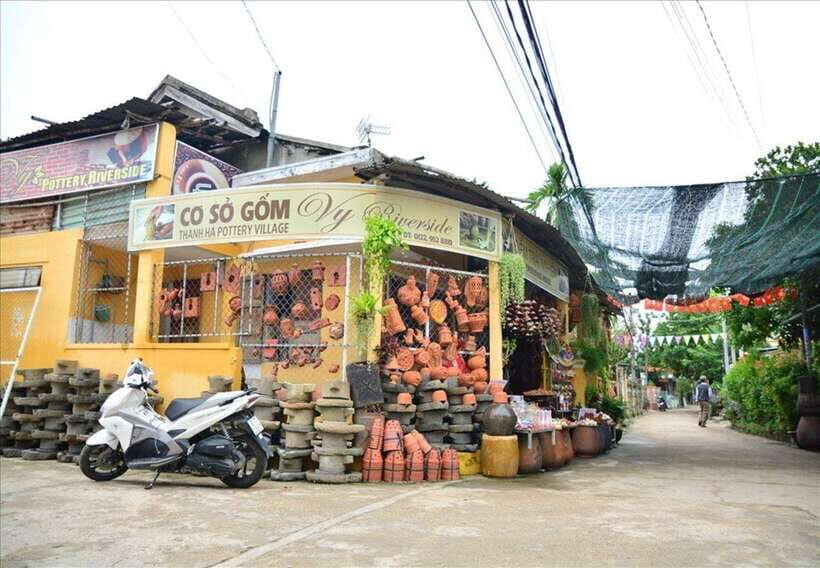
This is a great fit if you want something cultural that’s active, not just scenic. I’d point you here if you:
- like hands-on activities and want a souvenir you personally made
- want a short class that fits easily into a Hoi An day
- enjoy seeing crafts in real local settings
- prefer a small-time commitment over a half-day tour
It may not be ideal if you:
- need wheelchair access (this activity isn’t suitable for wheelchair users)
- strongly prefer long instruction and detailed explanations in English
The bottom line: should you book it?
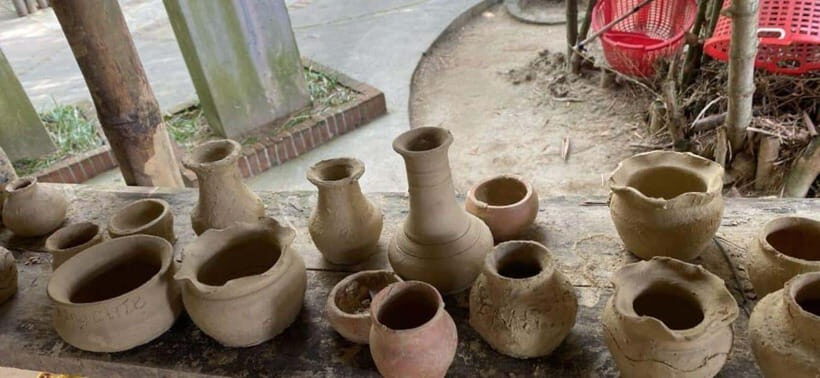
I’d book this if you want a quick, meaningful craft experience tied to Thanh Ha pottery village, and you like the idea of taking home a piece you made yourself. For the price, you’re paying for real instruction plus a souvenir, and the class stays short enough to keep your Hoi An plans flexible.
Skip it only if you know you want an English-heavy workshop, or if mobility/access needs make it difficult to participate. If you’re in Vietnam for craft, local life, and a keepsake with a story, this one is an easy yes.
FAQ
Where is the meeting point?
The meeting point is Nguyen Sau Experience House.
How much is the Thanh Ha Village ticket?
You need to buy an entrance ticket at the entrance gate for 35,000 VND per person.
How long is the pottery making class?
The pottery making class is often around 20 minutes.
Can I extend the class time?
Yes. The class duration is often about 20 minutes, but you can extend the time more to finish your product if you want.
What is included in the price?
Included are the making pottery fee, one little gift, and one souvenir made by yourself to take home.
What is not included?
Not included are entrance tickets to Thanh Ha Village, hotel pick-up and drop-off, food and drinks, and personal expenses not mentioned.
What language is used during the workshop?
The workshop language is Vietnamese, and English communication is limited.
Is it suitable for wheelchair users?
No, it is not suitable for wheelchair users.