REVIEW · HOI AN
Hoi An: Local Family Cooking Class
Book on GetYourGuide →Operated by Hiep Hoi An Travel · Bookable on GetYourGuide
Cooking in someone’s kitchen beats any show. In this Hoi An Local Family Cooking Class, you go from learning Vietnamese ingredients to cooking real dishes in a real home, then eating what you made with the family. I like that the class focuses on practical skills you can repeat later, not just watching someone else work. I also love the food you actually cook, from traditional rice milk to Hoi An pancake, spring rolls, and papaya salad. One thing to consider: it’s not a sit-and-watch activity, so if you have serious mobility limits or a medical condition, you should read the suitability notes carefully.
You’ll get picked up from your Hoi An hotel, driven straight to the family home, and welcomed with a drink before you start. The experience runs about 150 minutes, and the group is split into smaller groups of around 12 people, so you’re not stuck far from the cooking station. The only drawback is that this is a group tour, so you’ll share attention with others rather than getting one-on-one coaching every step.
If you want a hands-on meal that feels like a genuine invitation, this is a strong bet.
In This Review
- Key Things You’ll Care About in This Cooking Class
- Hoi An at Kitchen Level: What This Class Really Gives You
- Pickup, Welcome Drink, and Settling Into the Family Home
- The Traditional Rice Milk Step: Why This Starts the Whole Story
- Hoi An Pancake and Spring Rolls: The Hands-On Work
- Hoi An pancake
- Hoi An spring rolls
- Papaya Salad: Learning Balance, Not Just Ingredients
- Sautéed Chicken (and the Smart Swap Options)
- Sautéed chicken
- How chicken can be changed
- Vegan and vegetarian notes
- Morning Glory or Okra Fried: The Quick Win Side
- Eating What You Cook: Lunch or Dinner With the Family
- Group Size, Timing, and What to Expect for 150 Minutes
- What You’re Really Paying For: Value at About $27
- Who This Class Suits Best (and Who Should Rethink It)
- Practical Tips Before You Go (So You Enjoy Every Minute)
- Should You Book This Hoi An Local Family Cooking Class?
- FAQ
- FAQ
- How long is the Hoi An Local Family Cooking Class?
- What times are the morning and afternoon tours?
- Where does pickup happen?
- Is there an extra cost for pickup from Da Nang or outside Hoi An?
- What is included in the price?
- What dishes are on the menu?
- Are vegan or vegetarian options available?
- Can chicken be replaced with something else?
- What should I tell the host if I have an allergy?
- Is the class suitable for children and elderly people?
Key Things You’ll Care About in This Cooking Class
- Real recipes you can recreate: you cook multiple Hoi An dishes and then enjoy them right after
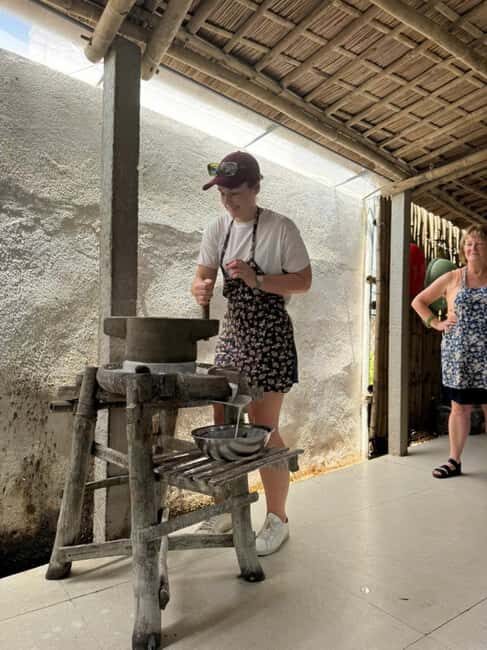
- Traditional rice milk with a stone grinder: a hands-on start that teaches a key flavor base
- A full menu, not a sampler: pancake, spring rolls, papaya salad, sautéed chicken, and fried morning glory or okra
- Diet-friendly adaptations: vegan/vegetarian options available, and chicken can be swapped for other Vietnamese dishes
- Hotel pickup in central Hoi An: a straightforward start and finish with a guide who speaks English
Hoi An at Kitchen Level: What This Class Really Gives You
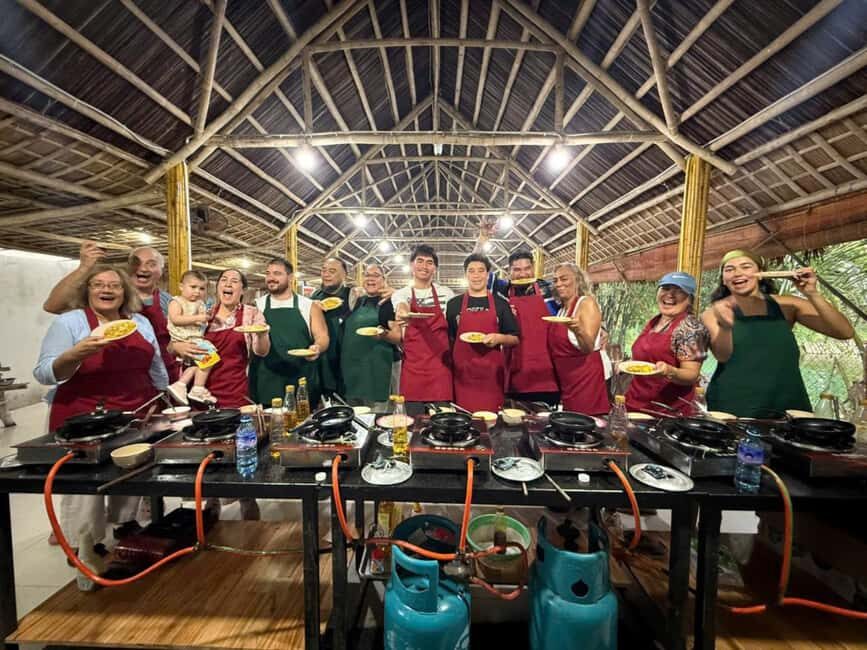
Hoi An is great for wandering, but it’s even better when you understand the food behind the routines. This class puts you in a local home setting, not a staged studio. You’re there with a family, learning how everyday Vietnamese cooking works and how the flavors build dish by dish.
What makes it work well is the balance: you’re not only learning steps, you’re also eating the result. That matters because Vietnamese cooking is full of timing and small technique differences. When you cook, then immediately taste what you produced, you pick up what should feel right—like texture in spring rolls or the right balance in papaya salad.
Also, the class is built around a specific Hoi An menu, so you leave with something more memorable than generic “Vietnamese food.” Expect a mix of fresh, fried, and stir-fried dishes. You’ll likely come home with a menu you can point to: I made this, I made that, and I know what ingredient choices matter.
You can also read our reviews of more cooking classes in Hoi An
Pickup, Welcome Drink, and Settling Into the Family Home
The day starts with pickup from your hotel lobby in Hoi An Ancient Town (within the selected pickup area). A family driver brings you directly to the home, and you’ll have a little time to relax after arriving.
Before the cooking starts, you’re offered a welcome drink. It’s a small touch, but it sets the tone. You’re not rushed from one stop to another—you’re actually arriving as a visitor in someone’s space.
You’ll then join the cooking lesson at the local home with an English-speaking tour guide. The tour runs either:
- Morning: 10:00am to 12:30pm
- Afternoon: 3:45pm to 6:30pm
Because it’s split into small groups (around 12 participants), you should find it easier to see what’s happening and ask basic questions without shouting across a room.
The Traditional Rice Milk Step: Why This Starts the Whole Story
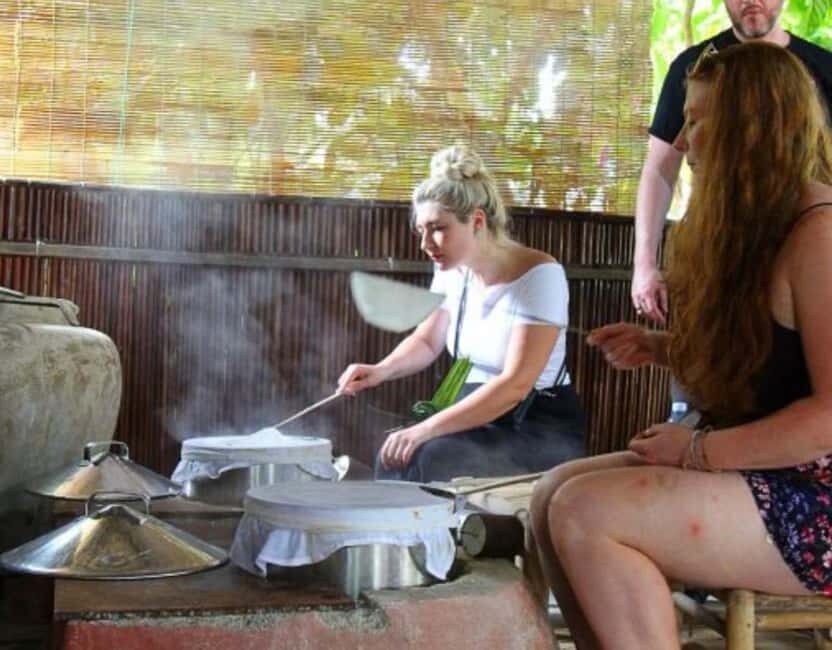
The menu begins with rice milk made in a traditional way using a unique stone grinder. Even if you think you already know “rice milk,” this is one of those lessons that changes how you think about the ingredient.
Why it matters: rice milk shows up in later dishes like the Hoi An pancake, where the flavor and texture aren’t just about the fillings. The milk itself helps shape the base. When you learn how it’s made (rather than treating it like a bottled ingredient), you understand why each dish tastes the way it does.
This is also a good warm-up. It gets you active early, and it gives you something concrete to pay attention to: grind method, texture, and how the ingredient behaves.
If you’re food-restriction focused, this is also a moment to check how adaptations might be done. The class indicates ingredients can be adapted for vegan/vegetarian, gluten-free preferences, and allergies—so this is one of the places where your questions will pay off.
Hoi An Pancake and Spring Rolls: The Hands-On Work
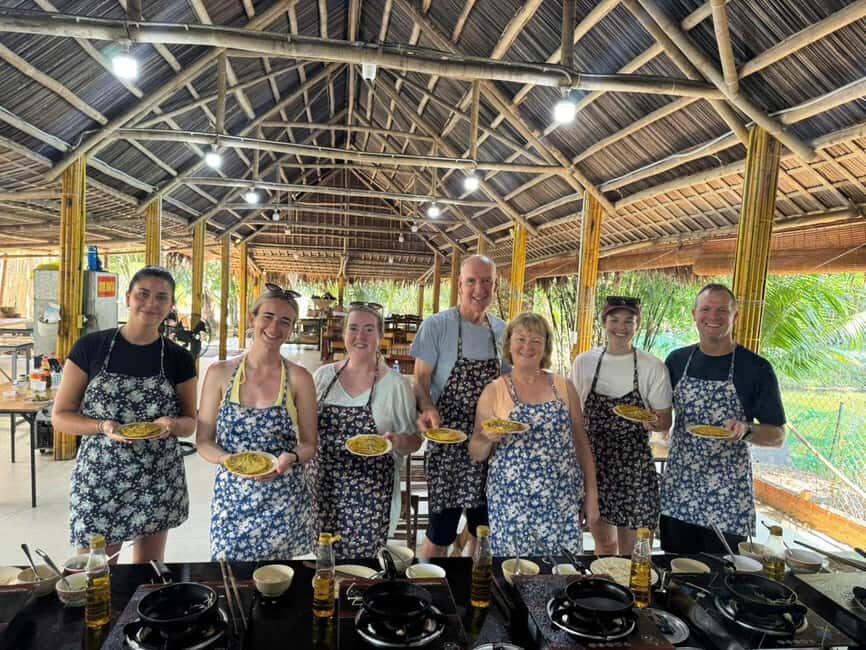
Next up are two central Hoi An favorites, and they teach different kinds of cooking skill.
Hoi An pancake
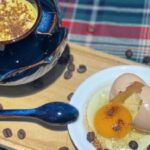
You’ll learn the Hoi An pancake using the rice milk base, with fillings such as pork, shrimp, and beansprout (along with other components that fit the dish style). Pancakes here aren’t just about folding or flipping. The important part is building a good balance between batter/base and filling.
For you at home: you’ll leave with the most useful kind of knowledge—how the pancake should look and feel before it’s ready, and how the filling distribution changes the final bite.
You can also read our reviews of more tours and experiences in Hoi An



Hoi An spring rolls
Then you’ll move to Hoi An spring rolls, which include a mix like mushroom, carrot, spring onion, taro, and pork. This part is where technique matters. Spring rolls are forgiving in some places, but not in others, especially with rolling tightness and filling distribution.
Practical payoff: if you want to make spring rolls later, you’ll remember the basic approach you learned here, not just a vague recipe. That’s what makes classes like this valuable—your brain stores the steps more clearly when your hands do them.
If you’re vegan or vegetarian: the class says vegan/vegetarian options are available, and ingredients can be adapted. You’ll want to let them know your preference ahead of time so they can prepare the right swaps.
Papaya Salad: Learning Balance, Not Just Ingredients
Then comes a dish that teaches flavor logic: Hoi An papaya salad. The ingredients listed include papaya, carrot, onion, banana flowers, and others that fit the traditional style.
This is the kind of dish where the goal isn’t only chopping and assembling—it’s making sure the flavors click. Papaya salad usually relies on balancing fresh crunch with a dressing that ties everything together. If you’ve ever tasted a great papaya salad and thought, how do they get it that way?, the answer is balance plus timing.
From a practical standpoint, papaya salad is also a great “cook once, repeat easily” dish. Once you know the component list and how the salad is built, it’s easier to recreate than a complicated dish with lots of moving parts.
Sautéed Chicken (and the Smart Swap Options)
After the fresh and crunchy items, the class moves into hot, savory cooking.
Sautéed chicken
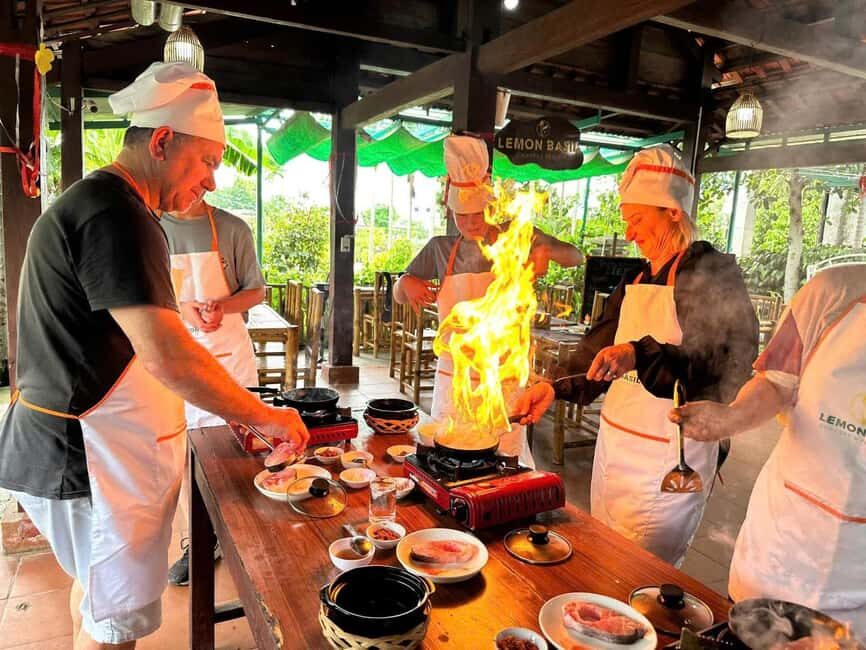
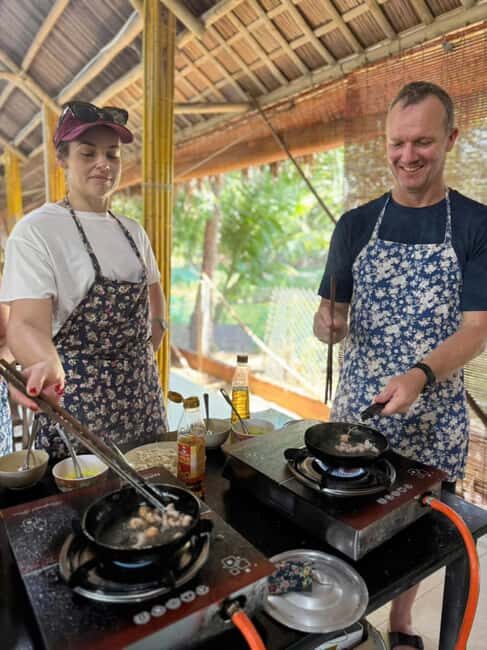
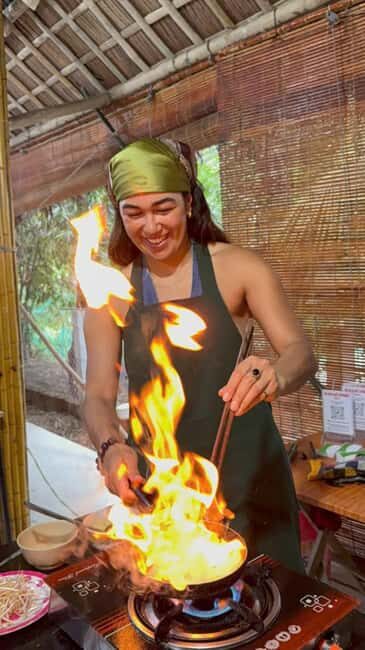
You’ll learn sautéed chicken, with ingredients like onion, garlic, black pepper, spring onion, and mushroom. This dish is a good contrast to the earlier items because it’s about heat control and seasoning layering.
How chicken can be changed
This is where the class earns extra points for real-world flexibility. The information provided states that if chicken isn’t your option, it can be changed to dishes such as:
- Pho (rice noodle with beef)
- Hoian Cao Lau
- Mi Quang (Quang noodle)
- or fishes
So you still get a satisfying hot dish at the table, rather than being left with sides.
Vegan and vegetarian notes
Vegan options are acceptable, and vegans are specifically noted as acceptable. Vegetarian options are also available, and ingredients can be adapted if you prefer gluten-free or have allergies.
One practical tip: when you book, send your restrictions clearly. The class explicitly says you should let them know about food restriction or allergy. This isn’t just politeness—it directly affects what ends up on your plate and how your cooking portion is handled.
Morning Glory or Okra Fried: The Quick Win Side
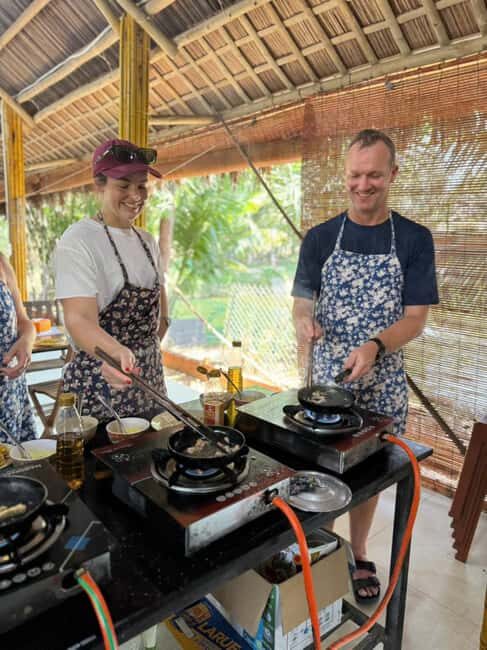
You’ll also cook morning glory or okra, fried with garlic and black pepper, plus served with steamed rice.
This is a smart inclusion. It’s fast compared to some elaborate dishes, but it teaches a real technique you can use again and again at home: stir-fry a leafy vegetable (or okra) with a simple flavor base and get it to the right stage.
For you, this side dish becomes the part you’ll actually cook often after the trip. It’s easier to repeat than the more time-consuming items like spring rolls, and it still tastes distinctly Vietnamese.
Eating What You Cook: Lunch or Dinner With the Family
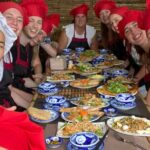
Once the cooking is done, you enjoy the delicious lunch or dinner with the family. This is a major part of the value.
You’ll eat the dishes you made, which means:
- you taste with context (you remember what you did)
- you can compare the texture and flavor to what it should be
- you’re more likely to understand how the meal is meant to flow
Also, the guide returns you to your hotel at the end. On request, you can also be dropped closer to Hoi An Old Town by car, which can be helpful if you’re continuing your evening wandering on foot afterward.
Group Size, Timing, and What to Expect for 150 Minutes
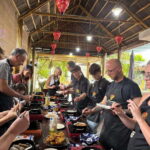
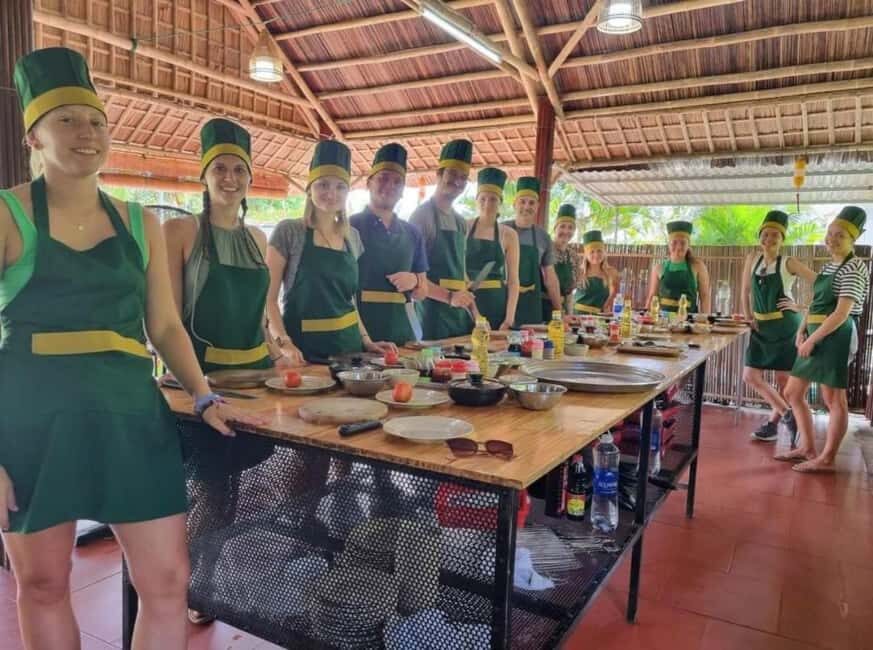
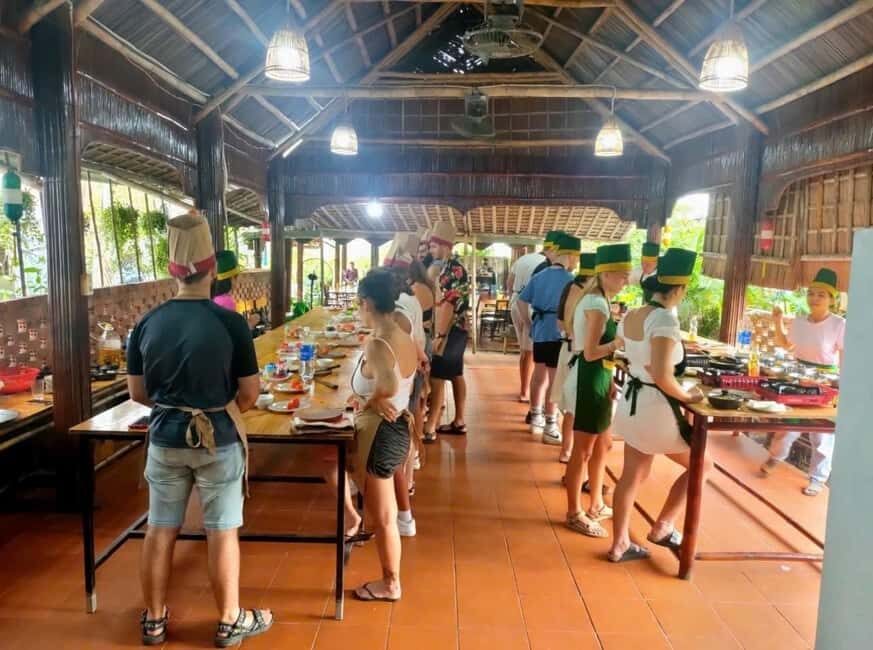
This is a group tour, but it’s not too big. You’ll be split into smaller groups of about 12 participants per group. That helps a lot when you’re doing hands-on cooking. You can usually see what’s happening and still get attention from the guide.
The schedule is set so you’re not stuck waiting around:
- morning option: 10:00am to 12:30pm
- afternoon option: 3:45pm to 6:30pm
- total time: about 150 minutes
Because you’re in someone’s home, you should plan to move between stations and follow the guide’s steps. Wear comfortable shoes. You’ll likely spend time standing, and you’ll be glad you brought the right footwear.
What You’re Really Paying For: Value at About $27
At $27 per person, you’re buying more than a meal. You’re paying for:
- a guided cooking lesson in a local home
- pickup and drop-off in central Hoi An
- an English-speaking guide
- bottled water
- entrance fee tickets (included)
- and the meal itself (lunch for morning, dinner for afternoon)
That’s a full package. Many cooking experiences elsewhere charge extra just for instruction or for the meal. Here, the structure is straightforward: learn, cook, eat.
The only extra cost noted is if you need pickup from Da Nang city or outside Hoi An city center, which costs 300,000 VND (about $12.5) per one-way trip when shared by 2–3 pax. If you’re staying in central Hoi An, you should be fine without that add-on.
As always, consider whether you’ll actually cook at home after. If you love trying new recipes, this class gives you a built-in return trip skillset: a menu with clear steps, not just photos.
Who This Class Suits Best (and Who Should Rethink It)
This is best for you if you want:
- a hands-on cooking experience, not a restaurant meal only
- Vietnamese dishes that are specific to Hoi An
- a relaxed group size with English support
- food learning that you can replicate later
It may not be ideal if you:
- have heart problems or other pre-existing medical conditions (the class states it’s not suitable)
- are extremely elderly (it also notes people over 95)
- prefer food experiences with less physical involvement
Also, the class has a child policy: children under 3 are free, but they won’t join in the cooking and will share the service with parents. That’s helpful if you’re traveling as a family and just want your child to be part of the meal time.
Practical Tips Before You Go (So You Enjoy Every Minute)
Here’s what will make your day easier:
- Bring comfortable shoes and outdoor clothing for warm weather
- Pack a sun hat and a camera if you like food shots and process photos
- Bring some cash (it’s listed as something to have)
- If you’re sensitive to sun or standing time, wear lighter layers
If you have allergies, don’t guess. The class explicitly says ingredients can be adapted for allergies and dietary needs. Send your restrictions ahead of time, then confirm again with your guide when you arrive.
And if you’re choosing between morning and afternoon: morning usually feels better if you want energy for more exploring after. Afternoon can be perfect if you want a relaxed late start and an easy evening afterward.
Should You Book This Hoi An Local Family Cooking Class?
Yes, I’d book it if you want a true food lesson with real dishes, cooked in a local home setting with an English-speaking guide. The strongest reasons are the hand-on menu (rice milk, pancake, spring rolls, papaya salad) and the fact that you eat what you make with the family afterward. At about $27, it’s good value because you get instruction, transportation in central Hoi An, and the meal bundled together.
I’d skip or at least reconsider if you have a medical issue listed as unsuitable, or if you want a very calm, seated experience with minimal cooking activity. And if you’re traveling from outside the Hoi An pickup area (like Da Nang), factor in the one-way transfer cost so you’re not surprised by the final total.
If your goal is to leave Hoi An with a menu you can actually cook again, this one fits.
FAQ
FAQ
How long is the Hoi An Local Family Cooking Class?
It lasts about 150 minutes.
What times are the morning and afternoon tours?
Morning is from 10:00am to 12:30pm, and the afternoon tour is from 3:45pm to 6:30pm.
Where does pickup happen?
Pickup is included from selected hotels in Hoi An city center.
Is there an extra cost for pickup from Da Nang or outside Hoi An?
Yes. Pickup from Da Nang city or outside of Hoi An city center costs 300,000 VND (about $12.5) per one-way trip, shared by 2–3 pax.
What is included in the price?
Included are the lunch (morning) or dinner (afternoon), bottles of water, an English-speaking tour guide, hotel pickup and drop-off, and entrance fee tickets.
What dishes are on the menu?
The listed menu includes traditional rice milk, Hoi An pancake, Hoi An spring roll, Hoi An papaya salad, sautéed chicken, and morning glory or okra fried, served with steamed rice.
Are vegan or vegetarian options available?
Yes. Vegan/vegetarian options are available, and vegans are acceptable.
Can chicken be replaced with something else?
Yes. Chicken can be changed to Pho (rice noodle with beef), Hoian Cao Lau, Mi Quang, or fishes.
What should I tell the host if I have an allergy?
Let them know about food restrictions or allergies. The class states ingredients can be adapted depending on your needs.
Is the class suitable for children and elderly people?
Children under 3 are free of charge, but they won’t join in cooking and will share services with parents. It is also noted as not suitable for people with heart problems or pre-existing medical conditions, and for people over 95 years.