REVIEW · HOI AN
Hoi An Ghosts, Death, Mystery Unveiled
Book on GetYourGuide →Operated by Momo Travel Limited Company · Bookable on GetYourGuide
Death is the theme, not the gimmick, and that changes how you see Hoi An. This is the first ghost tour in Vietnam that leans into Vietnamese beliefs about death and the everyday ways people stay connected to it through incense, taboos, and ritual spaces.
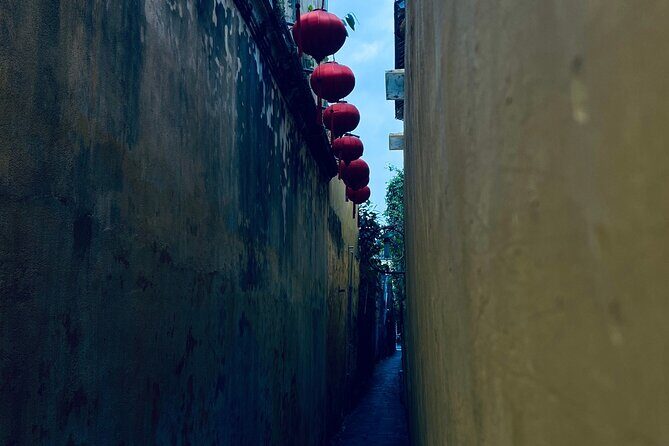
I especially like the way the walk mixes Hoi An history with places most people miss. You start near a 400-year-old tree by Starbucks, then move into shadowy alleys and into quieter corners where you’ll hear stories about murder, war, and how locals protect homes from dark spirits.
The one possible drawback: this tour is small-group walking in older lanes, so if you want pure supernatural action, you might find it more cultural and reflective than you expected.
In This Review
- Key things I’d plan for
- Death in Hoi An: what this tour explains (and why it matters)
- Meeting by the 400-year-old tree next to Starbucks: the tone is set fast
- The alley walk: grave locations and the role of incense
- The story of 108 traders and the King’s apology
- Ancient houses and war-linked abandonment
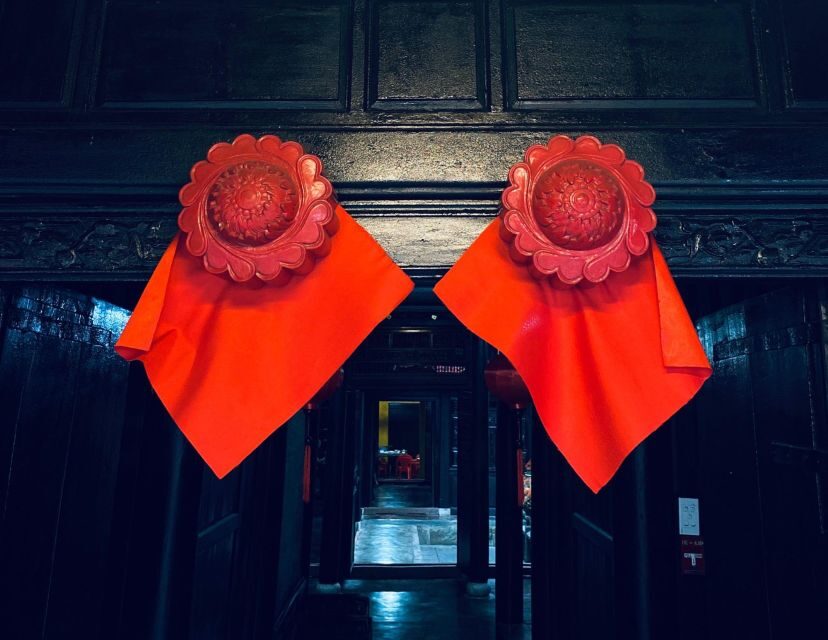
- How locals protect homes from dark spirits and moon taboos
- The mystery monster of Hoi An: listening to lore with care
- Guides and storytelling: why the conversation quality gets praised
- Price and value: what $20 buys you in a town like Hoi An
- Who this tour fits best (and who might prefer something else)
- Practical tips so the experience feels comfortable
- Should you book this Hoi An ghosts tour?
- FAQ
- How long is the Hoi An Ghosts, Death, Mystery Unveiled tour?
- How far do you walk during the tour?
- What is the price per person?
- Where do you meet the host?
- Is the tour in English?
- Is hotel pickup and drop-off included?
- Does the tour run in bad weather?
- How big is the group?
- What places will you visit?
- Is there a cancellation option?
- Is the tour wheelchair accessible?
Key things I’d plan for
- Death rituals, incense, and taboo rules: the focus is beliefs and meaning, not jump-scares.
- A short-but-real walking route: about 1.5 km across roughly 1.5 hours, with the full experience lasting 2 hours.
- Hidden Hoi An alleyways: you’ll go beyond the main lantern photo stops.
- Stories that tie to specific places: graves, ancient houses, ancient wells, and ghost alleys are part of the route.
- English-speaking guide, small group (max 10): it’s designed for conversation.
Death in Hoi An: what this tour explains (and why it matters)
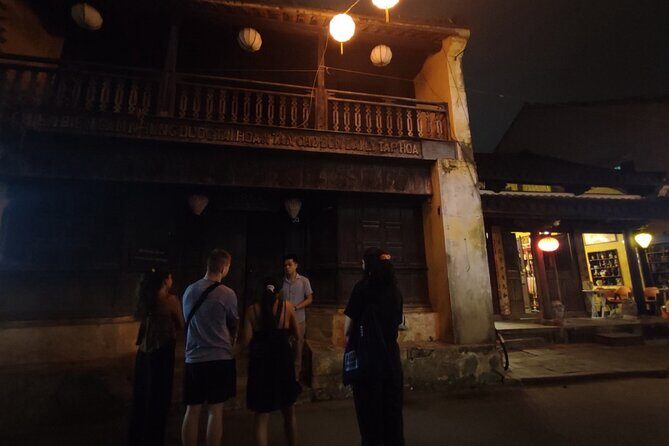
Most “ghost tours” chase fear. This one uses the idea of haunting to talk about something more useful: how people live with death in their culture. You’ll hear how Hoi An breaks a taboo around death and how daily life and ritual life overlap, especially through scent and ceremony.
What I like is that it treats these stories as a map. Instead of saying ghosts are proof of something, the tour shows how people use symbols, rules, and respectful actions to handle an unavoidable part of being human. You’ll walk past locations that connect belief to place, then leave with a better sense of why certain behaviors matter in Vietnamese communities.
It also reframes Hoi An beyond lanterns. Yes, the town is famous for its nighttime glow, but the darker side helps you understand the texture underneath the postcards. You’ll get a city portrait that most people only half-see.
You can also read our reviews of more tours and experiences in Hoi An.



Meeting by the 400-year-old tree next to Starbucks: the tone is set fast
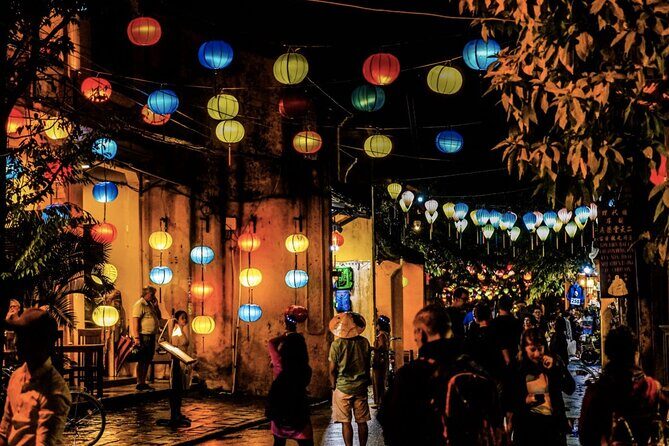
Your host meets you next to a 400-year-old tree beside Starbucks Hoi An. That matters more than you’d think. It’s a clear, easy landmark, so you’re not wandering around trying to find the group before things start.
From the first moment, the tour’s tone feels intentional: you’re not sent out as random walkers. You’ll be guided into darker alleys right away, which helps you start absorbing the stories with the right mood and context.
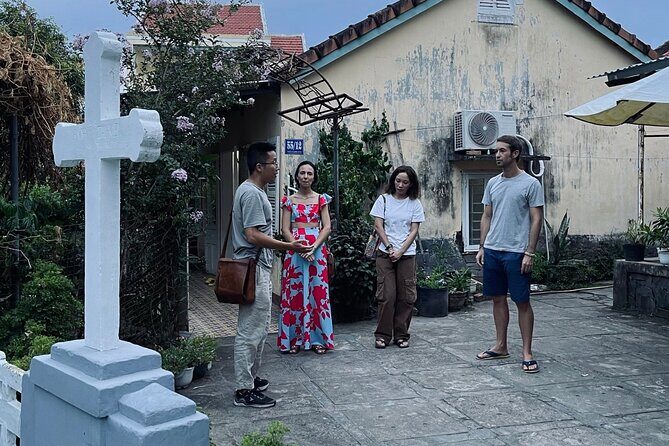
And because it’s a small group limited to 10, the beginning doesn’t feel chaotic. You can ask questions early, and the guide can steer the pacing around the questions people care about.
The alley walk: grave locations and the role of incense
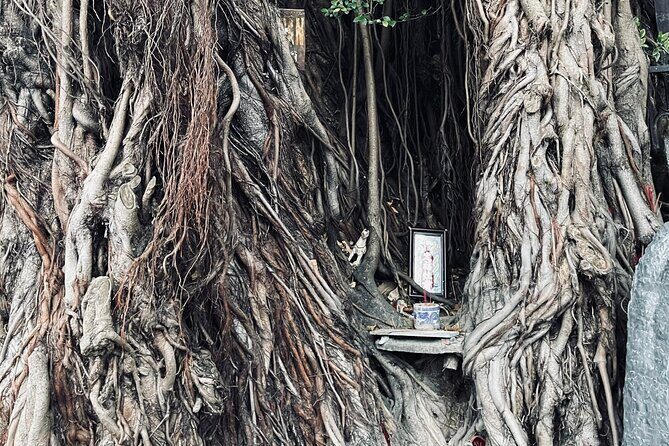
One of the most specific parts of the experience is the stop at a grave in the middle of town. Here, the tour focuses on death ritual and how living people connect with death through incense. That’s the core idea: belief shows up in physical actions, and those actions shape public space.
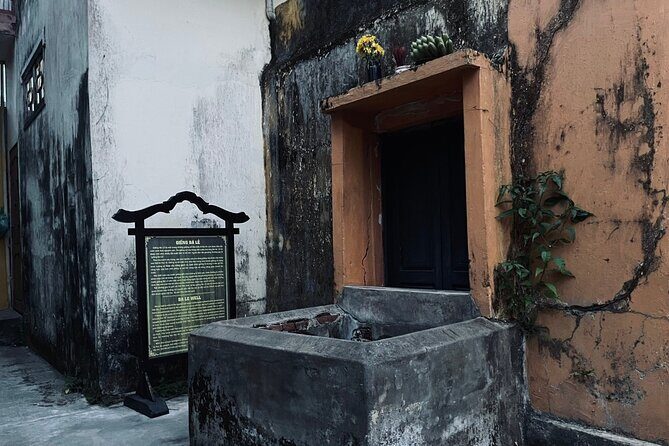
As you move through the alleys, you’ll be shown locations tied to dreadful discoveries. The tour also includes cultural stops that go beyond grave sites, including ancient houses and ancient wells, so the meaning isn’t only about one moment. It’s about how the past continues to exist in the present, sometimes quietly, sometimes through repeated ritual.
Practical note: you’ll be walking around 1.5 km, and the tour is said to run rain or shine. If it’s wet, older lanes can get slick. Wear shoes you trust.
The story of 108 traders and the King’s apology
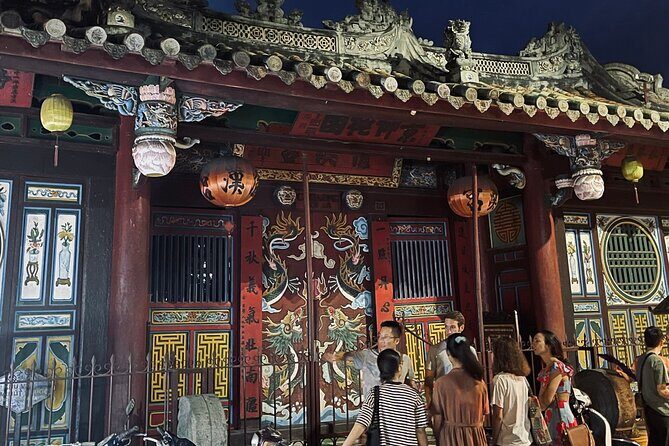
Hoi An’s darker lore isn’t kept vague here. You’ll hear about the murder of 108 traders and also the apology of the King. Even if you don’t know the background beforehand, the tour uses these events to explain how communities remember wrongdoing and how authority can respond in ways that later become part of local storytelling.
What makes this section valuable is the balance. It’s not only tragedy. It’s also about how a community processes events that would otherwise be only frightening or only shocking. You’re guided through the narrative connections, then you continue walking, so the story stays tied to the geography instead of floating off as a random legend.
This is the kind of stop that often makes people slow down and look at the street differently. A place becomes a clue, not just scenery.
Ancient houses and war-linked abandonment

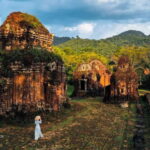
The tour includes a moment in the shadow of the oldest house in the old town, where you’ll hear about the war that made immigrants abandon their houses. This matters because it connects two things tourists sometimes separate: history and belief.
Once you understand displacement and the way communities rebuild, ghosts stop being only supernatural. They become a metaphor for what’s left behind, what memories cling to, and how architecture keeps traces of earlier lives.
You’ll also hear how people treat those traces with care. In a town where so much is preserved and restored, it’s helpful to see what stories people attach to old walls and doorways, and why those stories influence daily conduct.





How locals protect homes from dark spirits and moon taboos
As the tour continues, you’ll learn how locals protect their houses from dark spirits and how taboos shape what people do and don’t do. You’ll also hear about restrictions around Fullmoon and Newmoon, including things you are not allowed to do during these times.
That’s a big reason this experience works as more than entertainment. It helps you understand that belief systems don’t live only in temples. They show up at home, in routine, and in shared rules that families follow year after year.
Also, the route design helps you feel the idea of “rules in space.” Instead of discussing taboos only in theory, you hear them while walking near domestic and community sites tied to those practices.
If you’re the kind of person who likes learning “how people actually live,” this section is likely to be one of your favorites.
The mystery monster of Hoi An: listening to lore with care
The tour includes stories that go beyond graves and specific historical incidents, including the mystery monster living in Hoi An. The point here isn’t to prove anything. It’s about understanding how legends form and how they’re used to explain fear, uncertainty, or the unknown in a way a community can pass on.
You’ll also be told about “things you are not allowed to do,” and you’ll likely notice that the guide frames these rules with respect. That’s important for anyone visiting a place where belief isn’t just folklore for outsiders. The stories become a lesson in cultural boundaries: how to behave, how to listen, and how not to treat sacred ideas as a cheap thrill.
Given the calm tone many guides are praised for, this part tends to land as storytelling, not spectacle.
Guides and storytelling: why the conversation quality gets praised
The feedback you can use to choose a good night comes down to one thing: the guides’ storytelling style. Many guides are described as having a calm energy, gentle nature, and a real gift for talking in a way that holds attention for nearly two hours.
Names that show up in the guide experiences include Nhat, Sanh, Goon, Kun, Sinh, Tom, Vy, Vinh, and Karla. People mention guides who speak perfect English, answer questions in depth, and keep the group engaged with a mix of historical facts and personal anecdotes. Some guides also add humor, including dad-joke style moments, which helps the “dark side” feel approachable.
So if you choose a departure time that works for your schedule, you’ll still benefit from that interactive setup: you’re not just receiving a lecture. The best guides keep the flow natural, invite questions, and tailor the pacing to how curious the group is.
Price and value: what $20 buys you in a town like Hoi An
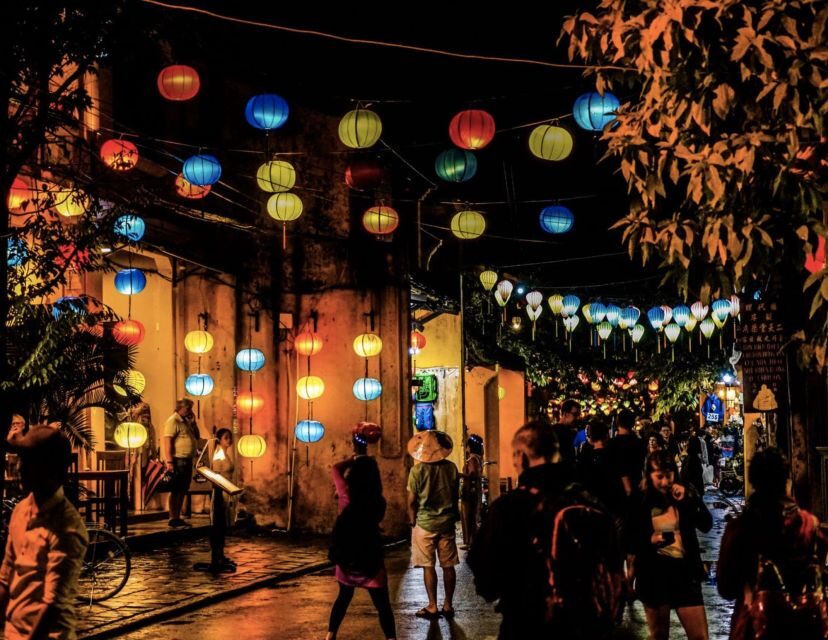
At $20 per person for about two hours, the value comes from access and context. You’re paying for an English-speaking guide and a guided walk that takes you through multiple types of sites: graves, ancient houses, ancient wells, and ghost alleys. That’s more than one landmark, and it’s more than a quick story stop.
The small-group cap of 10 also matters. It’s what makes conversation and Q&A possible, especially when you’re dealing with taboo topics like death rituals and moon-time restrictions. If you’re in a group that’s too big, you lose that exchange.
The other value factor is the “how you see the city” component. You’ll cover around 1.5 km, which is not a huge distance, but it’s dense with meaning. You’re not just moving through old streets; you’re learning how those streets connect to belief and history.
One more practical point: hotel pickup and drop-off are not included. That’s not a dealbreaker, but you should plan your own way to the meeting point near Starbucks so you’re not rushing.
Who this tour fits best (and who might prefer something else)
This tour is ideal if you:
- want culture and history tied to real places, not only spooky entertainment
- enjoy questions and conversation with an English-speaking guide
- like the idea of Hoi An beyond lanterns and river photos
- are curious about how communities handle taboo topics respectfully
It may be less ideal if you:
- want a loud, action-heavy supernatural experience
- prefer big-name sights only and don’t care about graves, wells, and house-based lore
The tour’s greatest strength is that it treats the unseen as part of everyday life and community memory.
Practical tips so the experience feels comfortable
A few things will help you enjoy it more:
- Dress for rain: the tour runs rain or shine, so bring a light rain layer if the weather looks doubtful.
- Wear grippy shoes: you’ll walk about 1.5 km in older lanes.
- Keep an open, respectful attitude: you’ll encounter graves and taboo-related content.
- Bring your curiosity: the guide is there for questions, and the storytelling style is a big part of the value.
- Meet on time: the meeting spot is specific (next to the 400-year-old tree by Starbucks), so get there early enough to settle.
Should you book this Hoi An ghosts tour?
If you like thoughtful storytelling, small-group walking, and cultural depth, I think it’s a strong yes. The price is reasonable for two hours of guided access to multiple types of sites, and the central theme is unusual: death rituals and local taboos tied to actual locations.
Book it when you want Hoi An to feel more personal and less postcard. Choose it when you’re happy trading standard sight-seeing for hidden alley stories, grave rituals, and the kind of history you don’t usually get in the main tourist flow.
FAQ
How long is the Hoi An Ghosts, Death, Mystery Unveiled tour?
The tour lasts about 2 hours.
How far do you walk during the tour?
You’ll walk around 1.5 km, with the overall walking taking roughly 1.5 hours.
What is the price per person?
The price is listed as $20 per person.
Where do you meet the host?
You meet next to a 400-year-old tree beside Starbucks Hoi An, where the host waits.
Is the tour in English?
Yes. It includes an English-speaking guide.
Is hotel pickup and drop-off included?
No. Hotel pickup and drop-off are not included.
Does the tour run in bad weather?
Yes. The tour runs rain or shine.
How big is the group?
It’s a small group limited to 10 participants.
What places will you visit?
You’ll visit haunted, cultural places such as graves, ancient houses, ancient wells, and ghost alleys.
Is there a cancellation option?
Yes. There’s free cancellation up to 24 hours in advance for a full refund.
Is the tour wheelchair accessible?
Yes. The activity is listed as wheelchair accessible.