REVIEW · HOI AN
Hoi An – Danang – Hue: Private Car via Hai Van Pass and More
Book on Viator →Operated by Adventure Journey · Bookable on Viator
A long drive between cities can feel like filler—this one turns into a sightseeing day. You get a private car transfer from Hoi An to Hue (or back), and you can shape the route around big sights like Hai Van Pass and Da Nang area highlights. The payoff is simple: you trade waiting time for views, caves, temples, beaches, and scenic lookouts, all on your own schedule.
Two things I really like about this setup are the flexible stop options (from a direct ride to a full day) and the driver experience, with named drivers such as David, Viet, and Quoc Nguyen described as friendly, careful, and good at explaining what you’re seeing in clear English. One possible drawback: most major attractions along the way require separate tickets, so you’ll want to budget for entry fees on top of the transfer price.
In This Review
- Key Things That Make This Transfer Worth Considering
- Why This Hue–Hoi An Private Car Feels Like a Day Trip (Not a Commute)
- Choosing Your Route: Direct Ride vs Full-Day Stops
- Marble Mountains: Caves, Tunnels, Pagodas, and Why It’s More Than Pretty Rocks
- Hai Van Pass: The Scenic Ride That’s Worth Getting Up For
- Lap An Lagoon and Lang Co Beach: A Calmer Coast Break on the Way
- My Son Sanctuary: Cham Temples That Feel Surprisingly Understandable
- Ba Na Hills and the Golden Hands Bridge: Big Views and a Cable Car Fixed Into the Plan
- Linh Ung Pagoda at Monkey Mountain and the Da Nang Icons You Might Catch
- An Bang Cemetery: The Tombs City of the Ghosts, Best With a Slow Pace
- Driver Factor: Smooth Rides, Clear English, and Real Stop Help
- Price and Value: Why $12 Can Still Add Up (in the Right Way)
- Timing, Comfort, and What to Bring for a Better Day
- Should You Book This Private Car Transfer?
- FAQ
- How long is the Hue to Hoi An private car transfer?
- Where do you get picked up?
- Is this a one-way transfer?
- Can I customize the sightseeing stops?
- Which major stops can be included?
- Are entrance tickets included for those attractions?
- Do you provide a tour guide?
- Is the vehicle air-conditioned?
- Is food included in the price?
- What happens if the weather is bad?
- Is this tour private?
Key Things That Make This Transfer Worth Considering
- Hai Van Pass: a famous coastal mountain road with a real summit view and historic remnants.
- Marble Mountains: caves, tunnels, Buddhist spots, plus the stone-sculpture vibe nearby.
- Ba Na Hills (Golden Hands Bridge): cable car access and a big, photo-friendly highlight near Da Nang.
- My Son Sanctuary: Cham temple ruins (with a heavy backstory you’ll actually understand after you’re there).
- An Bang Cemetery: the famous Tombs City of the Ghosts, best taken slowly rather than rushed.
- Driver quality: you’ll be matched with a basic-English speaking, friendly driver who keeps the ride smooth and the stops organized.
Why This Hue–Hoi An Private Car Feels Like a Day Trip (Not a Commute)

Hoi An and Hue are close enough that many people treat the route like logistics. I don’t love that approach. This transfer is built for the opposite feeling: you’re basically getting a private tour day with car time wrapped around it.
The big win is control. You can choose a direct transfer (about 3 hours) or add sightseeing stops that stretch it to a longer outing (up to around 9 hours, depending on the option you select). That flexibility matters because the “best” route changes by season and by your pace. If you’re tired, you go straight. If you want highlights, you build a stop plan.
The second win is how much the route itself adds. The journey passes through central Vietnam’s signature mix: mountain roads (Hai Van Pass), beach areas (Lang Co), and iconic Da Nang experiences (like Ba Na Hills and Linh Ung Pagoda). Even when you’re not getting out of the car, the drive is part of the point.
You can also read our reviews of more private tours in Hoi An



Choosing Your Route: Direct Ride vs Full-Day Stops
Before you pick a time, think about what you want from the day:
- A fast hop between cities if you’re tight on energy or already booked other tours.
- A sightseeing transfer where the car becomes the moving base.
With sightseeing options, you can usually shape the day around a few core stops. Marble Mountains, Hai Van Pass, Lang Co, Lap An Lagoon, My Son Sanctuary, Ba Na Hills (including Golden Hands Bridge), Linh Ung Pagoda (near Monkey Mountain/Son Tra), and even stops like Da Nang Dragon Bridge and An Bang Cemetery are all named as potential highlights, depending on what you choose.
One practical note: the order and exact mix can vary based on your itinerary choice. For example, some people experience My Son as the first major stop, while other plans start with something closer to Da Nang. So when you book, glance over the options you pick and make sure they match your rhythm—especially if you know you don’t like long stair climbs or cave exploring.
Marble Mountains: Caves, Tunnels, Pagodas, and Why It’s More Than Pretty Rocks

Marble Mountains (Ngũ Hành Sơn) earns its reputation because it’s not just a viewpoint. The whole area is a network of caves, tunnels, and temple spaces tucked into the limestone/marble hills. You can also climb up to the summit of Thuy Mount (Water Mountain), and there are Buddhist sanctuaries inside the cave system.
Why it’s a good stop on a transfer day:
- You get a “walk-with-goal” experience, so the time isn’t wasted.
- It’s one of those places where the environment changes as you go deeper—open areas, then enclosed cave sections, then higher viewpoints.
- The surrounding area is also known for stone carving and sculpture work, which gives you context for what you’re seeing and buying.
What to watch for:
- This stop can mean steps and uneven cave floors. The experience calls for moderate physical fitness, so plan accordingly.
- Tickets aren’t included in the transfer price, so you’ll likely pay separately for cave/monument entry.
If you like your sightseeing with actual texture—rock, shadow, temples tucked in odd places—this is the kind of stop you won’t mind getting out for.
Hai Van Pass: The Scenic Ride That’s Worth Getting Up For
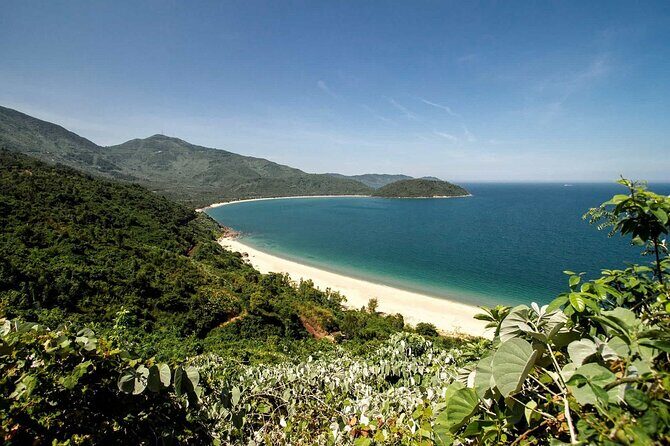
Hai Van Pass is one of Vietnam’s most famous coastal mountain roads. It’s often described as the Cloudy Pass, and it’s known for scenic hillside driving with big ocean-and-sky views.
A few details that matter when you plan:
- The pass is north of Da Nang, and while most through-traffic goes through a tunnel at the base of the mountain, the winding road up top is built for sightseeing.
- The road ascends to above a thousand meters, and at the summit you can see remnants of fortifications plus wide views.
What you’ll like here:
- It breaks the ride into something memorable. You’re not just sitting for hours.
- It’s an easy “big photo moment” without committing to a full-day hike.
Potential drawback:
- Weather matters more than you might expect. If it’s foggy or rainy, the views can be muted. The experience also notes it requires good weather, and you might get a different date or a refund if it’s canceled due to poor conditions.
- Roads are winding. If you’re sensitive to motion, ask for a smooth driving style (and consider bringing a motion sickness remedy if that’s something you deal with).
Lap An Lagoon and Lang Co Beach: A Calmer Coast Break on the Way

Lang Co is a beach area in Lang Co Bay, sometimes associated with the Village of the Storks. It also sits at the bottom of Hai Van Pass, and the bay location helps define different climate zones in the region.
Lap An Lagoon is smaller but attractive, known for a turquoise-looking lagoon against mountain scenery, plus about 10 km of beachfront. The simple move here is smart: you stretch your legs, take photos, and—if you hit it around lunch—eat seafood at local restaurants near the fishing village.
What makes these stops valuable (beyond looking good):
- They add variety between big monuments. After temples and caves, you get sea air and a slower pace.
- They’re easy to experience without needing long ticket lines or a strict itinerary.
What to watch for:
- The transfer price does not include food. If you plan to eat at these stops, treat meals as an extra cost.
- Timing matters. A “lunch stop” only works if your itinerary choice lines up with meal hours.
You can also read our reviews of more tours and experiences in Hoi An






My Son Sanctuary: Cham Temples That Feel Surprisingly Understandable

My Son Sanctuary is one of central Vietnam’s key Cham heritage sites. It’s described as having magnificent structures built of clay bricks by the Chams between the 4th and 13th century. You’ll hear that it was the religious heart of the Cham people, and that the site was once as important as Angkor Wat before wartime destruction left only about 20 temples surviving.
Why this stop is a great fit for a private driver day:
- Your car ride gets you there, but you’re also not stuck waiting for a separate guided tour to make sense of it all.
- A driver who explains what you’re seeing can help you connect dates, purpose, and layout without needing a separate group tour.
What to watch for:
- Ticket costs are not included.
- The experience says moderate physical fitness is recommended—at some points you might be walking on uneven ground and navigating temple areas.
If you want a cultural stop that isn’t just “look at ruins,” My Son is one of the stronger options on this route.
Ba Na Hills and the Golden Hands Bridge: Big Views and a Cable Car Fixed Into the Plan

Ba Na Hills is a hill station and resort area west of Da Nang, often compared to Da Lat in style and atmosphere. It has French colonial-era roots (founded in 1919 by French colonists), and it’s now known for major tourist attractions, including the cable car system and the Golden Hands Bridge.
Here’s what you can expect from the experience description:
- The Ba Na cable car opened in 2013 and is described as holding a world record for the longest non-stop single-track cable car.
- The Golden Hands Bridge is the latest standout attraction tied to the area.
Why it’s worth budgeting time for:
- It gives you a “wow” structure moment that’s different from caves, temples, and beaches.
- You don’t need a lot of stamina to enjoy it compared with longer hikes elsewhere—though you’ll still be doing walking once you’re on site.
Potential drawback:
- This is the kind of stop where ticket costs add up. The transfer includes the car and stops, but sightseeing tickets are not included.
- It can be busy depending on the day and time. If you’re easily overwhelmed by crowds, choose a timing that feels comfortable for you.
Linh Ung Pagoda at Monkey Mountain and the Da Nang Icons You Might Catch

Linh Ung Pagoda sits near the area called Monkey Mountain on the Son Tra peninsula, about 10 km northeast of Da Nang’s center. Son Tra is described as a 60-square-kilometer peninsula with a 13 km length, shaped by surrounding seas and the Hai Van Pass area.
This stop is interesting because it’s both scenic and spiritual. Even if you’re not there for a long visit, it gives you:
- A strong sense of place on the peninsula
- A major pagoda experience tied to Da Nang’s most recognizable viewpoints
In the broader route options, you may also have a stop related to Da Nang’s Dragon Bridge. The experience data names it as part of potential sightseeing, but it doesn’t spell out the exact viewing plan. So treat it as a “stop you might see and photograph,” not a guaranteed long guided moment.
What to watch for:
- Pagoda areas can involve stairs and walking.
- Tickets aren’t included, and you may have additional entry fees depending on what you choose to go into.
An Bang Cemetery: The Tombs City of the Ghosts, Best With a Slow Pace
An Bang Cemetery is widely known as the Tombs City of the Ghosts. It’s in An Bang Village, Phu Vang district, in Thua Thien Hue province, about 20 km east of Hue. It features hundreds of large, colorful mausoleums in different shapes.
This is a very different kind of stop—less “tourist must-see” and more a living reminder of how families memorialize people across generations. The key is pacing. You won’t enjoy it if you sprint through.
Why it fits a private car day:
- It’s easy to add without complex logistics.
- You can spend as much time as you need because the car is waiting and you can adjust your pace.
Potential drawback:
- It’s emotionally unusual for some people. If you prefer light and playful sightseeing, this stop may feel heavy.
- Your car day might feel longer if you add it, especially when paired with other major attractions.
Driver Factor: Smooth Rides, Clear English, and Real Stop Help
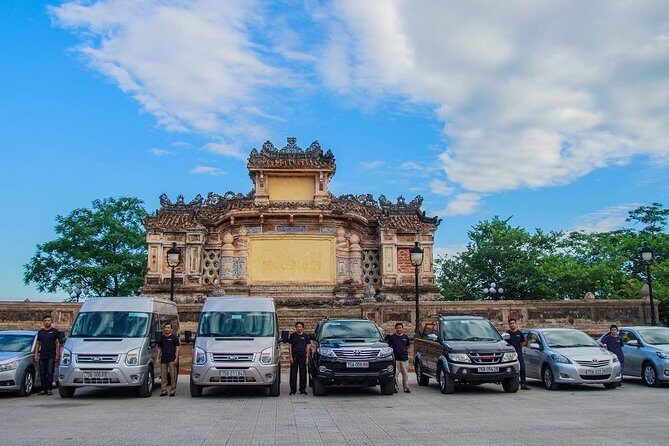
This experience leans hard on the driver. The setup includes an experienced and friendly driver who speaks basic English, plus comfortable air-conditioned transport with fuel, road toll, and parking included during sightseeing transfers.
From the driver quality described, a few patterns stand out and they genuinely matter:
- Communication. Named drivers like David and Viet are described as confirming plans in advance using WhatsApp.
- Driving comfort. People mention smooth rides and careful, safe driving.
- Stop support and explanation. Drivers are described as patient during visits, answering questions, and giving practical tips.
- Little helpful gestures. One example given is a driver holding an umbrella during entry/exit, which sounds small, but it saves you from dealing with weather at awkward moments.
- Food guidance. One account highlights Hoi An food tips delivered alongside the ride.
You won’t get a full separate tour guide with this price (tour guiding is available with a surcharge), but a strong driver can do a lot: help you understand what you’re seeing and keep the day from feeling chaotic.
Price and Value: Why $12 Can Still Add Up (in the Right Way)
The listed price is $12.00 per person, and it’s positioned as a budget-friendly option, with mobile ticketing and group discounts.
Here’s the reality check that helps you decide:
- The transfer cost covers the car, fuel, tolls, parking, and the driver time.
- The price does not include food, drinks, or tickets to the attractions.
- Tipping isn’t included, and a tour guide (if you want one) is an added cost.
So the true value comes from how you use the stop options. If you choose only the direct transfer, it’s mainly paying for convenience and comfort. If you build a day around Hai Van Pass plus 2–4 major stops, you’re effectively paying for transportation and scheduling that would be annoying to piece together yourself.
In practice, this is best value when:
- You want a smooth private ride (not a crowded bus).
- You plan to do several stops, so the car time is “converted” into sightseeing.
- You appreciate a driver who can help you move efficiently between sites.
If you only want one quick stop, you might compare alternatives. But if you’re trying to fit a route like Hue–Hoi An with multiple highlights in one day, the pricing structure makes sense.
Timing, Comfort, and What to Bring for a Better Day
Duration is listed as about 3 to 9 hours, depending on the option. That wide range is your cue: you’re choosing your intensity level.
A few practical tips based on how the day plays out:
- Bring water, especially for beach areas and longer walking stops.
- Wear shoes that handle stairs and cave walkways. Marble Mountains alone can mean uneven ground.
- If you’re booking during a season with sudden rain, keep a light rain layer handy. One driver detail you’ll appreciate is the idea of weather support at entries.
- Keep ticket costs in mind when you plan meals and attractions. Tickets are not included, so it’s smart to have cash or payment options ready.
Also, the experience notes moderate physical fitness is recommended. If you’re unsure, look closely at the stops you choose: caves, pagodas, and temples can all involve stairs and walking.
Should You Book This Private Car Transfer?
Book it if you want:
- A private, flexible Hue–Hoi An plan that can include Hai Van Pass and major Da Nang-area highlights.
- A comfortable, air-conditioned ride with a driver who can handle communication and keep stops organized.
- A one-day way to see more than just city-to-city transit.
Skip it (or choose the direct transfer) if:
- You only want minimal sightseeing and don’t want to manage separate ticket costs.
- You’re very sensitive to weather changes, since the experience notes good weather is required and poor conditions can lead to rescheduling.
My take: this is a strong choice when you’re trying to turn travel time into real memories. The private format makes the route feel like your day, not someone else’s schedule.
FAQ
How long is the Hue to Hoi An private car transfer?
It can be about 3 hours for a direct transfer, or longer (up to around 9 hours) when you add sightseeing stops.
Where do you get picked up?
Pickup is offered from your hotel in Hue or Hoi An. You need to confirm your pick-up details when booking.
Is this a one-way transfer?
Yes, the tour is described as a one-way transfer between Hue and Hoi An via Hai Van Pass and more.
Can I customize the sightseeing stops?
Yes. You can choose a direct transfer or add sightseeing stops along the way based on the options you select.
Which major stops can be included?
The provided options include Marble Mountains, Hai Van Pass, Lap An Lagoon, Lang Co Beach, My Son Sanctuary, Ba Na Hills (Golden Hands Bridge and cable car), Linh Ung Pagoda in Linh Ung/Monkey Mountain area, Da Nang Dragon Bridge, and An Bang Cemetery (Tombs City of the Ghosts).
Are entrance tickets included for those attractions?
No. Tickets to sightseeing places are not included.
Do you provide a tour guide?
A tour guide is not included, but you can add one with a surcharge.
Is the vehicle air-conditioned?
Yes. The transfer includes a comfortable air-conditioner car/mini van.
Is food included in the price?
No. Food and drinks are not included.
What happens if the weather is bad?
The experience requires good weather. If it’s canceled due to poor weather, you’ll be offered a different date or a full refund.
Is this tour private?
Yes. It’s private, meaning only your group participates.