REVIEW · HOI AN
Hoi An Countryside Back Road Tour
Book on Viator →Operated by Hoi An Native Tours · Bookable on Viator
Back roads beat back-to-back sightseeing. This Hoi An countryside back-road tour skips the downtown crush and trades it for quiet lanes, village workshops, and hands-on looks at how people earn a living. It runs about four hours starting at 7:00 am, with pickup offered, and it feels designed for small-group connection rather than checklist tourism.
Two things I really like about it are the focused village stops (each with admission included) and the way the morning is paced for conversation and questions, not just quick photos. I also like the practical touches: coffee or tea plus bottled water keep you comfortable while you move between countryside sites. One thing to consider: the “back-road” part can mean a slightly bumpy, active ride, so if you’re sensitive to motion, plan for that.
In This Review
- Key highlights you’ll care about
- Leaving Hoi An at 7:00 am: why the timing matters
- Getting around the countryside: jeep or motorcycle style
- Stop 1: Thanh Ha Pottery Village and the family craft behind it
- Stop 2: Kim Bong Carpentry Village and the wooden-boat connection
- Stop 3: Cam Nam Island (Cam Kim straw weaving) and mats you can spot everywhere
- What’s included (and why it’s good value for $41)
- Why the guide quality changes the whole day
- Farming day vibes: what to expect from the countryside focus
- Who this tour suits best (and who should rethink it)
- Should you book the Hoi An countryside back-road tour?
- FAQ
- What time does the tour start?
- How long is the Hoi An Countryside Back Road Tour?
- Is this tour private?
- Do you get pickup?
- What stops are included?
- Are admission tickets included?
- What is included in the price?
- Is alcohol included?
- What is the cancellation policy?
Key highlights you’ll care about
- Thanh Ha Pottery Village for a close look at how families make vases, kettles, and pots
- Kim Bong carpentry tied to traditional wooden fishing-boat building techniques
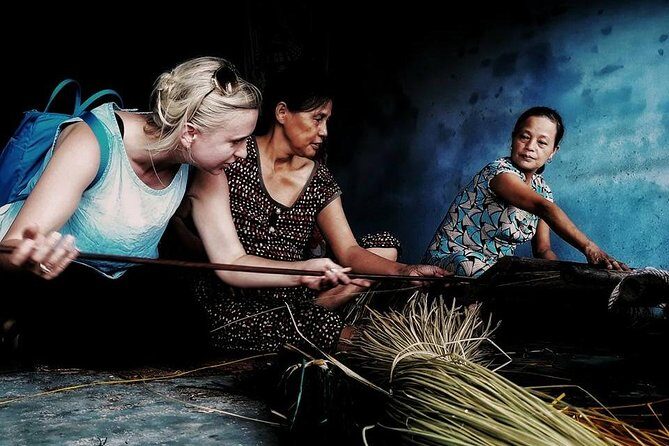
- Cam Nam / Cam Kim straw weaving where sleeping mats and yoga mats are woven by hand
- Admission tickets included at each main stop, so you avoid extra small payments
- Pickup + private group for a more relaxed pace than joining a crowd
Leaving Hoi An at 7:00 am: why the timing matters

Starting at 7:00 am is a smart move in Hoi An. Morning light makes the countryside feel calmer, and you’re already heading out before the town’s busiest energy ramps up. The tour’s whole pitch is “leave the noise behind,” and the early start supports that idea: you get a quieter ride, plus more time to talk with craftspeople before the day gets hectic.
You’ll also feel the route difference. Even when you’re just driving between villages, the experience changes from tourist scenery to real neighborhood rhythms. You see people working, transporting goods, and going about daily life—because that’s what the area is like when you’re not chasing midday crowds.
The tour is also described as “private,” meaning it’s just your group. That changes the vibe. It’s easier to ask questions, take a breather when something catches your interest, and adjust the flow if someone needs a stop for water or a restroom break.
Finally, the tour provider is Hoi An Native Tours, and that matters for this kind of itinerary. Village workshops are easiest to enjoy when you have a guide who can explain what you’re seeing and help you connect with people beyond the shopfront.
You can also read our reviews of more tours and experiences in Hoi An.



Getting around the countryside: jeep or motorcycle style
This tour is built for back roads, and the ride style can vary. In the past, guide setups have included jeep-style touring as well as motorcycle/scooter riding options. Either way, you’re not sitting still all morning.
One reason this works so well is that the ride becomes part of the story. You’re not just going from one ticketed stop to the next—you’re traveling through the countryside in a way that feels more like local mobility than a bus route.
Guide behavior is a standout theme in the feedback, too. Names that come up include Hanni and Luc (also mentioned as Luke). They’re described as fun, personable, and good with English, with Luc specifically noted for joking and for going slow and careful when a rider was nervous. That’s the kind of detail you want to know before you pick a “back road” tour, because comfort and confidence make the difference between adventure and stress.
If you want a calm but active morning, pay attention to how your guide handles pace and safety. The tour’s best moments tend to happen when the ride lets you arrive relaxed enough to focus on the workshops and conversations.
Stop 1: Thanh Ha Pottery Village and the family craft behind it
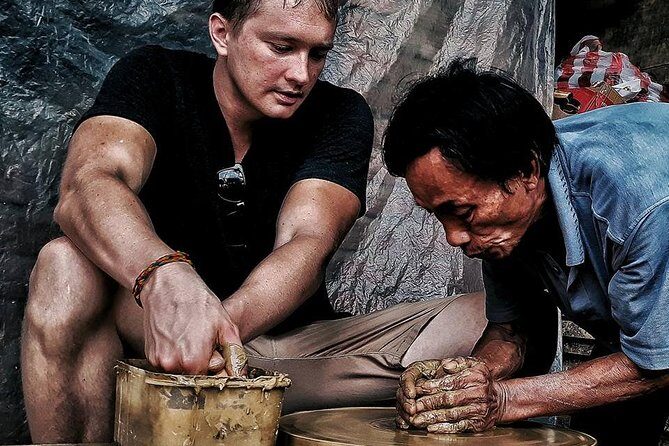
Thanh Ha Pottery Village is where the tour starts turning the focus from scenery to skill. You’ll step into the daily life of expert craftspeople making items like vases, kettles, and pots. This stop lasts about 30 minutes, and admission is included.
What makes Thanh Ha more than “look at pottery” is the emphasis on process and families. You get a closer sense of how pottery styles change and influence each other over time. In practical terms, that means you’re not only seeing finished goods—you’re watching how tradition continues, adapts, and spreads through people who share the work across generations.
You’ll also likely notice how pottery is tied to everyday life. It’s not presented as museum art. It’s tools, containers, and household pieces that connect craft to home and trade.
A possible drawback: pottery villages can be shopping-heavy if a tour leans too far toward retail. Here, the tour framing is more about the working day of craftspeople, so if you enjoy watching the craft side—rather than only buying souvenirs—you’re in the right place.
Stop 2: Kim Bong Carpentry Village and the wooden-boat connection
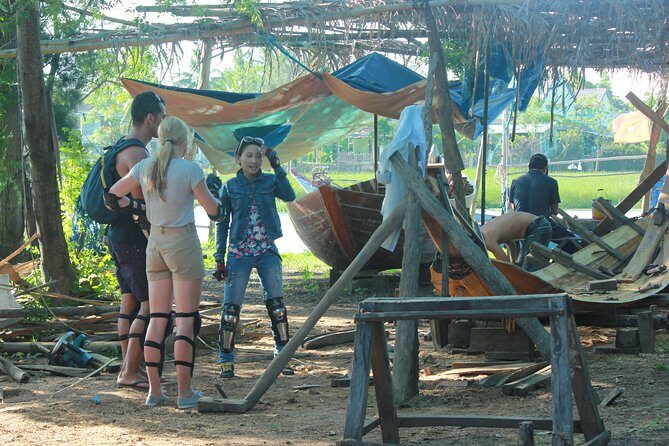
Next up is Kim Bong Carpentry Village, another 30-minute stop with admission included. This one connects carpentry to a dockyard tradition: wooden fishing vessels built using traditional techniques. After that, you move into carpentry workshops to see handcrafted furniture and sculptures shaped by the same core skill set.
This is one of the most meaningful stops on the route because it links a craft to a livelihood. When carpentry is tied to boat-building, you’re seeing a technical craft with real-world stakes: seaworthy woodwork is not just decoration. It’s precision work done because people rely on it.
The workshop portion matters, too. Watching how wooden furniture and sculptures take shape helps you understand the versatility of the craft. Even if you’re not into woodworking, the visual logic is clear—joinery, shaping, and finishing are the common threads.
One consideration: if you only have a short attention span for hands-on processes, 30 minutes can feel fast. The trade-off is that this tour keeps momentum. You’re meant to see multiple crafts without burning your whole day at a single site.
If you like practical cultural learning—how people make things, why they make them, and what skills pass through families—Kim Bong is a strong fit.
Stop 3: Cam Nam Island (Cam Kim straw weaving) and mats you can spot everywhere
The third stop is Cam Nam Island, and the description also points to Cam Kim straw weaving. Either way, you’re stepping into a straw-weaving environment where people produce sleeping mats and yoga mats.
This stop runs about 30 minutes with admission included. It’s the kind of visit that’s easy to appreciate because you can connect it to objects you already recognize. Straw mats are functional items, and you can often see the weaving pattern becoming the final product in front of you.
The tour framing highlights how weaving styles change and influence each other over the course of time. That’s important, because it turns straw weaving from a simple craft demonstration into a story about exchange—different techniques, different design preferences, and how people learn from neighboring communities.
A drawback to keep in mind: straw weaving can look repetitive if you’re only watching from a distance. The visit feels best when you slow down and watch the steps closely—how the material is handled, how the weaving is structured, and what changes as the mat takes form. Your guide can help you focus on what’s worth noticing.






What’s included (and why it’s good value for $41)

At $41, this tour is positioned as a budget-friendly way to see more than one village workshop with less hassle than DIY. The “value” isn’t only the price tag—it’s what’s included.
You get:
- Coffee and/or tea
- Bottled water
- Admission tickets included for each of the main craft stops
That matters because craft villages often charge entry, and those fees add up quickly when you string multiple sites together on your own. Here, the included admissions help you avoid that slow creep of small costs.
Also, the tour is described as private, meaning you’re not paying for a seat in a large group where conversations and timing get controlled by the slowest person. Even if you’re traveling solo, the private format can translate into more attention from your guide and more flexible pacing.
One item not included is alcoholic beverages. That’s not a negative in my book for a morning countryside ride. Starting early and staying sharp is easier when you’re not mixing in drinks.
Total duration is about four hours. For the number of distinct stops—pottery, carpentry, and straw weaving—that’s a workable pace. You get variety without turning the day into a marathon.
Why the guide quality changes the whole day
In this type of tour, the guide is the difference between watching and understanding. In the feedback, Hanni is mentioned for bringing people to meet locals and learn how they provide for their families, with a strong emphasis on welcoming, fun interactions. That’s the best kind of cultural visit: not just a workshop demonstration, but a chance to see how work supports daily life.
Luc also shows up with consistent praise. One person noted him arriving on time, guiding them around the province using motorcycle back roads, and explaining aspects of Vietnamese culture along the way. Another comment calls him quick to joke, speaking great English, and taking guests off the track for countryside sights you wouldn’t easily find alone.
There’s also a practical confidence point: when someone felt nervous about riding, Luc reportedly reassured them and kept the pace slow and careful. That’s worth taking seriously. Back-road touring is only fun when you trust the person driving and when your comfort level matches the speed.
So when you book, treat it as a storytelling tour, not a transport service. The itinerary is solid, but the day becomes memorable when the guide turns crafts into living culture and conversations into context.
Farming day vibes: what to expect from the countryside focus
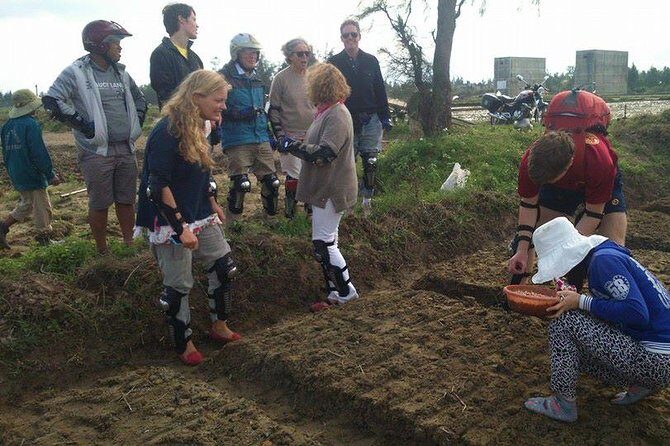
The tour’s overview frames this as more than village crafts—it’s also about the countryside around Hoi An and the daily work of peasants and locals. It even mentions experiencing a farming day with natives.
You should think of this as a “countryside learning” tour, not a guaranteed full farm-activity day with set roles. The specific itinerary blocks you to three main craft stops, each around 30 minutes. Still, the way the route is described—traveling on country roads, meeting people, leaving the downtown behind—suggests you’ll get a more grounded look at rural life than a standard city tour.
If you want to see how craft villages connect to rural economies and daily living, you’ll likely feel satisfied even without a full agricultural program. You’re basically getting a snapshot: how materials are made into useful objects, and how those skills feed families.
Who this tour suits best (and who should rethink it)
This is a good match if you:
- Want a structured countryside morning with multiple craft stops
- Like seeing how everyday objects are made (pottery, woodwork, woven mats)
- Prefer a private group format for conversation and pacing
- Enjoy back-road travel more than sitting in one place all day
It may not be ideal if you:
- Hate motion on bumpy roads, since it’s a back-road route
- Only want famous landmarks and don’t care much about workshop-style visits
- Expect a long, hands-on farming program as the centerpiece (the detailed stops focus on crafts)
The “best day” feeling in the feedback seems tied to off-the-track access and guide personality. If you’re the type who enjoys asking questions and watching real work, this tour will likely land well.
Should you book the Hoi An countryside back-road tour?
I’d book it if you want more authentic Hoi An than the usual riverside circuit, and you’re excited by villages where people actually work. The combo of Thanh Ha pottery, Kim Bong carpentry, and straw weaving gives you real variety in materials and skills. Add included admissions and a morning start time, and the $41 price feels like a practical deal rather than a gamble.
Skip it only if you’re mainly chasing big monuments or you know back-road riding will make you uncomfortable. Otherwise, this is the kind of tour that helps you understand Hoi An beyond the old town photo spots—through the hands and routines of the people who live just outside the spotlight.
FAQ
What time does the tour start?
The tour starts at 7:00 am.
How long is the Hoi An Countryside Back Road Tour?
It runs for about 4 hours.
Is this tour private?
Yes. It’s a private tour/activity, so only your group participates.
Do you get pickup?
Pickup is offered.
What stops are included?
The main stops are Thanh Ha Pottery Village, Kim Bong Carpentry Village, and Cam Nam Island (with straw weaving listed as part of the visit).
Are admission tickets included?
Yes. Admission tickets are included for the main stops.
What is included in the price?
It includes coffee and/or tea and bottled water.
Is alcohol included?
No. Alcoholic beverages are not included.
What is the cancellation policy?
Free cancellation is available. You can cancel up to 24 hours in advance for a full refund.