REVIEW · HOI AN
Hoi An Cooking Class with Local Chef
Book on Viator →Operated by Happy Tour · Bookable on Viator
Cooking in Hoi An feels personal. This 3-hour class is set up so you learn real Vietnamese technique, not just watch from the sidelines, and you’ll cook in a way that fits the rhythms of Cam Thanh.
I especially like that the chef keeps things practical. You’ll learn how to pick ingredients, plus the fun Vietnamese names for what you’re using, and that makes it easier to shop and cook later at home—if you want.
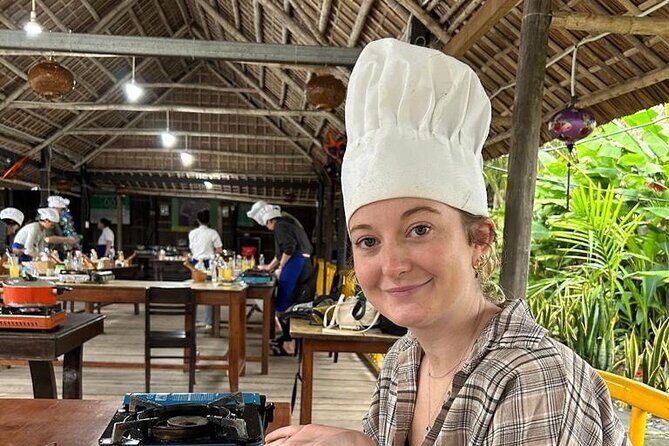
One thing to consider: the experience is run by a local host at a set meeting point, and there’s no pickup/drop-off. Also, the exact setup can be more straightforward than what photos suggest, so adjust expectations to a hands-on cooking session rather than a polished show.
In This Review
- Key highlights before you go
- Why this Hoi An cooking class feels worth $22
- Meeting point at Villa Hoa Vừng: plan your timing
- Cam Thanh start: where the cooking lesson connects to local life
- The 2-hour cooking flow: technique, names, and real dishes
- Bánh xèo: the rice pancake you’ll want to repeat
- Papaya salad: fresh, tangy, and very learnable
- Fried spring rolls: more than just frying
- Lemongrass chicken and clay pot comfort
- Seasonal fresh fruits: finish like a local meal
- Vegetarian-friendly without feeling like an afterthought
- Lunch or dinner: you’ll actually eat what you make
- Night session timing: menu changes one day ahead
- The chef style that makes a short class work
- Who should book this cooking class (and who should skip it)
- Should you book this Hoi An cooking class?
- FAQ
- How much does the Hoi An cooking class cost?
- How long is the cooking class?
- What dishes will I learn to cook?
- Is lunch or dinner included?
- Are drinks included?
- Do I need pickup or drop-off?
- Where does the class start?
- Is the class vegetarian-friendly?
- What’s the group size limit?
- Does the evening menu differ?
Key highlights before you go
- You cook a full mini-meal: banh xèo, papaya salad, and more, then eat what you make
- Ingredient guidance from the chef: you’ll get names and buying tips, not just steps
- Small group size (max 10): easier questions and quicker help if you’re a beginner
- Night session menu changes: the evening plan is confirmed one day ahead
- Vegetarian swap is built in: tofu, mushrooms, and eggplant can replace meat/seafood
- Recipe book included: so you can recreate dishes without guessing later
Why this Hoi An cooking class feels worth $22
At $22 per person for about 3 hours, this one is good value if your goal is hands-on food learning. You’re not paying for a big tour bus day. You’re paying for a chef-led class where you’ll make multiple dishes and then sit down to a real lunch or dinner.
The menu centers on Hoi An favorites and the kind of food that locals actually cook: crisp-fried snacks, cooling salads, and comforting mains with rice. It’s also designed for beginners. The chef handles ingredient prep, so you’re not stuck chopping for two hours while everyone else cooks.
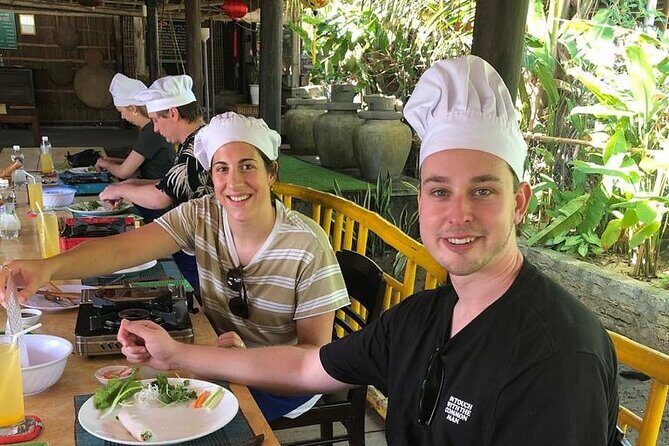
The small group (up to 10) is a big deal. In a class this short, the ability to ask a question matters. If your spring roll folding isn’t cooperating, you’ll get help quickly instead of waiting your turn.
You can also read our reviews of more cooking classes in Hoi An
Meeting point at Villa Hoa Vừng: plan your timing
The class starts at Villa Hoa Vừng (Bartonia Villa), in Cẩm Thanh, Hội An. There’s no pickup and no drop-off included, so you’ll want to get there on time under your own steam (taxi, grab-style rides, or local transport).
Because the session is only about 3 hours, being late can throw off your workflow—especially if the chef is walking the group through ingredient choices and naming. I’d aim to arrive a bit early so you can settle in, check in, and get your bearings.
What you should bring is simple:
- Comfortable clothes you can get a little greasy in
- A water bottle (drinks aren’t included)
- A small appetite (you’ll eat the dishes you cook)
Cam Thanh start: where the cooking lesson connects to local life
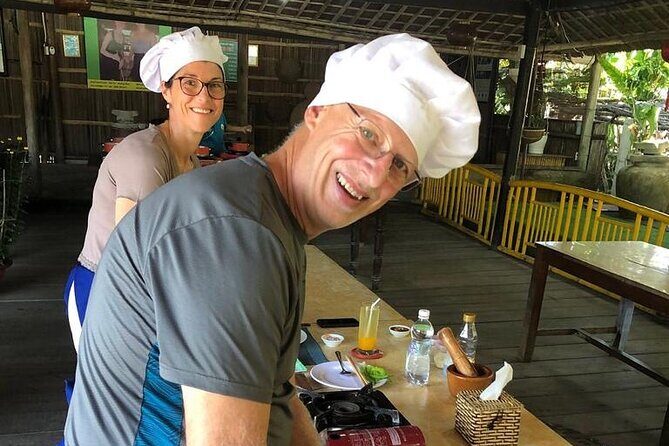
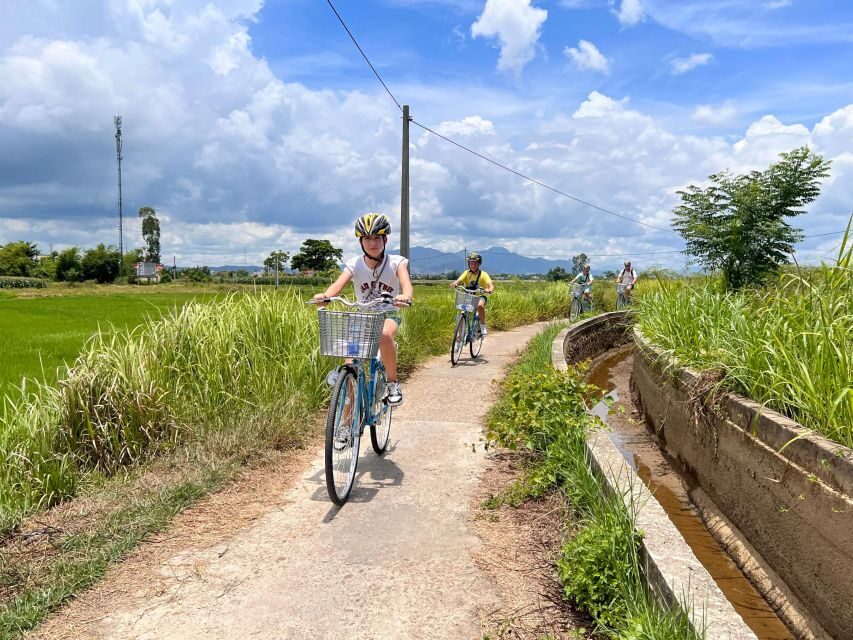
The itinerary includes a stop in Cam Thanh. This is where the class feels grounded. Cẩm Thanh is known for its local countryside vibe around Hoi An, and that matters because cooking lessons go better when you feel like you’re in the local food zone—not just in a random kitchen.
You’ll start the class with the chef guiding you through what you’re cooking. One key detail: the chef will prepare all ingredients, but still explains how to choose the best ones and shares the Vietnamese names. That flips the learning from memorizing recipes into learning how local cooks think.
It’s a subtle difference, but it changes how you’ll remember the experience. Instead of only recalling how the dish looked plated, you’ll remember what to look for when you’re shopping later.
The 2-hour cooking flow: technique, names, and real dishes
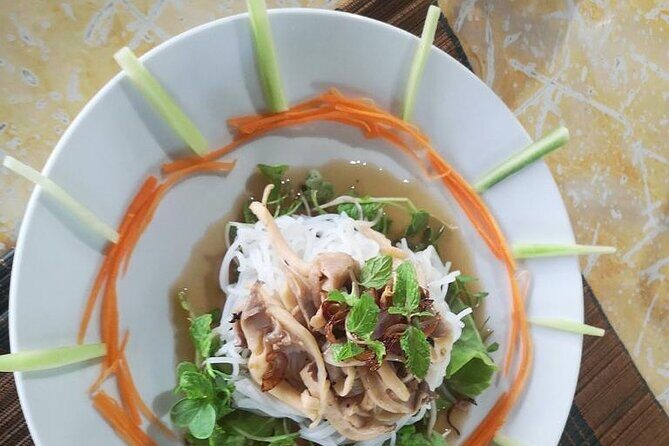
The cooking portion runs for about 2 hours. The chef teaches as you go, and the dishes are a mix of textures—crispy, fresh, and savory—so you understand how Vietnamese meals balance different flavors and mouthfeel.
Bánh xèo: the rice pancake you’ll want to repeat
Bánh xèo is a standout on the menu, described as a rice pancake with fresh salad. This dish matters for two reasons:
1) It teaches the idea of “crispy edges + tender center,” which is a core Vietnamese comfort-food goal.
2) It’s closely tied to Hoi An, so it feels like place-based food rather than generic Vietnamese cooking.
In a class like this, you’re not just learning the final step. You’re also learning how the ingredients come together so the pancake has the right character before you fold or serve it.
You can also read our reviews of more tours and experiences in Hoi An



Papaya salad: fresh, tangy, and very learnable
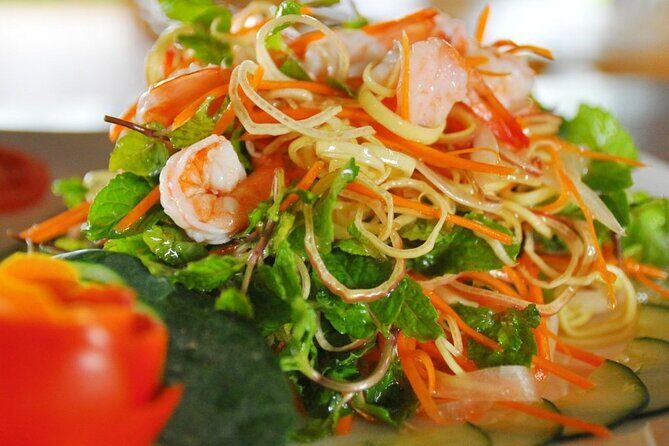
You’ll make papaya salad with shrimp cracker. This is where many beginners discover that Vietnamese cooking isn’t all about frying. It’s also about contrast: crunch, tang, and a balanced punch of savory-sweet notes.
The shrimp cracker adds crunch at the table, and it also teaches pacing—what to serve now, what to add right before eating. That’s the kind of practical detail that becomes useful at home.
Fried spring rolls: more than just frying
You’ll learn deep-fried spring rolls. This portion is great if you’re curious about technique and not only flavor. Folding and sealing matter, and you’ll want to pay attention to how the wrapper holds up during frying.
Also, fried spring rolls are a good “confidence builder.” If you get even one batch partly right, you’ll realize how much of the outcome comes from small technique choices, not luck.
Lemongrass chicken and clay pot comfort
The sample menu includes chicken with lemongrass, and the overview also mentions pork or fish in a clay pot with steamed rice. These dishes represent the home-kitchen side of Vietnamese cooking—fragrant herbs, gentle simmering, and rice that acts like the everyday backbone of the meal.
Even if you don’t think you’re a “herb person,” lemongrass is usually easy to enjoy once you smell it cooking. It’s one of those flavors that makes the kitchen go quiet for a second because everyone notices.
Seasonal fresh fruits: finish like a local meal
Fresh fruit is included on the sample menu. That’s not just dessert—it’s part of how many Vietnamese meals finish: lighter, cooling, and a simple end after fried and savory dishes.
Vegetarian-friendly without feeling like an afterthought
If you’re vegetarian, the class is designed to adapt. The experience states that ingredients will be changed into veggies, including options like mushrooms, tofu, and eggplant.
That’s important. A lot of cooking classes say vegetarian-friendly and then mostly remove items. Here, you’re still following the same cooking flow, just with swapped ingredients that make sense in Vietnamese flavors.
If you eat vegetarian for health or ethics, this is one of those choices where you can relax. You won’t need to build a workaround menu yourself.
Lunch or dinner: you’ll actually eat what you make
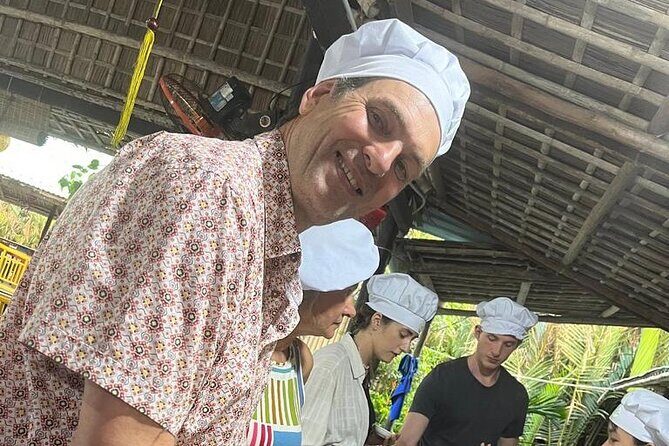
Included in the price is local lunch or dinner, plus a recipe book. This turns the class into a full experience rather than a short activity that ends in a snack.
You’ll also see that the format is built around time. The chef prepares ingredients and then teaches you the key steps and choices. That way you spend most of your limited time cooking and eating.
Drinks are not included, so plan for that. Bring your own water if you know you get thirsty while cooking.
Night session timing: menu changes one day ahead
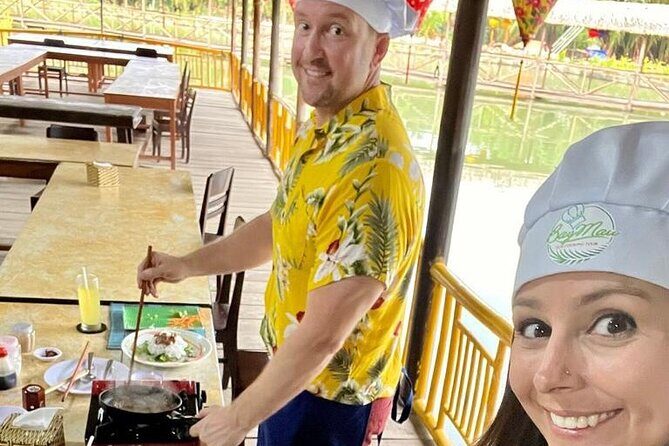
There are different sessions, including a night option around 18:00. The menu for the night session is changed and confirmed 1 day in advance.
This is useful because it means you can expect seasonal variety and avoid being surprised by an outdated menu online. Just be ready for small differences if you’re doing the evening slot.
The chef style that makes a short class work
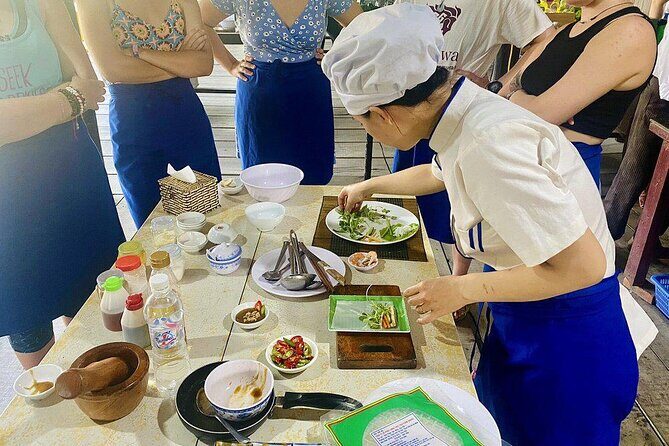
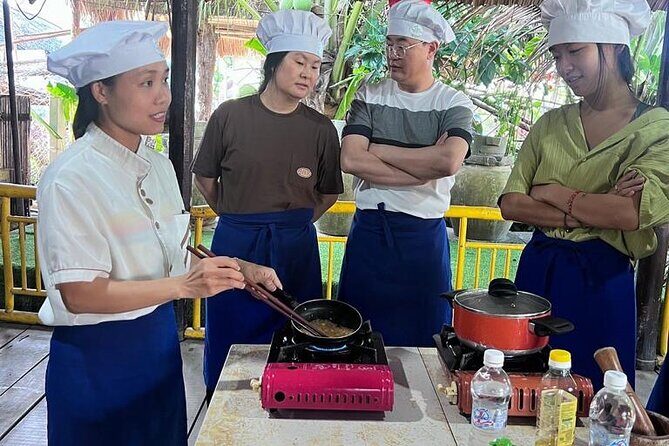
Most of what makes this experience successful comes down to teaching style. The chef is described as friendly and enthusiastic, and the class is set up so even beginners can follow along.
Two small advantages show up again and again in how this kind of class gets rated:
- A guide who keeps the steps clear (so you don’t feel lost with hands full of dough)
- A group size that allows quick correction (so you don’t mess up for too long)
One caution from real feedback is that the setting may not match how you picture it from photos. That doesn’t automatically mean it’s bad. It just means the value is in the cooking lesson and the food you eat, not in a fancy production.
Who should book this cooking class (and who should skip it)
This is a strong fit if you want:
- A quick, structured way to learn Vietnamese basics in one sitting
- Specific dishes to cook later: banh xèo, papaya salad, fried spring rolls
- A small-group class where you can ask questions
- A vegetarian-friendly option that swaps ingredients, not just removes them
I’d be a little more cautious if your priority is a highly staged, picture-perfect venue. This is a cooking class experience, not a set designed for Instagram. If you like real food learning and don’t need the flashiest surroundings, you’ll probably be very happy.
Should you book this Hoi An cooking class?
Yes, I think you should book it if you want value and practical food learning in Hoi An. For $22, the package is hard to beat: a chef-led class (about 2 hours of cooking), a full lunch or dinner, and a recipe book you can use later.
Book it especially if you’re new to Vietnamese cooking or you want to cook real dishes like banh xèo and papaya salad without guessing. The small group size and the ingredient explanations are what make it feel like more than just “watch and eat.”
Skip it if you’re expecting a fancy, highly themed production. Set your mind on technique, ingredients, and the meal you’ll leave with.
FAQ
How much does the Hoi An cooking class cost?
It costs $22.00 per person.
How long is the cooking class?
The experience lasts about 3 hours.
What dishes will I learn to cook?
The menu includes dishes such as bánh xèo, papaya salad with shrimp cracker, fried spring rolls, and chicken with lemongrass. The overview also mentions pork or fish in a clay pot with steamed rice.
Is lunch or dinner included?
Yes. Local lunch or dinner is included.
Are drinks included?
No. Drinks are not included.
Do I need pickup or drop-off?
No. Pickup and drop-off are not included, and it ends back at the meeting point.
Where does the class start?
The start is at Villa Hoa Vừng (Bartonia Villa), V9M9+C6R, Cẩm Thanh, Hội An, Quảng Nam, Vietnam.
Is the class vegetarian-friendly?
Yes. If you are vegetarian, ingredients can be changed into veggies such as mushrooms, tofu, and eggplant.
What’s the group size limit?
The class has a maximum of 10 travelers.
Does the evening menu differ?
Yes. The night session menu (18:00) will be changed and confirmed 1 day in advance.