REVIEW · HOI AN
HOI AN Biking River Islands, Village Crafts PRIVATE TOUR
Book on GetYourGuide →Operated by Local Buddy Tours Vietnam · Bookable on GetYourGuide
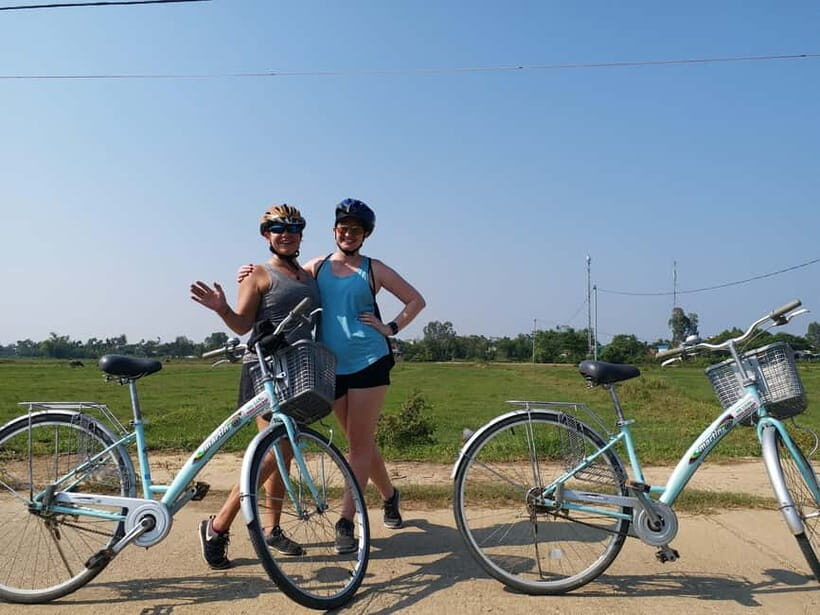
Hoi An changes when you slow down. This half-day bike tour takes you off the main roads to Cam Kim Island and several working villages, where you can see crafts made by hand and meet people who actually live this daily routine.
I like two things most. First, the ride itself has variety: a scenic bridge crossing, fishing areas, rice paddies, and prawn farms, all in about 17 kilometers. Second, the craft stops feel practical, not staged, from grinding rice and making rice paper to learning how rice wine is made.
One thing to plan for: you’re cycling for roughly 4–5 hours (depending on the meal option) and the tour notes a moderate fitness level. If you don’t feel comfortable with the 17 km distance, or if you need wheelchair access, this won’t be a fit.
In This Review
- Key Points at a Glance
- Half-Day Cycling With Village Crafts That Feel Daily, Not Touristy
- Getting to the Start: Meeting Point and What to Bring
- Crossing Toward Cam Kim Island: The Countryside Pace You Came for
- Rice Processing and Rice Paper: Watching Food Made Step by Step
- Rice Wine Making: A Local Craft With a Real Culture Behind It
- Tra Nhieu Straw Mats and the Whale Worship Temple: Two Ways of Seeing Village Life
- Kim Bong Carpentry Village: Wood and Seashell Craft in the Real Workshop
- Coffee Break and the Boat-Ride Finish by the River
- Guides Matter: Trung, Kha, Lanh, and Lan Make It Click
- Price and Logistics: Is $38 Good Value Here?
- Who Should Book This Bike and Craft Tour (and Who Should Skip It)
- Should You Book This Tour?
- FAQ
- FAQ
- How long is the tour?
- What distance do you ride?
- Where do I meet the guide?
- Does the tour include hotel pickup and drop-off?
- Are bikes and helmets provided?
- Do I need to bring my own water?
- What craft experiences are included?
- Is there a meal included?
- What should I wear or bring?
- Is the tour suitable for people with limited mobility?
Key Points at a Glance
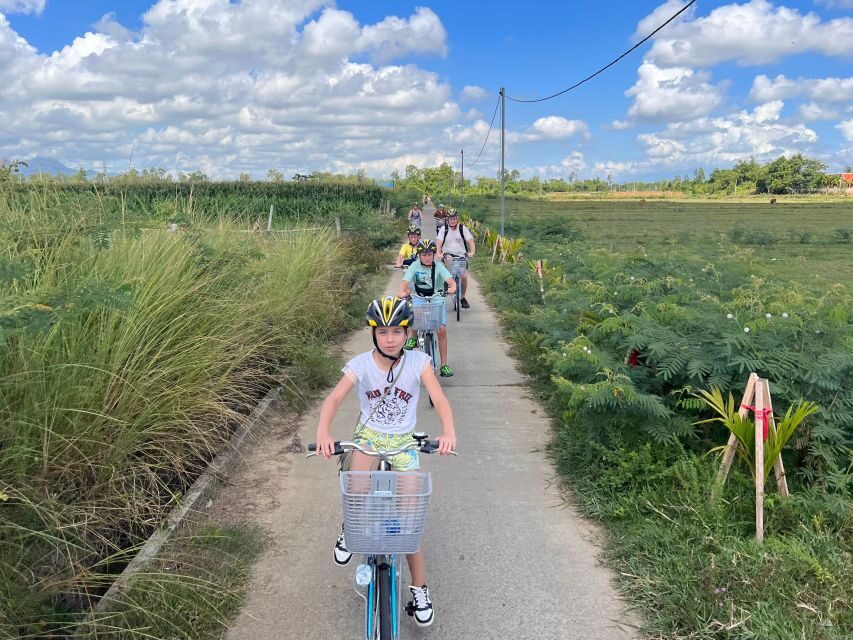
- Cam Kim Island ride: bridge views and a calmer countryside pace
- Rice paper and rice processing at a local home
- Rice wine making and the chance to taste the real process
- Tra Nhieu straw mat weaving and a stop at a whale worship temple
- Kim Bong carpentry craft: wood and seashell work by master artisans
- A guided day that includes bike, helmet, water, and craft-area donations
Half-Day Cycling With Village Crafts That Feel Daily, Not Touristy
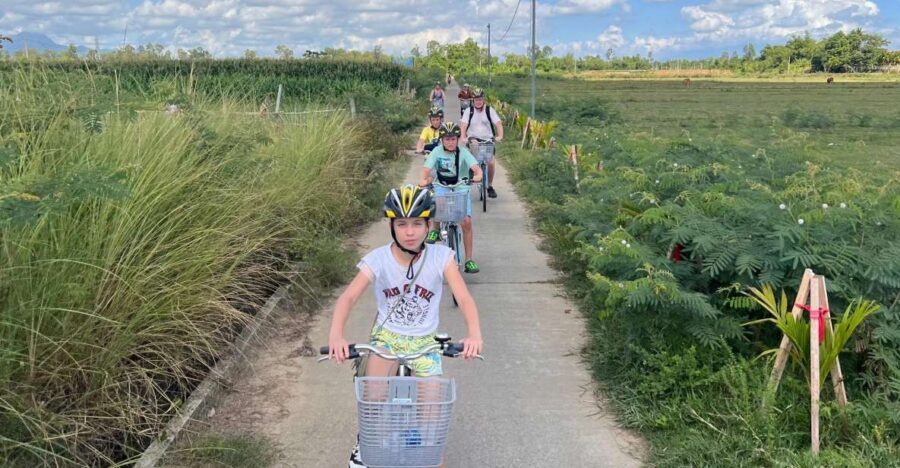
This tour is built around one simple idea: Hoi An is more than old streets and lanterns. When you’re on a bike heading through rural lanes, you notice how people actually make food and goods, and you pick up the small details that don’t show up on a bus schedule.
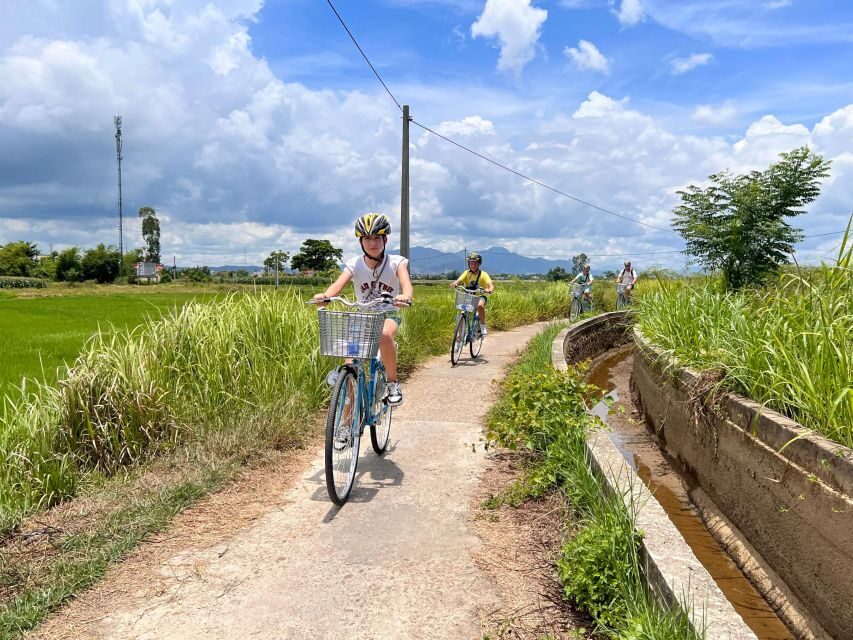
The ride is about 17 km (10 miles), which is why it lands in the “moderate” category. That distance is long enough to feel like you got somewhere, but short enough that you’re still fresh for the craft visits. Most of the experience happens on stops inside homes and workshops, so the bike part is only one piece. The guide keeps you moving at a human pace, and the day is long enough for coffee breaks and a full sit-down meal if you choose the longer option.
The price is $38 per person, which matters because this isn’t just transportation. Your ticket includes a good-quality bike and helmet, an English-speaking local guide, entrance fees, and bottled water. It also includes donations at local homes along the way. So you’re paying mostly for the access and the guiding, not for a quick photo stop.
You can also read our reviews of more cycling tours in Hoi An

Getting to the Start: Meeting Point and What to Bring
There’s no hotel pickup or drop-off, so you’ll want to build the day around getting yourself to the start. The meeting point is the Local Buddy Tours Booking Office, inside Song Thanh restaurant at 67 Tran Quang Khai street, Hoi An. The tour ends back at the same spot.
For what to bring, keep it simple: comfortable shoes and cycling clothing. The tour also suggests sunscreen and a hat, plus a phone or camera. The countryside can be sunny, and you’ll be stopped often, so being prepared pays off.
Also check the rules before you show up:
- Jeans and high-heeled shoes aren’t allowed
- Oversize luggage isn’t allowed
- Bare feet aren’t allowed
- Alcohol and drugs aren’t allowed
If that sounds strict, it’s usually just about comfort and safety around homes and workshops. You’ll be walking a bit inside village spaces, and proper footwear helps you stay relaxed.
Crossing Toward Cam Kim Island: The Countryside Pace You Came for
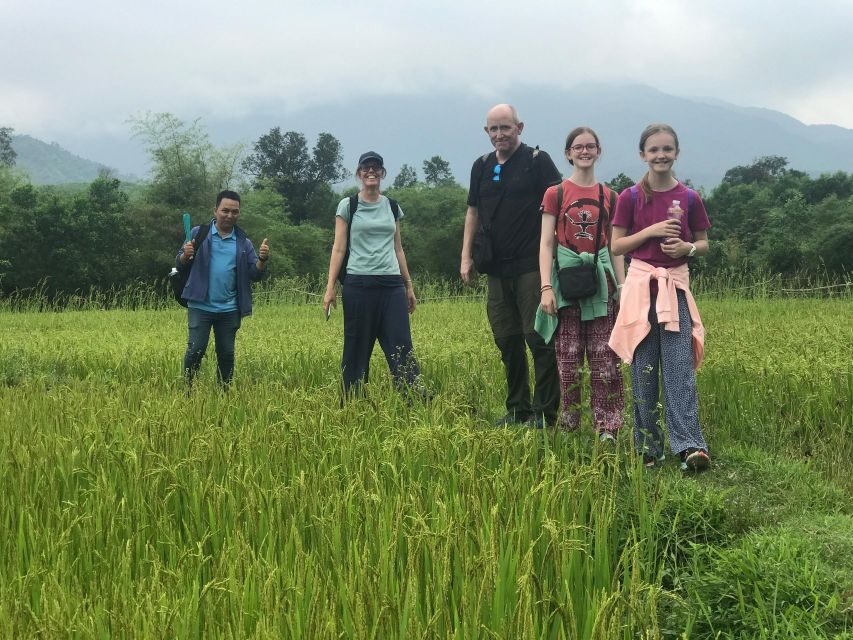
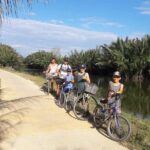
The tour begins with a scenic bridge crossing to Cam Kim Island, which is where the day’s tone changes. You trade traffic and shop fronts for water, fields, and the slower rhythm of fishing villages and farm life. This is also a smart way to beat the crowds. You’re moving early enough or off the main routes enough that the scenery feels like you’re passing through someone’s world, not a theme park.
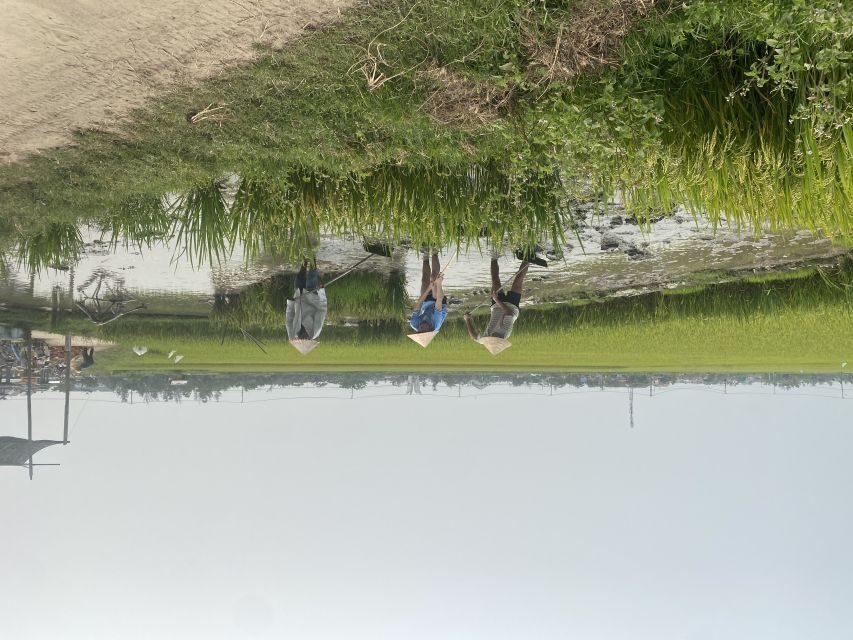
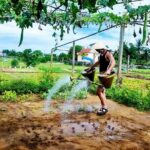
On the bike, you’ll see prawn farms and rice paddies, plus stretches tied to daily fishing work. The roads can be flat and easy for most people, but you still want to pace yourself. The biggest mistake is going too hard in the first hour, then arriving tired at the craft stops where you’ll want to pay attention.
A practical tip: bring water-sipping strategy. Bottled water is provided, so you’re not starting from nothing, but you’ll feel better if you sip during breaks rather than waiting until you’re thirsty.
If weather turns hot or rainy, the tour still follows the planned route and visits. In that situation, the “moderate fitness” line matters more than you might think.
Rice Processing and Rice Paper: Watching Food Made Step by Step
One of the best parts of this day is the stop at a local home where you’ll learn rice processing and see how rice paper gets made. This isn’t just a look-and-leave stop. You’ll get to grind rice and understand the steps behind turning a basic ingredient into something that becomes part of everyday meals.
You also get to sample local treats. That’s a big reason these home-based craft moments work so well. Food and cooking are where you quickly learn context. When you see the effort behind rice paper, you understand why it matters so much in Vietnamese kitchens.
What I like about this kind of stop is how it shifts your brain. Instead of collecting facts, you start noticing the tools, the timing, and the hands-on work. It’s a real craft skill, not a performance.
A drawback to note: home stops can mean small spaces and people moving around you. Wear comfortable clothing and expect a bit of walking in and out of rooms. If you’re sensitive to tight areas, keep that in mind.
Rice Wine Making: A Local Craft With a Real Culture Behind It
The tour includes a unique rice wine making experience. You’ll watch how the process works and you may get a taste. Even if you don’t drink, the lesson is the point: you’re seeing a food-craft connection that’s part chemistry, part tradition, and part local livelihood.
This is the kind of stop that makes the countryside feel more human. Rice isn’t just a crop here—it’s the start of other crafts and flavors. When a guide explains what’s happening in the steps, you start to connect the fields you cycled past with what’s happening at the homes you visit later.
One practical note: the tour rules forbid alcohol and drugs, and the day includes a guide-led sampling moment. That means you should follow the pace and instructions during tastings rather than treating it like a self-guided bar crawl.
You can also read our reviews of more private tours in Hoi An




Tra Nhieu Straw Mats and the Whale Worship Temple: Two Ways of Seeing Village Life
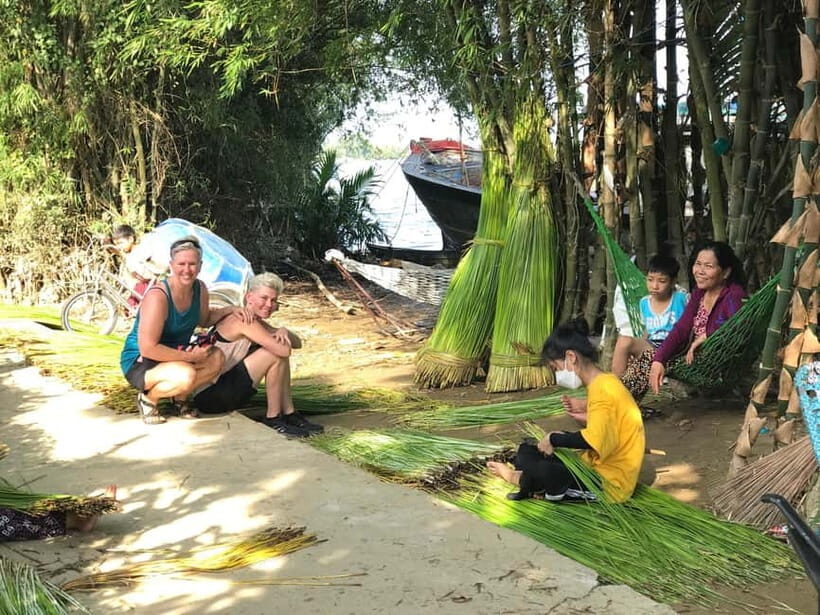
Tra Nhieu is part of the countryside picture because it’s tied to straw mat work. You’ll learn about and witness the process of weaving straw mats from reeds. The hands-on feel of weaving makes it easier to understand why this craft survives—there’s skill, patience, and a clear daily purpose.
You’ll also see a whale worship temple. It’s described as quirky, and that word fits. It’s not something most visitors encounter through a standard walking tour. What it adds is cultural texture. It hints at how coastal communities interpret the sea, catch, and chance in their own spiritual language.
Here’s what to expect as a visitor: you’ll be guided, asked to pay attention, and given time to look. The weaving takes patience, so don’t rush. If you want better photos, step back and observe first. Then ask your guide when it’s a good moment to capture the action.
Kim Bong Carpentry Village: Wood and Seashell Craft in the Real Workshop
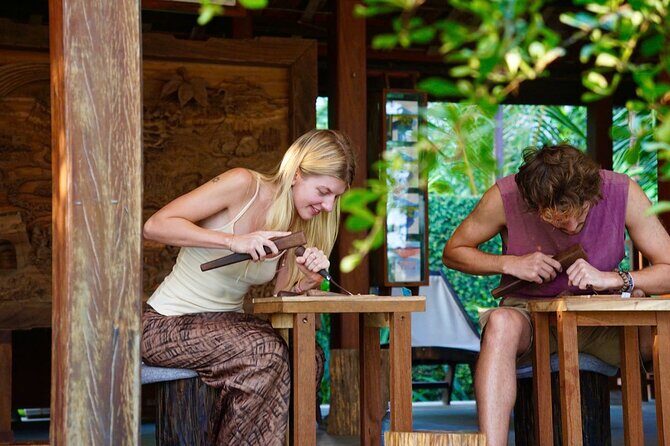
Another standout craft stop is Kim Bong Carpentry Village, where master artisans transform wood and seashells into furniture. This is a different kind of craft than rice paper or straw mats. It’s more detailed, more workshop-based, and it shows the level of finishing that can take a simple block of material into a finished object.
You’ll get to watch artisans at work. That’s usually when craft tours become worth it: seeing technique in motion instead of looking at finished products only. You can also see how this kind of craftsmanship links to Hoi An’s larger reputation for goods, while still keeping the experience grounded in village labor.
A practical drawback: workshops can be busy in their own way. If you dislike crowds or loud spaces, you might still enjoy it, but you’ll want to take it slowly and let the guide position you.
Coffee Break and the Boat-Ride Finish by the River
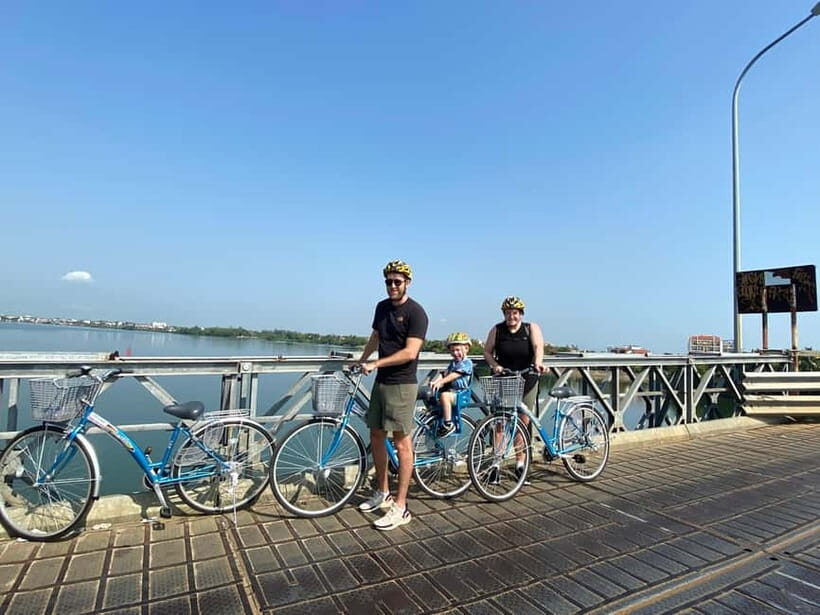
The tour builds in a break for Vietnamese coffee, plus a pit stop with a view. Coffee stops sound small, but they’re often where the conversation shifts from logistics to meaning. Your guide can answer questions about daily life, crafts, and what you’ve already seen that day.
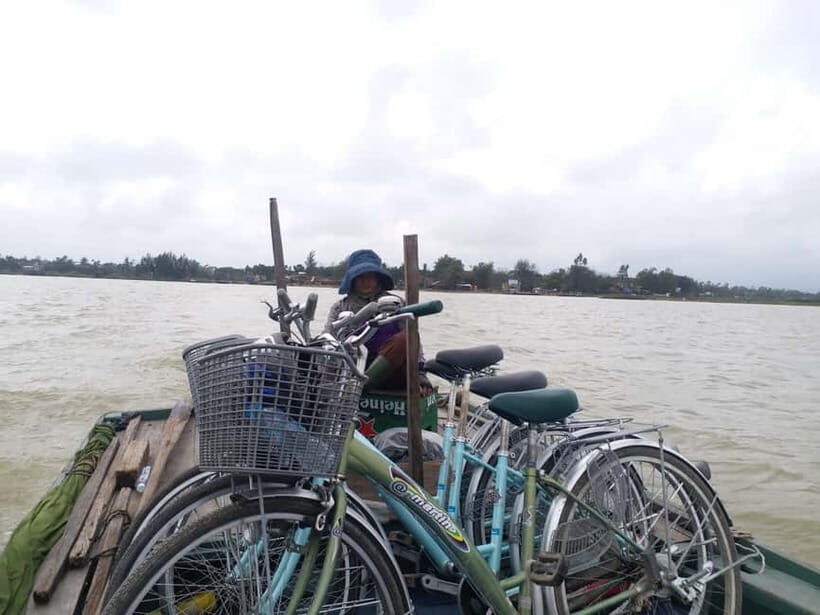
In at least one version of the experience, the day finishes with a boat ride back to town. That’s a great fit here because it turns the last hour into a reset. You stop pedaling, you look at the river and the water edges, and the day feels like it has a natural ending rather than just a drop-off and goodbye.
For the longer experience, you can add a meal. There’s also an option for a 5-hour ride that includes a Vietnamese meal by the river. Even if you skip the longer meal option, you’ll end with food on your mind because you’ve spent the day around food-making, tasting, and craft-work linked to daily eating.
Guides Matter: Trung, Kha, Lanh, and Lan Make It Click
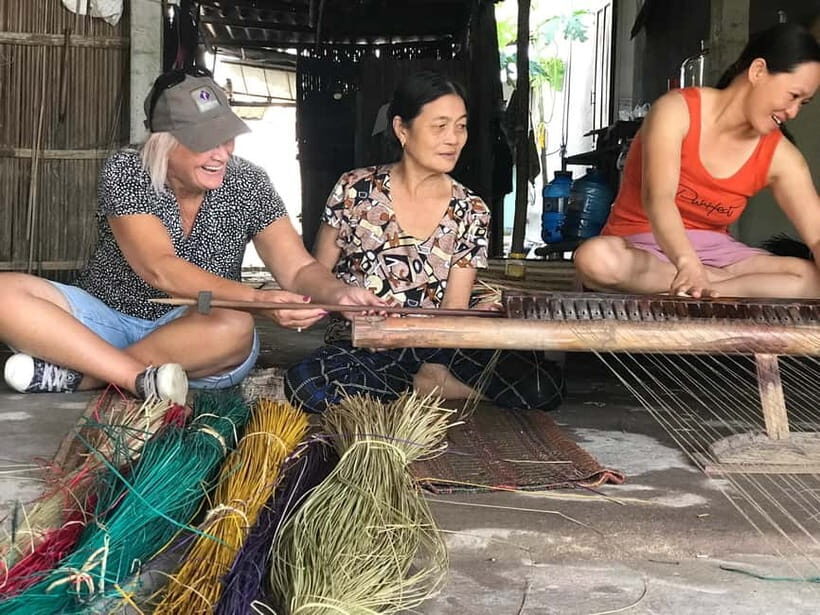
This tour is guided, and the guiding quality shows in the details. Different guide names come up in feedback, including Trung, Kha, and Lanh/Lan. The consistent theme is communication and friendliness, not just reciting facts.
One of the smartest parts is how your guide helps you talk with locals. Trung, for example, is described as helping guests chat by translating during visits. That one move turns craft stops from passive viewing into real conversation. You’re more likely to learn why something is made, what it means, and how it fits into village life.
Kha also comes up for being friendly and knowing a lot about local crafts, Hoi An’s history, and nature. Lanh is praised for being both helpful and thorough, and Lan is credited with making the ride leisurely with well-paced stops.
My advice: treat your guide like your best tool. Ask one or two specific questions rather than a general How does this work? question. Something like What happens next in this step? gets you better answers. And if you’re shy, the translation support helps you relax.
Price and Logistics: Is $38 Good Value Here?
At $38 per person, this tour can be good value if you care about two things: guided access and hands-on craft understanding. Here’s what your ticket includes:
- Good quality bike and helmet
- English-speaking local guide
- Taxes, tickets, and entrance fees with no hidden fees
- Donations at local homes during the tour
- Bottled water
Those inclusions matter in Vietnam, where “cheap” tours can sometimes feel like you’re paying extra at every stop. Here, you’re paying upfront for the structure that lets you visit homes and workshops.
What’s not included:
- Hotel pickup and drop off
- Other drinks and personal expenses
- Tips are optional but appreciated
If you’re staying far from the meeting point, the lack of pickup can shift the real cost. If you’re nearby, you can spend more of your day time enjoying the countryside instead of budgeting transportation.
Also note: the tour is not for wheelchair users and is best for people comfortable cycling about 17 km. It’s suitable for all ages in principle, but the comfort level is still about your legs and your willingness to ride.
Who Should Book This Bike and Craft Tour (and Who Should Skip It)
This tour is a strong match if you want:
- Countryside riding in Hoi An with a calm pace
- Real village crafts like rice paper, straw mats, and carpentry work
- A guide who helps you communicate with locals (not just lead you)
- A half-day plan that still feels like you saw more than one kind of place
It’s less ideal if:
- You don’t feel comfortable cycling 17 km
- You need wheelchair access
- You have trouble walking short distances around village homes and workshops
- You prefer tours with no rules and no footwear guidance
The tour also lists weight and age limits, including not suitable for people over 297 lbs (135 kg) and not suitable for people over 95 years. If you’re near those limits or unsure, ask before booking so you don’t waste your time.
Should You Book This Tour?
If you like food crafts, small villages, and a day led by a guide who helps you talk to locals, I think you’ll be happy with this one. The $38 price feels fair because bikes, guide, water, entrance fees, and home donations are handled, and the stops are built around real making—not just looking.
Book it if you’re comfortable with a moderate 17 km bike ride and you want a half-day that ends with coffee and either a river meal or at least a satisfying finish by the water. Skip it if the cycling distance stresses you out or if you need wheelchair access.
FAQ
FAQ
How long is the tour?
It’s offered as a half-day ride. You can choose a 4-hour option, or add a meal for about a 5-hour experience.
What distance do you ride?
The tour is designed for about 17 kilometers (10 miles), and it asks for a moderate fitness level.
Where do I meet the guide?
Meet at the Local Buddy Tours Booking Office inside Song Thanh restaurant, 67 Tran Quang Khai street, Hoi An, Quang Nam 560000, Vietnam.
Does the tour include hotel pickup and drop-off?
No. Hotel pickup and drop-off aren’t included, and the tour ends back at the meeting point.
Are bikes and helmets provided?
Yes. You’ll get a good quality bike and a helmet.
Do I need to bring my own water?
Bottled water is included during the tour, but you’ll still want sunscreen and to dress for the sun.
What craft experiences are included?
You’ll visit spots related to rice processing and rice paper, rice wine making, straw mat weaving in Tra Nhieu, and carpentry craft work in Kim Bong Carpentry Village.
Is there a meal included?
Meal inclusion depends on which duration you book. The longer option can include a Vietnamese meal by the river.
What should I wear or bring?
Wear comfortable shoes and cycling clothing. Bring sunscreen and a hat, and have your phone or camera if you want photos. Jeans, high-heeled shoes, oversize luggage, and bare feet are not allowed.
Is the tour suitable for people with limited mobility?
The tour is not suitable for wheelchair users. It also notes it’s not suitable for people with low fitness level.