REVIEW · HOI AN
From Hoi An: Cooking Class at Organic Farm
Book on GetYourGuide →Operated by Lemon Basil Cookery & Restaurant · Bookable on GetYourGuide
Farm cooking in Tra Que feels like a local invite. This Hoi An class pairs an organic garden tour with a hands-on kitchen session led in English, so you know where your ingredients come from. You’ll learn Vietnamese technique for Tra Que Spring Rolls, Green Papaya Salad, Fish in Clay Pot, and Bánh Xèo—then eat as a group. One thing to keep in mind: there’s no pick-up, so you’ll need to make it to Lemon Basil Cookery & Restaurant on your own.
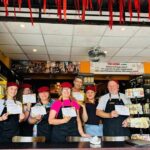
What I like most is the small-group setup (up to 10). It makes it easier to get personal help while you’re cooking, and the chefs (often led by Min) keep things fun and clear. Second, I really value the farm-to-table focus—you start with herbs and vegetables from the area, not just pre-made ingredients.
The main drawback is simple logistics: transportation isn’t included. If you’re staying outside easy reach of Tra Que, plan your route ahead so the class doesn’t feel rushed.
In This Review
- Key things you’ll notice
- Lemon Basil in Tra Que: where the class starts before the kitchen
- The organic farm tour: herbs, soil habits, and what you’ll cook later
- Tra Que Spring Rolls: rolling with herbs you actually saw growing
- Green Papaya Salad: balancing sour, sweet, salty, and heat
- Fish in Clay Pot: how clay changes texture and taste
- Vietnamese Crispy Pancake (Bánh Xèo): crisp edges, savory batter, timing
- Communal cooking and eating: why you’ll enjoy the group side
- Price and value at $27 for 3 hours
- Practical tips to make your class smoother
- Who should book this cooking class
- Should you book Lemon Basil’s cooking class in Tra Que?
- FAQ
- How long is the cooking class?
- Where do I meet for the class?
- What dishes will I cook?
- Does the class include pick-up from your hotel?
- Is the class taught in English?
- How many people are in the group?
- What’s included besides cooking?
Key things you’ll notice
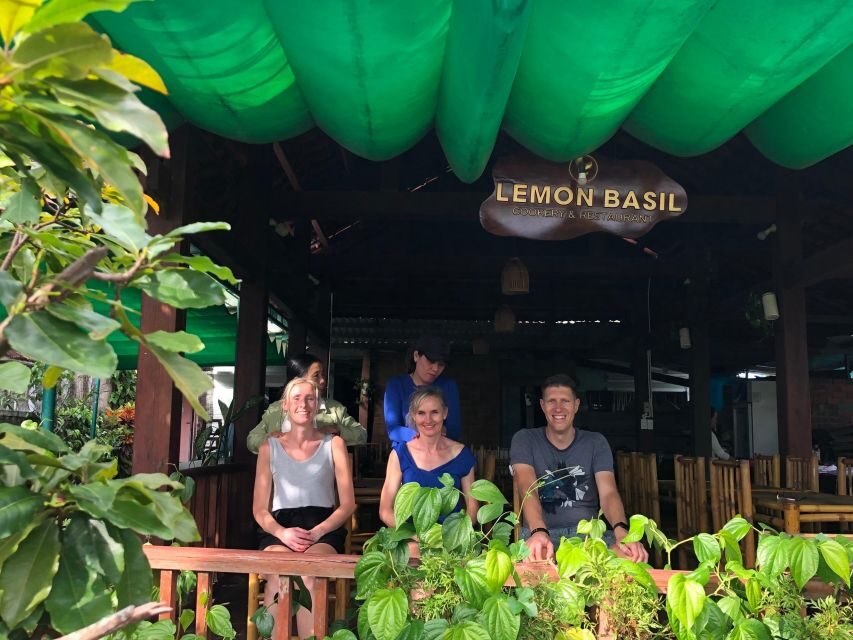
- Tra Que vegetable village setting: you start among the crops before you touch a cutting board
- English-speaking guidance: chefs like Min explain step-by-step, and they’re quick to answer questions
- 4 classic dishes, hands-on: you’ll cook spring rolls, papaya salad, clay-pot fish, and Bánh Xèo
- Real flavor practice: you’ll learn how to balance sour, sweet, salty, and heat
- Dietary flexibility: they ask about allergies/restrictions in advance and work around them (like avoiding pork)
- Communal eating: you sit down together and enjoy everything you made
Lemon Basil in Tra Que: where the class starts before the kitchen
Lemon Basil Cookery & Restaurant sits in the heart of Tra Que vegetable village, which matters because the day has a natural rhythm. You don’t just show up, cook, and leave. You get context first—what herbs and greens grow here, how they’re used, and why Vietnamese cooking leans hard on fresh produce.
Meeting point is straightforward: look for Lemon Basil Cookery & Restaurant at Tra Que. It’s best to arrive about 5–10 minutes early so you can settle in, meet your group, and start the farm portion without delay.
This class runs for about 3 hours (sometimes listed closer to 3–3:30), so you should expect a focused morning/afternoon pace. Nothing drags; you’re always moving from one stage to the next: farm tour, ingredient prep, cooking stations, then eating together.
You can also read our reviews of more cooking classes in Hoi An
The organic farm tour: herbs, soil habits, and what you’ll cook later
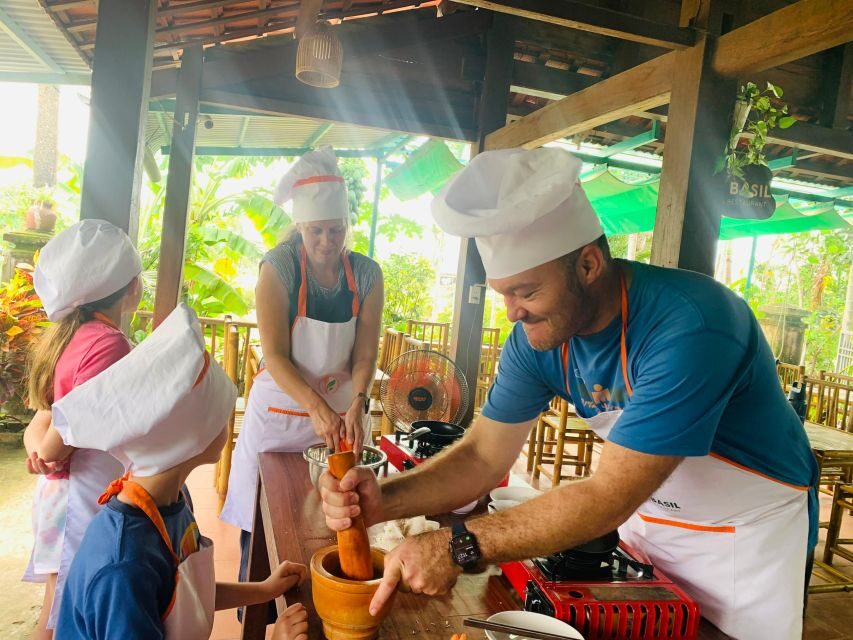
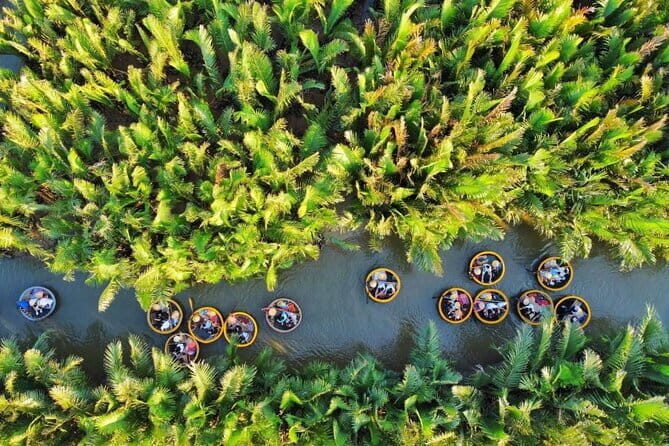
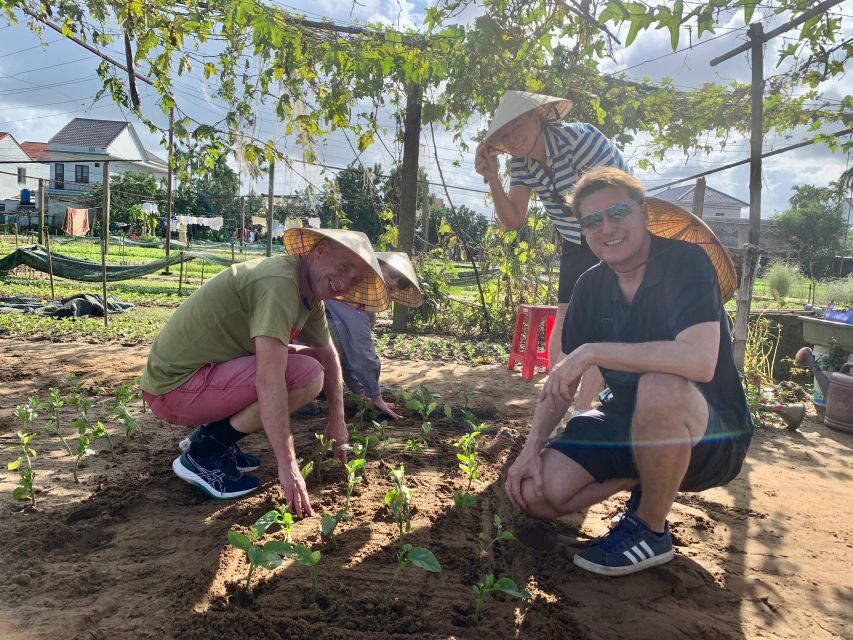
Your first stop is the farm tour, and this is where the experience becomes more than a standard cooking demo. You’ll walk through the working garden and see the herbs and vegetables used in Vietnamese dishes—plus learn the basic farming practices behind them.
What I think works well for you here is the cause-and-effect. When you later make spring rolls or chop herbs for papaya salad, it’s easier to understand why certain leaves are used and what flavors they bring. One theme that comes up again and again in the cooking process is freshness, and the tour sets you up to notice that.
If you’re the hands-on type, you may also be invited to participate in simple farm tasks like tending crops (for example, planting spinach, watering, or helping with garden work). Even if you just watch, you’ll still learn the “why” behind the produce, including how soil preparation is taught during the tour.
Bring curiosity. Ask what you’re looking at: which herbs are used more for fragrance, which are for crunch, and how they’re used in everyday Vietnamese meals.
Tra Que Spring Rolls: rolling with herbs you actually saw growing
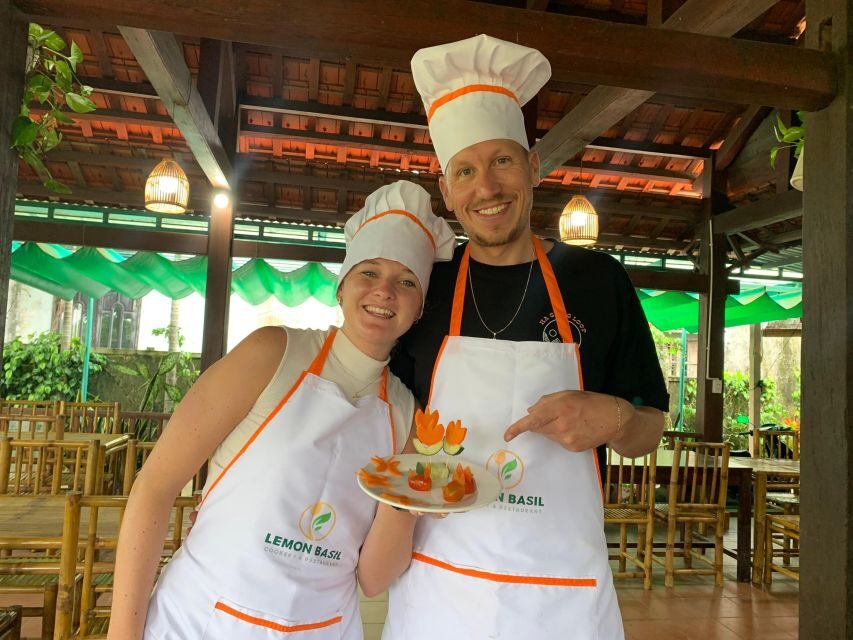
After the garden tour, you move into the cooking steps for Tra Que Spring Rolls. This part is practical: you’ll learn how to prep ingredients, manage texture, and assemble something that looks good and tastes right.
The value here is in the technique, not the novelty. Vietnamese spring rolls depend on balance—fresh herbs for aroma, the right filling ratios, and wrapping that stays together without going mushy. Since the class is hands-on, you’re not just watching someone else roll while you take photos.
This is also the part where the English-speaking instruction really helps. Chefs guide you through what to do next, and you can ask questions while you’re working. In a small group, that attention matters.
If you’ve been intimidated by rolling before, don’t be. This is set up for all skill levels, and the pace is steady enough to catch up.
Green Papaya Salad: balancing sour, sweet, salty, and heat
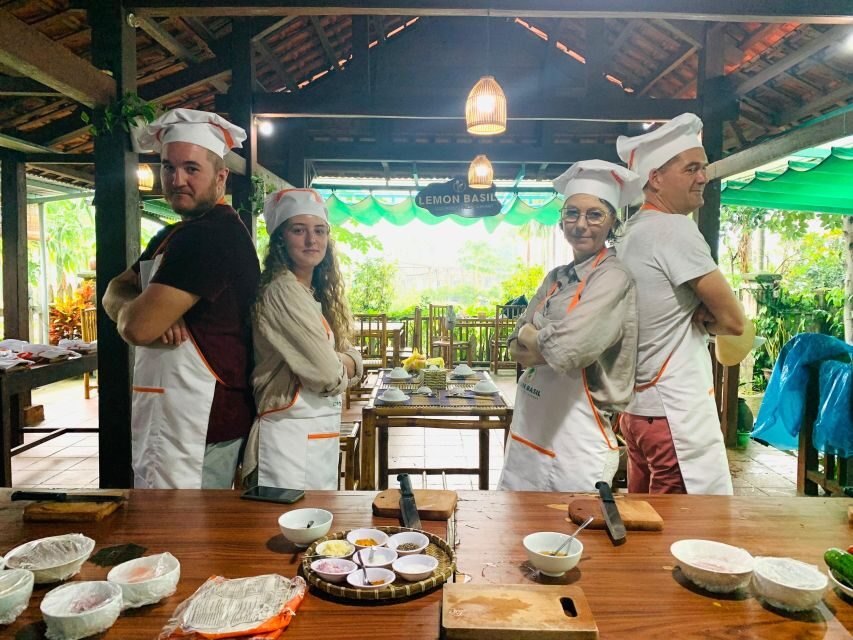
Green Papaya Salad is the dish that teaches you the logic behind Vietnamese flavor. It’s not just chopping and mixing. You’ll learn how the salad gets its bite—how sourness hits first, how sweetness rounds it out, and how salt and chili build the final punch.
What you’ll likely notice while cooking is that each ingredient has a job:
- crunch comes from shredded green papaya
- fragrance comes from herbs and aromatics
- heat and tang come from sauces and chili
- the dressing needs tasting and adjustment as you go
This is one of the most valuable skills you can take home from the class. Even if you never make every dish again, you’ll understand how to adjust flavor on the spot—add, taste, and correct.
In your prep, don’t rush the flavor stage. If you taste too early or add too much chili at once, you’ll end up fighting the balance later. The chef guidance helps, but you still do the tasting part yourself.
Fish in Clay Pot: how clay changes texture and taste
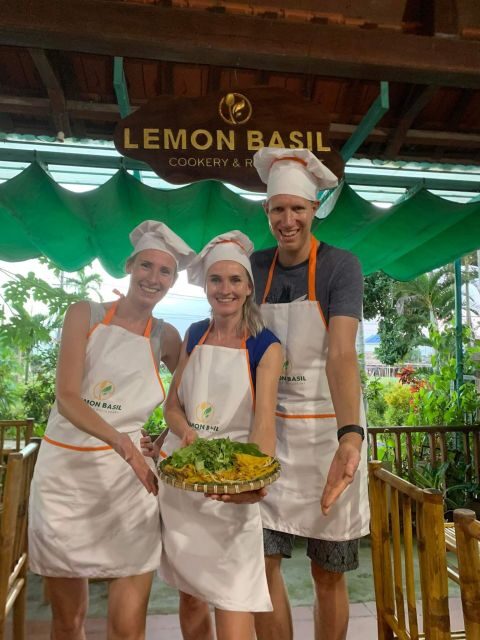
Fish in Clay Pot (cá nấu nồi đất) is one of those Vietnamese dishes that makes sense once you understand the cooking vessel. Clay holds heat differently and encourages gentle cooking. That helps the fish stay tender while the flavors build in a concentrated way.
In the class, you’ll get hands-on instruction for the key moves: preparing components, building the pot, and cooking until the fish is done without drying out. The technique matters because fish cooks fast. In a normal restaurant, you’d never see how close the line is between perfect and over.
I like this dish for a simple reason: it’s repeatable at home. If you can replicate the sauce base and cooking timing, you can recreate the spirit of the dish even if you don’t have the exact same clay setup.
Watch for flavor adjustments in the pot stage. You’ll learn how Vietnamese cooking often relies on small changes—more balance, less guesswork—rather than one heavy handed step.
You can also read our reviews of more tours and experiences in Hoi An



Vietnamese Crispy Pancake (Bánh Xèo): crisp edges, savory batter, timing
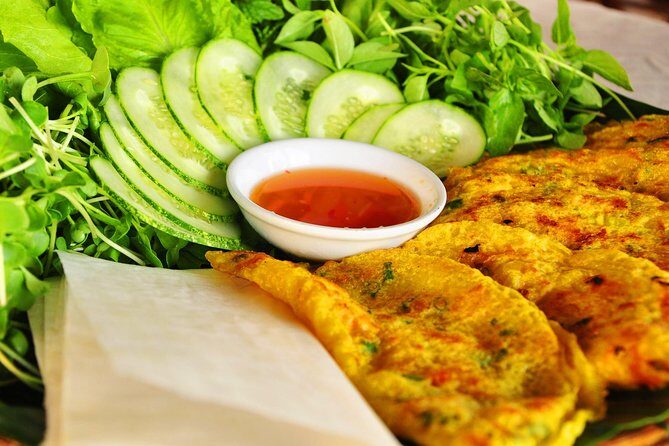
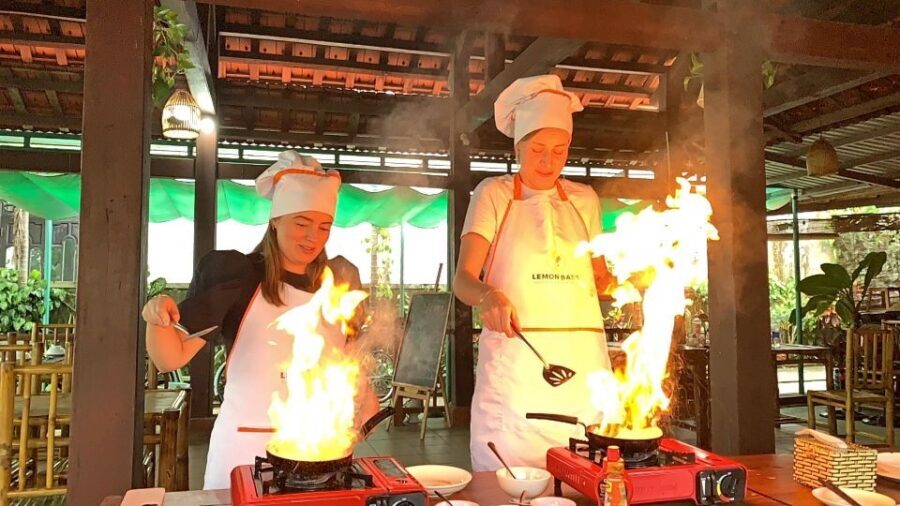
Then comes Bánh Xèo, the Vietnamese crispy pancake that often looks harder than it is. Here, the class focus is on getting the batter right and learning how to manage the pan so you get crisp edges without burning or turning it into a chewy mess.
This is where small-group coaching helps again. When you’re flipping or building the pancake, it’s easy to lose track of timing. A skilled English-speaking chef can correct you fast, like adjusting heat or changing how you spread the batter.
What you’ll learn isn’t just how to make a pancake. You’ll learn how Vietnamese cooks think about texture:
- crisp from proper heat management
- savory depth from the batter base
- freshness from what goes inside and on top
In the kitchen, I’d treat this as your “confidence dish.” Even if you’re nervous, it’s very interactive, and you’ll likely do fine with the step-by-step help.
Communal cooking and eating: why you’ll enjoy the group side
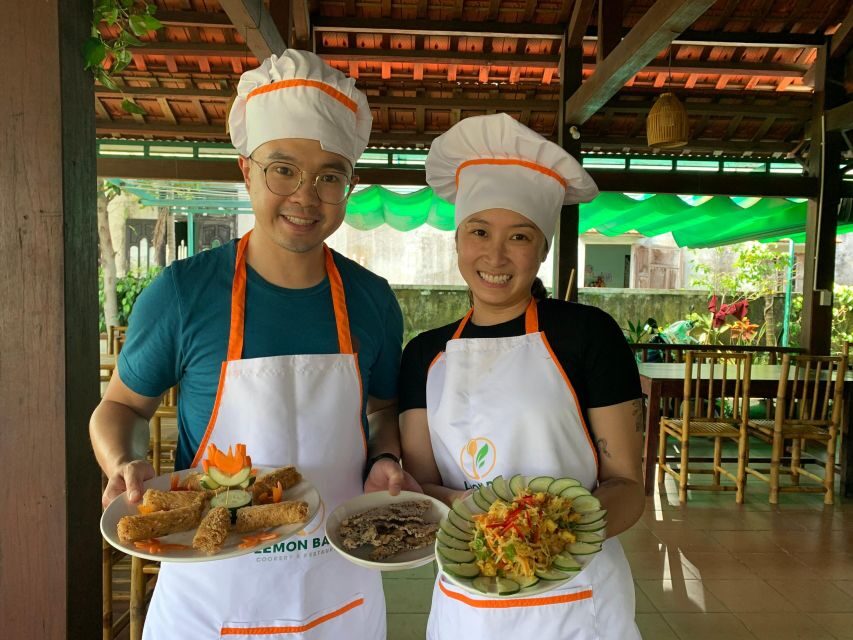
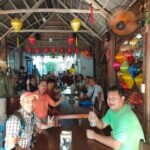
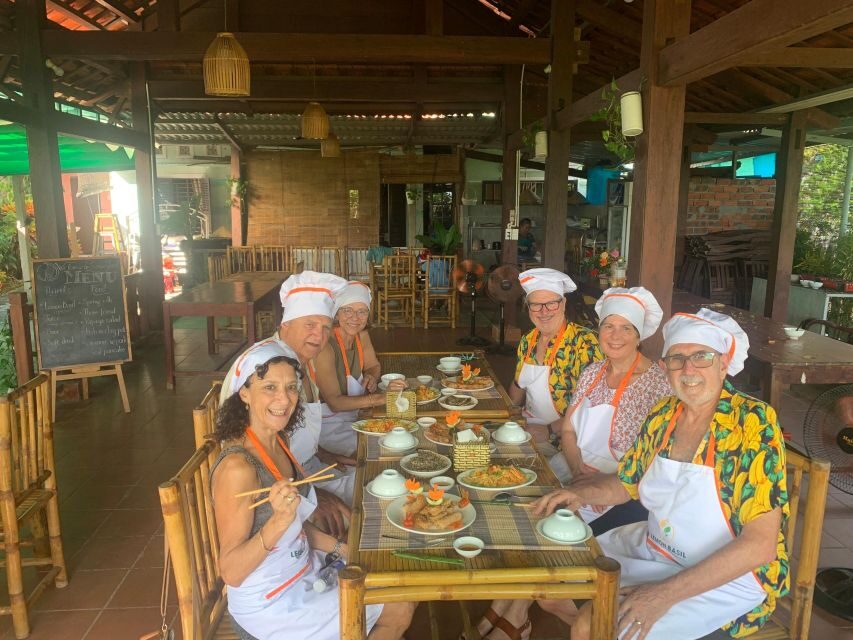
After cooking, you eat together. This part matters more than it sounds. You’re not just consuming food—you’re comparing notes with your group, asking how someone adjusted a sauce, and sharing small wins and fixes.
The class includes communal dining of the dishes you cooked, which makes the experience feel complete. You get to taste the result of each technique side-by-side: the spring rolls, papaya salad, clay-pot fish, and Bánh Xèo.
You’ll also get a certificate of completion, which is a nice touch if you like something tangible at the end of an experience. And in some sessions, the chefs may take photos or video during cooking—handy if you want proof you actually rolled those spring rolls yourself.
If you have dietary needs, this is also where the class tone helps. They ask about allergies/restrictions in advance, and they can handle choices like avoiding pork. If you’re unsure what to do, message ahead with your restrictions so the team can plan ingredient swaps properly.
Price and value at $27 for 3 hours
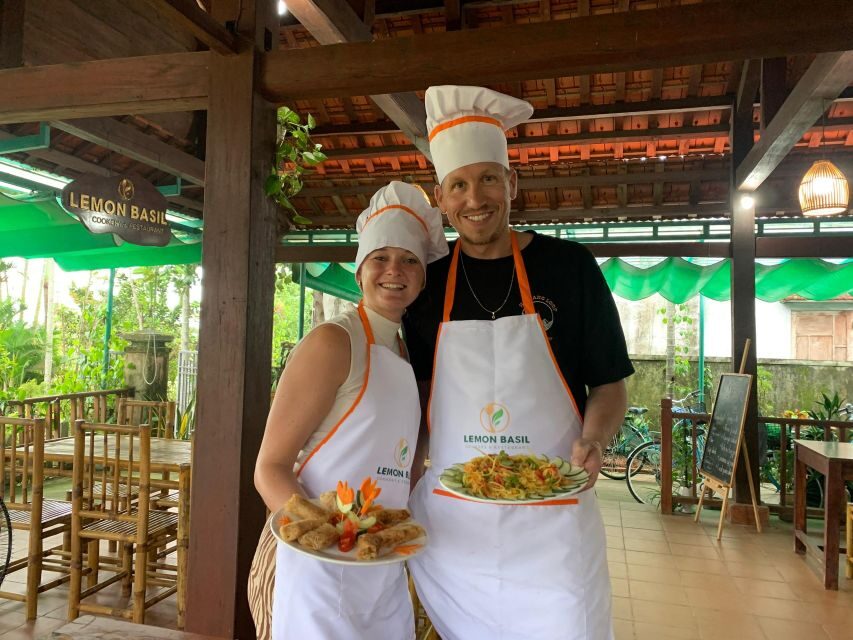
At $27 per person for about 3 hours, the value comes from what’s included, not just the sticker price. You’re paying for:
- a farm tour in Tra Que’s vegetable village
- a hands-on cooking experience with English-speaking chefs
- ingredients for 4 iconic dishes
- communal dining of what you make
- a completion certificate
In plain terms, you’re getting a guided day that includes both the “where the food comes from” piece and the “how to cook it” piece. Many cooking classes focus only on the kitchen. Here, the farm portion helps you understand the produce you’re using, which makes the cooking lessons stick.
Also, the small group limit (up to 10 people) is a hidden value driver. It usually means more attention when you’re trying something new—especially for tasks like rolling spring rolls and managing pancake timing.
If you’re budgeting for Hoi An experiences, this is a strong pick because it’s one activity that feeds you and teaches you, rather than something you just watch.
Practical tips to make your class smoother
First, plan to get to Tra Que on time since pick-up isn’t included. Build in margin. A cooking class doesn’t forgive late arrivals well because the farm tour and prep are timed.
Second, tell the chef about your dietary restrictions before you arrive. The class can take requests into account, including pork avoidance, but you’ll have the best outcome when they have time to plan ingredient choices.
Third, wear shoes you can walk in comfortably. You’ll be moving through the farm area first, and it’s easier if you’re not worried about every step.
Finally, come hungry and ready to taste. Vietnamese flavor gets built through tasting and adjustment, and you’ll get more out of the lesson if you pay attention to how the dressing and sauces change while you cook.
Who should book this cooking class
This is a great match if you:
- want a hands-on cooking experience rather than a passive food show
- enjoy fresh herbs and want to understand how Vietnamese dishes use them
- like small groups where you can ask questions and get corrections
- have basic cooking skills or none at all (the class is designed for all levels)
It’s also a good choice if you’re spending time in Hoi An and want an experience that feels local. Tra Que’s farm setting gives you something different from the usual sightseeing loop—plus you leave with recipes you can actually try again.
Should you book Lemon Basil’s cooking class in Tra Que?
I’d book it if you want a day in Central Vietnam where food makes sense from start to finish. The combination of organic farm-to-table ingredients and a hands-on kitchen is what makes the class feel worth your time, especially when you’re cooking four major Vietnamese dishes.
Skip it only if the no pick-up part would be a big headache for you. If you already feel comfortable getting around on your own in Hoi An, this class is a smart way to spend a few hours—good value, strong instruction, and a meal you’ll be proud of.
FAQ
How long is the cooking class?
The class runs for about 3 hours (sometimes listed as approximately 3–3:30 hours).
Where do I meet for the class?
Meet at Lemon Basil Cookery & Restaurant, located in the heart of Tra Que vegetable village.
What dishes will I cook?
You’ll cook ingredients and prepare Tra Que Spring Rolls, Green Papaya Salad, Fish in Clay Pot, and Vietnamese Crispy Pancake (Bánh Xèo).
Does the class include pick-up from your hotel?
No. Pick-up is not included, so you’ll need to get to the meeting point independently.
Is the class taught in English?
Yes. The instructor is listed as English-speaking.
How many people are in the group?
It’s a small group with a limit of up to 10 participants.
What’s included besides cooking?
Inclusions cover the hands-on cooking experience, the ingredients for the dishes, access to the organic farm tour, communal dining, and a completion certificate.