REVIEW · HOI AN
Hoi An Coffee Roastery Experience: Brew & Taste Like a Local
Book on GetYourGuide →Operated by Vietnam Orange Tours · Bookable on GetYourGuide
One hour, two fresh cups, real coffee craft. This Hoi An Coffee Roastery workshop is a hands-on way to understand Vietnamese coffee, from small-batch roasting to making your own signature drink. I really liked how the instructor connects roasting choices to taste, and I love that you get to brew with the tools and ingredients on-site. One watch-out: the cafe can be loud, so if you’re sensitive to noise, bring something to protect your ears.
You’ll meet at Trí Long Coffee on 88 Phan Châu Trinh Street, then jump straight into the coffee story. Over the next hour, you’ll watch roasting in action, learn what roasting level does to flavor, and make two cups yourself from a menu of Vietnamese favorites. It’s indoors, but the roasting area may still get warm.
If you’re the type who likes learning by doing (not just watching), this is a great fit. You’ll leave with a much clearer sense of why Vietnam’s coffee tastes the way it does, plus roasted-bean and souvenir browsing to extend the experience.
In This Review
- Key points that make this workshop worth your time
- Finding Trí Long Coffee and getting oriented fast
- Small-batch roasting: what you actually learn to notice
- Your brewing choice: Phin, Egg Coffee, Coconut Coffee, or Salt Coffee
- Egg Coffee and Coconut Coffee: what to expect in the cup
- Salt Coffee: why it’s more than a novelty
- Brewing like a local: using the tools and timing that matter
- Taste test with intention: aroma, sweetness, acidity, body
- Inside the cafe: cozy coffee time (and one real consideration)
- The souvenir area: turn lessons into purchases you’ll actually use
- Price and value: is $16 for one hour a good deal?
- Who should book this Hoi An coffee workshop
- When to go and what to wear
- Should you book this coffee roastery experience?
- FAQ
- How long is the Hoi An Coffee Roastery experience?
- Where is the meeting point?
- What drinks can I make during the workshop?
- Do I need any prior coffee-making experience?
- Are there vegan or non-dairy options?
- Is the workshop held indoors?
- What is included in the $16 price?
Key points that make this workshop worth your time
- Small-batch roasting demo with a hands-on feel for how roast level changes aroma and body
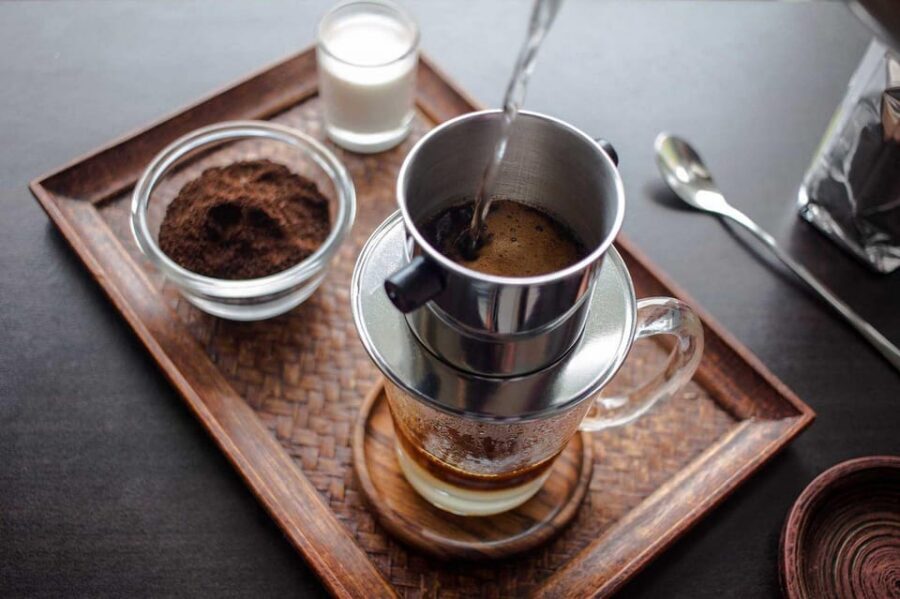
- Pick your style and brew two drinks yourself (Phin Filter, Egg Coffee, Coconut Coffee, or Salt Coffee)
- You taste with purpose: learn how sweetness, acidity, and texture shift as beans roast
- Indoors in any weather, and the workshop is set up for all ages
- Souvenir area after class so you can take beans, filters, and gifts home
Finding Trí Long Coffee and getting oriented fast
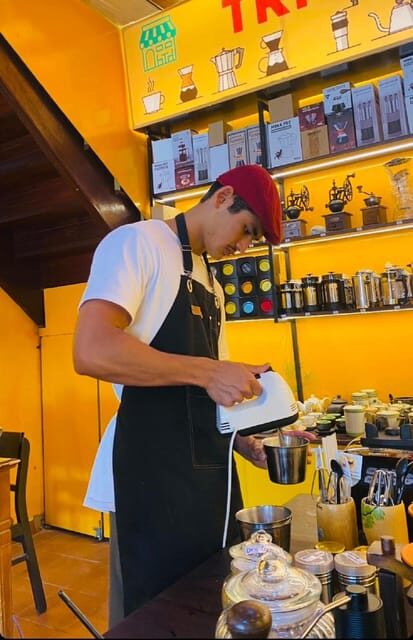
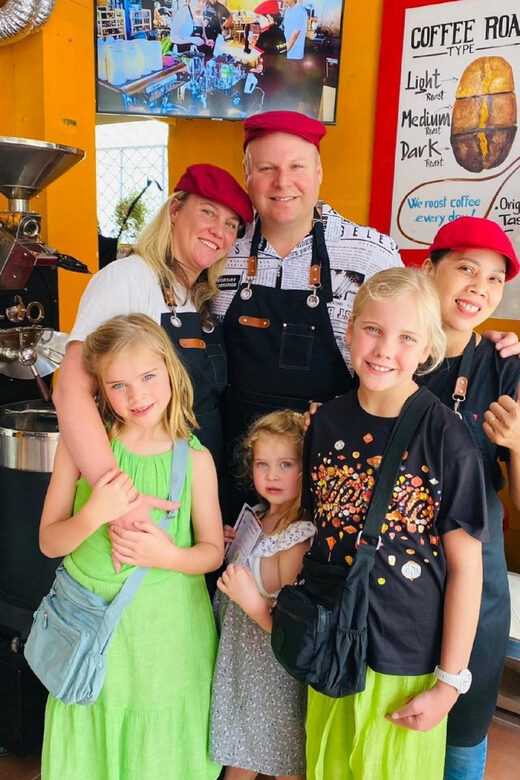
Your meeting point is right in central Hoi An at Trí Long Coffee, 88 Phan Châu Trinh Street. Plan to arrive about 5 minutes early so you don’t feel rushed. When you get there, look for your guide standing outside the coffee shop wearing a red hat—that’s the easiest way to spot them.
The setup is simple: you’re not sent across town or shuffled through a big group tour. The value here is that the workshop starts where the coffee is being made and roasted. That matters because the smells, the tools, and the process are all part of the learning.
Also, the workshop is English-hosted, which helps if your Vietnamese is basic. You’ll get step-by-step guidance while you brew, not just a quick explanation and then you figure it out.
You can also read our reviews of more tours and experiences in Hoi An



Small-batch roasting: what you actually learn to notice
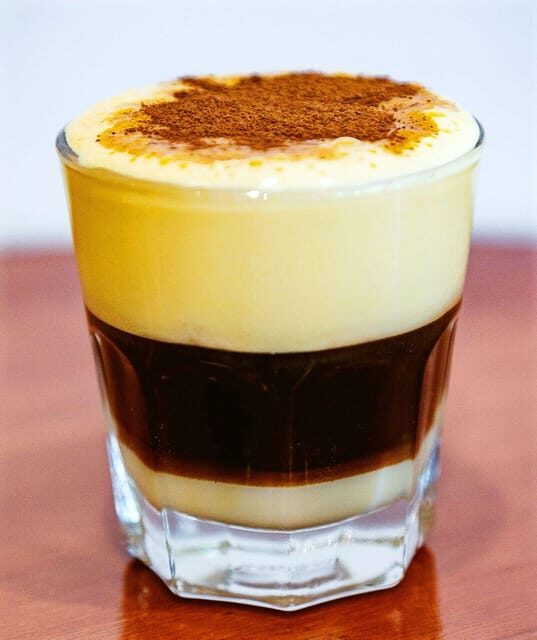
This experience isn’t only about drinking coffee. It’s about seeing how Vietnamese coffee flavor starts with roasting decisions.
Early on, you’ll get a welcome into the world of Vietnamese coffee, including the journey from coffee origins to roast-day craft. The centerpiece is a live roasting demonstration. You’ll watch the beans as the roaster works, and you’ll pick up sensory details that are hard to learn from a menu.
Here are the specific things the instructor helps you connect:
- Roasting drum heat: you’ll feel the warmth from the process area, and it explains why staff control timing so carefully.
- Bean sounds during roasting: crackling isn’t just drama—it’s one of the cues roasters use to judge roast progress.
- Roast level affects flavor: you’ll learn how lighter versus darker roasting changes aroma, sweetness, acidity, and body.
This is the part I think you’ll appreciate most if you usually just buy beans and drink what’s in front of you. After this, you’ll taste like you’re reading the roast profile. You won’t need to be a coffee expert—just pay attention to what happens when you change roast level.
Your brewing choice: Phin, Egg Coffee, Coconut Coffee, or Salt Coffee
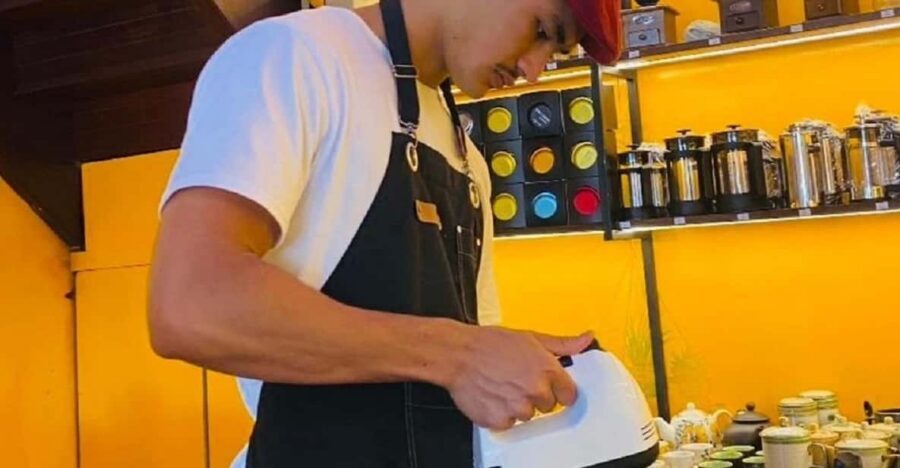
Once you understand roasting, you get to brew. You’ll choose a Vietnamese coffee style for your hands-on session, and you’ll make two cups total (choose 2 of 4 signature drinks).
Your options are:
- Phin Filter coffee (the classic Vietnamese filtered style)
- Egg Coffee (Vietnam’s famous creamy egg-based coffee)
- Coconut Coffee (aromatic and creamy, with coconut character)
- Salt Coffee (a specialty associated with Central Vietnam)
The step-by-step guidance is what makes this more than a demo. You’ll use the tools and ingredients on-site, and the instructor helps you get the method right while you’re doing it. That’s why the one-hour format works: you learn the why quickly, then practice immediately.
Egg Coffee and Coconut Coffee: what to expect in the cup
Egg Coffee is all about texture and balance. You’re making a drink designed to feel smooth and rich, not harsh. Coconut Coffee leans aromatic and creamy, and it tends to highlight how Vietnamese coffee can taste both familiar and completely different from what you might know from espresso bars.
Salt Coffee: why it’s more than a novelty
Salt Coffee can sound strange if you’ve never tried it. But in a region where Central Vietnam coffee is part of local routine, salt is used to adjust the way sweetness and bitterness show up. If you’re curious, it’s one of the best ways to understand how Vietnamese coffee culture uses flavoring as a tool, not just decoration.



Brewing like a local: using the tools and timing that matter
Vietnamese coffee isn’t just about the beans—it’s also about the process. Your instructor walks you through brewing using authentic tools, which is where the workshop becomes practical.
Even if you’ve made coffee at home, you’ll likely notice differences:
- The filter style for Phin coffee changes how extraction feels and tastes.
- Consistency matters when you add rich components like egg or coconut.
- Timing impacts strength and balance, especially when you’re aiming for a specific signature drink style.
What I like for you here is that you get coaching while your hands are actually involved. If you’ve ever watched food videos and thought, sure, but can I do it, this answers that directly.
And because you make two cups yourself, you’ll also learn by comparison. Even if you pick two drinks you think you already know, the methods lead to different textures and taste patterns.
Taste test with intention: aroma, sweetness, acidity, body
The roasting lesson pays off during your tasting. Since you’ve already been taught how roast level changes flavor, you can test those ideas in real time.
Your best approach: taste in a slow order.
- Start with aroma first.
- Then notice sweetness.
- Next, check acidity (does it feel sharp or more rounded?).
- Finally, pay attention to body—how thick, smooth, or light the coffee feels in your mouth.
That’s the “aha” moment I think this workshop gives you. Instead of coffee being a mystery product you buy, it becomes something you can describe and understand. You’ll walk out more confident about what to look for when you buy beans later.
Inside the cafe: cozy coffee time (and one real consideration)
After brewing, you get to enjoy what you made in the cozy indoor space. Expect local music and a relaxed atmosphere that fits Hoi An’s slow pace.
One drawback is worth naming clearly: the cafe can be very loud. If you want to follow every instruction detail, you’ll likely benefit from sitting near the guide and focusing hard during the explanation parts. If noise bothers you, consider bringing earplugs. It’s a small move that can save your whole experience.
Also, comfortable clothing helps. The roasting area may be warm, so you don’t want to come dressed purely for sightseeing.
The souvenir area: turn lessons into purchases you’ll actually use
One of the easiest ways to make this workshop feel “worth it” is what happens after. You can browse a souvenir and coffee shop area with items tied directly to what you learned.
You’ll find:
- premium roasted beans and ground coffee
- cocoa options
- local ceramics
- handmade filters
- Hoi An–inspired gifts
This is where you can extend the experience. If you loved Phin-style coffee, a filter is the practical souvenir. If you loved the roasted flavor, grab beans you can grind at home. And if you want gifts that don’t feel random, ceramics and handmade tools are better than generic trinkets.
Just remember: this is a coffee-focused stop. Buying something here makes sense if you plan to use it, not only collect it.
Price and value: is $16 for one hour a good deal?
At $16 per person for a 1-hour experience, you’re paying for a rare mix: guided roastery access, a roasting demonstration, and a hands-on brewing workshop where you make two cups yourself.
If you’ve done typical food tours that end at tasting and then move on, this feels different. The value is in the practice: you don’t just sample; you learn how the drink is made and how roast level influences results.
You also get ingredients and equipment included, plus a coffee specialist or instructor guiding the process. Not included are meals and additional drinks, and there’s no hotel pickup or drop-off. So if you’re coming from far outside central Hoi An, plan to get yourself to Phan Châu Trinh Street without counting on transport from the tour.
For most visitors in Hoi An, the math works best if you like coffee enough to care about methods, not just flavor.
Who should book this Hoi An coffee workshop
This fits well if you want:
- a short activity that still feels hands-on
- a real look at Vietnamese coffee culture
- to try signature drinks like Egg Coffee or Salt Coffee
- a practical lesson you can carry home (roasting awareness + brewing technique)
It’s also suitable for all ages, and you don’t need coffee-making experience. That makes it a strong option for families or anyone who gets bored by lectures.
It’s less ideal if:
- you hate noise (the loud cafe issue is real)
- you want a multi-hour, full tour of Hoi An beyond the roastery world
When to go and what to wear
Because the workshop is indoors, it works on sunny days and rainy days. That’s a practical plus in central Vietnam where weather can shift quickly.
Wear comfortable clothes. If you’re sensitive to heat, keep your outfit light because the roasting area can get warm.
If you’re planning around meals, keep in mind you’re not getting included meals here. Your coffee cups are the main focus, so pair it with breakfast or bring something light before/after depending on your schedule.
Should you book this coffee roastery experience?
I’d book it if you want one hour in Hoi An that teaches you something real—how Vietnamese coffee is roasted and how signature drinks are built, cup by cup. The fact that you make two cups yourself is the deciding factor. You’ll actually remember what you did, not just what you saw.
Skip it only if noise will ruin your concentration or if you’re looking for a long sightseeing day. For coffee fans, though, this is a clean, efficient experience with enough variety in drink choices to keep it interesting.
If you’re still deciding, my practical suggestion is to choose your two drinks based on how adventurous you feel: one “classic” comfort pick (like Phin Filter) plus one wildcard (Egg, Coconut, or Salt). That combo usually leads to the most satisfying learning.
FAQ
How long is the Hoi An Coffee Roastery experience?
It lasts 1 hour.
Where is the meeting point?
Meet at Trí Long Coffee, 88 Phan Châu Trinh Street, Hội An. Look for your guide outside the coffee shop wearing a red hat.
What drinks can I make during the workshop?
You can choose from Phin Filter coffee, Egg Coffee, Coconut Coffee, and Salt Coffee. You’ll make two cups total by choosing 2 of the 4 drinks.
Do I need any prior coffee-making experience?
No. The workshop is suitable for all ages and does not require prior coffee-making experience.
Are there vegan or non-dairy options?
Vegan and non-dairy options are available for selected coffee types.
Is the workshop held indoors?
Yes, the workshop takes place indoors, which makes it suitable for both sunny and rainy days.
What is included in the $16 price?
The price includes the guided roastery experience, the hands-on brewing workshop, all ingredients and equipment, and two cups of coffee that you make yourself.