REVIEW · HOI AN
WAR TRAILS TOUR to KY ANH TUNNELS & CHAM RUINED SANCTUARY
Book on Viator →Operated by Hoi An Cham Cham Travel · Bookable on Viator
Ky Anh Tunnels put the war underground where it actually lived. This half-day tour mixes Vietnam War tunnel history with a stop at Champa-era Chien Dan towers, all paced for a smooth 5–6 hours. I especially like the small group feel (up to 15) and the way veteran voices—such as Mr. Thom—help connect the facts to real people.
Two things I also really value: the visit includes admission tickets at the tunnel site and the Cham towers, and you’re picked up from your hotel in Hoi An rather than figuring out rural transport. The main drawback to weigh is that you’ll spend time in dim, damp tunnel spaces—so if you dislike dark, enclosed areas or wet footing, consider carefully.
In This Review
- Key highlights
- Morning Pickup in Hoi An: How This Half-Day Tour Actually Runs
- Ky Anh Tunnel System: 32 Km of Wartime Survival Tactics
- What the tunnel experience feels like
- My advice on how to prepare
- Veteran Voices and Names You’ll Hear Along the Way
- Why this matters for you
- Chien Dan Cham Tower: Three East-Facing Sanctuaries
- What you should notice here
- Quick reality check
- Noodles at Midday and the Return to Hoi An
- Price and Value: Why $64 Can Be a Good Deal Here
- Who Should Book This Ky Anh Tunnels and Cham Towers Tour
- Should You Book This War Trails Tour?
- FAQ
- What is the tour price?
- How long is the tour?
- What time does the tour start?
- Is hotel pickup included?
- How many stops are there?
- Are admission tickets included?
- Is there a group size limit?
- Who guides the experience?
- What kind of weather does the tour need?
- What is the cancellation window?
Key highlights
- Veteran-led tunnel walk with firsthand stories of how the system worked
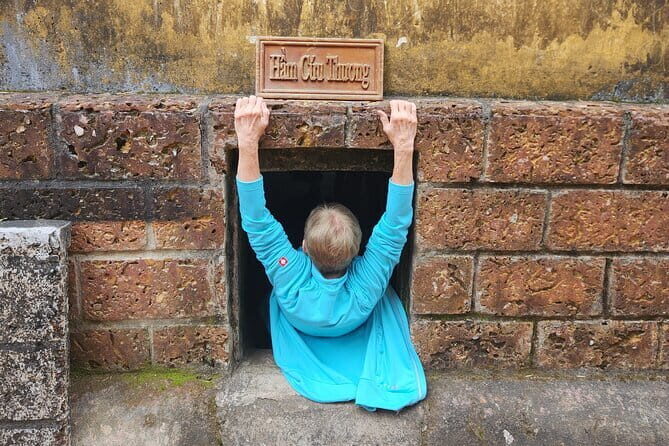
- Ky Anh Tunnel System built 1965–1967, totaling about 32 km under villages and waterways
- Dim passages and shallow water pools that make the underground experience feel real
- Chien Dan Cham Tower complex of three east-facing sanctuaries from the late 10th to early 11th century
- Chien Dan inscription tied to King Harivarmadeva, with some details open to interpretation
Morning Pickup in Hoi An: How This Half-Day Tour Actually Runs
This is built as a true short escape from Hoi An, starting with hotel pickup at 8:30 am. The full experience is about 5 to 6 hours, and the pacing matters here: one major site in the morning, one cultural stop in the early afternoon, then you’re back by around 1:00 pm.
Group size is capped at 15 travelers, which usually means you can hear your guide and ask real questions. You’ll also travel with a proper setup that can include an additional driver, so you’re not stuck watching maps and negotiating rural roads on your own.
And because admission tickets are included, the day feels simpler. You’re not spending your time hunting for counters, paying extra at each site, or trying to translate rules on the fly.
One practical tip: since this route can depend on conditions (the tour notes good weather is required), plan for the possibility of a date shift if conditions aren’t ideal. It’s not a “wait-and-see forever” situation—if weather disrupts things, you’ll be offered another date or a full refund.
You can also read our reviews of more tours and experiences in Hoi An.



Ky Anh Tunnel System: 32 Km of Wartime Survival Tactics
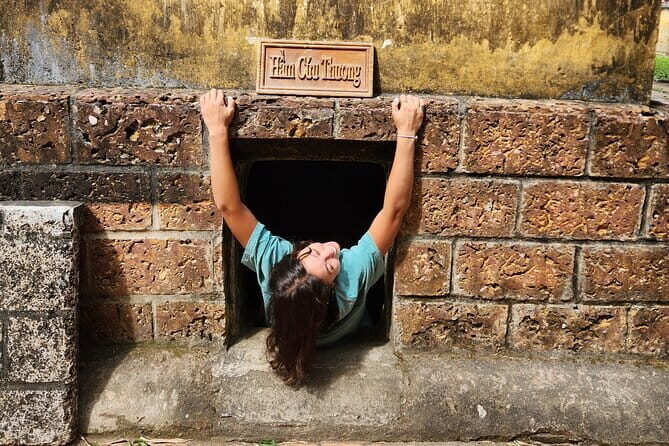
Ky Anh is the big draw, and it’s different from the more famous tunnel storylines you might already know. The Ky Anh Tunnel System was dug by the resistance side from 1965 to 1967, and the total length is about 32 km—a sprawling network under villages, paths, and everyday life.
What makes it worth your time is how the tunnels were designed to hide and move. The underground routes weave beneath places like houses, straw piles, bamboo bushes, and canals, creating a hidden world the U.S. Army couldn’t easily detect.
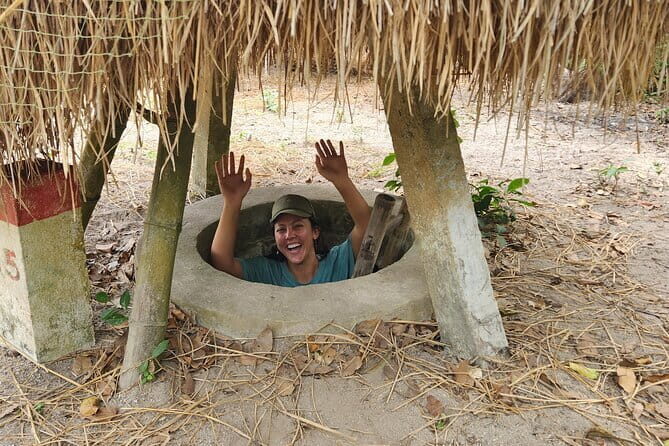
Inside, the visit leans hard into the sensory reality. You’ll walk through dimly lit passages with features like shallow water pools, which helps explain how this wasn’t a “set piece” attraction—it was a working system built for people who had to survive and keep functioning under pressure.
What the tunnel experience feels like
Expect a walk that’s more about understanding than “speed sightseeing.” The atmosphere is part of the lesson: tight sightlines, low light, and wet sections all reinforce the idea that this space wasn’t meant for comfort.
Also, the guide’s storytelling matters because the tunnels weren’t only about getting from A to B. You’ll hear how the village used ingenious warning systems to respond to danger.
My advice on how to prepare
Bring shoes you trust on damp ground. Loose sandals are a bad match for shallow water pools and uneven tunnel flooring. If you’re prone to feeling uneasy in dark spaces, treat that as a serious factor before booking. This is history you walk through, not history you look at from a safe distance.
Veteran Voices and Names You’ll Hear Along the Way
A major strength of this tour is the human layer. You’re not only getting dates and lengths—you’re getting the kind of explanation that connects the network to daily fear, daily problem-solving, and daily courage.
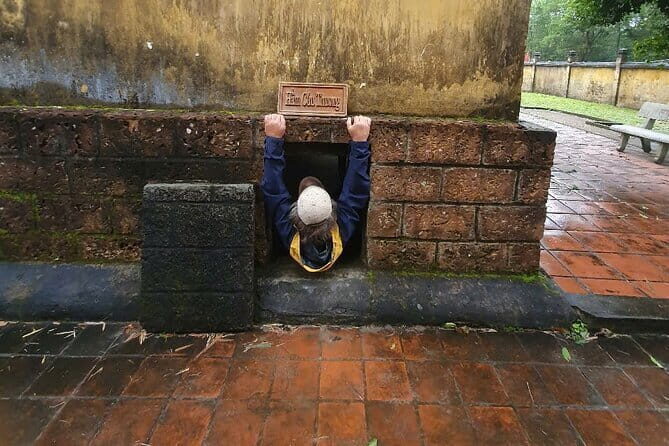
The tour is guided by people with direct ties to the tunnels’ story. The information you’re given mentions guidance from veterans such as Mr. Thom, and the tour setup is designed to let you meet a war veteran and hear his story while you see parts of the tunnel system.
That’s the difference between reading history and understanding it. The tunnel system can sound like a technical project on paper. But when a veteran explains how warning systems worked or why routes went under specific village features, the details stop being abstract.





Why this matters for you
If you care about Vietnam War history, this approach gives you context that’s hard to find in standard museum-style tours. It also helps you avoid turning the topic into just another checklist of attractions.
At the same time, keep your expectations respectful and grounded. The experience is emotional by nature. You’ll get a peaceful view of rural Quang Nam during the drive, and then you’ll step into a space where the past was anything but peaceful.
Chien Dan Cham Tower: Three East-Facing Sanctuaries

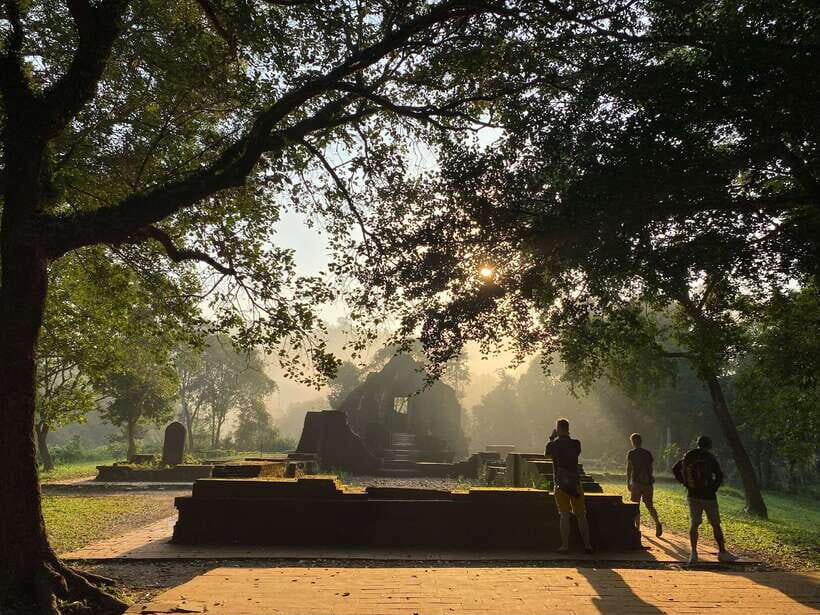
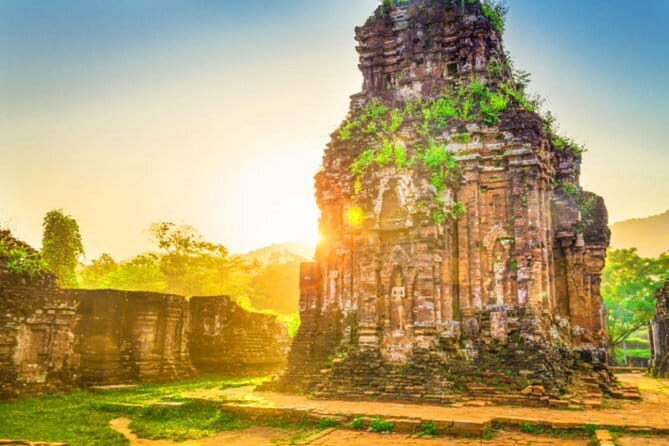
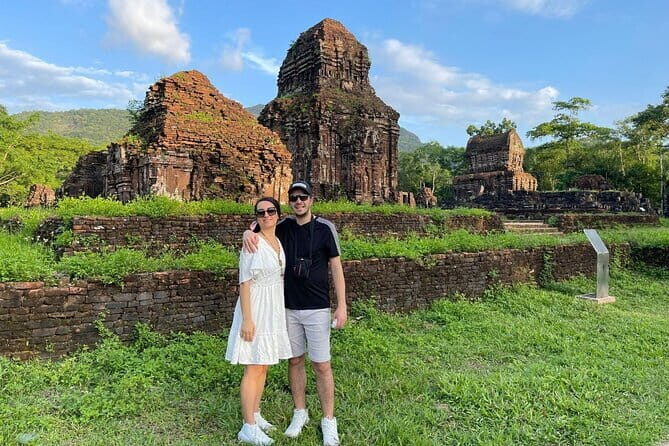
After the tunnel time, you shift from underground survival to stone and sun—Chien Dan Cham Tower (also written as Chien Dan Champa Tower). This is a set of three sanctuaries facing east, built by the Champa kingdom.
The time period is late 10th to early 11th century, and you’ll have about 1 hour for this stop. That’s a good length: long enough to look closely, short enough to keep the day from dragging.
What you should notice here
On site, there’s a major piece of context: a large inscribed stone called the Chien Dan inscription. It’s considered definitive evidence that the towers were built during the reign of King Harivarmadeva, though the inscription leaves room for interpretation on whether the king personally sponsored the monuments.
This is exactly the kind of historical uncertainty that I like to see on tours. It’s not hand-waving—it’s honest about what the evidence supports and what remains open to discussion.
If you like religious architecture, you’ll also appreciate the geometry of three sanctuaries and their east-facing orientation. Even without a background in Champa culture, you can feel how the layout would have mattered to ceremony and belief.
Quick reality check
This stop is more “look and learn” than “walk and feel.” Wear sun-ready clothing if you’re going on a bright morning, and bring water if you run hot, since rural afternoons can feel warm.
Noodles at Midday and the Return to Hoi An
Around 12:30, there’s time for local noodles. The tour framing suggests a straightforward meal break so you can reset after the tunnel visit.
Then you’re back on the road for the return. The schedule points you toward about 1:00 pm back at your meeting point, which makes this easy to pair with your afternoon plans in Hoi An.
If you’re hoping to do more after the tour, I’d plan something low-key. The tunnel portion can be physically tiring (and mentally heavy), so give yourself space to wander the old town without rushing.
Price and Value: Why $64 Can Be a Good Deal Here
At $64 per person, this tour isn’t a bargain bargain—but it’s also not trying to be “premium pricing.” For the cost, you get a full morning and part of the afternoon with hotel pickup, guided time at two sites, and admission tickets included.
Here’s the real value math:
- You’re paying for guided time at a war-era tunnel network (where context is the point, not just entry).
- You’re also getting a Champa cultural stop where the Chien Dan inscription and tower dating become part of the story, not a quick photo stop.
- Pickup and a small group (max 15) reduce hassle, which is often the hidden cost in rural tours.
One more practical note: this tour averages booking about 24 days in advance, which tells me it’s popular enough to plan for. If you’re traveling during peak weeks, reserve earlier so you don’t end up with fewer time options.
Who Should Book This Ky Anh Tunnels and Cham Towers Tour
This is a strong fit if:
- You want a Vietnam War site that’s off the main tourist circuit and not built like a theme-park version.
- You like history with human storytelling, especially when you can hear from a veteran guide like Mr. Thom.
- You want variety in one day: underground wartime survival in the morning, then Cham temple architecture in the afternoon.
It’s not the best match if:
- You’re strongly uncomfortable in dark, enclosed spaces.
- Damp footing and water in the tunnels would be a problem for your comfort or mobility.
- You only want easy, light walking and zero emotional heaviness.
For families, the tour says most travelers can participate, but comfort levels vary. If you’re bringing anyone who gets anxious in dark confined places, you’ll want to think twice before booking.
Should You Book This War Trails Tour?
I think you should book if Ky Anh appeals to you and you’re ready for an experience that’s real and a bit intense. The combo of veteran-led tunnel history and Chien Dan Cham towers gives you two different kinds of understanding in one half-day: survival logic underground, then cultural and architectural meaning above ground.
Book it with two clear priorities:
1) Go prepared for a damp, dim tunnel walk.
2) Pick a weather-friendly day, since the tour requires good weather.
If those boxes fit, this is one of the better ways to spend a morning near Hoi An when you want more than postcard tourism.
FAQ
What is the tour price?
The price is $64.00 per person.
How long is the tour?
It lasts about 5 to 6 hours.
What time does the tour start?
Pickup starts at 8:30 am in Hoi An.
Is hotel pickup included?
Yes, pickup is offered.
How many stops are there?
There are two main stops: Ky Anh Tunnel and Chien Dan Cham Tower (with time for noodles around midday).
Are admission tickets included?
Yes. Admission tickets are included for the tunnel site and for the Cham tower stop.
Is there a group size limit?
Yes. The maximum group size is 15 travelers.
Who guides the experience?
The tour is guided by an onsite guide, and the information provided also mentions veterans such as Mr. Thom sharing their stories.
What kind of weather does the tour need?
The tour requires good weather. If it’s canceled due to poor weather, you’ll be offered another date or a full refund.
What is the cancellation window?
You can cancel for a full refund if you cancel at least 24 hours before the experience’s start time. If you cancel less than 24 hours before, you won’t receive a refund.