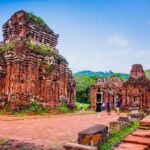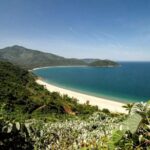
Quiet countryside, loud flavor lessons. This Hoi An class pairs Tra Que Vegetable Village sightseeing with a hands-on cooking session led by a family that grew up farming and spent over 10 years working in restaurants. You’ll start at a busy local market, learn what fruits, veggies, and even garden-based remedies are used for, then bike out on small roads where buffaloes, rice fields, and shrimp-and-duck farms live side by side.
What I really like is the “do it yourself” approach: you don’t just watch. You help cook classic dishes, and you also learn table decoration like carving veggie flowers from carrots and tomatoes. A second big plus is the human touch—people like Duyen and Hai come across as friendly and flexible, including shifting the pace for hungry kids when needed. A possible drawback to think about first: it’s active. You’ll bike through the countryside, do kitchen prep, and then spend time on foot massage, so it’s not the best fit if you want a mostly seated experience.
In This Review
- Key things that make this Hoi An cooking class different
- Market first: where Vietnamese cooking starts
- Biking the quiet roads outside Hoi An
- Tra Que Vegetable Village and traditional craft village lessons
- Carving veggie flowers and setting up a beautiful table
- The cooking class: four classic dishes plus a full lunch
- Herbal foot massage and the final flavor payoff
- Value and price: what $35 really buys you
- Who should book this Hoi An tour (and who should skip it)
- A few smart tips so the day goes smoothly
- Should you book Spring Onion Family Tour?
- FAQ
- What time does the tour start?
- How long is the experience?
- How much does it cost?
- Is pickup included?
- What’s included for lunch?
- Is there a foot massage?
- How big is the group?
- Can I cancel and get a refund?
Key things that make this Hoi An cooking class different
- Market-and-medicine context: you’ll learn names and uses of local produce, including how ingredients connect to traditional medicine
- Tra Que + countryside by bike: quiet lanes, rice paddies, and rural farm life with no traffic chaos
- Hands-on cooking with a local family: step-by-step help in a home setting, not a big commercial kitchen
- Veggie carving and table styling: you’ll make flowers from carrots and tomatoes before you eat
- Herbal foot massage: lemongrass, ginger, and basil leaves are part of the experience
- Small group size (max 10): easier questions, more personal instruction, and a calmer pace
Market first: where Vietnamese cooking starts
Hoi An cooking classes can feel like a straight line from kitchen to lunch. This one starts in the market, which is smart—because ingredients are the whole story.
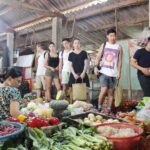
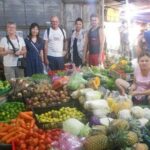
You’ll tour the market with a local English-speaking guide and spend real time on the basics: the names of local fruits and vegetables, what they’re used for, and how locals think about them day to day. The added twist here is the connection to home remedies and garden-based medicine. You’re not studying medicine like a textbook, but you are getting a practical sense of why certain herbs show up in meals and in everyday health habits.
Why this matters for you: once you know what an ingredient is and what it does, cooking at home stops feeling like guesswork. You can replace flavors and understand what to look for in Vietnamese markets, or even in well-stocked Asian grocery stores.
What to watch for: markets are lively, and this is an interactive experience. Wear comfy shoes, and expect to spend time walking and looking closely at produce.
You can also read our reviews of more tours and experiences in Hoi An.

Biking the quiet roads outside Hoi An
After the market, you cycle into the countryside on small, winding roads with a peaceful pace. The setting is the best kind of “seen it in photos” place—you actually get time to notice details: buffaloes grazing, rice fields under cultivation, and farms raising shrimp and ducks.
This part of the tour is what turns a cooking class into a day with texture. You see where ingredients come from, not just how they taste. And because it’s described as avoiding noisy, busy traffic, the ride is more about scenery and calm than stress.
Why I like it: biking outside town helps you mentally switch from tourist mode to local rhythm. It also sets you up for the next stop, where you’ll learn more about how vegetables are grown and cared for.
Possible consideration: if your balance is shaky or you’re not comfortable biking, this is the section to think about. The tour includes cycling, so it’s not a gentle stroll.
Tra Que Vegetable Village and traditional craft village lessons
One of the highlights is the Tra Que Vegetable Village area, a long-standing place known for growing vegetables. In this part of the day, you’re not just sightseeing—you learn how growing is done.
You’ll get introduced to manual vegetable growing methods, including how organic fertilizers and pesticides are used. That’s important because it changes how you think about flavor and freshness. When ingredients are grown with a specific approach, the final dishes taste like they come from a system, not a supermarket bag.
From there, you also visit one of four traditional craft villages. The idea is similar: learn by watching how locals make things the old way, then connect that to food and daily life.
What you’ll get out of it: you’ll come away with more than cooking instructions. You’ll understand why certain herbs and greens show up again and again in Hoi An meals—and what makes local vegetables feel different.
Good to know: craft villages can vary by day since the tour notes one of four places. Plan to stay flexible.
Carving veggie flowers and setting up a beautiful table
Before the big cook-and-eat portion, you learn how to decorate the table. This is the practical version of Vietnamese food presentation—learning to turn simple vegetables into edible flowers.
You’ll practice carving and shaping, with examples like flowers made from carrots and tomatoes. It sounds decorative, but it teaches technique. Cutting with intent changes how food looks on a plate, and it can also influence portioning and texture.
Why it’s worth your time: many cooking classes stop at taste. Here, presentation is part of the lesson, so you leave with skills you can actually use when you host friends.
Watch for: if you’re prone to rushing, slow down. Carving takes patience, and the guide support helps.
The cooking class: four classic dishes plus a full lunch
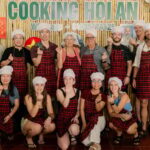
This is the heart of the day: you cook with a chef at a local family’s home, learning step by step. The experience is designed around Vietnamese home-style method, not complicated restaurant performance.
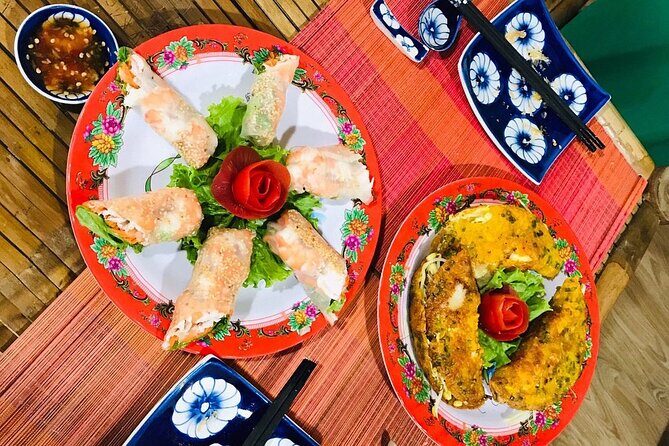
The lunch spread included in the tour is detailed, and it’s built around Hoi An specialties:
- Vietnamese pancake
- Hoi An spring roll
- green papaya & banaba flower salad
- chicken in clay pot
- morning glory stir with garlic
- rice
- dessert
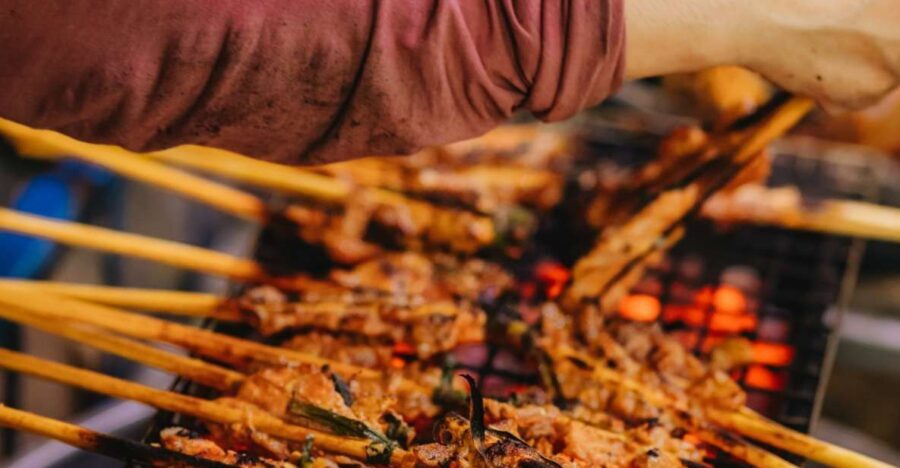
The class itself focuses on cooking four typical dishes, and the menu you eat includes multiple favorites from that cooking theme. You’ll also get some show-and-learn moments like a fire pan performance and juggling pancakes.
Why this class feels “real”: the hosts are young farmers who studied and worked in restaurants for more than 10 years, so the teaching has restaurant discipline but home authenticity. You’ll notice the balance in how instructions are given—step by step, but with enough context to understand what you’re doing.
If you’re cooking at home after: focus on the textures and timing more than the exact measurements. The market visit plus the village growing lessons make it easier to understand why certain ingredients behave the way they do.
Consideration: the menu listed is fairly set. If you have allergies or dietary needs, you should check ahead because the tour data doesn’t mention custom substitutions.


Herbal foot massage and the final flavor payoff
After the biking and kitchen work, the tour shifts gears into body-recovery mode with a foot massage using herbal leaves—lemongrass, ginger, and basil leaves are specifically called out. You also get cold towels and a welcome drink, which helps you feel human again before the long meal.
Why it works: you’ve been using your legs (cycling) and your hands (carving, chopping, cooking). Ending with massage is a smart match. It also ties the day back to the earlier theme—herbs aren’t only for cooking; they’re part of local everyday care.
Then you eat what you made. And because the day includes pancake showmanship (like juggling), the meal feels less like a reward and more like the conclusion of the lesson.
Value and price: what $35 really buys you
At $35 per person for a day that runs about 1 day 3 hours (approx.), this is positioned as a value-focused cultural cooking experience. You get:
- Market time with guidance
- countryside cycling
- village learning
- table decoration practice
- a hands-on cooking session at a local home
- lunch including several Hoi An dishes
- private transportation
- bottled water, plus a welcome drink
- cold towels
- foot massage
A lot of cooking classes charge less for the food and more for the “tour” parts. Here, the day bundles the full arc: ingredients, growing methods, technique, and relaxation. If you care about understanding where flavors come from (not just learning recipes), that added context is what you’re paying for.
My practical take: this is best value when you’re open to doing active parts of the day—market walking, biking, and kitchen work—because that’s where the money turns into experiences you can feel.
Who should book this Hoi An tour (and who should skip it)
This one fits best if you want:
- a Hoi An cooking class that starts with the market, not just the kitchen
- hands-on learning you can actually repeat at home
- countryside time outside town, especially around Tra Que
- a day that mixes food, farming, and herb-based wellness (foot massage with herbal leaves)
You might skip it if:
- you want a fully seated, low-movement experience
- biking and kitchen prep are deal-breakers
- you need very customized meals (the tour data doesn’t mention dietary customization)
A few smart tips so the day goes smoothly
- Go comfortable: you’ll be in the market and then cycling, so wear shoes you can walk in.
- Ask about your dish confidence: the class is step-by-step; if you’re nervous about cooking, focus on mastering one technique at a time.
- Take it slow during carving: veggie flowers are easier when you focus on small, careful cuts.
- Plan for the herb massage: herbal leaves can smell strong; that’s normal for the experience described.
Should you book Spring Onion Family Tour?
Yes—if you want a Hoi An food day that’s built on real ingredient context. The market start, the Tra Que vegetable village lesson, and the hands-on cooking in a local family setting give you a full chain from farm to plate. The small group size (up to 10) also makes the teaching feel more personal, and the foot massage is a thoughtful finish.
I’d think twice if you’re looking for a purely relaxing, sit-and-watch experience. This is more active than many cooking tours, and it includes biking plus kitchen work. If that sounds like a good trade for stronger learning and a meal you help create, book it.
FAQ
What time does the tour start?
The tour starts at 9:00 am.
How long is the experience?
The duration is listed as 1 day 3 hours (approx.).
How much does it cost?
The price is $35.00 per person.
Is pickup included?
Pickup is offered, and the tour also includes private transportation.
What’s included for lunch?
Lunch is included and features Vietnamese pancake, Hoi An spring roll, green papaya & banaba flower salad, chicken in clay pot, morning glory stir with garlic, rice, and dessert.
Is there a foot massage?
Yes. The tour includes foot massage, and herbal leaves like lemongrass, ginger, and basil leaves are mentioned.
How big is the group?
The experience has a maximum of 10 travelers.
Can I cancel and get a refund?
Yes. You can cancel for a full refund if you cancel up to 24 hours in advance of the experience start time.