REVIEW · HOI AN
Private cooking class tour with Master Chef
Book on GetYourGuide →Operated by Lantern restaurant and cookingclass · Bookable on GetYourGuide
Spring rolls taste better when you make them.
This private cooking class in central Vietnam pairs real market shopping with hands-on cooking, so you’re not just watching someone else work. I love that you cook your own menu with an English-speaking chef, and you get a small-group feel so questions actually get answered. One thing to consider: the menu can shift based on what ingredients are available, and people with food allergies should be cautious since the class is not suitable for them.
You’ll also want to arrive ready to move.
You’re picking ingredients, prepping, and cooking in a hands-on format, so comfortable clothes matter more than good outfit photos. The upside is the payoff: you finish by eating the dishes you made, including savory mains and a sweet fruit dessert.
In This Review
- Key highlights that make this class worth your time
- Two time options in Hoi An: how you’ll actually plan your day
- Picking ingredients in a real market (and not just for show)
- The organic garden stop: why it changes how you cook
- The cooking class: your hands on the stove, guided step by step
- Menu items you’ll work on
- The dishes: what you’ll taste and what you’ll learn from each one
- Green mango with prawn salad: sour, fresh, and fast
- Sweet and sour chili sauce: the skill behind the flavor
- Hội An crispy spring rolls: texture is the real exam
- Hanoi beef or chicken noodle soup: comfort with depth
- Mixed fresh fruit: a light, smart finish
- Small group, private class: why that matters for learning
- Price and value: is $39 per person a fair deal?
- Practical tips so your cooking day runs smoothly
- Should you book this private cooking class in Hội An?
- FAQ
- FAQ
- Where does the cooking class take place?
- How long is the experience?
- How much does it cost?
- Is this experience private?
- What language is the guide?
- Do I get hotel pickup and drop-off?
- What’s included in the class?
- What dishes will I cook and eat?
- What should I bring or wear?
- Is there any restriction for children or allergies?
Key highlights that make this class worth your time
- A market walk where you learn how to shop for Vietnamese staples from local sellers
- Organic garden access so ingredients make sense before they hit the pan
- Cooking a full Vietnamese menu from starters to dessert, not a single dish
- Chef-led, English guidance with a patient, practical approach in the kitchen
- Sauce and balance skills like sweet and sour chili that tie the meal together
Two time options in Hoi An: how you’ll actually plan your day
This experience runs for 1 day and is based in Hội An, with hotel pickup arranged from your location in town. Depending on which option you pick, your day can be a market-and-garden warm-up followed by cooking, or a shorter version focused mostly on the class.
Option 1 is the cooking-centered session. You have several time windows to choose from: morning from 10:30am–12:30, afternoon from 3:30pm–5:30pm, or evening 6:00pm–8:00pm. If you want a lighter schedule that still gets you cooking, this is the simple choice.
Option 2 is for the food-nerd mode. You start earlier and build the meal from the ground up with a local market visit and an organic garden: 9:00am–12:30pm or 2:30pm–5:30pm. If you like understanding ingredients before you cook, this option makes the rest of the day feel more like skill-building than just entertainment.
You can also read our reviews of more private tours in Hoi An



Picking ingredients in a real market (and not just for show)
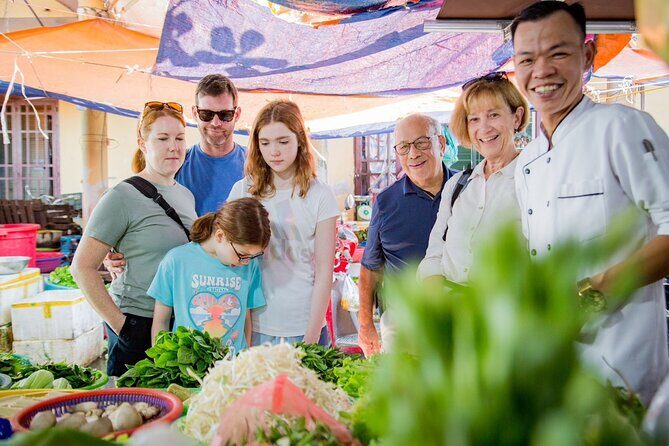
The market part is where this class turns into a practical Vietnamese cooking lesson. You head to a local market to learn what to look for and how to deal with local sellers, not just what names to memorize. You’ll also get a chance to choose ingredients for the cooking class if you want to take that extra step.
What I like about this segment is the way it teaches judgment. You’re not buying blindly. You’re learning how ingredients behave, which matters a lot for Vietnamese food where herbs, sour notes, and the right spice balance are everything. Even if the market is quieter in festival periods, you still get guided attention on what’s on offer and what each ingredient is used for.
Bring your camera if you enjoy food visuals, but don’t make that your only job. Your real win is learning how sellers present produce and how to ask (with help from your guide) for what you need. That skill transfers to any market in Vietnam, not just the one you visit in Hội An.
The organic garden stop: why it changes how you cook
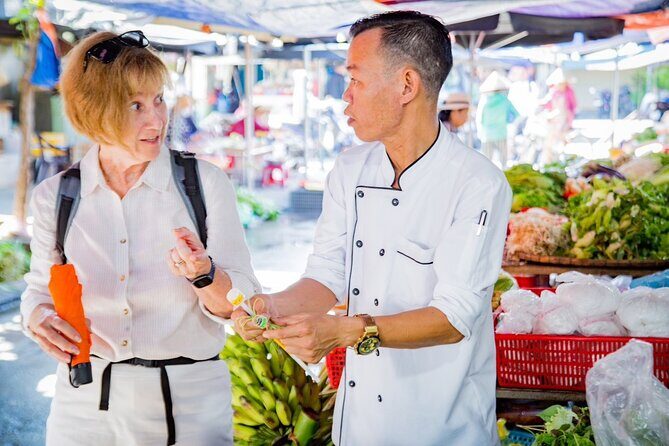
If you choose Option 2, you’ll visit an organic garden before cooking. This matters more than it sounds. When you’ve seen the herbs and vegetables growing, chopping them feels different, and you understand why freshness affects flavor.
The class framework also helps you connect the dots. You’re not just touring a garden; you’re using that ingredient context right away when you start cooking. That’s where you learn practical habits like how to handle herbs, when to add crunchy greens, and how to keep the bright flavors that Vietnamese dishes are famous for.
One review-style detail I found especially useful is the way the chef hosts explain ingredients in plain terms at their home base. It’s not lecture mode. It’s more like: here’s what this is, here’s how it’s used, and here’s what you should watch for while cooking.
The cooking class: your hands on the stove, guided step by step
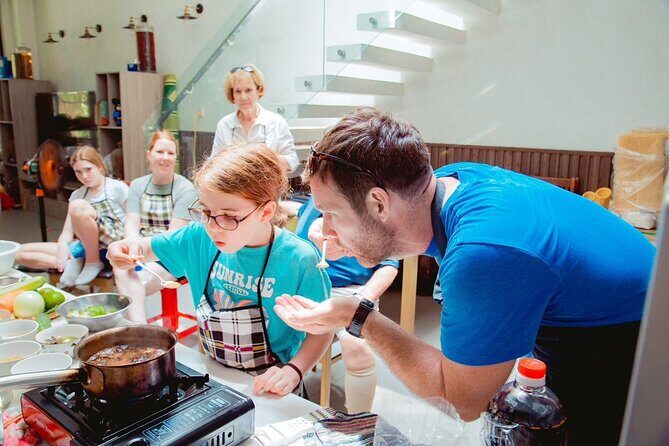
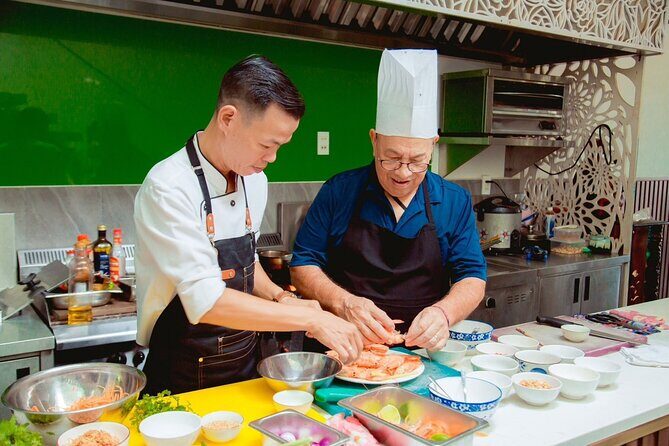
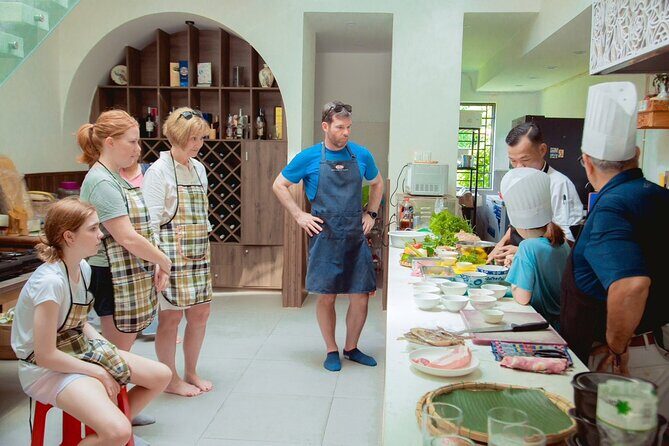
The heart of the experience is cooking a full menu under an English-speaking professional chef guide. Your group is private, so you’re not stuck in a chaotic crowd where you only half-participate. You practice making dishes yourself, and the chef gives tips that actually help you fix mistakes in the moment.
You’ll prepare a menu with salad and appetizer, main courses, and dessert. The class is structured so you build flavors in sequence. First come sour, sweet, and savory elements, then you move into the cooking methods for noodles, soup, and crispy items.
A standout teaching style here is patience. One chef guide is specifically described as being very patient and extremely knowledgeable, with practical advice and an approach that stays fun even when you’re learning something new. That’s what you want in a cooking class: calm direction, not stress.
You’ll also learn sauces, not just meals. For example, you’ll make sweet and sour chili sauce, which is one of those Vietnamese “glue” flavors that shows up across dishes. Once you understand it in your own hands, it’s easier to taste what’s missing if you ever cook Vietnamese food on your own later.
Menu items you’ll work on
- Sweet and sour chili sauce
- Green mango with prawn salad
- Hội An crispy spring rolls
- A main course choice of Hanoi beef noodle soup or chicken noodle soup
- Mixed fresh fruit for dessert
Even if your final plate isn’t perfect on the first try, the process teaches you the logic of Vietnamese cooking: balance sour and sweet, keep herbs fresh, and respect texture (crispy vs soft, crunchy vs tender).
You can also read our reviews of more cooking classes in Hoi An

The dishes: what you’ll taste and what you’ll learn from each one
Vietnamese cuisine is all about harmony. This menu is a smart way to teach that without making you memorize a textbook.
Green mango with prawn salad: sour, fresh, and fast
This dish is a good lesson in sour flavor. Green mango brings tartness and crunch, and pairing it with prawns gives you a savory base that doesn’t overpower the brightness. You’ll learn how to mix and season so the salad tastes balanced, not one-note.
Sweet and sour chili sauce: the skill behind the flavor
This is one of the easiest ways to feel like you gained real cooking knowledge. The chef walks you through how to get the sauce to taste right, not just how to follow steps. Once you understand sweet-sour balance, you’ll start noticing it in other Vietnamese dishes you eat in restaurants afterward.
Hội An crispy spring rolls: texture is the real exam
Crisp spring rolls can’t be faked with good intentions. They need the right technique and timing. You’ll cook Hội An crispy spring rolls, which are known for a crunch that contrasts with the softer fillings inside. This is where you learn that texture control matters as much as flavor.
Hanoi beef or chicken noodle soup: comfort with depth
For the main course, you’ll make Hanoi beef noodle soup or chicken noodle soup, depending on what the class provides. Noodle soups are a lesson in building a warm, balanced bowl that tastes good even when you’re not cooking for hours. You’ll practice how to put components together so the final bowl works as a complete meal.
Mixed fresh fruit: a light, smart finish
You end with mixed fresh fruit for dessert. It’s simple, but it’s a classic Vietnamese way to close a meal: bright, cooling, and not overly heavy after a savory feast.
Small group, private class: why that matters for learning
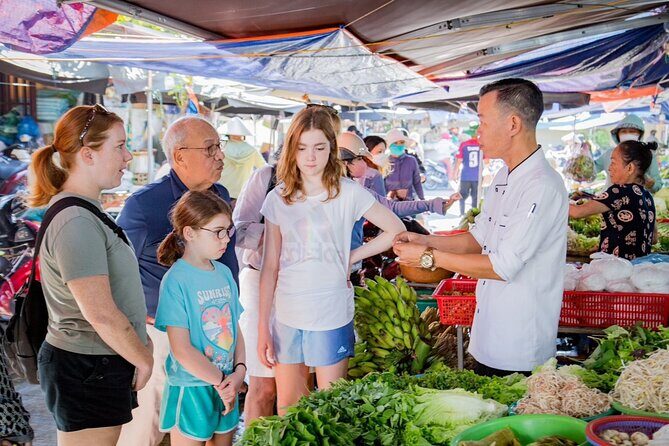
This is a private group format, so the pace is easier for you. That translates into better feedback while you cook. If you’re unsure about chopping, mixing, or timing, you can ask and get direct help instead of waiting for the chef to finish with someone else’s station.
It also makes the market and garden parts feel more personal. You’re not just moving through stops; you’re getting guided explanations from an English-speaking instructor. That’s useful if you don’t speak Vietnamese well, because you’ll know what to look for and what choices matter.
From the reviews, names like Thue and Chef Thanh come up with strong notes about friendliness, clear instruction, and a practical teaching style. Another name mentioned is Thang, connected with the vegetable garden and the home-kitchen cooking experience. Different sessions can have different guides, but the common thread is a helpful, personable approach that makes you comfortable in a kitchen even if you’ve never done Vietnamese cooking before.
Price and value: is $39 per person a fair deal?
At $39 per person for a 1-day class, this is priced like you’re paying for more than dinner. You’re getting an English-speaking chef guide, cooking class instruction, and the ingredients needed for your menu. The meal itself is included, and depending on the option you choose, you may also get a market tour and an organic garden visit.
Here’s how I think about value for this kind of experience. Cooking classes fail when they’re mostly performance. This one isn’t. You’re cooking multiple components: a sauce, a salad, spring rolls, and a noodle soup, plus dessert. So you’re paying for a full production day that ends with you eating what you made.
It’s also value-friendly if you’re staying in Hội An and want one structured activity that doesn’t depend on weather or museum hours. A cooking class is always relevant. You leave with skills you can use later, not just photos you’ll forget.
Practical tips so your cooking day runs smoothly
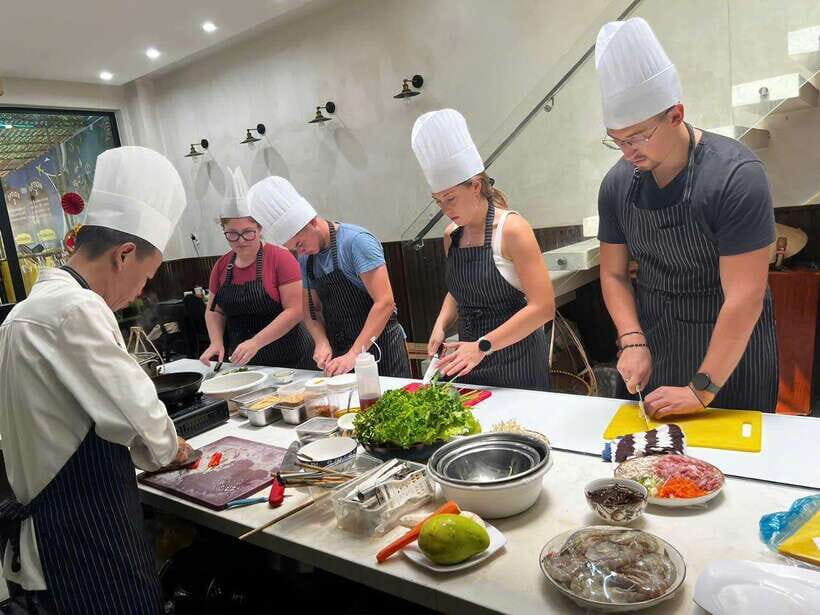
Plan for a hands-on schedule. Even with a guide doing the hard stuff, you’ll be chopping, mixing, and handling ingredients.
- Wear comfortable clothes suitable for cooking, since you’ll likely get splashed or a little messy.
- Bring water and a camera if you want food pics. Water is listed as free, but bringing your own habits helps.
- The class asks you to bring cooking equipment. If you’re unsure what that means for you, ask before you go so you don’t show up empty-handed.
- Expect the menu to change depending on ingredient availability. If you have strong preferences, tell your guide so they can help you understand what’s possible that day.
One important restriction: no smoking during the experience. Also, let them know about dietary restrictions or allergies in advance, but note that the class is not suitable for people with food allergies.
Finally, if you’re booking yourself into a food-focused day, keep your schedule flexible before and after. You’ll likely want time to enjoy the meal and digest before jumping into another activity.
Should you book this private cooking class in Hội An?
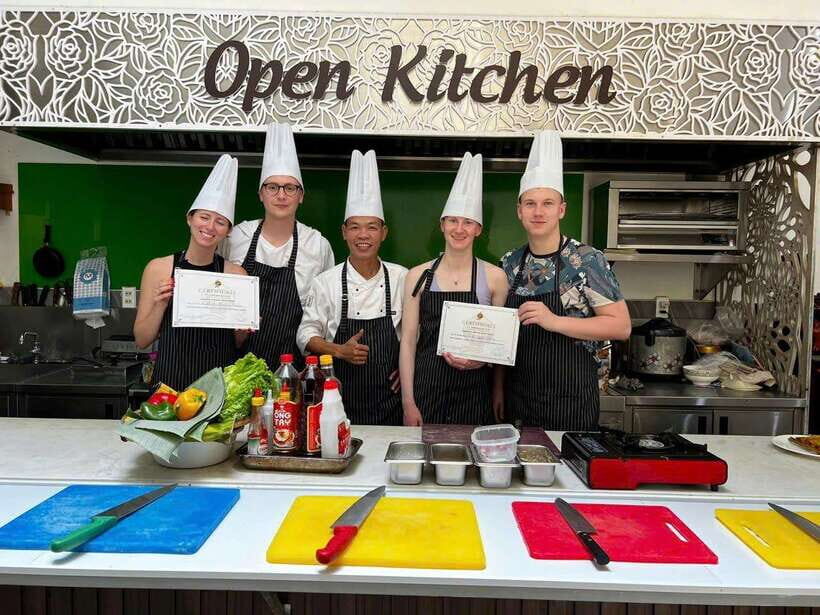
I think you should book it if you want more than a casual cooking demo. This fits you if you like learning how to pick ingredients, enjoy a guided market experience, and then cook a multi-part Vietnamese menu you can actually eat. The private format and English support also make it a great option if you don’t want to fight for attention in a larger group.
Skip it if you have strict allergy needs, since it’s not suitable for people with food allergies. Also consider your own energy level: this is a real cooking session, not a sit-down show, so comfort matters.
If you’re already eating your way through Central Vietnam and you want one day that adds hands-on skills, this class is a strong choice. You’ll leave knowing how those flavors work, not just that they taste good.
FAQ
FAQ
Where does the cooking class take place?
It’s located in Central Vietnam with the experience centered around Hội An, including hotel pickup in Hội An.
How long is the experience?
The activity lasts 1 day.
How much does it cost?
The price is $39 per person.
Is this experience private?
Yes. It’s listed as a private group.
What language is the guide?
The tour uses a live English guide.
Do I get hotel pickup and drop-off?
Hotel pickup is included for sessions that specifically note picking you up from your hotel in Hội An. Transfer can be optional depending on the option you choose, so double-check which option you selected.
What’s included in the class?
Included items cover the professional chef guide, the cooking class and ingredients, and the meal of prepared dishes. Some options also include a market tour (optional) and a visit to an organic garden.
What dishes will I cook and eat?
You’ll work on items such as sweet and sour chili sauce, green mango with prawn salad, and Hội An crispy spring rolls, plus a main course of Hanoi beef or chicken noodle soup. Dessert is mixed fresh fruit.
What should I bring or wear?
Bring a camera, water, comfortable clothes, and cooking equipment as requested.
Is there any restriction for children or allergies?
It’s not suitable for children under 9 and it’s not suitable for people with food allergies. You should notify the guide about dietary restrictions or allergies in advance.