REVIEW · HOI AN
Pottery Making with the Locals in Thanh Ha Village
Book on Viator →Operated by Hoi An Eco Cooking Tour · Bookable on Viator
Shaping clay with locals feels real fast. In Thanh Ha Pottery Village near Hoi An, I love the no-mold, hand-and-foot-pedal technique and the calm, family-run feel where you learn by doing. You can also create and paint your own piece to take home, but the session is short, so you won’t get hours of practice.
The locals are genuinely friendly, and the visit starts in a home workshop where you’ll see how useful ceramics are made for everyday life. You’ll even get a chance to wander at your own pace afterward, including stops at the Xuan My Communal House and Nam Dieu Temple of the pottery founders. One small consideration: soft drinks aren’t included, so bring water if you tend to get thirsty.
In This Review
- Key things to know before you shape clay in Thanh Ha
- Thanh Ha Pottery Village: family-run ceramics on Hoi An’s edge
- Price and what you really get for $10 in Hoi An
- From Nguyễn Sáu’s workshop to your first pinch of clay
- 20 minutes of technique: choosing clay, making, drying, trimming
- Painting and decorating your pottery souvenir
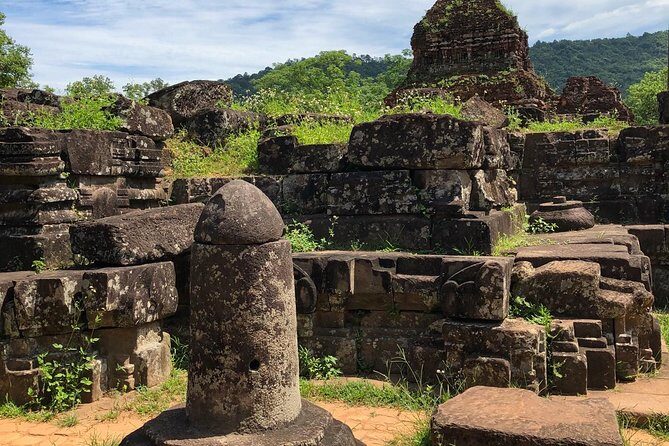
- Visiting Xuan My Communal House and Nam Dieu Temple on your own
- Why the no-mold pottery method makes your souvenir more interesting
- Practical tips for a smoother, less messy pottery session
- Should you book this Thanh Ha pottery-making experience?
- FAQ
- How long does the pottery making experience last?
- How much does it cost?
- Where does the activity start and end?
- What will I make and take home?
- Are soft drinks included?
- Is free cancellation available?
Key things to know before you shape clay in Thanh Ha
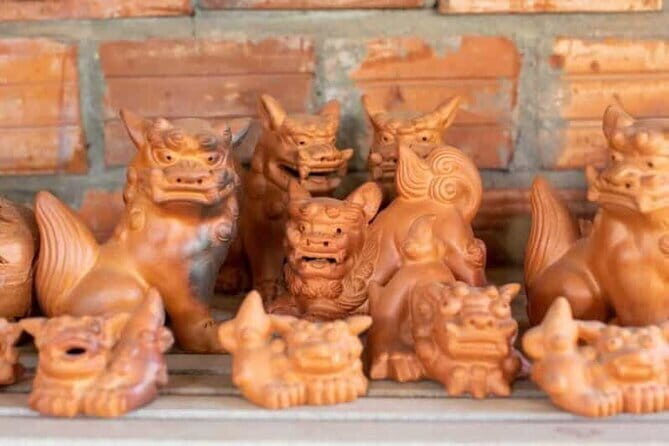
- Handmade process (no molds): every item ends up with its own character
- Small-group class (max 10): more personal attention while you work
- About 20 minutes of pottery making: the hands-on block is concentrated
- You paint and decorate: your final souvenir is more than a demo
- Short total time (about 1 hour): doable even on a packed Hoi An day
- You get a little gift plus your pottery piece: extra value beyond the class
Thanh Ha Pottery Village: family-run ceramics on Hoi An’s edge
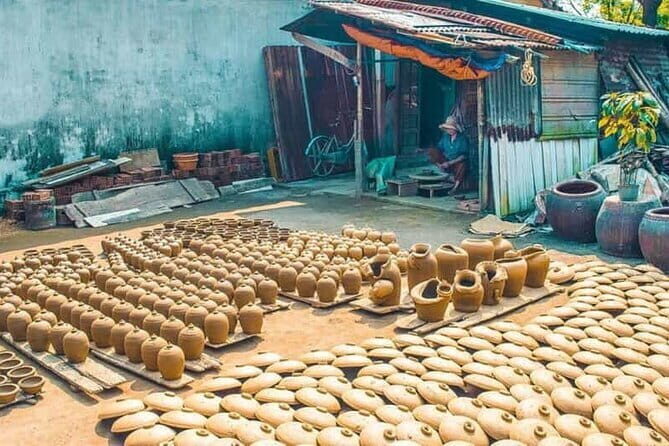
Thanh Ha Pottery Village is close enough to Hoi An to feel convenient, but it still gives you that slower, quieter change of pace. Instead of a big factory or a glossy studio, this is pottery as a household craft—something passed along and kept alive generation after generation.
What makes it interesting is how practical the whole setup feels. Villagers make everyday-looking pieces like cups, jars, bowls, and pots. That matters because you’re not learning to create a perfect museum object. You’re learning the logic of clay: how it responds when you shape it, how you treat it as it dries, and how decoration turns something simple into something personal.
This experience is also designed for people who want a hands-on taste, not a long course. In about an hour, you get welcomed, you make something, you paint it, and you leave with a souvenir—plus a little extra gift.
You can also read our reviews of more tours and experiences in Hoi An.



Price and what you really get for $10 in Hoi An
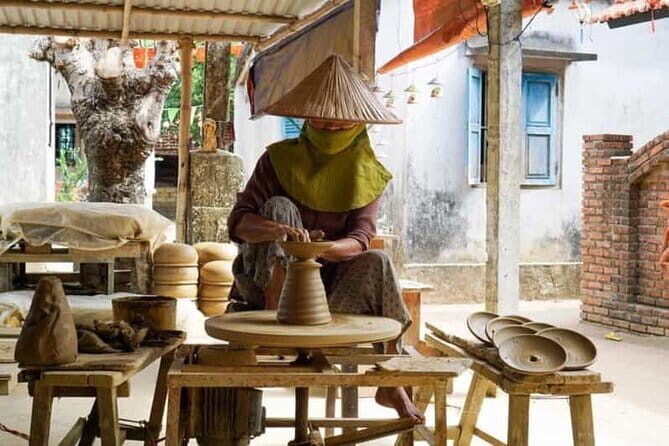
At $10 per person, this is one of those prices that feels almost too low for the amount of interaction you get. You’re not just watching someone else work. You join the process: choosing clay, making the pottery form, and finishing with painting and decorating.
The value comes from the combination:
- A local instructor and hands-on guidance
- A pottery souvenir made by you to take home
- A small ceramics gift on top of that
Also, the group is capped at 10 travelers, which typically means less waiting and more time with the person teaching you. When a workshop is crowded, you can feel like a spectator. Here, the structure is more like a short family lesson with visitors.
One trade-off: because it’s only about an hour total, it’s not a deep technical course. You’ll learn enough to feel confident finishing a small project, but not enough to become a potter overnight.
From Nguyễn Sáu’s workshop to your first pinch of clay
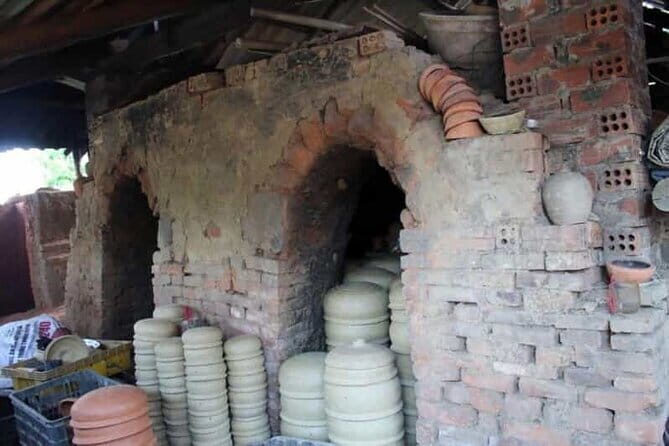
Your day starts back at the meeting point: Cơ sở trải nghiệm gốm Nguyễn Sáu (Nguyen Sau pottery village), Phạm Phán, Thanh Hà, Tp. Hội An. It’s a mobile-ticket experience, so you don’t have to fuss with printed paperwork.
From there, you’ll get welcomed into the craftsman’s home/workshop and given a quick look at local pottery products. This part is more useful than it sounds. Seeing finished (and in-progress) ceramics helps you understand the choices you’ll be making—what shapes are possible, how pieces are finished, and what kinds of decoration look best on small items.
Then you’re in the class. The instructor guides you through the steps at a pace that works for mixed experience levels. Most travelers can participate, and the setup feels beginner-friendly: you’re learning a process, not being judged on symmetry.
If you want a souvenir that looks different from everyone else’s, pay attention during the early shaping and finishing stages. That’s where the handmade character shows up—especially because they shape without molds.
20 minutes of technique: choosing clay, making, drying, trimming
The pottery-making class is around 20 minutes, and it’s the core of the experience. In that time, the instructor walks you through the key stages, including:
- Choosing the clay
- Picking a pottery-making technique
- Making the pottery
- Drying
- Trimming
- Painting and decorating (this finishes the look)
Even if you’re not a craft person, you’ll notice the logic right away: clay needs time, and the shaping has to match the decoration you want later. Drying and trimming are also where you can see the craft behind the scenes. It’s not just “make and paint.” It’s make, adjust, and prepare.
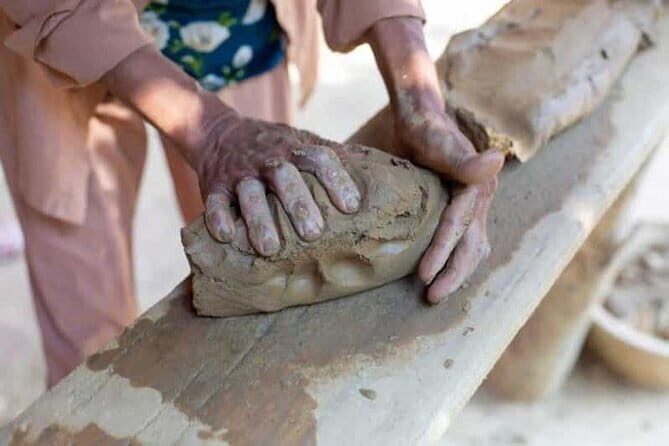
Something I appreciate about the way this workshop is described is that the artisans here use hand shaping and a foot pedal—and they don’t use molds. That means your form can be unique, even if you choose a similar shape. For you, that’s a big win because it lowers the pressure to get everything exact. The final souvenir isn’t a template print. It’s yours.
Painting and decorating your pottery souvenir
Once the form is set, the fun part turns visual: painting and decorating. This is where your personality gets to show. You can try new shapes and designs for fun, and the result tends to look more handmade than standard shop ceramics.
The experience is set up so you’re not left with a half-finished item. You receive a pottery souvenir made by yourself to take home, plus a small gift. In other words, you get to complete the arc: create, decorate, and go home with something real.
From the experience style and what people describe afterward, many people end up making small items like a vase or bowl—and in some cases little novelty pieces (like a turtle whistle). You won’t want to assume any specific shape every time, but you can expect to have options based on what the workshop supports and what you choose during the session.
Practical note: your painting and decoration decisions matter for the final look. If you tend to rush, slow down for the details. Even simple choices—where you place color, how you space designs—make the piece feel more personal.





Visiting Xuan My Communal House and Nam Dieu Temple on your own
After the workshop, you’ll have time to go out and explore on your own. Two named stops are included in the experience plan:
- Xuan My Communal House
- Nam Dieu Temple (linked to the pottery founders)
This part of the day is quietly smart. The pottery class gives you hands-on craft skills. The temple and communal house stops add context—why pottery matters here and how it connects to the people who lived and worked in the village long before you arrived.
Because this is self-guided, you can pace yourself. If you like short museum-style stops, you’ll probably enjoy popping in and taking your time. If you prefer photos and light wandering, you can also keep it casual and just absorb the atmosphere.
No pressure here. The key value is that you’re not rushing directly from a craft activity into another city stop. You’re given a gentle transition from making to understanding.
Why the no-mold pottery method makes your souvenir more interesting
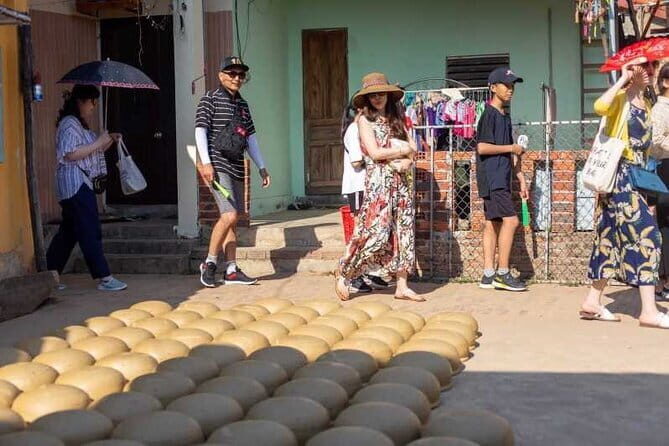
A lot of pottery experiences use molds to guarantee a consistent shape. Thanh Ha is different. They shape pieces by hand and with a foot pedal, without molds. That approach is one reason the workshop feels authentic and why your finished piece won’t look like a factory clone.
For you as a participant, this has two benefits:
- Less pressure on perfection: your item can be slightly different and still be correct.
- More visible craftsmanship: trimming and finishing become part of the identity of the piece, not just preparation for mass production.
Handmade, no-mold ceramics often look more alive. Even when the shape is small and simple, you can see the decisions made during shaping and how decoration interacts with uneven surfaces. That’s what makes a takeaway souvenir feel like a memory instead of a purchase.
Practical tips for a smoother, less messy pottery session
This is a short class, so preparation is mainly about comfort and not stressing over the clay.
Wear something you’re okay getting slightly dirty. Even if they keep things tidy, clay and paint can be messy, and you’ll be happier if you don’t worry about it.
Also plan to protect your time and energy. You only have about an hour total, so treat the pottery-making block like the priority. If you want the best souvenir, focus during the first stages of shaping, then commit to your decoration choices when the painting part starts.
Soft drinks aren’t included, so if you know you’ll want a drink, bring water. It’s an easy fix that prevents the common mid-tour headache of feeling thirsty while you’re trying to concentrate.
Finally, since the workshop ends back at the meeting point, you don’t need complicated transport planning for the activity itself. Just be ready to return and wrap up your day.
Should you book this Thanh Ha pottery-making experience?
I think you should book it if you want a hands-on cultural moment that stays friendly, short, and affordable. For $10, you’re getting an instructor-led workshop, a completed piece you made yourself, and a little gift—plus a chance to see related village sites like the Xuan My Communal House and Nam Dieu Temple.
You might skip it if you’re looking for a longer, more technical ceramics course. This is a taste of the craft, not a full training program. Still, for most people visiting Hoi An, that’s exactly the point: a meaningful activity you can fit into a normal day.
If you book, go in with one mindset: you’re not trying to copy a perfect shape. You’re trying to learn the process and leave with something that feels unmistakably handmade.
FAQ
How long does the pottery making experience last?
The activity is about 1 hour (approx.), with the pottery making class itself lasting around 20 minutes.
How much does it cost?
It costs $10.00 per person.
Where does the activity start and end?
It starts at Cơ sở trải nghiệm gốm Nguyễn Sáu (Nguyen Sau pottery village), Phạm Phán, Thanh Hà, Tp. Hội An, Quảng Nam, Vietnam, and it ends back at the meeting point.
What will I make and take home?
You’ll join the pottery making class and receive a pottery souvenir made by yourself to take home, plus a little ceramics gift.
Are soft drinks included?
No. Soft drinks are not included.
Is free cancellation available?
Yes. You can cancel for a full refund up to 24 hours in advance of the experience start time. Within 24 hours, there is no refund.