REVIEW · HOI AN
Hoi An : Vietnamese Cooking Class with Hotel Pickup
Book on GetYourGuide →Operated by Vietnam Orange Tours · Bookable on GetYourGuide
Coconut village cooking beats a buffet any day. This class takes you to Cam Thanh Coconut Village and puts you on the stove with an English-speaking chef, not just watching from the sidelines. I like that the focus is practical, hands-on Vietnamese home-style cooking, including the Hoi An rice pancake.
The best perk for most people is hotel pickup and drop-off, which keeps the morning smooth. One possible drawback to keep in mind: class pacing can vary by session, and some schedules can feel a bit rushed, so you’ll want to pick timing that gives you enough time to actually cook.
In This Review
- Key Points to Know Before You Go
- Why Cam Thanh Coconut Village Cooking Feels Different
- From Hotel Pickup to the Restaurant Pause
- Meet the Chef: Step-by-Step Teaching in English
- The Four Dishes You’ll Cook (and What to Watch For)
- Hoi An Rice Pancake
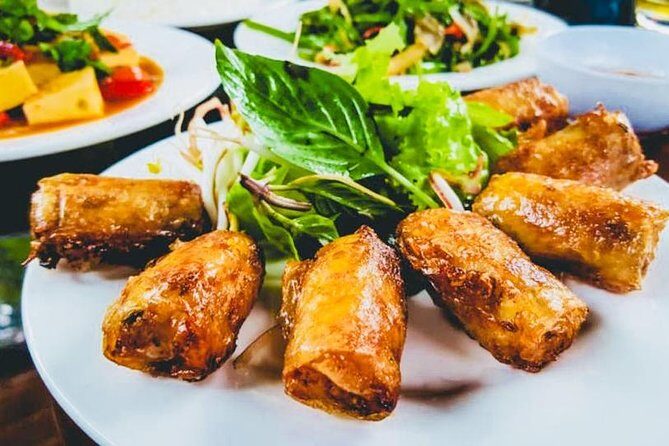
- Hoi An Spring Rolls
- Papaya Salad
- Cao Lầu or Fish in Clay Pot
- How Much You Actually Cook vs. Watch
- The Meal and the Chat: Why Group Cooking Works
- Value: Is This $24 Good Use of Your Time?
- Practical Tips: What to Bring and How to Prepare
- Who Should Book This Class (and Who Might Skip It)
- Should You Book This Hoi An Vietnamese Cooking Class?
- FAQ
- How long is the Hoi An Vietnamese cooking class with hotel pickup?
- What dishes will I cook during the class?
- Is the chef’s English good for non-speakers?
- Does the price include hotel pickup and drop-off?
- Is there a vegetarian or vegan option?
- Is the basket boat trip included?
- What should I bring or wear?
Key Points to Know Before You Go
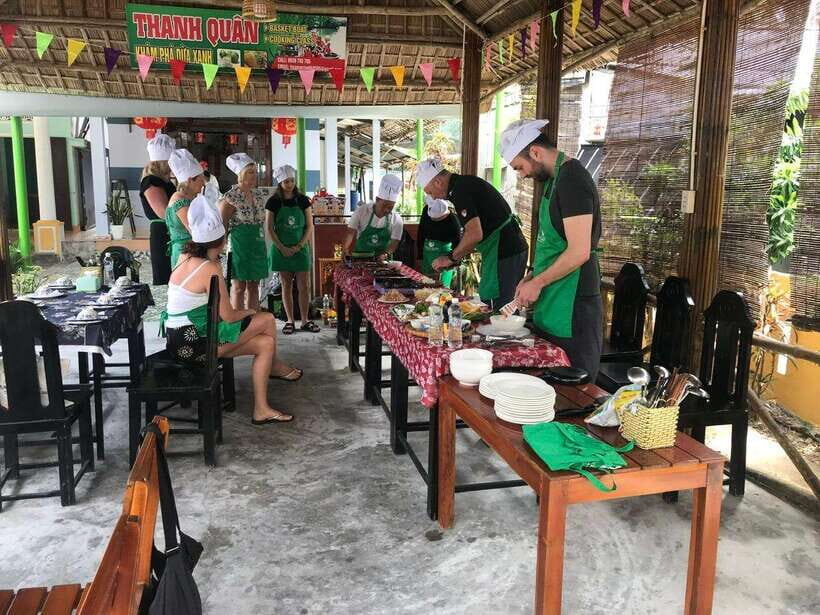
- Cam Thanh Coconut Village setting: You get the Hoi An countryside vibe before the lesson even starts.
- English-speaking chef instruction: Step-by-step guidance that works well if you’ve never cooked Vietnamese food before.
- Four dishes in one session: Expect Hoi An rice pancake, Hoi An spring rolls, plus papaya salad and either Cao Lầu or fish in clay pot.
- Welcome drink and a restaurant break: You land, sip something, and reset before the cooking really begins.
- Hotel pickup included: Less hassle, especially if you’re staying in Hoi An city center.
- Optional basket boat trip: Available as an add-on if you want the extra experience.
Why Cam Thanh Coconut Village Cooking Feels Different
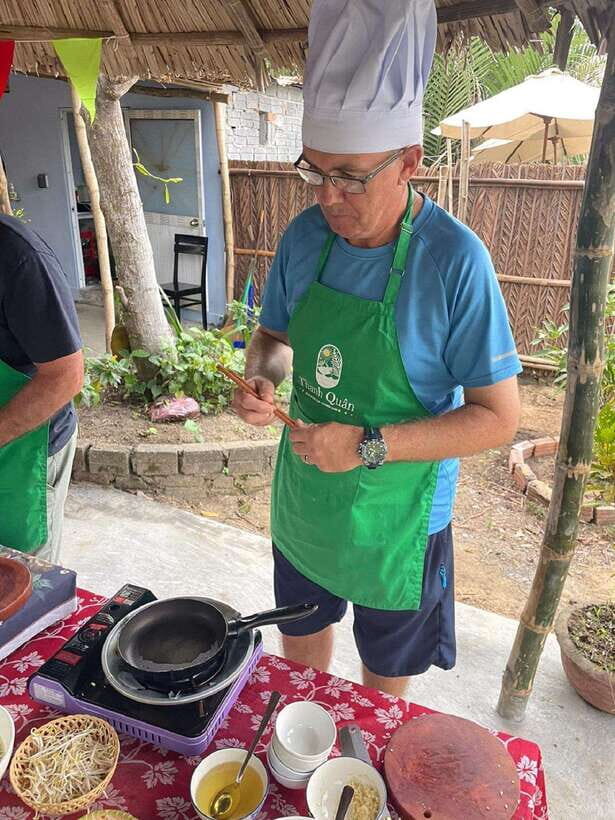
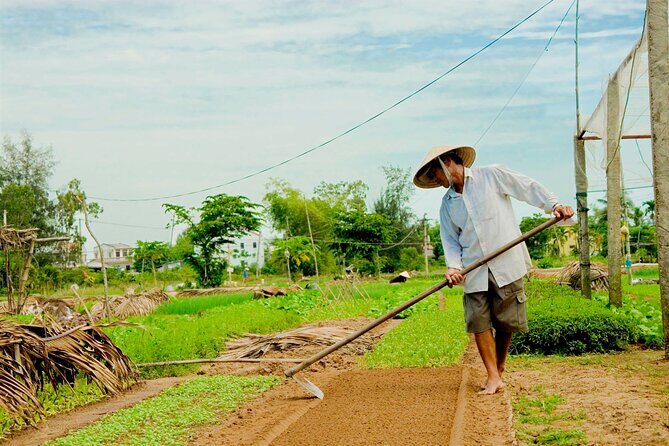
Hoi An has plenty of food tours, but this one starts in a place that feels more like the way locals spend time. Cam Thanh Coconut Village is a short trip out of town, and that change in scenery sets the tone. Instead of learning sauces in a city kitchen, you’re learning in a village setting where the ingredients and cooking rhythms feel grounded.
I also like that the class is built around classic, widely recognizable dishes. You’re not guessing what you’re doing, and you’re not leaving with food that tastes like it was designed for tourists. The menu hits Hoi An signatures and mainstream Vietnamese staples: rice pancake and spring rolls from Hoi An, then papaya salad, then either Cao Lầu or fish in clay pot depending on the session.
If you’re the type who wants to eat well and learn technique, this format usually works better than “watch and taste.” You get the chance to work through recipes with guidance, and you finish by eating what you made.
You can also read our reviews of more cooking classes in Hoi An
From Hotel Pickup to the Restaurant Pause
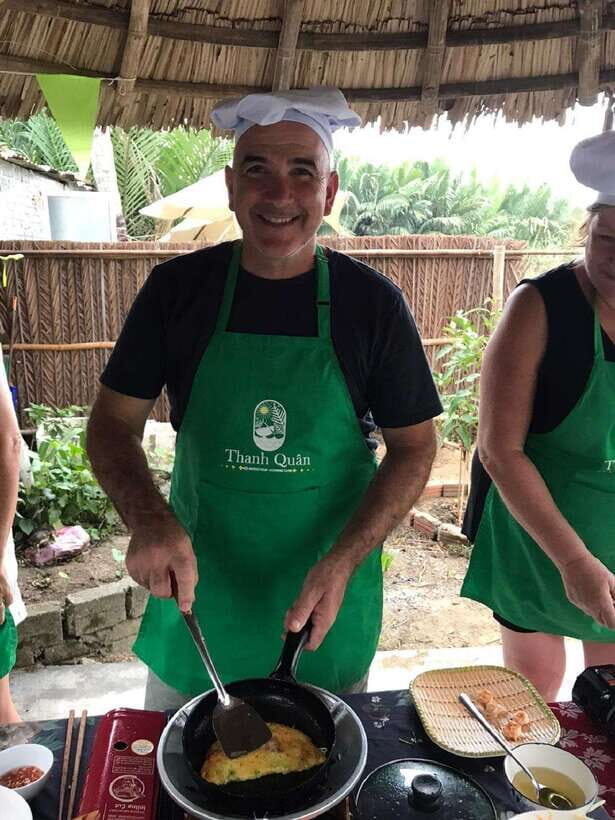
This experience is set up to be easy on your schedule. Pickup is available from your hotel in Hoi An city center, and you also get drop-off afterward. That matters because you’re not juggling taxis, waiting, and directions while your time window is ticking.
After pickup, you’ll transfer to the Cam Thanh coconut area and then head into the cooking portion. Before you get hands-on, there’s a welcome drink and time to rest at the restaurant. That pause is more useful than it sounds. Vietnam heat is real, and your concentration is better once you’ve cooled down a bit and settled in.
One practical note: the total duration is listed as 150–270 minutes. That range usually covers travel plus eating plus the lesson itself. So if you’re someone who cares a lot about active cooking time, you’ll want to choose the session that fits your day best and leaves room for a slower pace.
Meet the Chef: Step-by-Step Teaching in English
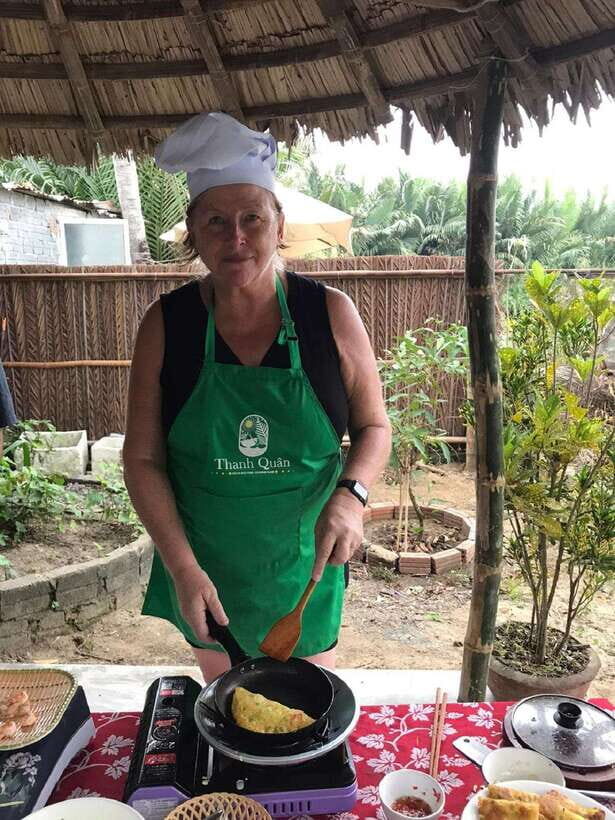
The class is guided by an English-speaking chef, and the teaching style is designed to be beginner-friendly. I like how the recipes are described as detailed and step-by-step. That’s the difference between a cooking class that feels like a mystery and one where you can actually replicate the dishes at home.
In past sessions, the chef Chef Hon has been singled out for keeping everyone on track. That’s a big deal in group classes, because cooking can go sideways fast when one step takes longer than expected. When the instructor stays on timing, you spend less time waiting and more time learning what each step is trying to accomplish—texture, folding technique, and seasoning balance.
You’ll also work with high-quality ingredients and included supplies, so you aren’t scrambling for tools you don’t have. If you bring the right mindset—pay attention, ask questions, and don’t be shy about getting your hands a little messy—you’re set.
The Four Dishes You’ll Cook (and What to Watch For)
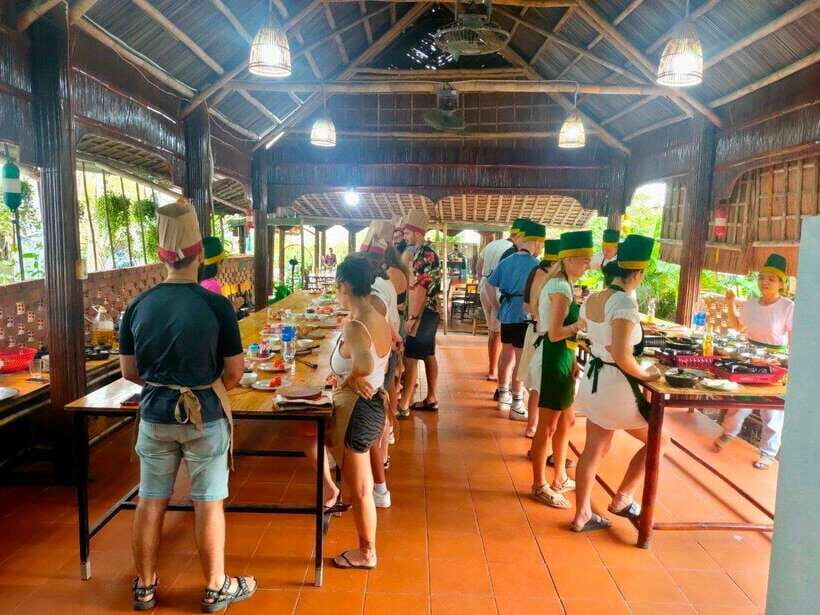
The heart of the class is cooking four local dishes. Here’s what to expect and where you’ll likely notice the biggest learning moments.
Hoi An Rice Pancake
The Hoi An rice pancake is a signature you’ll want to understand, because it’s the kind of dish that looks simple but depends on technique. You’ll follow the process step-by-step, and you’ll learn how batter and cooking timing work together for the right pliability and bite.
What to watch for: timing and heat management. If the heat is too aggressive, texture shifts quickly. If it’s too mild, you can end up with something less satisfying. The chef’s guidance helps you correct as you go.
You can also read our reviews of more tours and experiences in Hoi An


Hoi An Spring Rolls
Spring rolls are a great skill builder. Even if you’ve eaten them a hundred times, rolling and filling well is different from just biting into one.
What to watch for: consistency in how you spread filling and the way you seal the roll. You want the roll to hold together, not burst when you cook or eat.
Papaya Salad
Papaya salad brings the sour-sweet-salty balance Vietnamese cuisine is known for. It’s also one of the best dishes for learning seasoning because you can taste your way toward the right mix as ingredients come together.
What to watch for: how ingredients change as they’re mixed. For papaya salad, the dressing matters, and the balance between tang and sweetness tends to be where beginners either nail it or miss it.
Cao Lầu or Fish in Clay Pot
This final dish can be Cao Lầu or fish in clay pot, depending on what your session offers.
- Cao Lầu is a Hoi An classic, and it’s worth paying attention to because it reflects the local food identity.
- Fish in clay pot is comforting and hearty, and clay-pot cooking can teach you how heat holds and flavors develop.
What to watch for: you’ll likely notice how steaming and simmering affect aroma and texture. Even if you don’t remember every measurement later, the method will stick.
How Much You Actually Cook vs. Watch
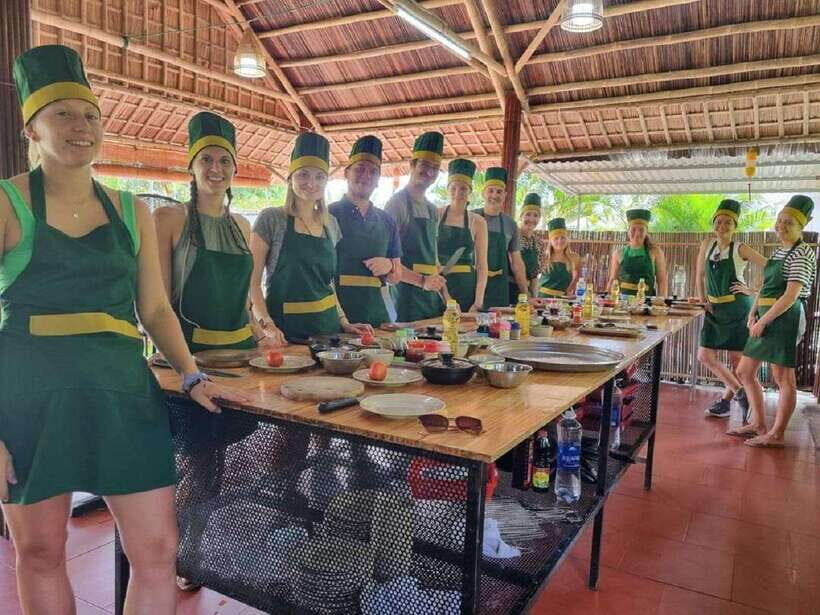
Cooking classes vary in how hands-on they really are. The structure here is meant to be active, but it’s smart to know that pacing can affect your experience.
The overall session is long enough to include pickup, a restaurant break, cooking instruction, and then eating. Still, some people have felt the cooking time was shorter than expected, with more observation than hands-on work. That can happen when groups are larger or when one step runs ahead of schedule.
So what should you do? Choose the timing that feels like it gives you the most breathing room. There’s also a pattern that sessions earlier in the day can feel tighter. If you’re choosing between start times, you’ll likely enjoy it more when the schedule feels less rushed and you can actually focus on rolling, mixing, and tasting without a countdown pressure.
If you want the most cooking for your money, come in with a simple plan: take notes on the key steps the chef repeats, and don’t wait for perfect conditions before you get involved.
The Meal and the Chat: Why Group Cooking Works
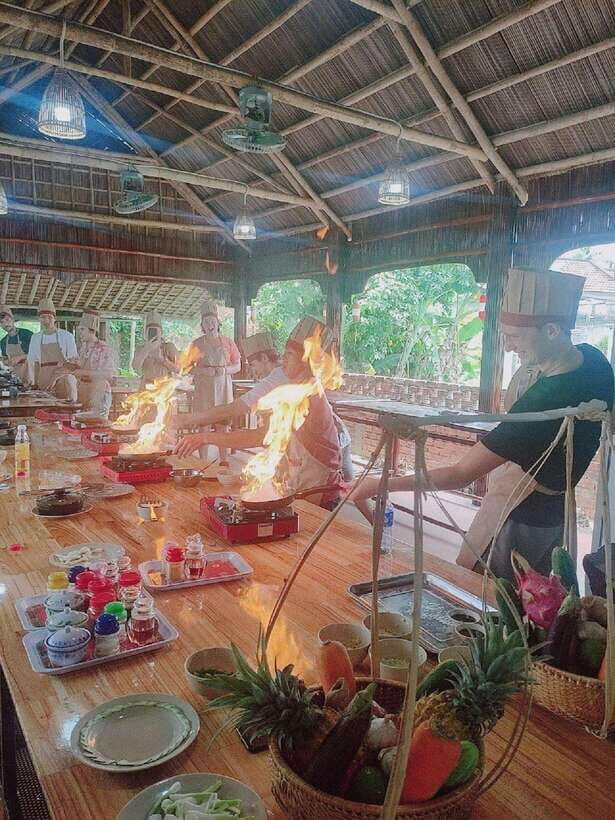
This isn’t just about leaving with recipes. You sit down and eat what you made, then chat with your group while sharing bites. That social part matters, because Vietnamese food is so much more enjoyable when you talk through what you’re tasting.
A meal like this also helps you learn fast. You can compare your result to others and notice what tweaks would improve flavor or texture. And because the class includes a full meal of prepared dishes, you won’t walk away hungry.
If you’re traveling solo, the food-sharing part is usually the easiest way to meet people without awkward small talk. If you’re with friends, it’s still a fun way to compare how different hands make the same dish.
Value: Is This $24 Good Use of Your Time?
At around $24 per person, this class can be strong value—especially because it includes the parts that normally cost extra on separate tours: hotel pickup/drop-off, an English-speaking chef, and all ingredients.
You’re also getting a full set of dishes, not just one demo dish plus a small tasting. Four dishes means you leave with variety, and the meal afterward turns the class into a true food experience, not a half-hour “activity” that ends before lunch.
Where value can wobble is in pacing and how much you personally cook. If your session runs in a way that feels more observational, you might feel the price is high for the time you spend making dishes. The flip side is that when instruction keeps you moving, the cost feels fair because the learning and meal are bundled together.
If you’re the type who learns best by doing, you’ll probably feel it’s worth it. If you mainly want to watch chefs work, you might prefer a different format.
Practical Tips: What to Bring and How to Prepare
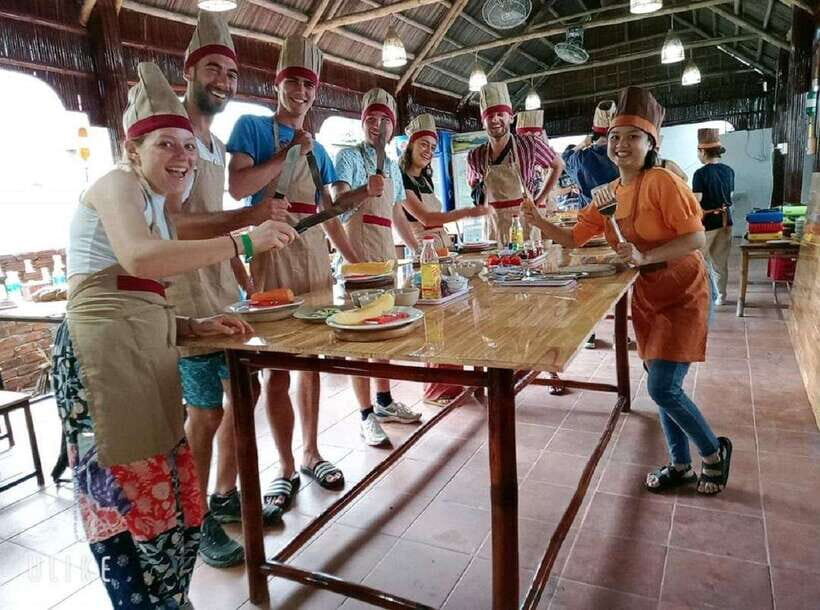
This is one of those tours where your packing list affects comfort and enjoyment.
Bring:
- Comfortable shoes (you may stand and move while cooking)
- Hat and sunscreen (Hoi An sun is no joke)
- Camera (the village setting and food prep photos are fun)
- Comfortable clothes suitable for cooking
Also consider:
- If you have food allergies or dietary restrictions, tell the provider in advance. The tour data states that you should inform them so they can handle it.
- There’s a vegan/vegetarian option available, which is good if you need a non-meat menu.
- Children under 3 are free, but they won’t participate in cooking and will share services with parents. For families, that’s helpful to know ahead of time.
Who Should Book This Class (and Who Might Skip It)
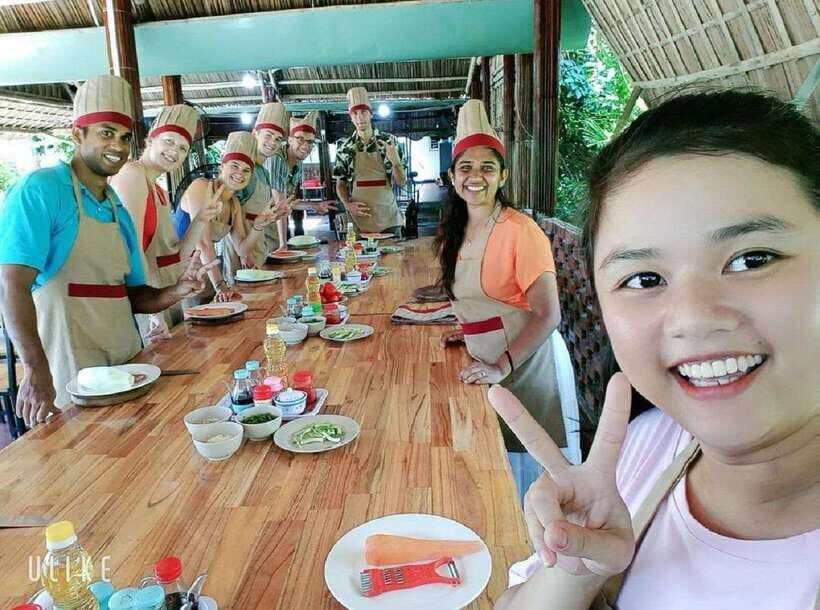
This cooking class is a great fit if:
- You want hands-on cooking with an English-speaking guide.
- You like Vietnamese classics and want to learn Hoi An specialties.
- You’re a beginner and prefer step-by-step instruction.
- You want a scheduled food experience that includes both teaching and a meal.
You might consider skipping or choosing carefully if:
- You’re sensitive to time pressure and want long, uninterrupted cooking blocks.
- You know you won’t enjoy group pacing and might feel frustrated if the session feels too fast.
If you’re already planning other Hoi An food stops, this class adds something different: technique. It’s not just tasting; it’s learning how the flavors are built.
Should You Book This Hoi An Vietnamese Cooking Class?
I’d book it if you want a smooth, beginner-friendly food lesson with real structure: hotel pickup, a calm start with a welcome drink, an English-speaking chef, and four dishes that you can actually eat afterward. The setting in Cam Thanh Coconut Village also gives it a sense of place beyond a typical kitchen studio.
But pick your session thoughtfully. If you care deeply about hands-on time, look for the start time that gives you a less rushed feeling in your day. And message ahead about dietary needs so the menu can be adjusted properly.
If that sounds like your kind of day, this is a solid way to turn Hoi An food memories into skills you can use later.
FAQ
How long is the Hoi An Vietnamese cooking class with hotel pickup?
The duration is listed as 150 to 270 minutes. Starting times can vary, so checking availability helps you pick the schedule that fits your day.
What dishes will I cook during the class?
You’ll cook four local dishes: Hoi An rice pancake, Hoi An spring rolls, papaya salad, and either Cao Lầu or fish in clay pot.
Is the chef’s English good for non-speakers?
The activity includes an English-speaking chef, with step-by-step instructions.
Does the price include hotel pickup and drop-off?
Yes. Hotel pickup and drop-off in Hoi An city center are included, and pickup is described as optional depending on where you are.
Is there a vegetarian or vegan option?
Yes. Vegan/vegetarian options are available. If you have allergies or dietary restrictions, you should inform the provider in advance.
Is the basket boat trip included?
The class includes a basket boat trip if the option is selected, so it isn’t guaranteed unless you choose it.
What should I bring or wear?
Wear comfortable clothes and shoes suitable for cooking. Bring a hat, sunscreen, and a camera if you want photos.