REVIEW · HOI AN
Hoi An: Traditional Cooking Class & meal w Cam Thanh Family
Book on GetYourGuide →Operated by Sky Travel · Bookable on GetYourGuide
Cooking with a local family beats cookbook class vibes.
This Hoi An experience is built around hands-on instruction and a meal you actually make, taught in English by a local chef. You’ll work through four popular dishes (pancake, spring rolls, papaya salad, and lemongrass chicken), with ingredients handled ahead of time so you can focus on technique and flavor. The one thing to watch is that it’s a small group around 10, so it’s friendly and social, but you won’t get one-on-one attention for every step.
The setting is also the draw: you start near Cam Thanh Coconut Village, then cook and eat in a rural, family-run feel instead of a hotel kitchen. If you’re sensitive to schedule changes, note that start/end times can shift a little, and on Vietnamese public holidays there’s a cash-only extra charge for booking.
In This Review
- Key Things I’d Actually Tell a Friend
- Hoi An Cooking in Cam Thanh: What Makes This Class Feel Local
- Pickup Timing and How the Two Daily Slots Work
- Welcome Tea and the Coconut Village Restaurant Reset
- The Hands-On Cooking Lesson: Chef Instruction in English
- Cooking 4 Dishes Without Feeling Overwhelmed
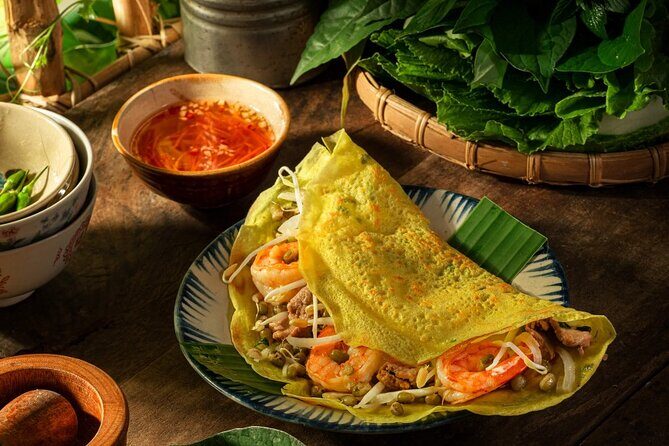
- Hoi An pancake
- Spring rolls
- Papaya salad
- Chicken with lemongrass
- Lunch or Dinner: Eating Your Work Like It Matters
- Price and Value: Is $23 Fair for What You Get?
- Who This Tour Fits Best (And Who Might Want Another Option)
- Practical Tips So You Get More From the Class
- Go hungry, but not frantic
- Plan for the full experience, not just the recipes
- If you need dietary changes, ask early
- Expect a group pace
- Bring your “make it again” mindset
- Should You Book This Hoi An Cooking Class with Cam Thanh Family Meal?
- FAQ
- What’s the duration of the Hoi An traditional cooking class experience?
- What dishes will I cook in the class?
- Is the class taught in English?
- What meal do I get after the cooking lesson?
- Are drinks included?
- Can the class accommodate vegan or vegetarian diets?
- Is wheelchair access available, and are pets allowed?
Key Things I’d Actually Tell a Friend
- You cook 4 Hoi An classics: pancake, spring rolls, papaya salad, and chicken with lemongrass
- Ingredients are prepped for you, so the class stays practical and hands-on
- You eat your own cooking plus side dishes right after the lesson
- Small group size (about 10) keeps the vibe social without turning chaotic
- English-speaking chef makes the steps easy to follow
- Vegan/vegetarian menu can be arranged if you request it ahead of time
Hoi An Cooking in Cam Thanh: What Makes This Class Feel Local
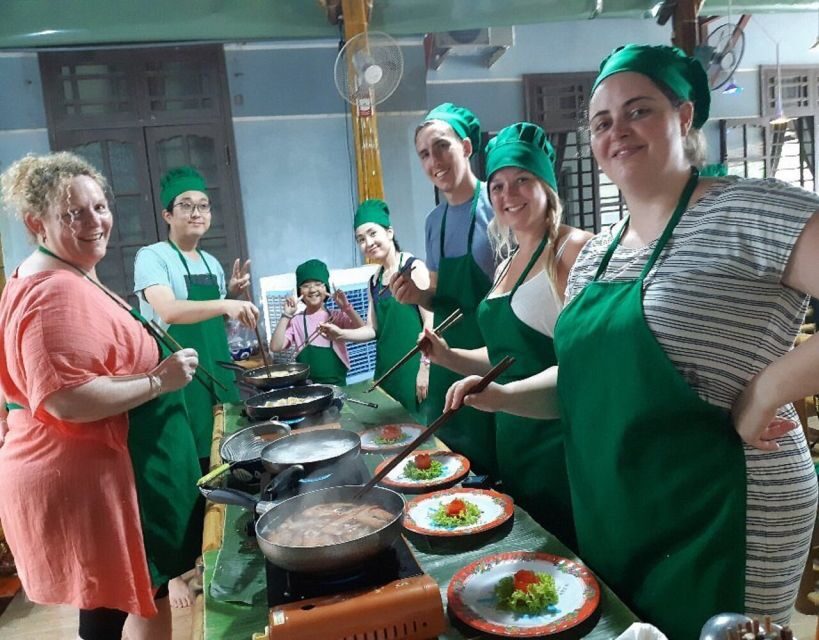
This is the kind of Hoi An cooking class where you’re not just learning recipes. You’re learning a rhythm. The experience is centered on Cam Thanh Coconut Village, which already signals that you’re heading beyond the souvenir-strip version of Vietnam.
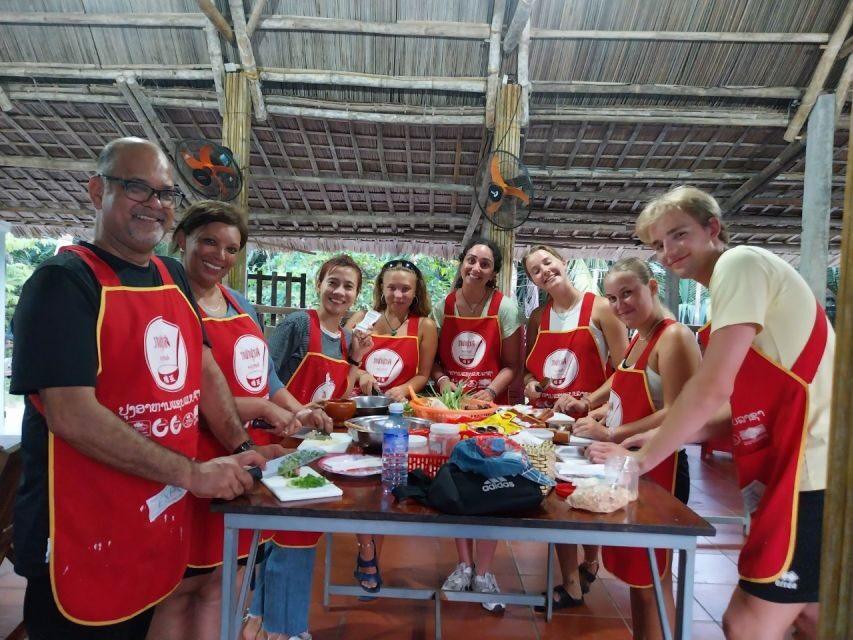
The biggest strength is that you don’t passively watch someone else cook. You join in. Ingredients are prepared in advance, then the chef teaches traditional methods for four dishes, and you cook your own portions during the class. That setup matters because cooking classes can either be super detailed or super slow; here, you get enough guidance to actually produce food you recognize and want to recreate later.
Another strong point: the class ends with you eating what you made. That’s not a small detail. It changes the whole experience from workshop to meal. You get immediate feedback on your results, plus you can adjust what you’d do differently next time you cook at home.
You can also read our reviews of more cooking classes in Hoi An
Pickup Timing and How the Two Daily Slots Work
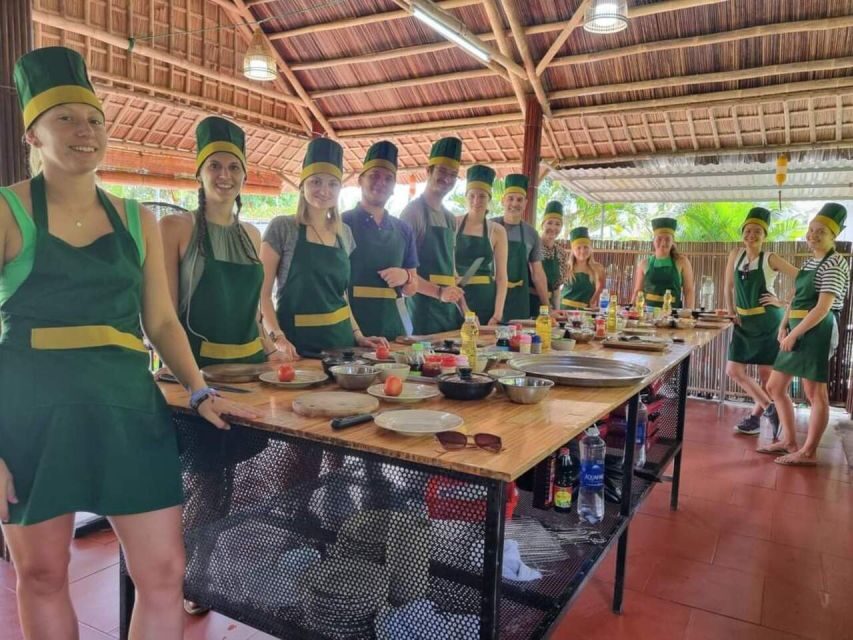
The experience runs on two timing options, which is helpful if you’re trying to fit it between other Hoi An plans.
- Morning slot pickup: 10:20 in the Cam Thanh Coconut Village area, then transfer to the cooking class
- Afternoon slot pickup: 16:20, with transfer to the cooking class
In both cases, you’ll be moving to the cooking location in/around the coconut village area, then the class itself runs for about a total 210 minutes, finishing around 13:30 (morning) or 19:30 (afternoon).
Two practical notes:
- Times can shift slightly. That’s normal with group logistics and village transfers, so I’d build in a small buffer.
- You’re booking a group experience, so pacing is planned for everyone, not for individual schedules.
If you hate arriving late, the morning slot tends to feel easier because the rest of your day opens up after lunch. The afternoon slot is great if you prefer starting with a late lunch or a slow afternoon, then turning dinner into a cooking victory.
Welcome Tea and the Coconut Village Restaurant Reset
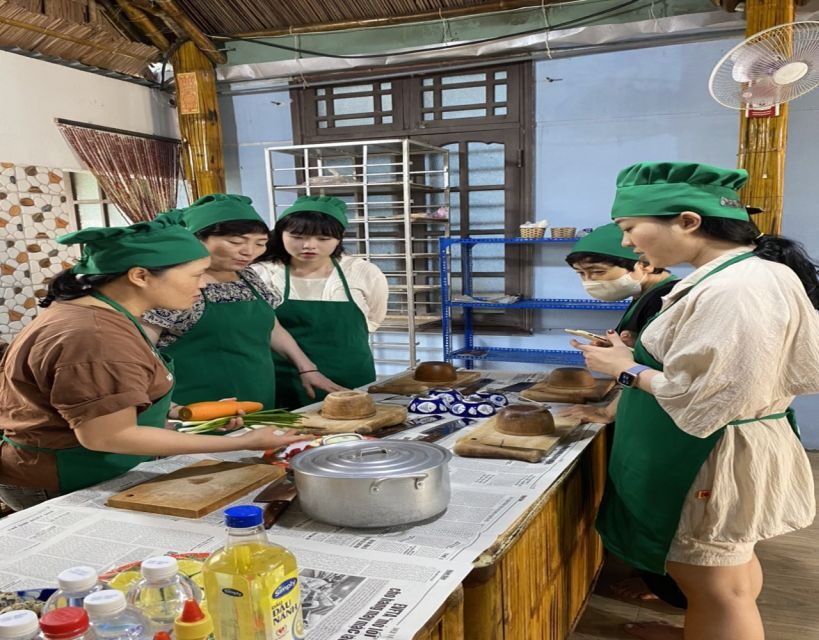
Before the cooking gets serious, you’re met at Hoi An Village Experience in Cam Thanh, Hoi An. You’ll also get a transfer to the cooking class area, then settle in with a welcome tea and a break at the restaurant.
This “pause” is worth appreciating. Cooking can be tiring if you’re hungry, hot, or rushed. A short rest helps you reset before you start chopping, mixing, and learning the steps for the four dishes. It also gives you a moment to see the setting: the coconut village atmosphere is part of why this tour feels different from a city classroom.
The tea and rest also make the experience work better for different travel styles. If you’re a planner, you’ll like the structure. If you’re more go-with-the-flow, you still get a clear sequence without feeling trapped in a rigid script.
The Hands-On Cooking Lesson: Chef Instruction in English
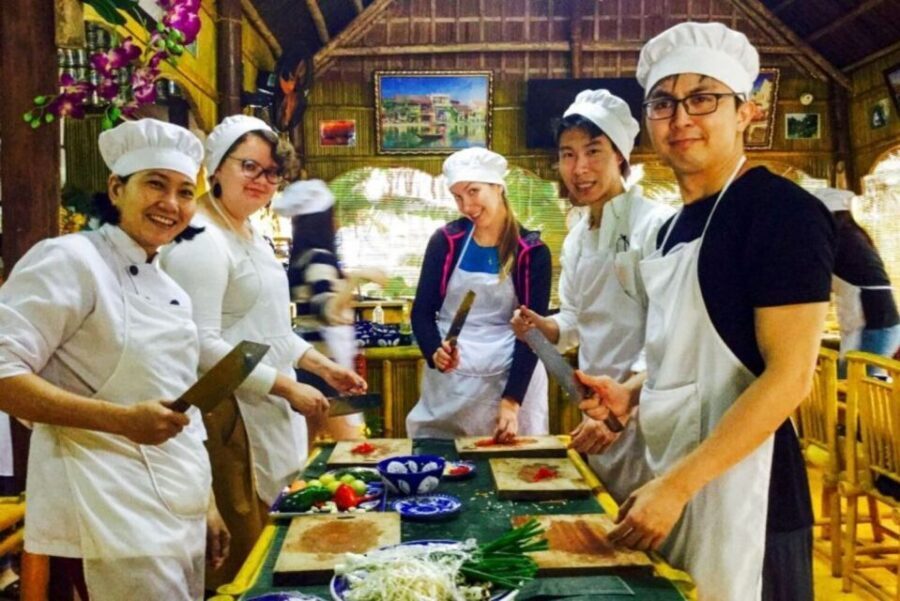
A local chef leads the class in English, and the lesson is designed for a group of about 10 participants. That group size matters because it usually keeps the room interactive. You can ask questions and get quick corrections without waiting your turn for long stretches.
The chef teaches traditional methods for four dishes:
- Hoi An pancake
- Vietnamese spring rolls
- Papaya salad
- Chicken with lemongrass
Even though ingredients are prepared ahead of time, you still get the real work: cooking your own dishes during the lesson. That’s where you learn. Watching a chef can be helpful, but it doesn’t train your hands. Doing the steps yourself is what makes the recipes usable later.
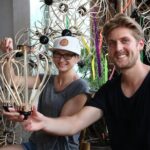
From what I’d call the “feel” of this class, the instruction also aims to keep things fun and comfortable. One guide name that comes up in real guest feedback is Nhung, noted as especially lively and upbeat. If your comfort zone is learning by doing (not by listening), this style fits well.
Cooking 4 Dishes Without Feeling Overwhelmed
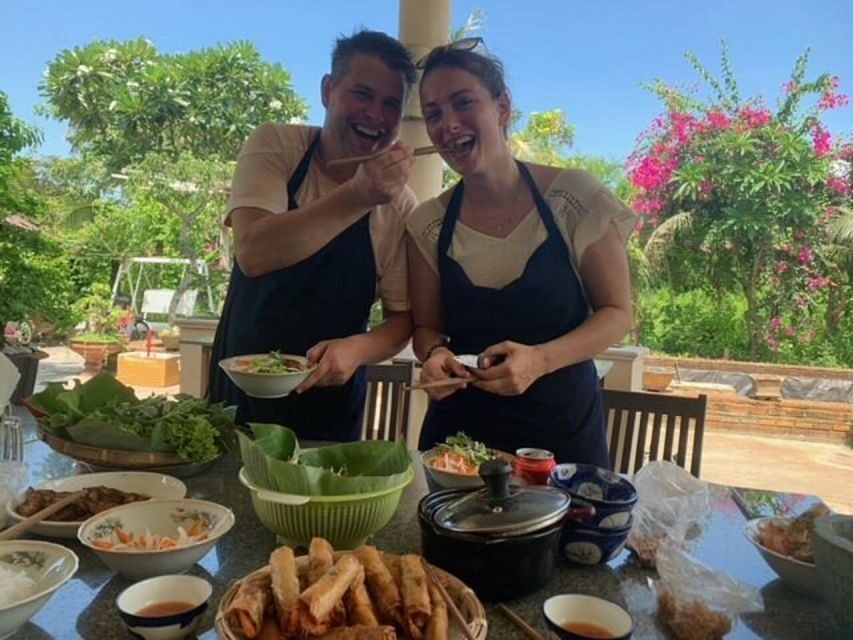
Let’s talk about why the four-dish lineup is a smart choice for a first-timer.
A lot of cooking classes overload you with too many dishes, so you leave with recipes you didn’t fully understand. Here, the class is focused. You learn four recognizable Hoi An favorites, and you practice core techniques you can reuse at home.
You can also read our reviews of more tours and experiences in Hoi An
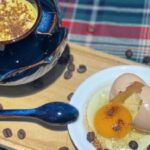


Hoi An pancake
This is a classic starting point because it teaches you how batter or base mixtures behave and how heat affects the final texture. You’ll get hands-on practice without needing complicated sourcing once you’re back home.
Spring rolls
Spring rolls are all about technique and consistency. You’ll be guided through the method, then you’ll do the steps yourself. For many people, this is the dish they’re most excited to reproduce later because it’s very doable with the right workflow.
Papaya salad
Papaya salad is the flavor test. It’s where balance matters, and it’s often what helps you understand why Vietnamese food tastes the way it does. You’ll learn how to assemble and combine the salad in the traditional way your chef teaches during class.
Chicken with lemongrass
This dish gives you a savory anchor. Lemongrass is a signature scent in Vietnamese cooking, so learning how it’s used here gives you a “flavor handle” you can keep in mind for future meals. It’s also a comforting option if you’re worried a class might lean too light.
Overall, the lineup hits sweet, savory, and fresh notes, so you finish with a meal that actually covers the range instead of tasting like one long workshop snack.
Lunch or Dinner: Eating Your Work Like It Matters
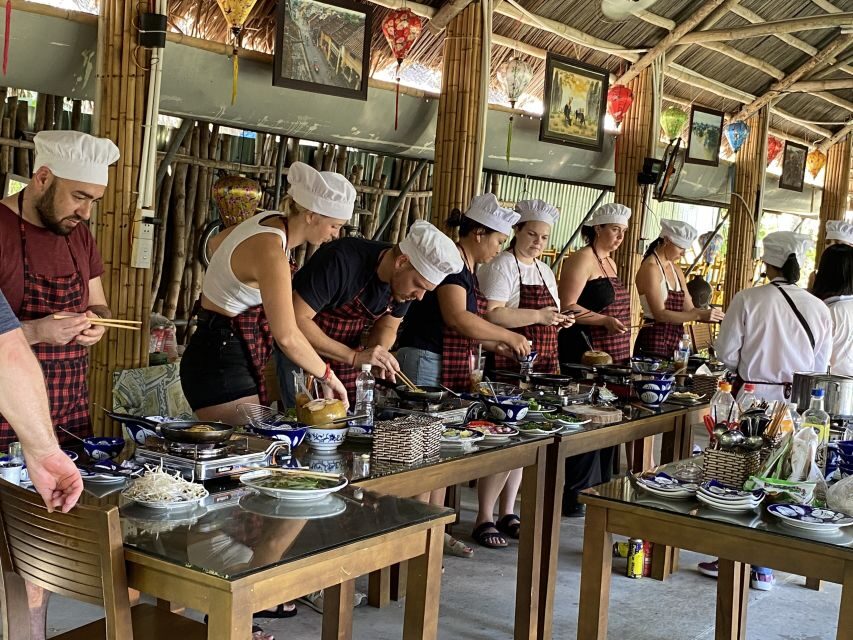
After the cooking lesson, you eat the meal you prepared, plus side dishes. This is a simple but important difference from classes where the food is basically a sampling plate.
When you cook and then sit down to eat what you made:
- you understand timing better (some things taste best right after cooking)
- you can spot what you did well and what you’d tweak
- you get the satisfaction of a full meal, not just the “achievement photo” moment
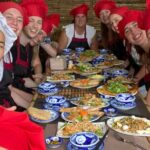
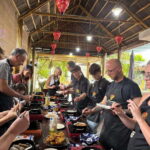
Also, this is where the family-style vibe shows up. The experience is designed to feel like you’re sharing a table, not like you’re rushing through a checklist. That social element is a big part of why guests often rate it highly.
One practical thing: the tour includes the meal, but drinks aren’t included. If you want something extra, you may find you can buy it on-site, and some people like adding a beer as a treat after class.
Price and Value: Is $23 Fair for What You Get?
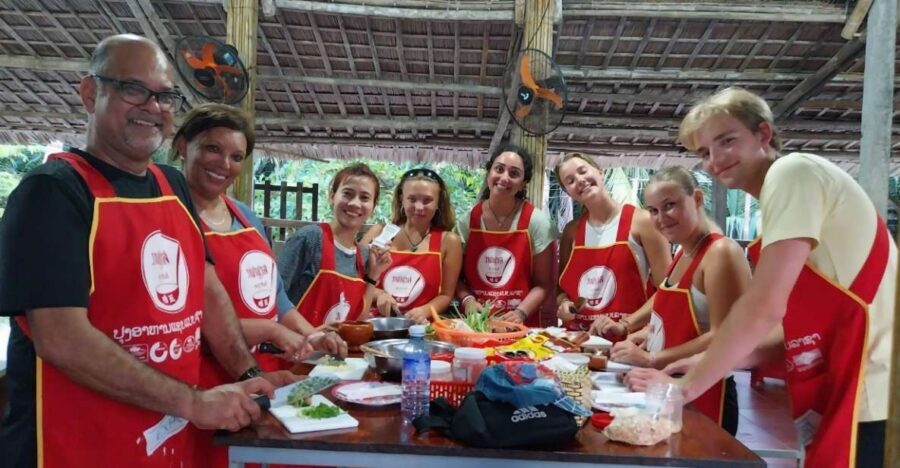
At $23 per person, this experience can feel like good value, especially because you’re not paying for instruction only. Your price covers:
- an English-speaking chef
- welcome tea
- all ingredients
- the meal you cook (lunch for the morning slot or dinner for the afternoon slot)
Cooking classes often charge heavily for the “teacher + kitchen + ingredients” package. Here, that structure is built in. The cost also reflects the small-group format, with around 10 participants, which keeps it interactive instead of turning into a fast-moving show.
Two cost considerations to keep in mind:
- On Vietnamese public holidays, there’s an extra cash charge of 200,000 VND for booking. Plan ahead if your dates land on one of those days.
- The menu can include vegan/vegetarian options if you request. If you need this, don’t wait until the last moment to ask.
Overall, if your goal is to leave Hoi An with usable recipes and a real meal experience, this price-to-content ratio is hard to beat.
Who This Tour Fits Best (And Who Might Want Another Option)
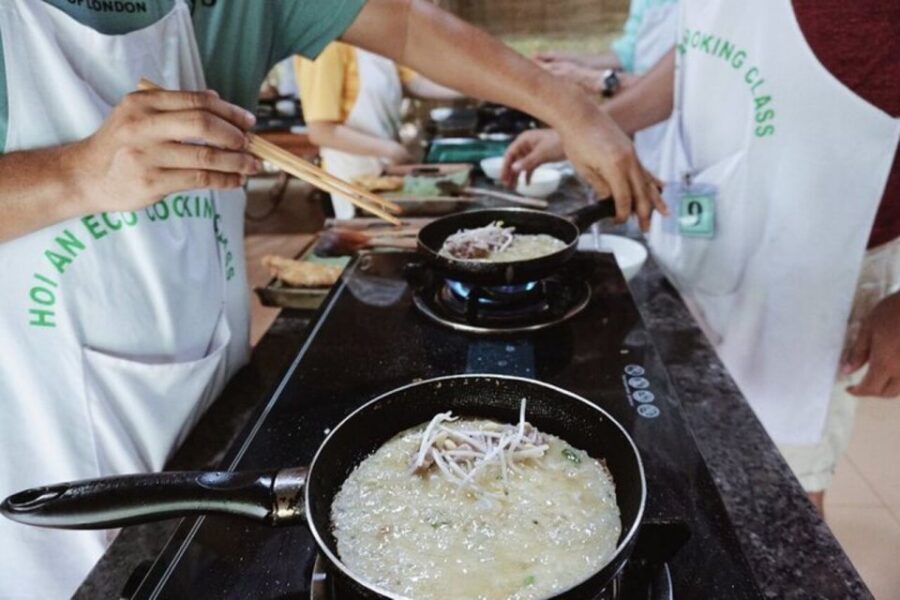
This class is ideal if you:
- want hands-on cooking, not just watching
- like a social, small group setting
- care about learning recipes you can cook later
- enjoy food that’s tied to specific regions and daily life
It also makes sense if you’re staying in Hoi An and want a break that feels connected to the countryside. Cam Thanh Coconut Village gives the “place” an actual role, not just a backdrop.
You might skip it if:
- you expect private, one-on-one coaching
- you need strict, no-change scheduling because times can shift a little in group settings
- you’re traveling with pets (pets aren’t allowed)
On the plus side, the experience is listed as wheelchair accessible, and the class runs as a small group.
Practical Tips So You Get More From the Class
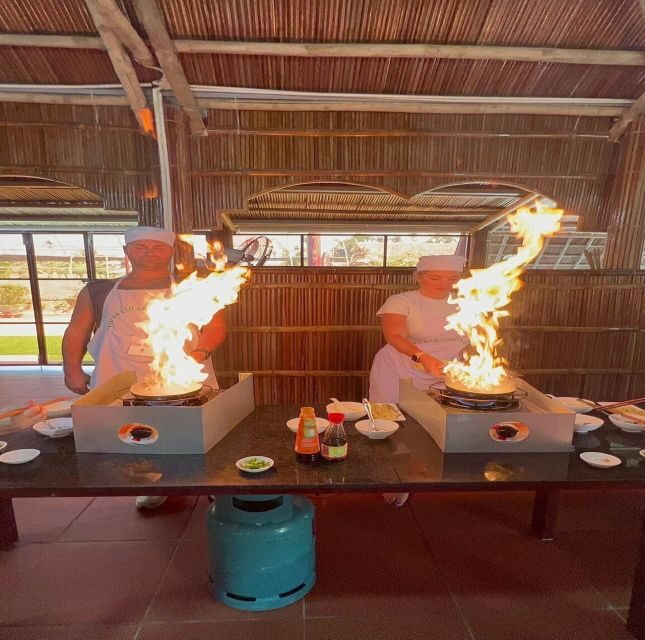
Here are the small things that help you enjoy the cooking more and stress less.
Go hungry, but not frantic
You’ll have welcome tea and time to settle before cooking. Still, come ready to eat. Cooking makes you hungry fast, and you’ll want to enjoy the meal afterward.
Plan for the full experience, not just the recipes
The meal is part of the package. If you have dinner reservations right after, you’ll probably be happier if you avoid a tight schedule.
If you need dietary changes, ask early
Vegan/vegetarian can be arranged if requested. Messaging ahead helps the chef plan the right menu.
Expect a group pace
With around 10 participants, the chef has to teach a flow that works for everyone. Stay engaged, ask questions when you can, and follow along even when you’re waiting your turn.
Bring your “make it again” mindset
Some guests highlight that they receive the recipes at the end, which is the difference between learning and actually remembering. Treat the recipes like your checklist for your next attempt at home.
Should You Book This Hoi An Cooking Class with Cam Thanh Family Meal?
If you want a cooking class that feels like you’re joining a real table, this is a strong choice. The combination of English-speaking chef instruction, four classic dishes, and eating your own results makes it more than a tourist demo.
Book it if you’re the type who learns best by doing and you want practical recipes you can recreate later. Consider other options if you want private coaching or you’re sensitive to slight schedule shifts.
If your dates fall on a Vietnamese public holiday, factor in the 200,000 VND cash extra charge. And if you eat plant-based, request a vegan/vegetarian menu ahead of time.
FAQ
What’s the duration of the Hoi An traditional cooking class experience?
The experience runs for about 210 minutes total, with the cooking lesson followed by the meal you prepare.
What dishes will I cook in the class?
You’ll cook four Hoi An dishes: pancake, spring rolls, papaya salad, and chicken with lemongrass.
Is the class taught in English?
Yes. The chef is English-speaking and the tour uses English for instruction.
What meal do I get after the cooking lesson?
After the lesson, you enjoy what you cooked along with side dishes. Lunch is included for the morning slot and dinner is included for the afternoon slot.
Are drinks included?
No. Drinks are not included in the tour price.
Can the class accommodate vegan or vegetarian diets?
A vegan/vegetarian menu can be arranged if you request it.
Is wheelchair access available, and are pets allowed?
The experience is listed as wheelchair accessible. Pets are not allowed.