REVIEW · HOI AN
Hoi An Local Market and Vegetable Village Cooking Class
Book on Viator →Operated by Hoi An Cooking Class · Bookable on Viator
Food lessons in the countryside.
What makes this half-day feel special is the farm-to-table flow—market to vegetables to cooking—and how hands-on the class is with Chef Hai teaching the why behind each step. You’ll also like that it stays focused: you don’t just watch, you cook. One heads-up: the experience depends on good weather, so plan to be flexible if the route or timing shifts.
This tour is built for real ingredients. You start with a local market stop to understand what goes into Vietnamese dishes (and how to talk to sellers). Then you head to Tra Que Vegetable Village, where you get a close look at how greens and herbs are grown. After that, you return for a cooking session where you make four Vietnamese dishes using traditional methods.
At $29 for about 4.5 hours, it’s also priced like an activity, not a luxury show. With a small group (up to 12), you should get enough attention to actually learn. If you’re hoping for a huge food festival, you might want a longer tour—this one is efficient, not sprawling.
In This Review
- Key highlights you’ll feel right away
- Hoi An Market in 20 minutes: herbs, sellers, and what matters
- Tra Que Vegetable Village: organic beds and herb lessons
- Cam Thanh reset: boat time, welcome drink, then cooking setup
- Chef Hai’s hands-on cooking: four dishes and the method behind them
- What you eat (and why it tastes better when you cook it)
- Price and time: is $29 good value in Hoi An?
- Practical tips to get more out of it
- Who this tour suits best
- Should you book it?
- FAQ
- How long is the Hoi An Local Market and Vegetable Village cooking class?
- What does the tour cost?
- Does the tour include pickup?
- How many dishes do you learn to cook?
- Is the group size small?
- Where does the tour go besides the cooking class?
- Are any tickets or admissions included?
- What happens if the weather is bad?
- Can I cancel for a full refund?
- Do I need to bring a printed ticket?
Key highlights you’ll feel right away
- Market first, so cooking makes sense (ingredients and herbs before the stove)
- Tra Que Vegetable Village for real organic growing practices
- Cam Thanh time before dinner prep, including a boat segment mentioned in reviews
- Chef Hai (and sometimes other chefs like Ly Hi) guiding the class and techniques
- Four dishes hands-on, and you won’t leave hungry
Hoi An Market in 20 minutes: herbs, sellers, and what matters
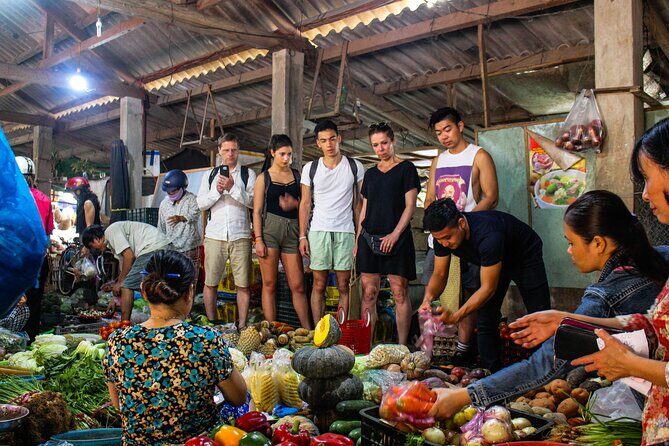
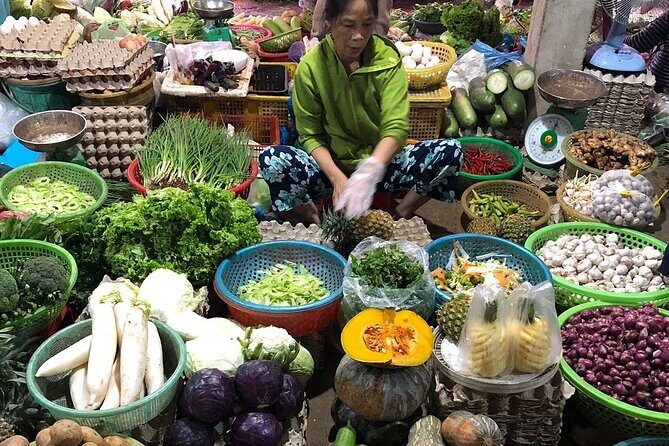
The day starts at Hoi An Market, and the best part is the time pressure. You only have about 20 minutes there, so it’s not a long wander. Instead, you’re nudged to notice the ingredients that shape Vietnamese cooking: herbs, vegetables, and the kinds of fresh add-ins that make flavors pop.
A big reason this market stop is useful is that it teaches context. The cooking class later won’t feel random. You’ll understand why certain herbs get used, and how their flavors work in dishes.
You may also have the chance to pick up a few items yourself—some reviews mention buying ingredients for the class. That’s great if you like repeating flavors at home, but keep it practical. Don’t overbuy. You’re not taking groceries across town; you’re grabbing a few key things you can actually use again.
What to consider: markets can be busy and a bit chaotic. If you don’t enjoy crowds, this is still doable—but expect sensory overload for those short 20 minutes.
You can also read our reviews of more shopping tours in Hoi An
Tra Que Vegetable Village: organic beds and herb lessons
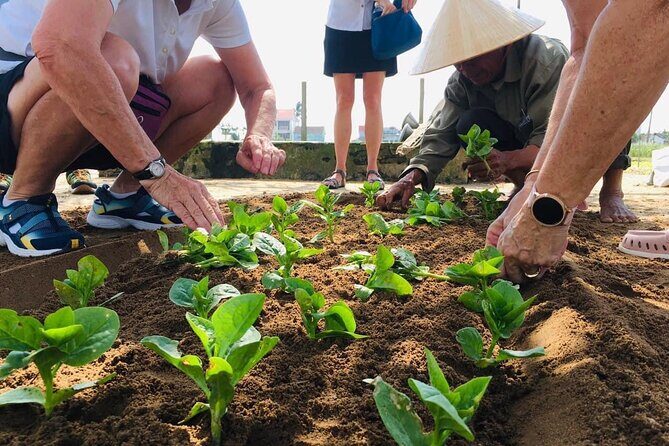
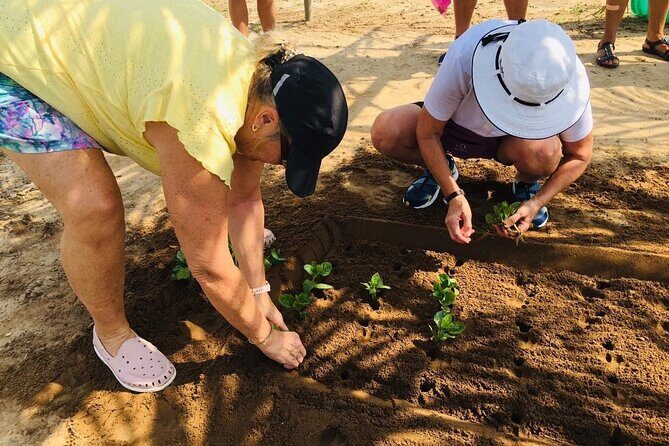
Next is Tra Que Vegetable Village, and this is where the tour shifts from city shopping to countryside food basics. You get about 30 minutes here, which is short, but the purpose is clear: you’re learning what’s growing and how farmers think about flavor.
In the reviews, people repeatedly highlight how eye-opening the herb knowledge is. You’re not just seeing green plants—you’re being introduced to the herbs Vietnamese cuisine relies on. The vegetables are described as looking fresh and vividly green, with strong taste, which is exactly what you want to connect back to the dishes you’ll cook later.
Why this stop matters for your cooking: Vietnamese food often depends on herb timing and combinations. If you understand what herbs are available locally (and what they’re like), you can cook with more confidence when you’re back home.
A possible drawback: 30 minutes goes fast. If you love gardening and want long photo time, you’ll likely want more time in the village than this tour gives.
Cam Thanh reset: boat time, welcome drink, then cooking setup
After the village visit, you head toward Cam Thanh and then back to the restaurant for a welcome drink and the cooking class. Reviews mention a boat segment using basket boats/coconut boats and talk about different fishing techniques. So even though the schedule reads like a single “Cam Thanh” block, in practice you should expect some fun time on the water.
This part does two helpful things:
1) It breaks up the day so you’re not stuck in learning mode the whole time.
2) It puts you in the rhythm of the countryside—before you go to the stove.
Then comes the reset: you get a drink, you settle in, and you shift from observing to doing. That’s important because once cooking starts, you want your energy.
What to keep in mind: weather can affect the boat portion. The tour is specifically noted as requiring good weather, so if rain hits, you may get changes. If you’re the type who hates schedule surprises, keep your expectations flexible.
Chef Hai’s hands-on cooking: four dishes and the method behind them
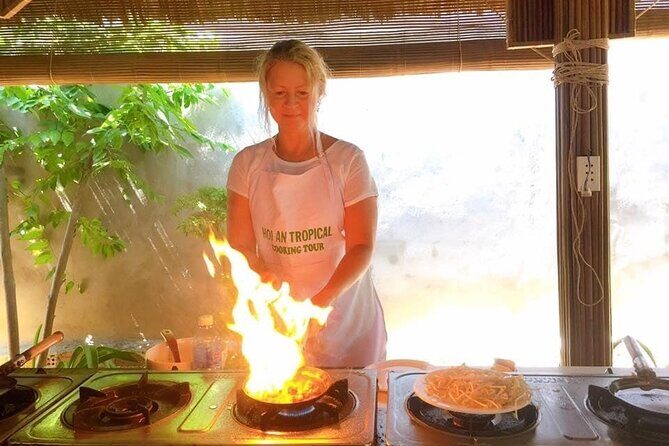
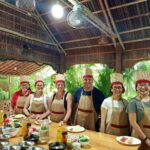
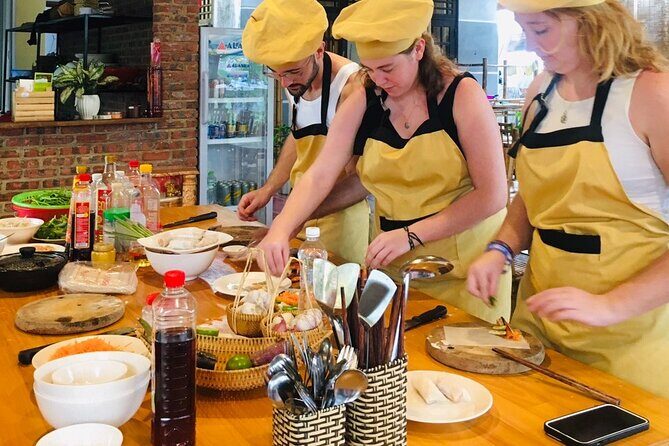
Now for the main event. At the restaurant, the chef teaches you traditional methods and the differences in ingredients as you cook four Vietnamese dishes. This is where the class earns its high marks.
The recurring praise is consistent: people say the chef explains things clearly, the class is fun, and the dishes are genuinely tasty—because you’re making them, not just watching. One review specifically calls out fundamentals of Vietnamese cooking, which is what you want from a short class. You should walk away understanding technique, not just copying recipes.
A useful detail: there’s instruction on ingredient differences. Vietnamese cooking isn’t only about what you add. It’s also about how you handle flavors—fresh herbs versus cooked components, different textures, and the order things go in.
Chef names can vary. Most descriptions credit Chef Hai, and one review mentions an instructor named Ly Hi. Either way, the lesson goal is the same: you learn how dishes work and you leave with practical know-how.
How you’ll likely experience the session:
- You start with an overview of key ingredients.
- You cook in steps with guidance.
- You taste what you’re making as you go (or soon after).
- You finish with a meal that feels like the point of the day, not an afterthought.
What you eat (and why it tastes better when you cook it)
This isn’t a “snack demo.” The class is described as so filling that people say they won’t leave hungry. That matters because cooking classes can be hit-or-miss: sometimes you end up with a few bites and a recipe sheet. Here, your work turns into an actual meal.
Also, the ingredients you saw earlier give you a flavor advantage. If you connected with the market and the vegetable village, your senses are already trained. By the time you cook, you know what herbs should smell like and what greens should look like. That makes your cooking feel more intuitive.
One of the most valuable takeaways: you’ll likely be better at reproducing Vietnamese flavors at home because you learned the method, not just the list. And yes, many people come away wanting to make the recipes again.
You can also read our reviews of more tours and experiences in Hoi An



Price and time: is $29 good value in Hoi An?
At $29 per person for roughly 4 hours 30 minutes, this lands in the “good value activity” category. Here’s why.
You get three distinct parts:
- A market stop that teaches ingredients and how sellers work
- A vegetable village visit focused on organic growing and herbs
- A hands-on cooking class with instruction and four dishes
When cooking classes are expensive, it’s usually because they’re mostly show-and-tell. This one seems to do the expensive part—the cooking with real coaching—without turning the day into a pricey spectacle.
Small group size (up to 12 travelers) also helps. In a larger class, your attention gets diluted. Here, the setup supports actual learning and better guidance while you cook.
The timing is another plus. 4.5 hours fits into a travel schedule without stealing an entire day. It’s the kind of activity that works well if you’re also planning Old Town wandering or beach time nearby.
Practical tips to get more out of it
Here’s how to make the day smoother and more rewarding:
- Bring a small bag for any purchases at the market. If you buy herbs or ingredients, you’ll want something secure.
- Wear comfortable shoes. Markets and village paths aren’t made for slippery sandals.
- Use sunscreen and light layers. You’re outdoors early, then indoors for cooking.
- Ask questions while cooking. The best learning happens when you clarify ingredient choices and timing on the spot.
- Don’t over-plan photos. You’ll be busy learning. Focus on the herb and vegetable details that connect to the dishes.
Who this tour suits best
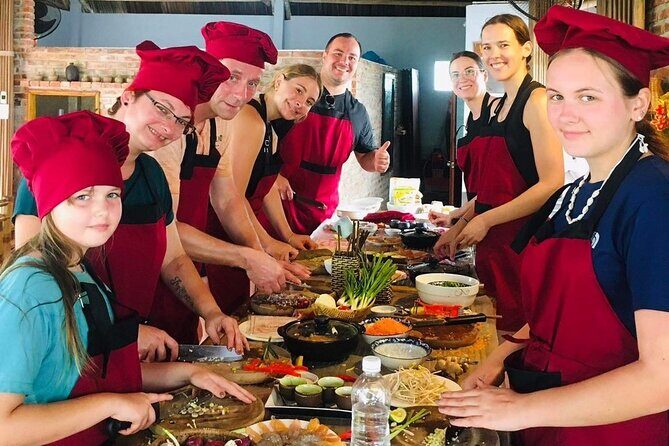
This experience fits best if you want:
- Hands-on Vietnamese cooking with real ingredient context
- A short day that still includes countryside food culture
- A small-group setting where you can ask for guidance
- A blend of market education and practical cooking skills
It’s also a smart choice for food lovers who don’t want a huge tour bus day. The structure keeps you moving, but not rushed in a stressful way—more like efficient.
Who might consider a different option: if you want lots of leisurely sightseeing time at the vegetable village or a longer, deeper countryside tour, you may find the stops are a bit short. This one is intentionally focused.
Should you book it?
I think you should book this if you’re the kind of traveler who wants to leave with usable skills. The market + Tra Que vegetable village pairing makes the cooking class feel grounded in real ingredients, and the consistent praise for Chef Hai (and sometimes Ly Hi) points to good instruction, not just a meal.
Book it especially if you’re aiming to:
- learn the basics of Vietnamese cooking techniques
- cook four dishes yourself
- enjoy a half-day that mixes local culture with a satisfying end result
If weather is uncertain on your dates, keep an eye on the forecast and be ready for a possible change in plan. With that small caveat, this looks like a solid Hoi An value.
FAQ
How long is the Hoi An Local Market and Vegetable Village cooking class?
It runs for about 4 hours 30 minutes (approx.).
What does the tour cost?
The price is $29.00 per person.
Does the tour include pickup?
Pickup is offered.
How many dishes do you learn to cook?
You cook 4 Vietnamese dishes as part of the class.
Is the group size small?
Yes. The tour has a maximum of 12 travelers.
Where does the tour go besides the cooking class?
You visit Hoi An Market and Tra Que Vegetable Village, and you also stop at Cam Thanh.
Are any tickets or admissions included?
Admission tickets are included for the market stop and the vegetable village stop.
What happens if the weather is bad?
The experience requires good weather. If it’s canceled due to poor weather, you’ll be offered a different date or a full refund.
Can I cancel for a full refund?
Yes. You can cancel up to 24 hours in advance for a full refund. If you cancel less than 24 hours before the start time, the amount isn’t refunded.
Do I need to bring a printed ticket?
No. The tour uses a mobile ticket, and confirmation is received at booking.