REVIEW · HOI AN
Hoi An: Evening Cooking Class with Locals in Herbs Village
Book on GetYourGuide →Operated by Sky Travel · Bookable on GetYourGuide
Four dishes, one herb village night draws you in. I like the way this class teaches traditional Vietnamese cooking methods while you’re actually working at your station, not watching from the sidelines. I also like that you get to enjoy the Tra Que Herb Village atmosphere along with a welcome drink. The main downside? The meeting point inside the village can be slightly hard to find at first.
This is built for easy follow-along learning. In a small group limited to 10, an English-speaking guide leads you, and friendly assistants help by pre-portioning some ingredients so you can focus on assembly and technique. One guide named Trang has stood out for being friendly and very accommodating if you tell them your food needs ahead of time.
You’ll cook for about 3 hours, then sit down to eat what you made plus side dishes. The menu includes classics like Hoian spring rolls and Hoian pancake, but your exact dishes can shift based on ingredient availability, so it’s smart to book with a flexible mindset.
In This Review
- Key Highlights You’ll Care About
- Tra Que Herb Village at Night: Why the Setting Feels Different
- How the Class Works: Small Group, English Guide, and Four-Dish Stations
- Your Evening Menu: Tra Que Vegetables, Spring Rolls, Pancake, and Morning Glory
- The 18:00 Plan: What Happens From Arrival to Dinner
- Why Cooking-Then-Eating Beats a Food Tour Shortcut
- Price and Value: Is $27 Worth It?
- Logistics That Can Make or Break Your Evening
- Who Should Book This Hoi An Evening Cooking Class
- Should You Book Sky Travel’s Tra Que Evening Cooking Class?
- FAQ
- What time does the evening cooking class run?
- How many dishes will I cook?
- What’s included in the class price?
- Is there a vegetarian or vegan menu?
- Where is the meeting point?
- Do they pick you up from your hotel?
- Is there a public holiday surcharge?
- Is there free cancellation?
Key Highlights You’ll Care About
- Tra Que Herb Village location: You’re cooking with the herb-farming setting as the backdrop, not in a generic kitchen.
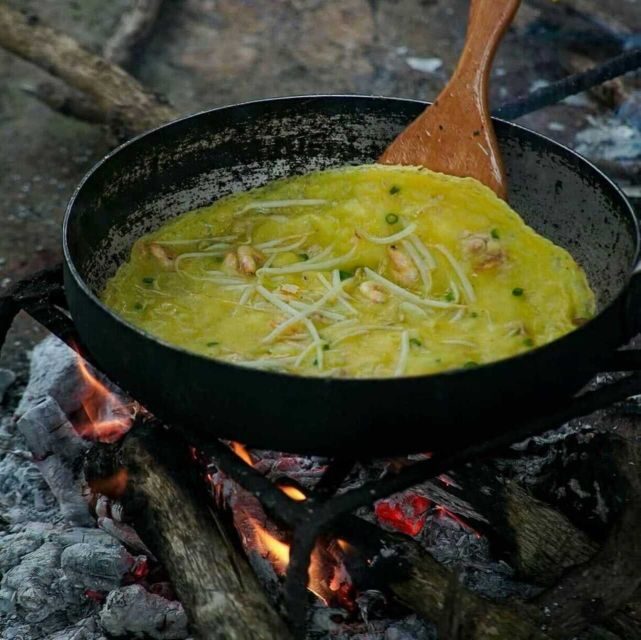
- Four dishes at your station: You’re not just tasting; you’re making full dishes with recipes in front of you.
- Ingredients pre-portioned for you: Assembly feels straightforward, even if you’re not a confident cook.
- Eat right after cooking: Your meal comes from your own hands, plus side dishes.
- English live guide with small-group pacing: Limited to 10 participants, so it’s easier to ask questions.
- Dietary options when you ask early: Vegetarian and vegan menu is available if you request it during booking.
Tra Que Herb Village at Night: Why the Setting Feels Different
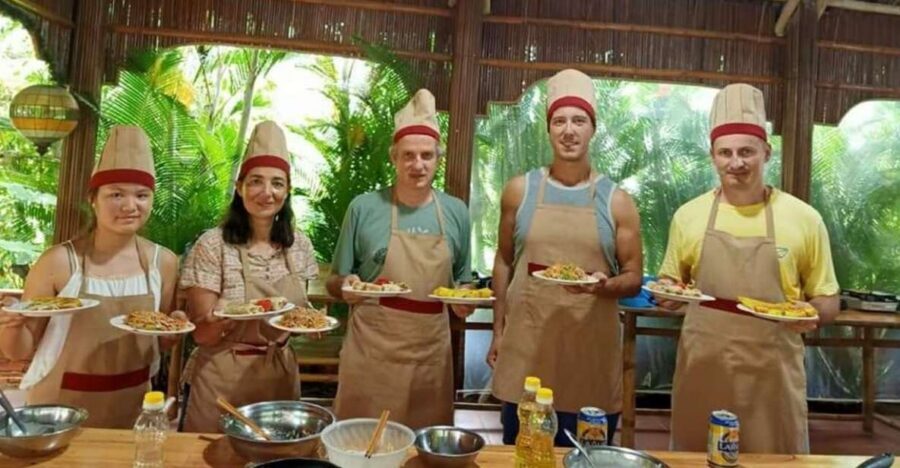
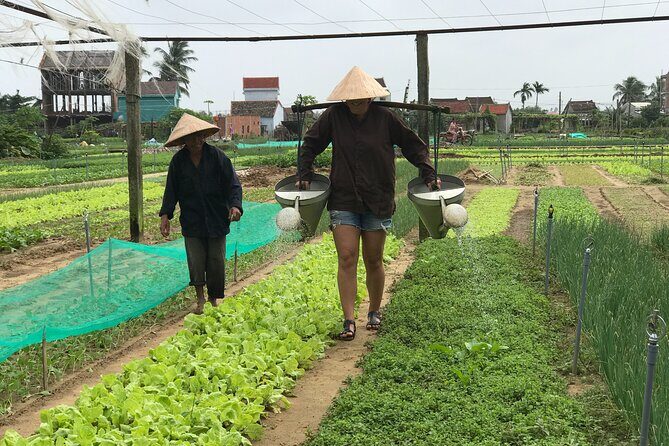
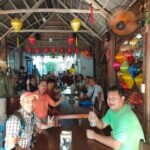
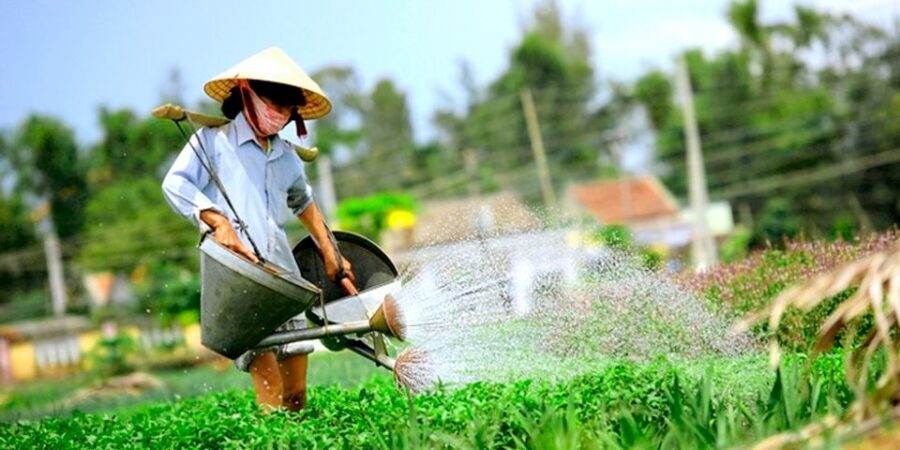
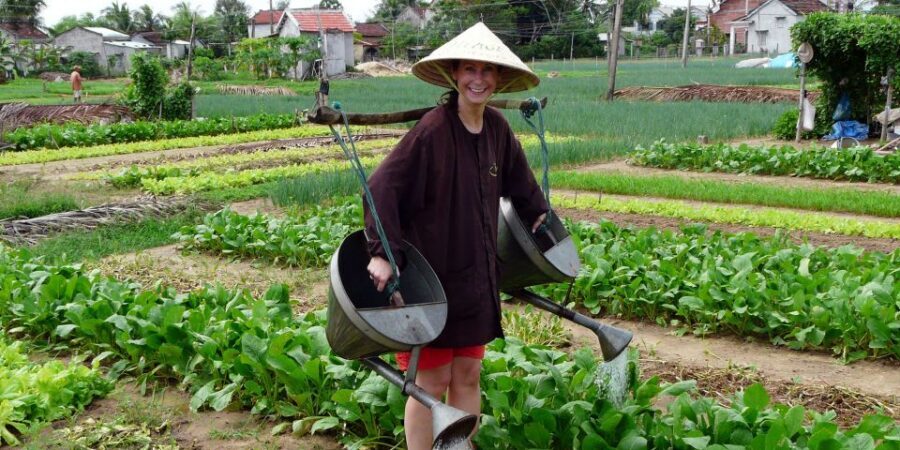
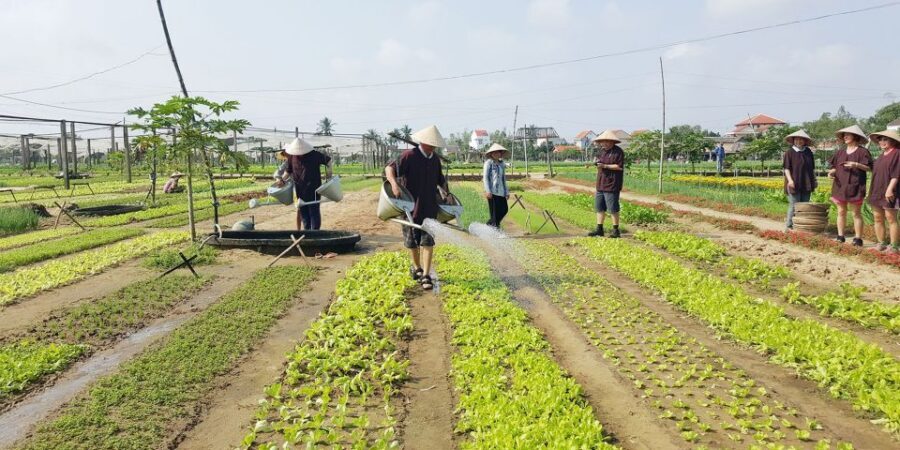
Hoi An’s cooking classes can blur together fast: same menus, same “mix-and-fry” demo vibe. This one adds something you can feel immediately—the Tra Que Herb Village environment. You’re in a place known for herbs and vegetable growing, so the class doesn’t start with a sterile instruction room. It starts with a living landscape.
Even though you’re there to learn cooking, the village atmosphere matters. It changes your tempo. You slow down a bit, look at the herbs and produce around you, and then the food lesson clicks better because you understand what you’re working with. When ingredients feel connected to where they come from, technique sticks.
You also get a welcome drink when you arrive. That’s a small thing, but in practice it helps the first 10–15 minutes feel relaxed instead of rushed. It’s a “rest and join in cooking” kind of setup, which is exactly what you want on an evening class.
You can also read our reviews of more cooking classes in Hoi An
How the Class Works: Small Group, English Guide, and Four-Dish Stations
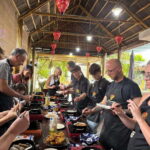
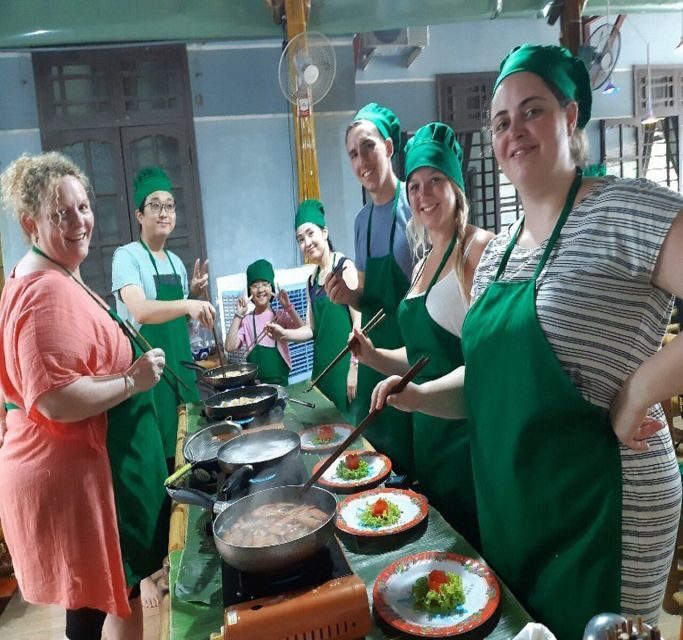
Here’s the practical structure: you’ll cook at stations with a chef teaching you traditional methods for some Vietnamese dishes. The class isn’t described as difficult to follow, and that’s backed up by the way the lesson is organized.
Two details make this work well for most people:
- Some ingredients are pre-portioned by assistants.
That means you spend less time measuring and more time understanding what goes where. It also makes the process smoother if you’re traveling and juggling a language-learning context.
- You prepare four local dishes with guidance and a recipe menu.
You’re not stuck copying notes for a cooking show. You’re assembling and cooking, then referencing the recipes as needed.
The class runs with an English live tour guide. That matters because you’ll actually catch the “why” behind certain steps, not just the “how.” And since it’s limited to 10 participants, you’re less likely to get lost in a crowd.
If you have food requirements, this is also a strong point. One past participant mentioned Trang was very accommodating when they shared needs in advance. So if you’re vegetarian, avoiding something specific, or have a sensitivity, tell the provider when you book.
Your Evening Menu: Tra Que Vegetables, Spring Rolls, Pancake, and Morning Glory
For the standard menu, you can expect four main items:
- Special Tra Quế vegetable village
This is the Tra Que herb-and-veg element. Even if the exact dish varies, it signals the class is tied to local produce rather than generic supermarket ingredients.
- Hoian spring rolls
Spring rolls are a great “foundation” dish because they force you to think about filling balance and wrapping technique. They’re also easy to recognize on the table later, which helps you remember what you changed and what worked.
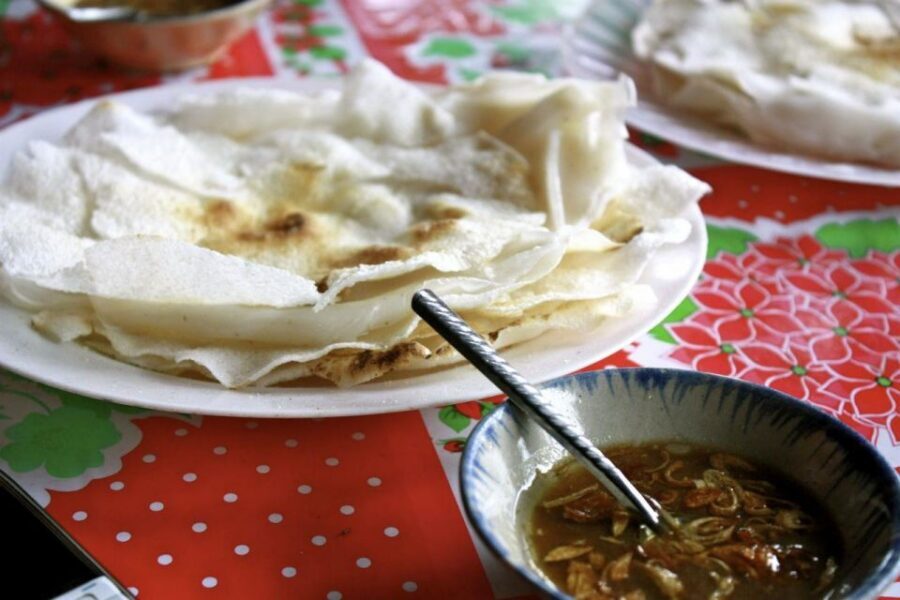
- Hoian pancake
Pancakes in Hoi An are more than a quick flatbread—they’re about texture and cooking rhythm. This is the kind of dish where small timing differences can change the result, so the guided steps are important.
- Morning Glory stir-fried with garlic
This side dish (or sometimes part of the main spread) teaches a classic Vietnamese flavor profile: crisp-tender greens plus garlic punch. It’s also one of the best ways to taste how fresh ingredients cook differently than prepackaged ones.
A key note: the cooking class menu can change based on availability of ingredients. That’s normal in real food work, and it can actually be a plus because you’ll often get what’s freshest. Just don’t assume every single class day will have the exact same dish names.
Vegetarian and vegan menus are available. You need to request this when you book so the team can prepare it well. If you’re vegetarian, I’d treat this as a food lesson first and a diet option second—meaning you’ll get a tailored plan, not just a substitution after the fact.
The 18:00 Plan: What Happens From Arrival to Dinner
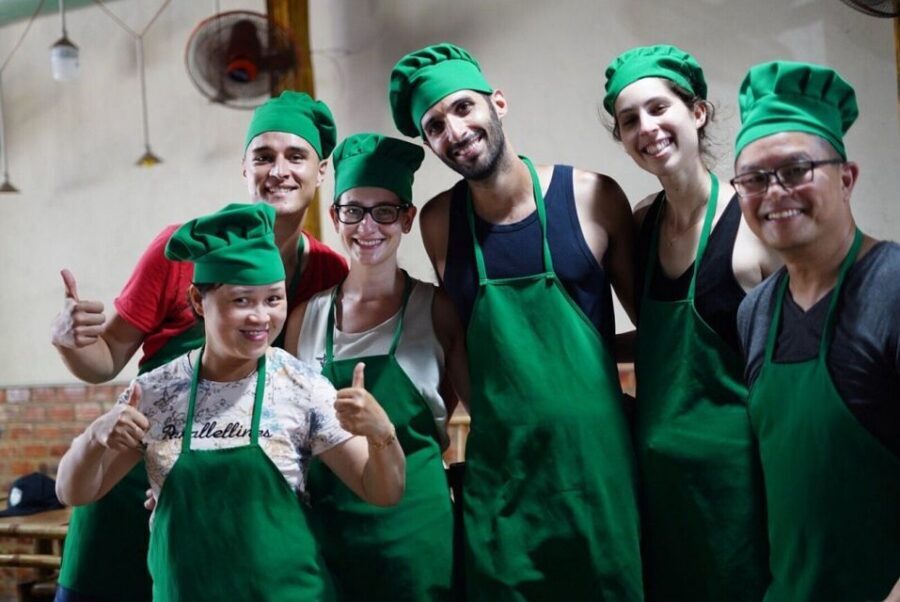
This experience runs at three times during the day: 10:00, 15:00, and 18:00. The evening option is designed for people who want a late start and a full meal at the end. For the 18:00 slot, the class is scheduled to end at 21:00.
Even without the hotel pickup (more on that soon), the flow is simple:
- Pick up at the meeting point in Tra Que Herb Village
Your meeting point is Tra Que Rural Charm Cooking class inside Tra Que Herbs Village. You’ll go there and join the group.
- Welcome drink and a short settle-in period
You’ll get a welcome drink and time to rest before cooking starts. This helps you arrive hungry but not frazzled.
- Chef-led cooking for four local dishes
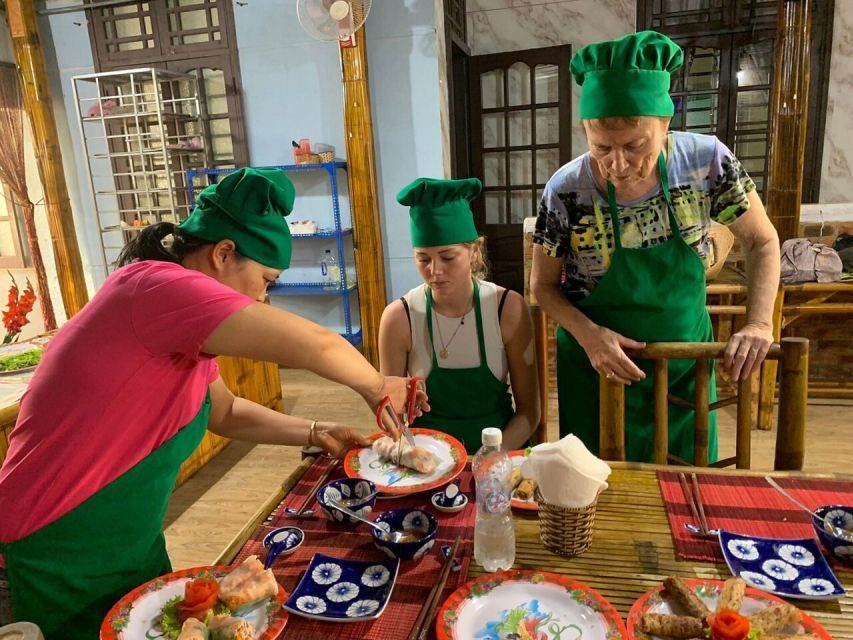
At your station, you’ll cook with help from assistants. Because some ingredients are pre-portioned, you can usually jump into assembly quickly. The chef teaches traditional methods as you go, so you understand each step while it still feels fresh.
- Enjoy what you cooked, plus side dishes
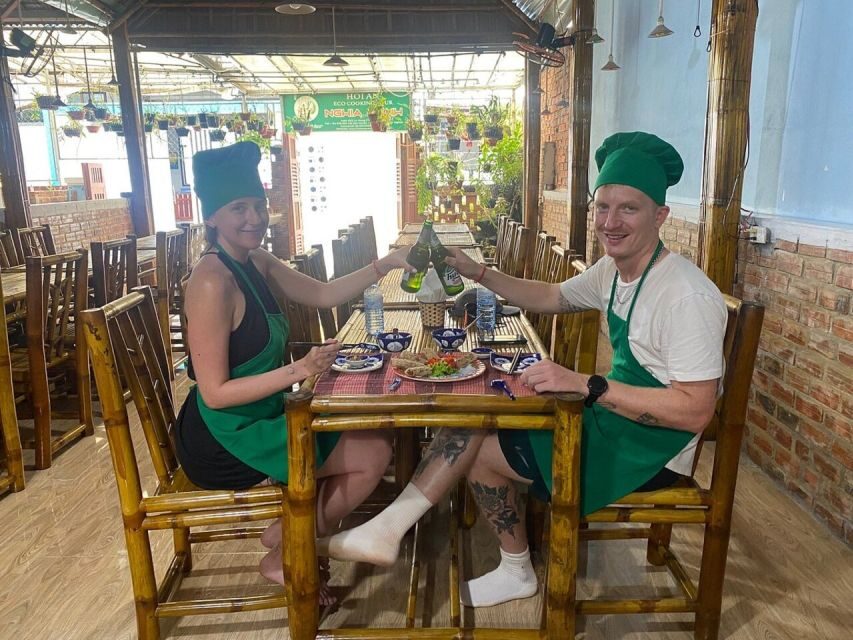
After the cooking lesson, you eat what you prepared. That’s one of the best parts of any cooking class: the payoff is immediate. You’re not waiting until the end of the trip to remember what you learned.
If you’re curious about the other time slots, the schedule is the same idea, just shifted:
- 10:00 start, ends 13:00
- 15:00 start, ends 18:00
- 18:00 start, ends 21:00
So if your day is full of walking in Hoi An, the evening class is often the easiest fit.
One more practical thought: because the meeting spot is inside a working village, allow a little extra time to locate it. One prior participant said it was slightly hard to find at first. If you’re arriving on your own, I’d plan to arrive a bit early and ask for help if you don’t see the class sign.
Why Cooking-Then-Eating Beats a Food Tour Shortcut
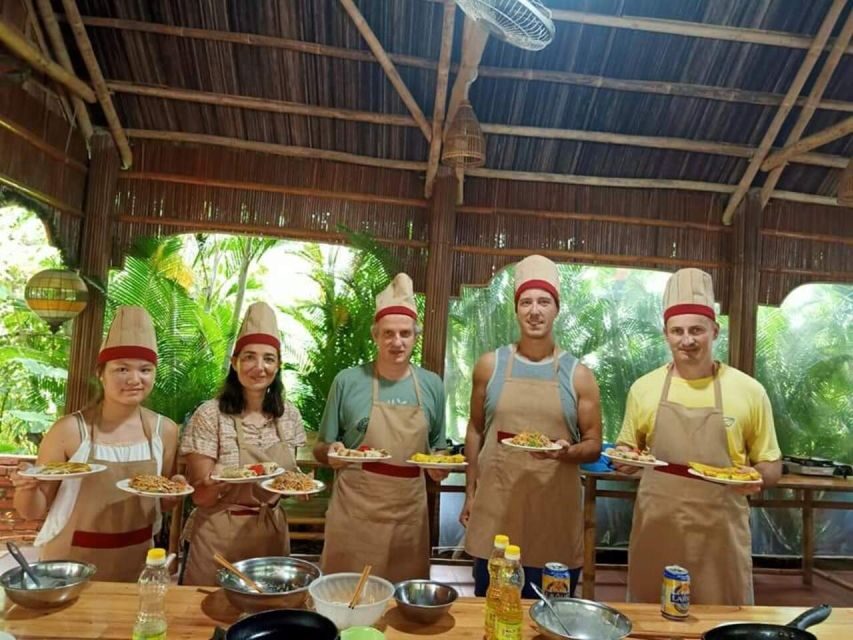
Food tours are fun. But they can leave you with lots of tasting and not much learning. This class flips that.
You’re not just eating spring rolls or pancake—you’re learning how to make them. That turns dishes into something you can recreate later. And because you cook four dishes in one session, you leave with a broader view of Vietnamese flavors, not one lucky highlight.
I also like the side dish element. It reinforces the idea that Vietnamese meals aren’t built from one star dish. Even a quick stir-fried plate like morning glory can change the whole meal’s balance—fresh, garlicky, and a nice contrast to fried or wrapped foods.
If you’ve been to Hoi An and tried a few dishes already, you’ll recognize familiar patterns. If you haven’t, this is still a solid entry point because the menu covers both hands-on technique (wrapping and cooking) and flavor fundamentals (garlic greens, herb-veg emphasis).
You can also read our reviews of more evening experiences in Hoi An




Price and Value: Is $27 Worth It?
At $27 per person for a 3-hour small-group class, the value comes from what’s included rather than the headline number.
What you get included:
- cooking ingredients
- welcome drink
- recipe menu
Those three items add up quickly. Buying ingredients separately would cost more than the class fee, and a recipe menu is often what helps you actually repeat the dish later. The welcome drink also matters in real time; it makes arrival more comfortable and keeps you from feeling like you’re starting an activity on an empty stomach.
What’s not included:
- hotel pickup and drop-off
- drinks
- other expenses not mentioned
So factor in how you’ll get to the meeting point. Since there’s no hotel pickup, you’ll likely pay for your own transport or use local options. That doesn’t make the class bad value, but it does affect your total cost.
Also note the public holiday surcharge: there’s an added 100,000 VND per person paid in cash for booking on a public holiday. If you’re traveling during a holiday, I’d treat that as part of the real price rather than a surprise.
If you’re comparing against alternatives, I’d weigh this against a restaurant meal. This isn’t just dinner; it’s dinner plus a guided skill-building session. If you enjoy cooking even a little, it’s hard to beat that deal.
Logistics That Can Make or Break Your Evening
A few practical points will help you have a smoother night:
- Meeting point is fixed: Tra Que Rural Charm Cooking class inside Tra Que Herbs Village. No hotel pickup or drop-off is included, so plan your transport accordingly.
- Arrive a little early: The venue is inside a village, and one past participant said it was a bit tricky to find. Give yourself buffer time.
- Drinks aren’t included: The class includes a welcome drink, but other drinks cost extra. If you don’t want to think about it, keep cash or a card ready.
- Small group pacing: Limited to 10 participants means it’s easier for questions, but it also means the schedule matters. If you’re late, you’ll likely miss the start of prep.
Dietary support is available. If you need vegetarian or vegan, request it at booking so it can be prepared properly. And if you have other food needs, message them ahead of time—Trang’s accommodating style has been noted before.
Who Should Book This Hoi An Evening Cooking Class
I think this class fits best if you want a hands-on food experience that stays practical. You’ll probably enjoy it if you:
- like cooking and want technique, not just tasting
- want a meal at the end that matches what you cooked
- prefer a small group with an English guide
- enjoy Vietnamese flavors like garlic-forward greens, spring rolls, and pancake-style dishes
It’s less ideal if you need wheelchair access. It’s listed as not suitable for wheelchair users, and since you’ll be moving around cooking stations in a village environment, the setup likely isn’t built for mobility needs.
Also, pets aren’t allowed. If you’re traveling with one, you’ll need to arrange separate care.
Should You Book Sky Travel’s Tra Que Evening Cooking Class?
If you’re debating, here’s my straight answer: yes, book it if you want a real cooking lesson in Hoi An’s Tra Que Herb Village setting and you’re happy to handle your own transport to the meeting point.
I’d especially choose the 18:00 slot if you prefer an evening activity that ends in a full meal at 21:00. The format is designed so you can follow along without feeling lost: pre-portioned ingredients, a recipe menu, and a chef guiding traditional methods while you cook four dishes.
The only real hesitation is logistical—finding the meeting spot can take a few minutes, and there’s no hotel pickup. If you can manage that, you’re set up for an enjoyable night where you learn how to make the flavors you came to Vietnam for.
FAQ
What time does the evening cooking class run?
The evening option starts at 18:00 and ends at 21:00. There are also 10:00 (ending 13:00) and 15:00 (ending 18:00) slots.
How many dishes will I cook?
You’ll cook four local dishes with help from the chef and assistants, using recipes at your station.
What’s included in the class price?
The price includes cooking ingredients, a welcome drink, and the recipe menu.
Is there a vegetarian or vegan menu?
Yes. A vegetarian/vegan menu is available if you let them know upon booking so it can be prepared well.
Where is the meeting point?
You meet at Tra Que Rural Charm Cooking class inside Tra Que Herbs Village.
Do they pick you up from your hotel?
No. Hotel pickup and drop-off are not included.
Is there a public holiday surcharge?
Yes. On public holidays there is a surcharge of 100,000 VND per person, paid in cash.
Is there free cancellation?
Yes. You can cancel up to 24 hours in advance for a full refund.