REVIEW · HOI AN
Hoi An Eco & Cooking Class
Book on Viator →Operated by Hoi An Eco Cooking Tour · Bookable on Viator
A palm-forest boat trip pairs perfectly with cooking. This Hoi An experience blends a market visit with a bamboo basket boat through the Bay Mau nipa (water coconut) grove, then finishes with a practical cooking lesson. Expect a full 5-hour day that feels active, local, and surprisingly relaxing, even when the weather turns.
I like how the market stop feeds directly into what you cook, so the lesson has real context. I also like the small group size (up to 10) and the hands-on fun, from catching fish and purple crabs to making palm-leaf souvenirs. One consideration: you’ll be outside near the water, so plan for getting wet if it rains and bring a light change of clothes.
In This Review
- Key highlights at a glance
- From Villa Hoa Vừng to the local market: you start with ingredients, not just photos
- Crossing rice fields and the Cua Dai River: why the transfer feels like part of the show
- Bamboo basket boat through the Bay Mau nipa palms: quiet, hands-on, and genuinely local
- Fishing with local nets, catching purple crabs, and making palm-leaf souvenirs
- Vietnamese–American war stories: human context that helps the setting make sense
- The cooking lesson: where the ingredients finally become something you can repeat
- Food value at $25: more than a bargain, a whole day plan
- Who should book this Hoi An eco and cooking class
- Best way to prepare
- Should you book this tour?
- FAQ
- Is pickup included?
- How long is the tour?
- How much does it cost?
- What’s included in the price?
- What isn’t included?
- How many people are in the group?
- Where does the tour start?
- Can I cancel for a full refund?
- Are service animals allowed?
- Is there a mobile ticket?
Key highlights at a glance
- Bay Mau nipa grove boat ride in a bamboo basket craft with local fishermen
- Market ingredients you buy on-site, then use for your cooking lesson
- Hands-on fishing moments, including catching purple crabs with local nets
- Palm-leaf souvenir making you can take home as a real keepsake
- War-time stories explained in a clear, human way during the day
From Villa Hoa Vừng to the local market: you start with ingredients, not just photos
The day begins around the Cẩm Thanh area, with the main meeting point listed as Villa Hoa Vừng (Bartonia Villa). Pickup is offered from your Hoi An Ancient Town hotel lobby, but the tour also notes that the activity ends back at the meeting point, so I’d treat your confirmation message as the final word on exact timing and return. Either way, you’re set up for a smoother day than tours that start with a complicated self-transfer.
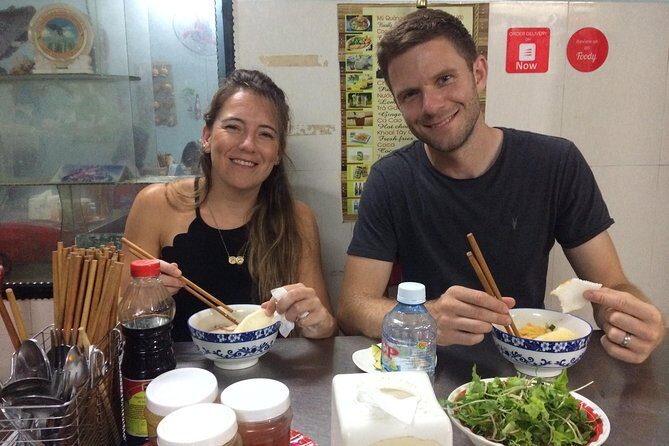
Before you even touch a stove, you head to a local market where your guide explains how people purchase ingredients for everyday meals. This matters more than it sounds. If you only learn recipes, you miss the logic behind Vietnamese cooking. By the time you’re shopping, you can start noticing flavors and categories the way locals do, not just what looks good for a photo.
You’ll buy some of the ingredients that will later show up in your dishes. It’s a small step, but it makes the whole day click: you’re not guessing what anything is, and you’re not left wondering why a dish tastes the way it does.
You can also read our reviews of more cooking classes in Hoi An
Crossing rice fields and the Cua Dai River: why the transfer feels like part of the show
After the market, you transfer by car to a fishing village area. The route passes rice paddies, then you go up toward the Cua Dai River before heading for the Bay Mau nipa grove. This is one of those segments that often gets rushed on other tours, but here it helps you understand the setting—Hoi An isn’t just old streets. It’s also work, waterways, and food systems shaped by what the local environment provides.
The driving time also gives you a buffer if weather changes. If it’s humid or rainy, you’ll appreciate having a planned sequence instead of scrambling to find activities on your own. And because the itinerary stays tied to the water palms and fishing zone, the day feels like one continuous theme rather than separate ticketed experiences.
Bamboo basket boat through the Bay Mau nipa palms: quiet, hands-on, and genuinely local
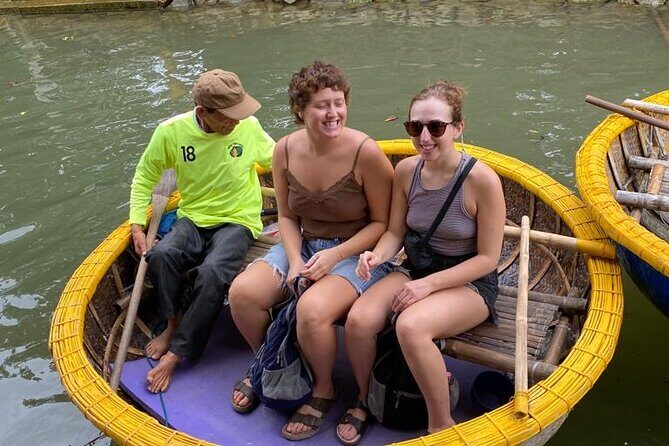
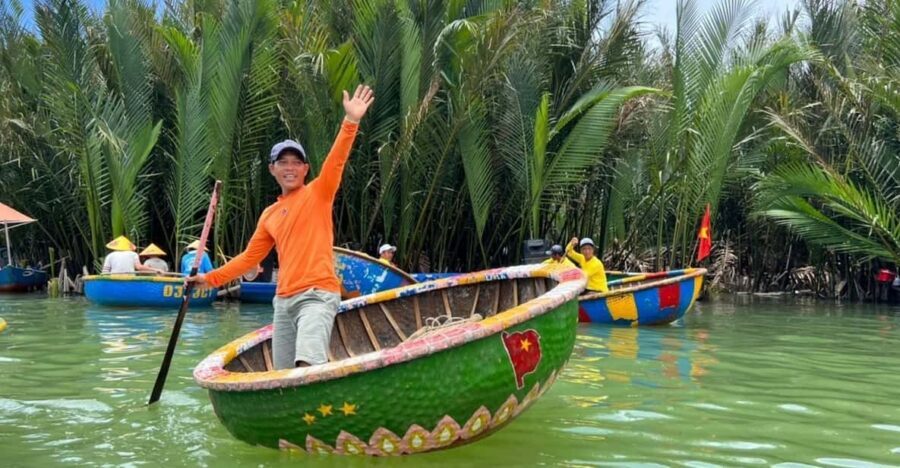
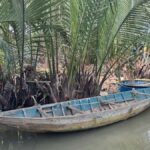
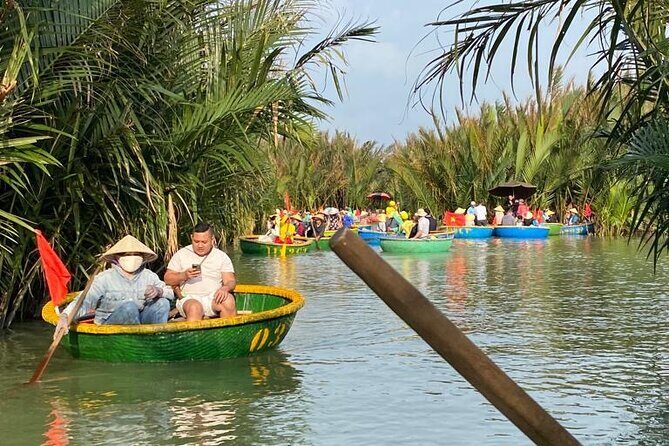
This is the moment most people book for, and for good reason. You’ll reach the Bay Mau nipa (water coconut palm) forest grove, where your guide introduces daily life of the local fishermen in the area. Then you hop into a bamboo basket boat for a ride through the water palms alongside a local fisherman.
What I like about this part is the pace. You’re not doing a speed-ride for thrills. You’re moving through a working environment where fishermen know these waters as a routine, not a novelty. When your guide points out how the palms and water interact, you start to understand why this area is ideal for that kind of fishing.
Also, it’s surprisingly educational without feeling like a lecture. You’ll learn the practical rhythms of the place, the basic purpose of the nets, and why certain spots make sense depending on what’s caught.
Fishing with local nets, catching purple crabs, and making palm-leaf souvenirs
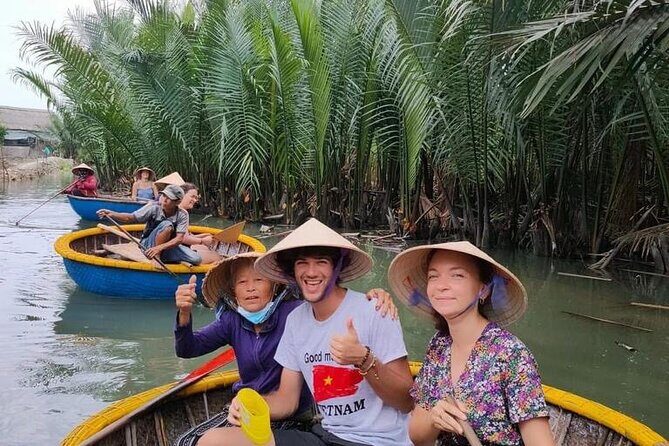
Once you’re in the nipa zone, the experience turns from watching into doing. You’ll learn and share fishing experience with the local fishermen, including using unique fishing nets to catch fish and purple crabs. Even if you don’t get every catch, you’ll still get the flow of how the activity works and what to look for.
Then there’s the souvenir portion: you’ll make something using palm leaves. This is one of those small cultural skills that can get lost on tours that only focus on big sights. Here, you leave with a tangible reminder of the day that isn’t just a mass-produced trinket.
A quick reality check: this section can be a little physical, mostly because you’re on water and working with equipment. If you’re comfortable with light effort and don’t mind getting close to the work of fishermen, you’ll feel right at home.
Vietnamese–American war stories: human context that helps the setting make sense
Some tours in this region stay strictly in the present. This one includes time to learn about the Vietnamese–American war, with interesting and true stories about what happened during that time. The tone matters here. When it’s handled well, it doesn’t turn into a history class—it adds human context to the coastline and the way communities survived and rebuilt.
I find this section valuable because it prevents the eco-and-food experience from feeling weightless. The fishing village and waterways aren’t just scenic backdrops. They’re tied to lived experience, and the stories help you see why certain places matter beyond tourism.
If you prefer tours that avoid heavy topics, give this part a second thought. But if you want your day to feel grounded, this adds depth without hijacking the whole schedule.
You can also read our reviews of more tours and experiences in Hoi An


The cooking lesson: where the ingredients finally become something you can repeat
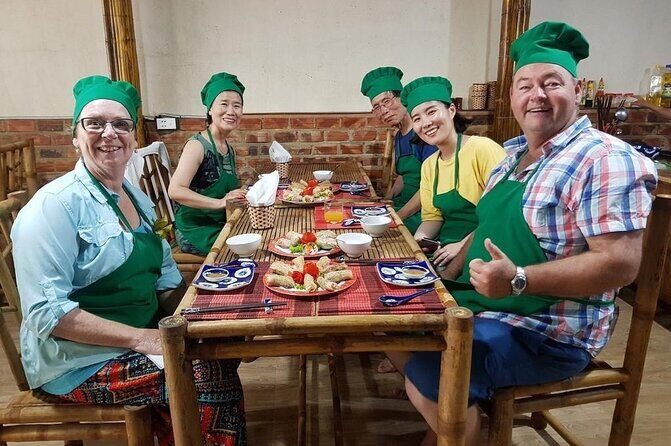
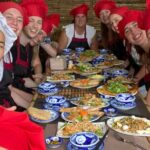
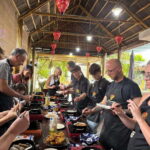
The cooking class is the heart of the tour for many people, and the focus here is practical. Before you arrive at the stove, you’ve already seen what locals buy and you’ve collected ingredients for your own dishes. That setup pays off.
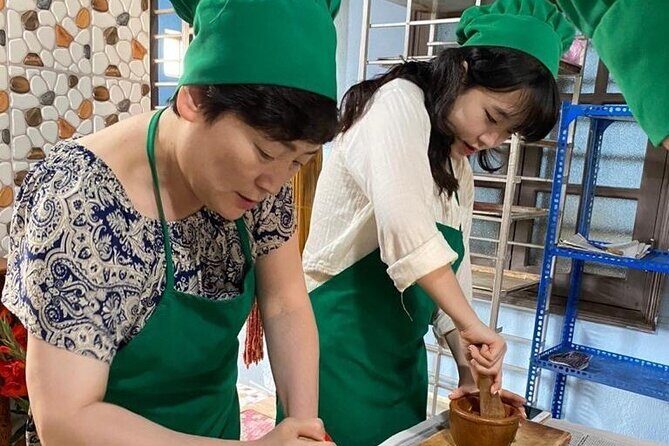
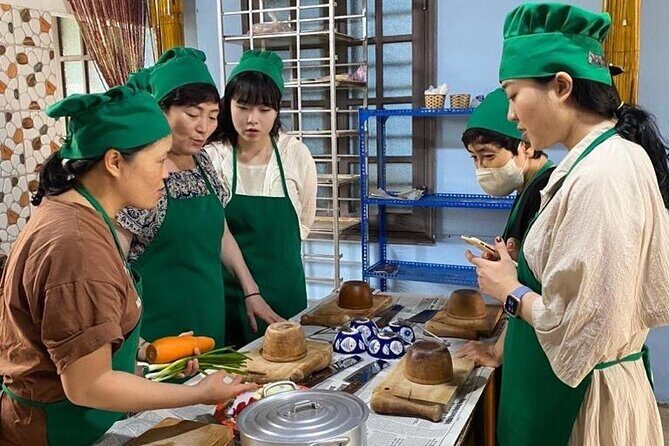
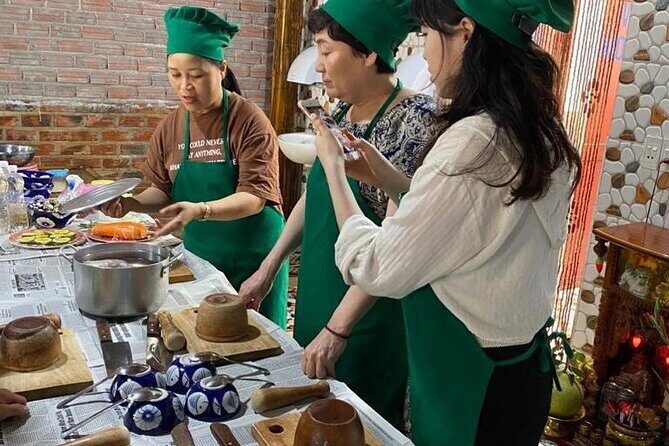
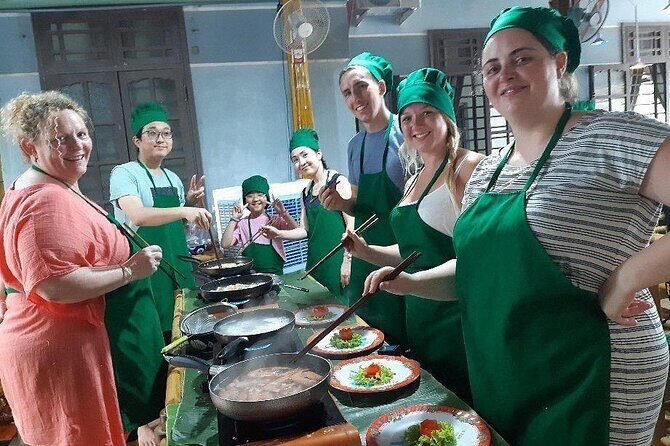
During the lesson, you’ll learn how to prepare Vietnamese food using those market-sourced ingredients. The class is interactive, not just a demo. You should expect to handle the food and follow along through key steps, then sit down to eat.
You’ll enjoy a very delicious lunch or dinner as part of the cooking portion, and the tour listing also states that lunch and dinner are included. In other words, you’re not paying for a lesson only to leave hungry. You get the education and the reward.
Even better, the experience includes a recipe book. That matters because memory fades fast once you’re back home. With a written recipe, you can actually recreate what you learned instead of hoping you remember the exact balance of flavors.
Food value at $25: more than a bargain, a whole day plan
At $25 per person for about 5 hours, you’re getting a stacked itinerary: hotel pickup (offered), a market visit and ingredient buying, a guided transfer, a bamboo basket boat ride, hands-on fishing moments, souvenir making, the cooking lesson, plus lunch and dinner. You also get the recipe book and all cooking ingredients.
That’s why this feels like good value rather than a cheap add-on. Many low-cost tours cut corners by skipping meals, skipping the active portion, or skipping the post-cooking sit-down. Here, meals are part of the package and the cooking class includes the ingredients you need.
The only clear extra is alcohol. The tour notes that alcoholic beverages are not included. If you want beer or wine, plan on buying it separately.
One more practical note: group size is capped at 10 travelers, which usually means less waiting around and more hands-on time. That’s worth something in a cooking class and in water-based activities.
Who should book this Hoi An eco and cooking class
This is a strong fit if you want an active day that still centers real food. I’d especially recommend it if you enjoy learning how everyday ingredients become meals, not just collecting recipes.
It also makes sense for families and mixed groups as long as everyone is comfortable being outdoors and participating in basic hands-on tasks. The vibe tends to be friendly and guided, with clear English support mentioned in past experiences, which helps a lot if you don’t speak Vietnamese.
Where I’d be cautious: if you’re looking for a long, quiet, no-wet-weather plan, the boat-and-fishing portion means you’ll be near water and likely get damp if rain hits.
Best way to prepare
You’ll get the most out of the day if you come with realistic expectations about being on the water and handling fishing nets and palm-leaf materials. I’d dress in quick-dry clothes and wear footwear you don’t mind getting a little wet. A light poncho is useful in case the weather switches fast.
Also, be ready to taste and ask questions. This tour works best when you treat it like a food day plus a fishing day, not just a single attraction.
Should you book this tour?
If you want one Hoi An experience that ties together market food culture, real water palm fishing life, and a cooking lesson you can take home, this is an easy yes. The price is low for the number of activities, and the day includes both learning and eating, plus a recipe book.
I’d book it over a purely sightseeing option if you like doing things with your hands. Choose it on days when you want something fun that still feels authentic, and give yourself permission to get a little wet along the way.
FAQ
Is pickup included?
Pickup is offered from hotel lobbies in Hoi An Ancient Town, and the activity ends back at the meeting point. Your confirmation should clarify the exact pickup/return details.
How long is the tour?
The tour runs for about 5 hours.
How much does it cost?
It costs $25.00 per person.
What’s included in the price?
Lunch, dinner, a recipe book, and all ingredients are included.
What isn’t included?
Alcoholic beverages are not included.
How many people are in the group?
The maximum group size is 10 travelers.
Where does the tour start?
The listed meeting point is Villa Hoa Vừng (Bartonia Villa), with the address area shown as V9M9+C6R, Cẩm Thanh, Hội An, Quảng Nam, Vietnam.
Can I cancel for a full refund?
Yes. You can cancel up to 24 hours in advance for a full refund. If you cancel less than 24 hours before the start time, it won’t be refunded.
Are service animals allowed?
Service animals are allowed.
Is there a mobile ticket?
Yes, mobile ticket is offered.