REVIEW · HOI AN
Hoi An Countryside bike tour to Kim Bong village
Book on Viator →Operated by Hoi An Food Tour - Private Day Tours · Bookable on Viator
A morning bike ride in Cam Kim? That is the plan. This Hoi An countryside trip trades the noise of the city for quiet lanes, local workshops, and real community life across the island. I like that it is small-group and hands-on, not just sightseeing. One of the best parts is getting close to older crafts that are still being practiced.
I also love the way the day is paced. With about 10 km round trip and a mix of workshops, you do not need to be a cyclist to enjoy it. You will meet people at Kim Bong carpentry areas, try making things like rice paper and weaving, and then sit down to eat Quang noodles together with the group, led by guides such as Nancy.
One consideration: you should plan for mostly on-your-own logistics once you arrive in Hoi An. Hotel pickup and drop-off is listed as not included, even though pickup is mentioned in the tour overview, so double-check what your guide will do on your booking.
In This Review
- Key points at a glance
- Why Cam Kim feels calmer than the Hoi An center
- Price and what you actually get for $32
- How the morning runs: meeting time, ferry to Cam Kim, and a family-friendly pace
- Kim Bong Carpentry Village: where old-school skills stay in use
- Workshops you can try: rice paper, mats, baskets, and bamboo boats
- Lunch and Quang noodles: eating where the day is happening
- Visiting a local school: seeing the island beyond crafts
- Riding comfort: what to bring and how to feel good on a 10 km route
- Who this tour is best for (and who might not love it)
- The most praised parts worth focusing on
- Should you book Hoi An countryside bike tour to Kim Bong village?
- FAQ
- What is the duration of the Hoi An countryside bike tour to Kim Bong village?
- What time does the tour start?
- How far do you ride?
- What is included in the price?
- Is hotel pickup and drop-off included?
- How large is the group?
- What should I bring for the tour?
- What is the main location you visit?
Key points at a glance
- Small-group format (max 12) with time to actually talk, not just pass by
- Hands-on craft workshops tied to carpentry and village making
- Cam Kim island experience via ferry, with a calmer feel than Hoi An center
- Family friendly with a short, manageable bike distance (about 10 km round trip)
- Included meal (lunch) and drinks, so you are not scrambling for food
Why Cam Kim feels calmer than the Hoi An center
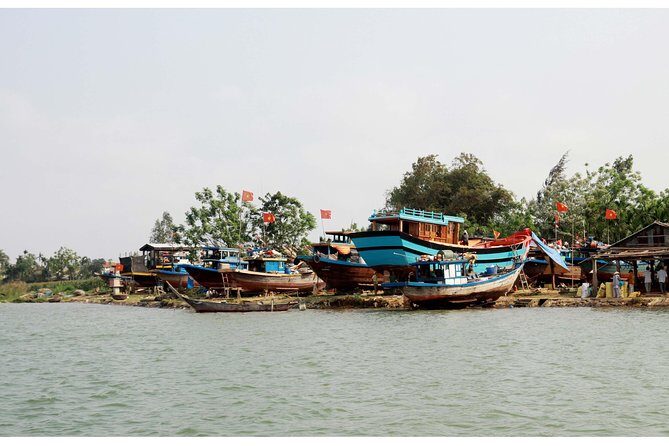
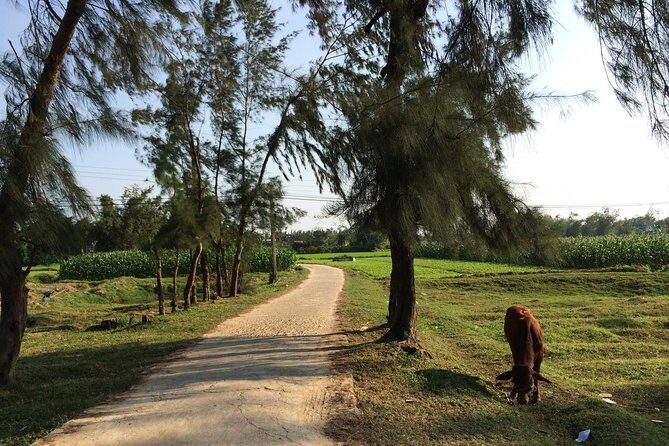
This tour gives you a very specific kind of escape. Instead of another quick drive to a viewpoint, you start by cycling through rural streets and village lanes on the way to Kim Bong and the craft areas around Cam Kim island. The overall vibe is quiet, practical, and focused on daily life.
What makes it work is the mix of motion and stop-and-talk time. You get enough riding to feel like you moved through the countryside, but not so much that your day turns into a workout. And because the distance is about 10 km round trip, you can go at a relaxed pace without feeling pressured.
It also helps that you are learning from people in the same place where they still work. You are not just watching finished products. You are seeing how they are made, and you get chances to try simple steps yourself, even if you have two left hands.
You can also read our reviews of more cycling tours in Hoi An

Price and what you actually get for $32
At $32 per person for roughly 3 hours 30 minutes, the value comes from what is bundled in. You get the bicycle, bottle of water, lunch, an English-speaking guide, and the activities admission. In other words, you are paying for a guided experience with the working parts included, not a barebones ride with optional add-ons.
The day is also short enough to fit into a packed itinerary. If you are spending several days in Hoi An and want one morning that feels like a different world, this is an easy slot. You are out during the late morning lull, and you are back by around noon.
One more value point: the tour is described as supporting local communities through trade and sponsorship. That is not just a marketing line. When your money is tied to the workshops and the people doing the work, it helps keep these skills in use.
How the morning runs: meeting time, ferry to Cam Kim, and a family-friendly pace
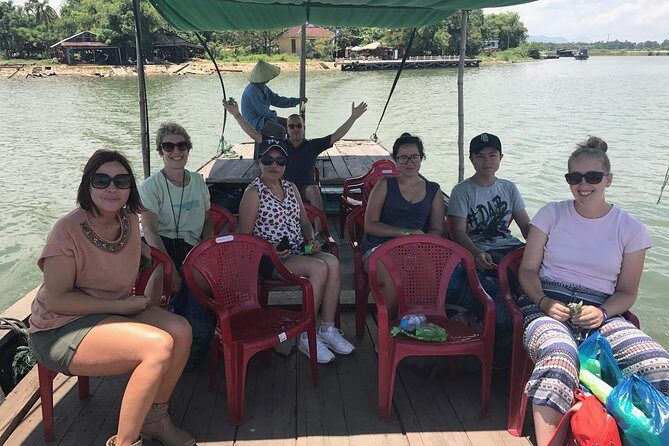
Your day starts at 8:30 am with a meet-up with the guide and group. From there, you move toward the island area by ferry, then shift into cycling. That ferry portion matters more than you might think. It breaks up the day so you are not immediately in “ride mode,” and it sets a slower pace.
The tour caps at 12 travelers, which is the sweet spot for a small-group day. You can hear explanations, ask questions, and still have time to participate in the hands-on parts. This size also helps the guide manage different comfort levels, which matters if you are traveling as a family.
Distance is listed as 10 km round trip. That is long enough to feel like countryside, but short enough that most people can handle it. You will still want comfortable footwear and sun protection, especially if you are sensitive to heat.
Also, check pickup expectations carefully. The details say hotel pickup and drop-off is not included. The overview mentions pickup offered. In plain terms: plan to meet at the tour’s listed start point unless your confirmation says otherwise.
Kim Bong Carpentry Village: where old-school skills stay in use
The heart of the experience is the visit to Kim Bong carpentry village and related workshop stops. This is where you see woodwork in action, along with the craft steps that support daily village life.
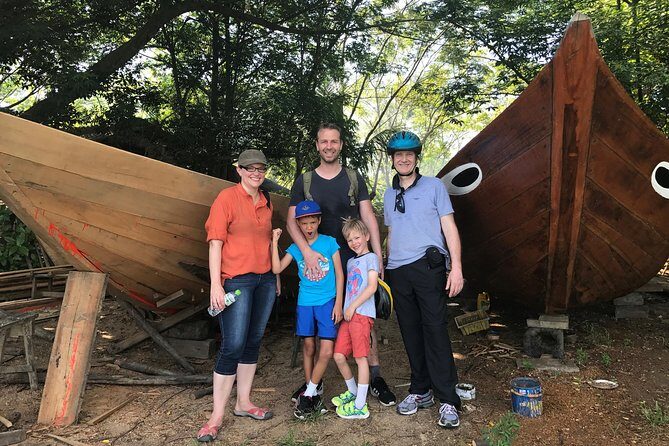
One standout part of the day is the boat-building and carpentry focus. You will also encounter the Huynh Ri Carpentry Workshop, which is exactly the kind of place you rarely find on a typical “old town” walking tour. The goal here is not to wow you with polished displays. It is to show how these skills are kept alive.
A good sign, based on how people describe the day, is the way the guide connects it to real life. Guides like Nancy are praised for explaining what you are seeing and how it fits into daily routines on the island. That is the difference between “we saw crafts” and “we understood crafts.”
What you might want to keep in mind: carpentry and workshop environments can be busy and tactile. If you are expecting a quiet gallery, you may find it more practical and hands-on than that.
Workshops you can try: rice paper, mats, baskets, and bamboo boats
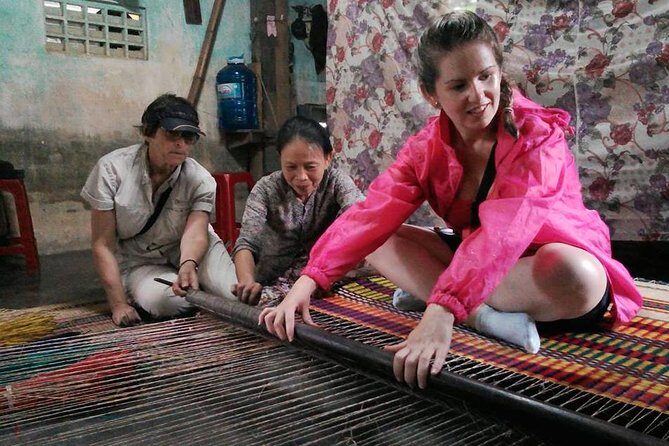
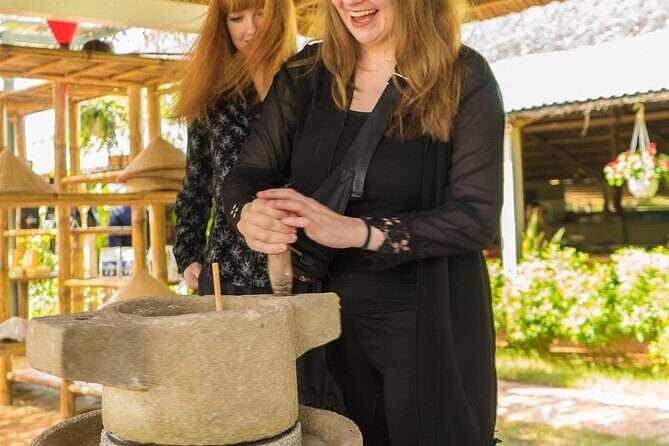
After the carpentry introductions, the tour shifts into participatory making. The itinerary lists several try-it activities: making rice paper, weaving a sleeping mat, and making a bamboo basket boat. It is hard to be bored when you are holding materials and copying steps you just saw.
These workshops also connect to food and daily living. Rice paper and rice-based crafts are tied to what people eat and sell. Weaving and basket making support transport, storage, and everyday household needs. So even if you do not become an artisan in one morning, you still leave with a better sense of how the village economy works.
You may also notice variety depending on the workshop flow. In descriptions of the experience, I’ve seen people mention making rice cakes/noodles and learning additional craft skills like silk or weaving rugs. The safe way to think about it is this: you are likely to get multiple hands-on tries, and some days may include extra related crafts beyond the main listed items.
Then there is the “try making” factor itself. It is fun, but it also improves understanding. When you try weaving or a simple prep step for rice items, you learn why the process takes time and why skilled hands are needed.





Lunch and Quang noodles: eating where the day is happening
Meal time is built into the tour. Lunch is included, and the itinerary specifically mentions enjoying Quang noodle as part of the schedule.
This matters because you are eating in the middle of the experience, not rushing off to a separate restaurant that has nothing to do with what you learned. The day’s theme is village life and local work, and the food fits that theme.
Quang noodles are a great choice for this kind of tour because they are comforting and shareable. You get a break, you refuel, and you can keep the conversation going with your guide and the group while things are still fresh.
If you are a camera person, this is also a good time to shoot casual moments, like the table scene and the way the group interacts with the food.
Visiting a local school: seeing the island beyond crafts
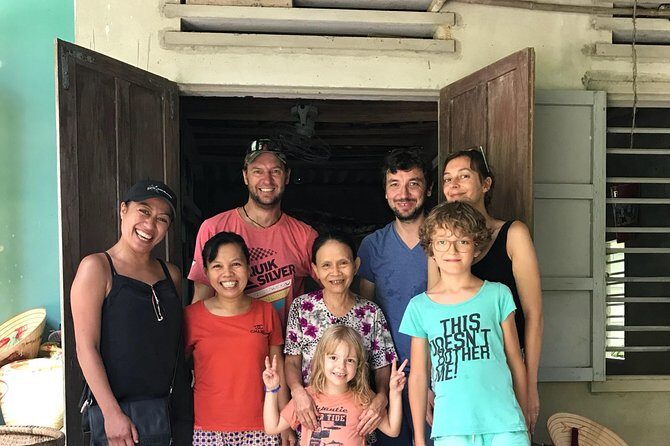
In the overall plan, you also visit a local school. This is one of the parts that turns the day from “workshops only” into a broader glimpse of community life.
A school stop tends to change your perspective fast. Instead of thinking only about crafts and products, you also see where the next generation is shaped—what matters to families, what kids study, and how the island’s routine looks beyond working hours.
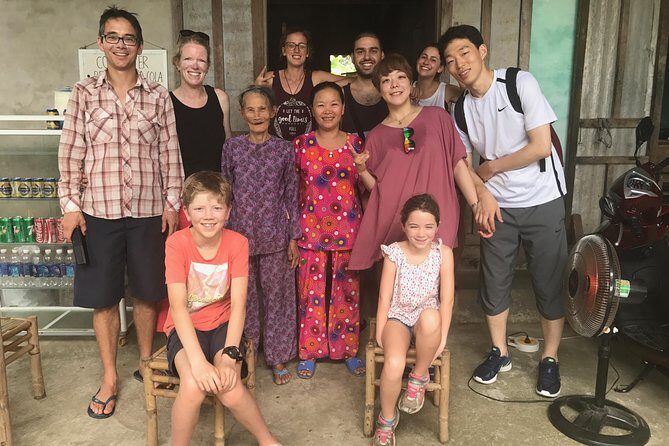
It also helps that the tour is described as spending meaningful time with locals, not just standing at the edge of a village street taking photos. You get the feeling of being part of the day, even though it is still a guided visit.
Riding comfort: what to bring and how to feel good on a 10 km route
Because this is a morning bike tour with workshops, you need to pack for both riding and handling materials. The tour’s prep list is pretty straightforward, and it is spot-on:
- Sun protection (cream/lotion) since the morning can still be bright
- A hat or cap
- Sunglasses if you are sensitive to glare
- Fully charged camera
- Footwear that works around workshops; flip-flops or sandals are listed, but be realistic about how comfortable you are walking on village paths
- Light clothing you can move in
One practical tip from how the tour is described in different conditions: people have still enjoyed the day in rain. Still, you should bring a plan for damp weather. If rain hits, wear something you don’t mind getting a bit wet and protect your phone/camera.
Also, remember the distance is short. This is not a “ride all day” tour. It is a cultural craft day with cycling as the connector.
Who this tour is best for (and who might not love it)
This is a great fit if you want a different side of Hoi An. If you are tired of only touring the old town streets and want a morning that shows how people actually work, this hits that target.
It is also well suited for families. The tour is family friendly and the riding is manageable. Kids can participate in the same hands-on steps, and adults get a break from the usual passive museum style of travel.
It may not be ideal if you want long, scenic stretches and big nature views. The day is more about villages, workshops, and community visits than about wide-open landscapes. You are riding through neighborhoods and craft areas, then stopping to make things and eat.
The most praised parts worth focusing on
If you are weighing this against other Hoi An day tours, these are the aspects people respond to the most—and the ones you should prioritize when choosing:
- Hands-on making that goes beyond watching
- Guides who explain local life clearly, with Nancy specifically mentioned in descriptions of the day
- A small-group feel where you can ask questions and move at a comfortable pace
- Time spent with locals, including the school stop and the village workshop workflow
- A balanced day: enough cycling to feel “countryside,” but not so much that the workshops get rushed
That combo is why it consistently earns top scores.
Should you book Hoi An countryside bike tour to Kim Bong village?
Yes, if you want a morning that feels like you stepped into daily life, not just into a checklist. This is one of those tours where the value is in the details: carpentry and boat building, rice paper and weaving, and local food all tied together in a short ride.
You should book if:
- you like interactive experiences and learning through doing
- you want a small-group day (max 12) instead of a mass tour
- you are traveling with family or anyone who prefers a gentle pace
You might skip it if:
- you only want long scenic rides or nature-focused views
- you cannot meet the start point without hotel pickup (since pickup/drop-off is not included in the details)
- you prefer purely food or purely sightseeing tours, with less time in workshop environments
If you do book, do one simple thing: plan your morning around hands-on time. Wear sunscreen, bring comfortable footwear, and go in curious. You will get far more out of the day than if you treat it like a quick photo stop.
FAQ
What is the duration of the Hoi An countryside bike tour to Kim Bong village?
The tour runs for about 3 hours 30 minutes.
What time does the tour start?
You meet at 8:30 am.
How far do you ride?
The distance is listed as 10 km round trip.
What is included in the price?
Bicycle, bottle of water, lunch, an English speaking tour guide, and all activities are included. An admission ticket is also included.
Is hotel pickup and drop-off included?
Hotel pickup and drop-off is listed as not included. Pickup is mentioned in the overview, so confirm what applies to your booking.
How large is the group?
The tour has a maximum of 12 travelers.
What should I bring for the tour?
Bring sun protection cream/lotion, a fully charged camera, a cap/hat, sunglasses, and footwear suitable for sandals/flip-flops/sandals.
What is the main location you visit?
You visit Kim Bong Carpentry Village and the Cam Kim island area, including workshops and a local school.