REVIEW · HOI AN
Hoi An: Cooking Class + basket boat (free transfer in Hoian)
Book on GetYourGuide →Operated by Sanna Tour · Bookable on GetYourGuide
Four dishes and a basket boat in Hoi An. This combo is interesting because it pairs market-first shopping with hands-on cooking, then sends you through Bay Mau’s waterways on a coconut boat. I love the small-group feel and learning practical Central Vietnam techniques, but do note the day’s flow can feel a bit rushed if you fall behind.
You’ll be cooking classics from the region’s mix of Southeast Asian and French influences: spring rolls, Vietnamese pan cake, papaya salad, and pho. You’ll also eat what you make, and you can request the cooking receipt whenever you like, which is handy if you want to recreate the dishes back home. Pickup is designed for hotels in central Hoi An, with a clear meeting point if you’re elsewhere.
For about $25 per person and around 140 minutes (depending on your time slot), this is one of those activities that gives you more than just photos. Bring sunscreen and wear comfortable clothes you don’t mind getting a little damp, especially if it rains.
In This Review
- Key things to know before you go
- Why This Hoi An Combo Works: Boat Ride + Cooking in One Loop
- Pickup and timing: showing up in central Hoi An without stress
- Market time in Hoi An: ingredients you’ll actually understand
- Bay Mau coconut forest: the basket boat ride (and the rain factor)
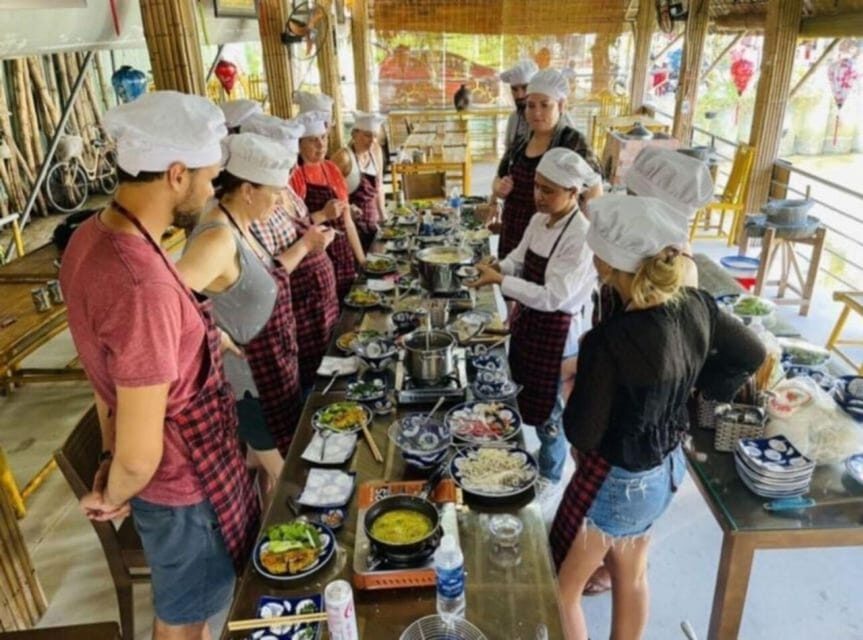
- The cooking class: four dishes that teach real Central Vietnamese technique
- Lunch and meals: eating on the same schedule you learn
- The guide and group energy: English instruction you can follow
- Price and value at about $25: what you’re really getting
- Things that can affect your experience: pace, choices, and communication
- Should you book this cooking class + basket boat?
- FAQ
- How long is the activity?
- How much does it cost?
- What dishes will I learn to cook?
- Is lunch included?
- Is pickup and drop-off included?
- What if my hotel is not located in Hoi An?
- Where is the meeting point?
- What should I bring, and what is not allowed?
- Can I get the cooking receipt?
Key things to know before you go
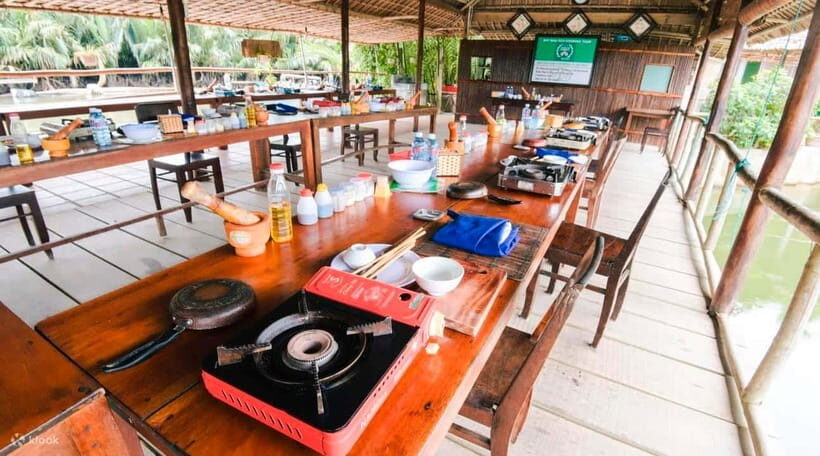
- Small-group cooking: You get enough attention to actually make the dishes, not just watch.
- Market + ingredients: You shop for what you’ll cook, so flavors make more sense.
- Bay Mau coconut boat: You get the boat experience tied to the same outing, even in rain.
- Four Central Vietnamese dishes: Spring roll, pan cake, papaya salad, and pho.
- English-speaking guide: Clear instruction and lively explanations during the class.
- Cooking receipt on demand: You can get the recipe sheet whenever you want.
Why This Hoi An Combo Works: Boat Ride + Cooking in One Loop
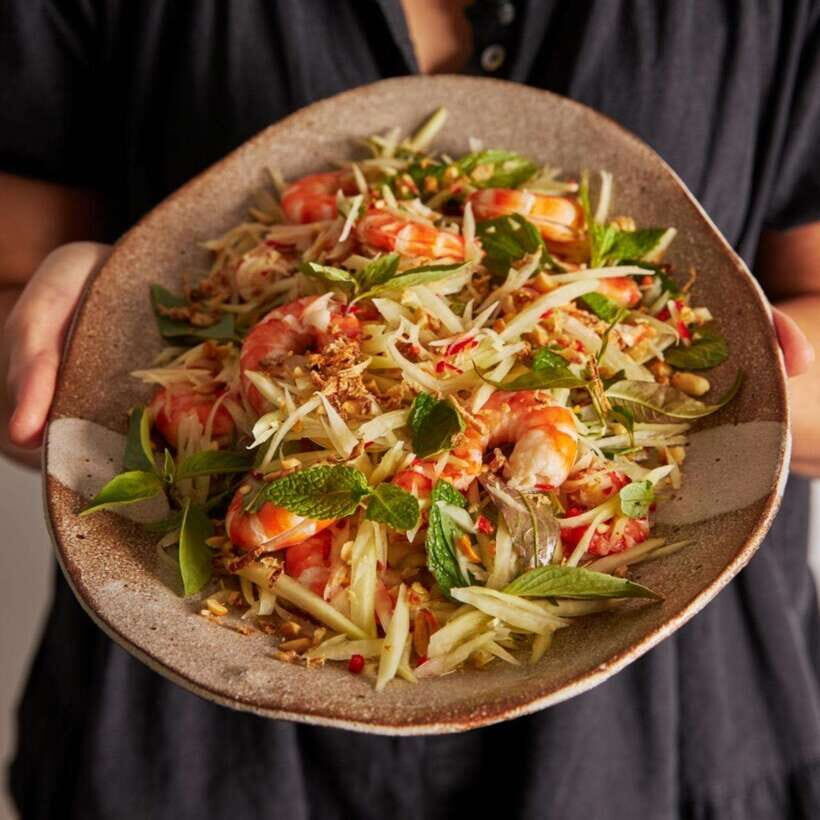
This experience works because it connects the dots between food and place. You don’t just learn how to cook Vietnamese dishes in a kitchen—you learn what ingredients matter, why they’re used, and how Central Vietnam flavors balance sweet, sour, salty, and herb-heavy freshness.
The structure is also smart for a short visit. You get a coconut boat ride through the Bay Mau Coconut Forest area, then move straight into cooking four popular dishes. It’s a one-two punch: scenery and smells first, then hands-on food skills.
I like the pacing for most travelers because it keeps you active. Even if you’re not a big “tour person,” you’re doing things—shopping, eating, rolling, mixing, and tasting—so it doesn’t drag.
You can also read our reviews of more boat tours in Hoi An
Pickup and timing: showing up in central Hoi An without stress
The provider offers pickup and drop-off, and the key detail is where your hotel is located. Pickup happens at your hotel in central Hoi An. If your hotel isn’t in Hoi An, you’ll need to go on your own to the meeting point.
Meeting point address: Trần Nhân Tông, Cẩm Thanh, Thành phố Hội An, Quảng Nam.
Time options shown include start times at 8:30 AM, 10:30 AM, 1:30 PM, and 2:45 PM. Each option follows the same basic flow—market, coconut boat, then cooking with lunch and/or meals—just at different times of day.
If you’re trying to plan other activities, give yourself a buffer. This kind of outing moves from one place to another with a schedule, and you’ll enjoy it more if you’re not sprinting between plans.
Market time in Hoi An: ingredients you’ll actually understand
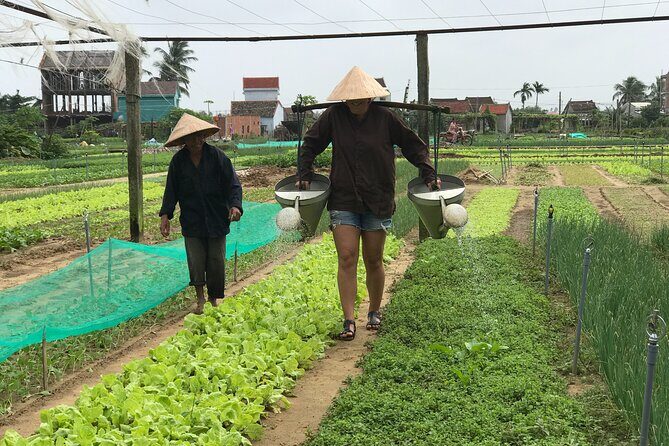
The day begins with a market run to buy ingredients for your cooking recipes. This matters more than it sounds. When you pick the herbs, aromatics, and key cooking items yourself, the food stops being vague. You learn what to look for and you start understanding what makes each dish taste like itself.
You’ll also get to see how Vietnamese cooking relies on lots of small components: fresh herbs, sour elements for salads, and the balance of flavor for savory dishes. Even if you’re not a “food nerd,” you’ll leave with a clearer mental map of Central Vietnam cooking.
A practical tip: markets can be bright, hot, and busy. Wear comfortable clothes, and consider sunglasses if you’re sensitive to glare. You’ll be moving around before you get into the kitchen part.
Bay Mau coconut forest: the basket boat ride (and the rain factor)
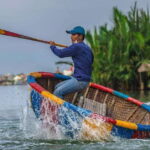
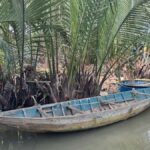
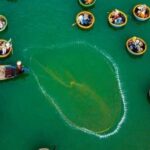
Next comes the coconut boat ride on Bay Mau Coconut Forest. This is the part that changes the mood. In clear weather it feels like a quiet nature break. If it’s raining, it can feel more adventurous and slightly more chaotic, but still fun—as long as you show up prepared for getting a bit wet.
What I’d focus on is comfort and footing. Coconut boats are not theme-park smooth, and you’ll want stable shoes (not slippery sandals). Also dress for the weather you actually have that day, not the forecast you hope for.
This boat segment helps the overall experience because it gives you a sense of Vietnam beyond restaurants. You’re in a working-feeling environment tied to how locals move through water channels and manage the landscape.
The cooking class: four dishes that teach real Central Vietnamese technique
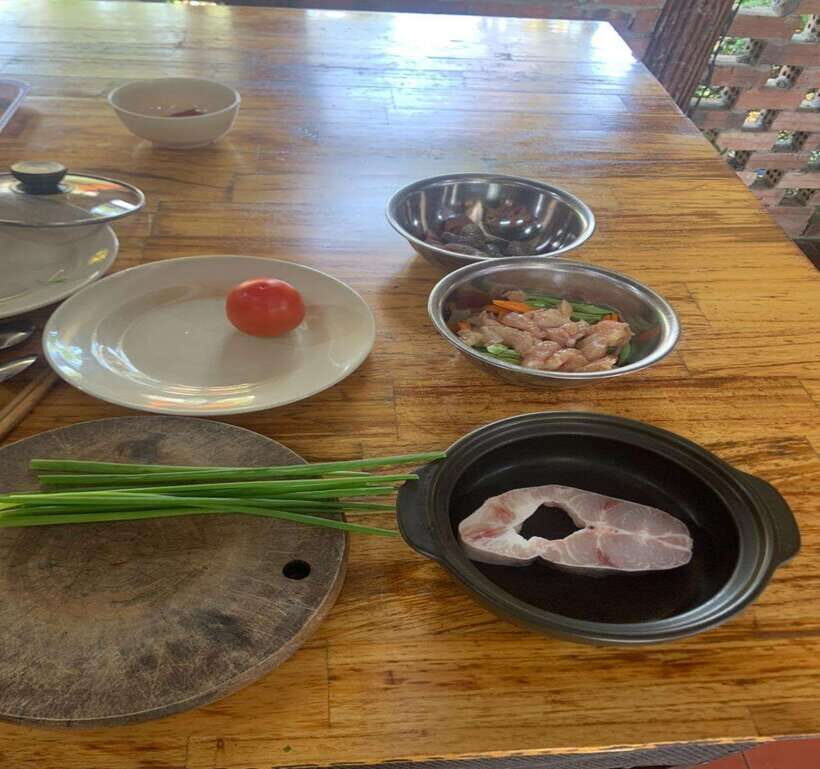
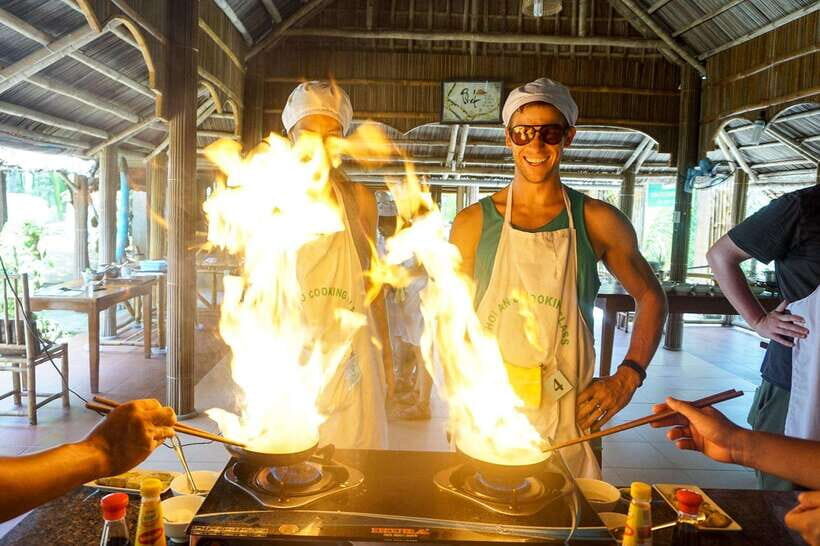
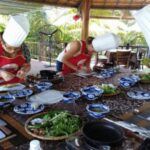
The main event is a cooking session where you make four meals from the region’s tradition. The dishes are:
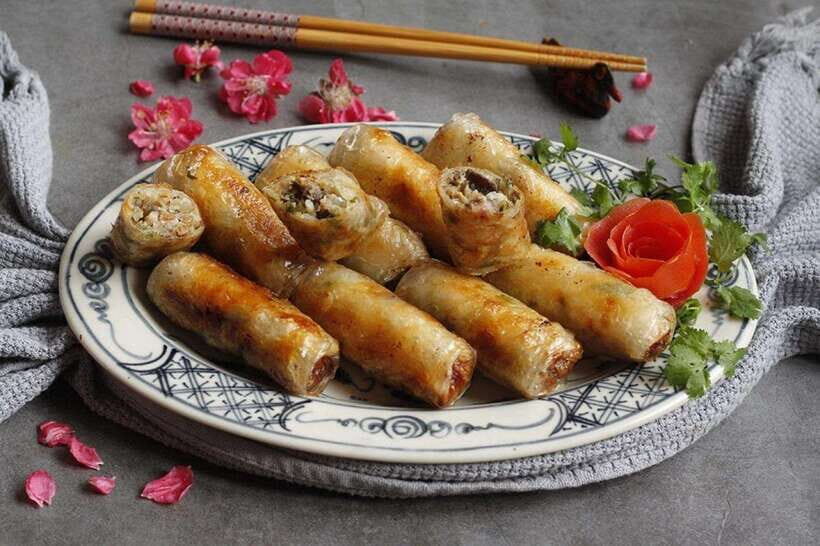
- Spring roll
- Vietnamese pan cake
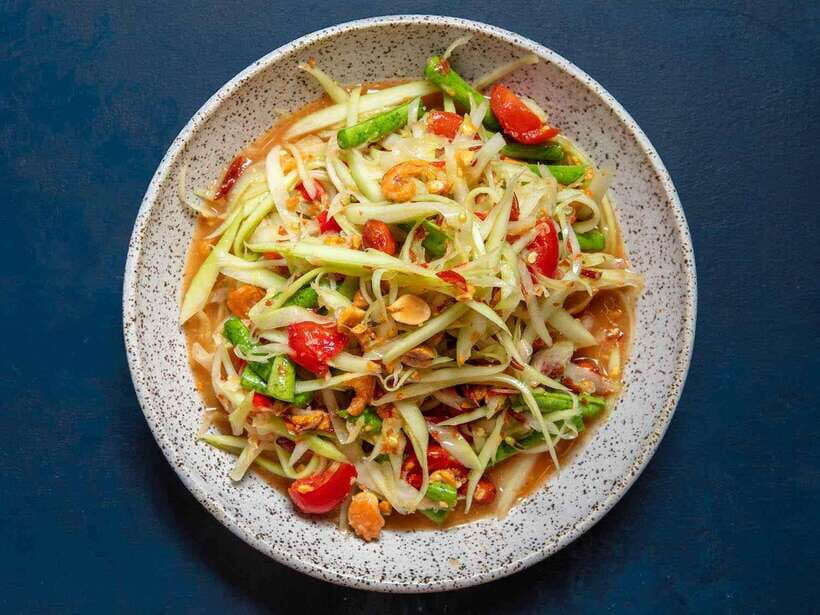
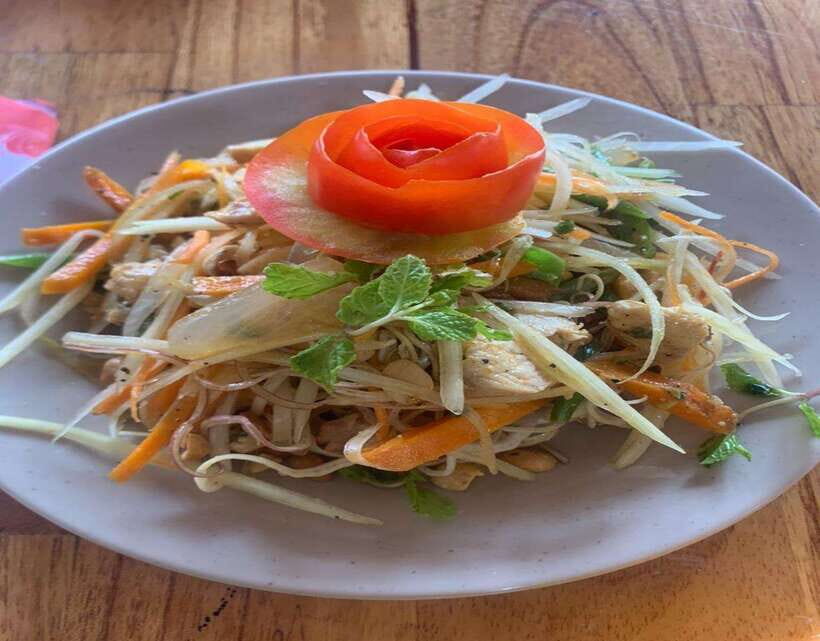
- Papaya salad
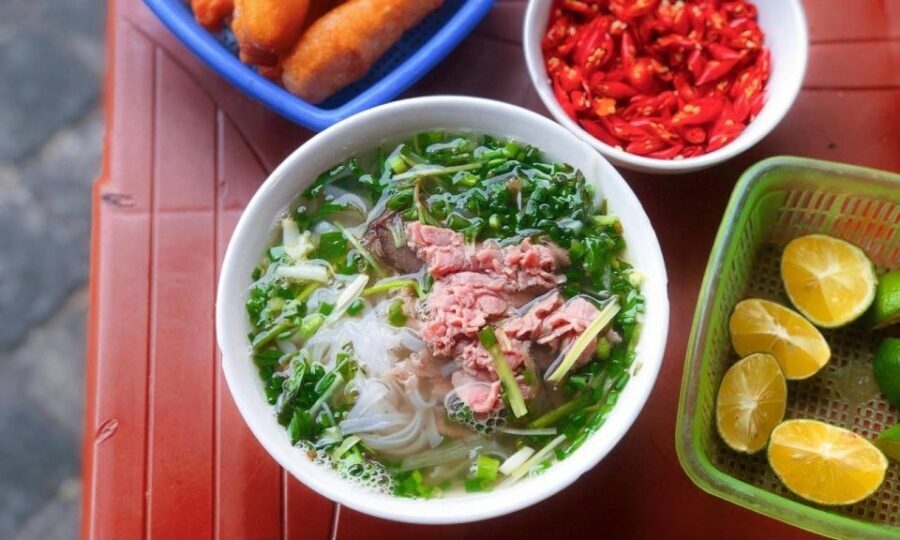
- Pho
What you’re really buying here is technique, not just a plate of food. A good cooking class doesn’t only tell you what ingredients go where—it teaches the method. That includes how to handle textures (crispy vs. tender), how to season for balance, and how Central Vietnamese flavors show up in everyday dishes.
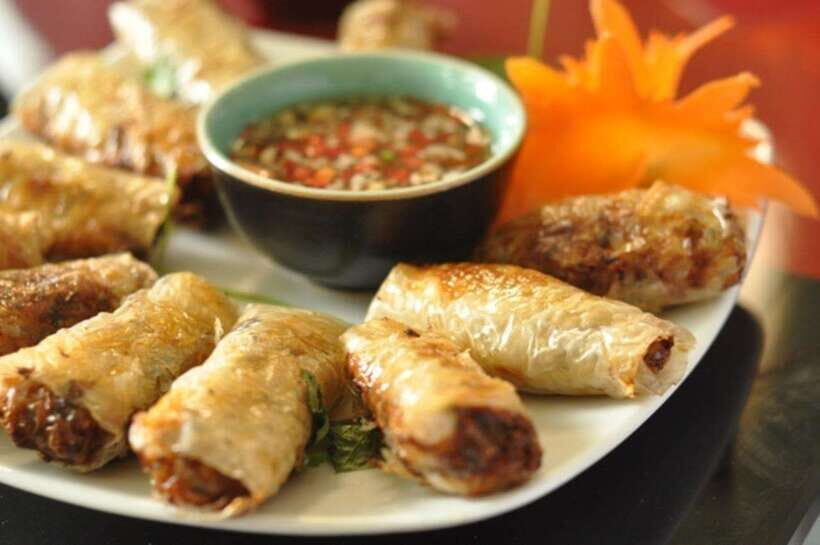
Spring roll is a great skill-builder because you practice assembly and how to manage filling distribution. Vietnamese pan cake (often called bánh xèo in Vietnam) is another hands-on lesson, since you’re working with batter and toppings that depend on timing. Papaya salad teaches the art of sour-sweet-salty balance and the fresh, crunchy side of Central Vietnamese eating. Pho rounds things out by showing how broth flavor and serving style come together for a satisfying bowl.
You’ll cook and then eat your results. That’s why this class feels worth it: you don’t just learn in theory.
Also pay attention to the final recipe support. You can receive the cooking receipt whenever you like, which is useful if you want to slow down after the class and replicate the dishes with less guesswork.
You can also read our reviews of more cooking classes in Hoi An
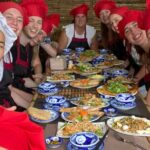
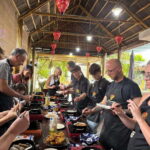

Lunch and meals: eating on the same schedule you learn
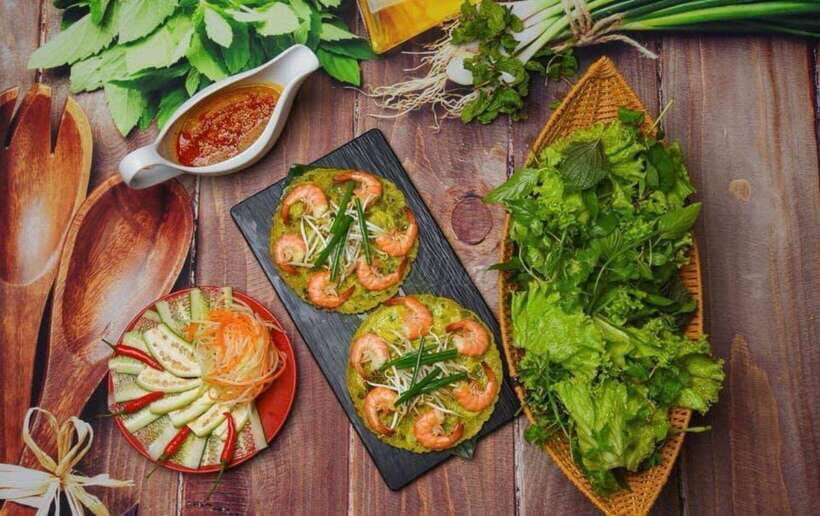
Lunch (and/or meals, depending on the time slot) is included. That’s a big value point because it turns the class into a full experience, not a half-finished lesson that leaves you hungry and hunting for food afterward.
I like that the food is tied to the cooking you just did. You get instant feedback—does the salad taste right, does the pho balance correctly, does the pan cake have the right texture? That feedback is hard to get from watching videos at home.
If you’re someone who usually orders meals based on what sounds good, this class gives you a better skill-based approach. You start tasting with a purpose: acidity, herbs, saltiness, and how a dish should feel in your mouth.
The guide and group energy: English instruction you can follow
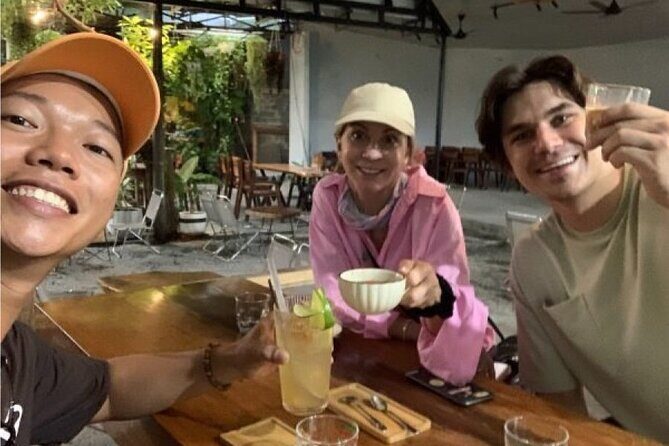
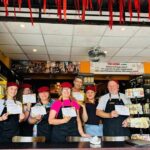
The guide speaks English, and the group is described as small, which matters for confidence. In a small group, you can ask questions and get corrections fast—especially with rolling, mixing, or timing anything that might go wrong if you overstay the heat.
One guide name that shows up in the experience is Jennifer, and her energy is specifically called out as a reason people felt the outing was worth it. Even without assuming anything about every day, it signals a team that can keep the class fun and moving.
The best part of a good guide here is clarity. Cooking Vietnamese dishes can feel intimidating if you don’t know what to watch for. Having an English-speaking instructor helps you connect instructions to what your hands are doing.
Price and value at about $25: what you’re really getting
At $25 per person, this price lands in a sweet spot for Hoi An. You’re not just paying for a kitchen session. You’re also paying for the market ingredient shopping component, the coconut boat ride, lunch, and hotel pickup/drop-off.
So your value comes from four buckets:
- Food instruction (four dishes)
- Food sourcing (the market segment)
- Transportation around the experience (pickup/drop-off)
- Included meal(s)
If you were to replicate this on your own—market trip, boat rental, a guided cooking session, and lunch—you’d likely spend more and still miss the structured flow.
Where I’d be honest: this is not a slow, leisurely cooking vacation. The schedule is designed to fit multiple steps in a fixed window, so you should go in ready to participate and keep pace.
Things that can affect your experience: pace, choices, and communication
From what’s shared about the experience, the biggest variable is how the day flows for your specific time slot and how strictly you follow the plan. One caution I’d give you is simple: to get the full combo, don’t skip the pieces early in the morning or afternoon flow.
There’s also a recurring note that the class can feel a bit rushed. That doesn’t automatically mean it’s low quality. It means the instructor and group keep moving to complete all four dishes and fit the included meal. If you’re the type who loves going step-by-step and taking notes forever, you might wish for a slower pace.
Weather can also change the vibe during the coconut boat ride. If it’s raining, you may get wet and the ride can feel more adventurous. Bring practical clothes, and don’t plan a hair-drying miracle afterward.
Finally, pickup timing and meeting clarity matter. If your hotel is outside the central pickup area, you must go to the meeting point on your own. That’s easy to handle if you plan ahead.
Should you book this cooking class + basket boat?
I think you should book if you want a hands-on food experience that also shows you a different side of Hoi An. This is a solid pick for couples, solo travelers, and small groups because you’re guided, you’ll eat well, and you’ll leave with practical dishes you can actually recreate.
Skip it (or at least set expectations) if you want a slow, relaxed day with tons of time for wandering. This outing is more structured. It moves from market to boat to kitchen on a tight schedule.
If you’re flexible and want good value, the $25 price plus pickup/drop-off and included meals is the kind of deal that can feel surprisingly efficient in Central Vietnam. And if booking options like pay later make planning easier for you, that can help too.
If you want one short list before you go: sunscreen, comfortable clothes, stable footwear, and an appetite for sour-sweet salads and savory bowls.
FAQ
How long is the activity?
The duration is listed as 2 hours to 140 minutes.
How much does it cost?
The price is $25 per person.
What dishes will I learn to cook?
You’ll cook four dishes: spring roll, Vietnamese pan cake, papaya salad, and pho.
Is lunch included?
Yes. Lunch is included, and meals are part of the cooking session.
Is pickup and drop-off included?
Yes. Pickup and drop-off service is included, with pickup at hotels in central Hoi An.
What if my hotel is not located in Hoi An?
If your hotel is not located in Hoi An, you should go by yourself to the meeting point.
Where is the meeting point?
Trần Nhân Tông, Cẩm Thanh, Thành phố Hội An, Quảng Nam.
What should I bring, and what is not allowed?
Bring sunscreen and wear comfortable clothes. Alcohol and drugs are not allowed.
Can I get the cooking receipt?
Yes. You can receive the cooking receipt whenever you like.