REVIEW · HOI AN
Hoi An: Authentic Cooking class in organic Herb Village
Book on GetYourGuide →Operated by Tra Que Water Wheels Company Limited · Bookable on GetYourGuide
Herbs, bikes, and dinner in one morning. This Hoi An class is built around Tra Que Vegetable Village life, with a market stop and a calm, green herb area before you cook and eat what you learned.
Two things I really like: the local market tour helps you understand ingredients before you touch a pan, and the family-led cooking time feels hands-on, not like a demo.
You should know one practical consideration up front: the day runs rain or shine, and you’ll do about 20 minutes of cycling through the countryside. If you’d rather not bike, plan your comfort level before you book.
In This Review
- Key Highlights Worth Your Time
- From Pickup to the Market: Learning Ingredients Before You Cook
- The 20-Minute Bike Ride Through Rice Country
- Tra Que Herb Village: A Quiet Place Built on Manual Growing
- Inside Water Wheel: Four Courses, Cooked and Eaten in Sequence
- Dessert and the Return to Town
- Basket Boat Option in the Coconut Village
- Why This Farm-to-Fork Format Is Great Value at $41
- What You Can Adapt For Allergies and Diets
- Who This Tour Fits Best (and Who Should Think Twice)
- Quick Tips to Make Your Day Easier
- Should You Book the Tra Que Organic Herb Village Cooking Class?
- FAQ
- Is the cooking class in English?
- Do I get picked up from my hotel?
- What happens if it rains?
- Is there cycling involved?
- What food options are available for dietary restrictions?
- What is included in the $41 price?
Key Highlights Worth Your Time
- Market-to-meal context: see ingredients at the source, then cook them with confidence
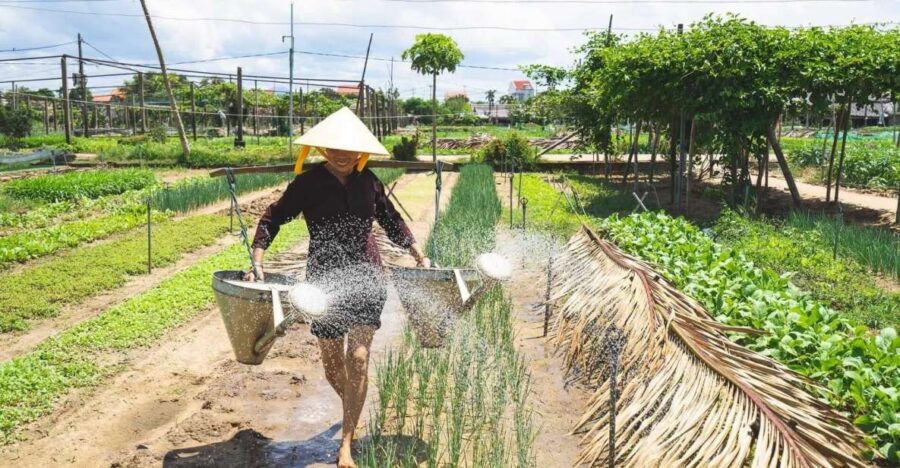
- Tra Que herb fields: peaceful, fragrant, and grown using manual methods
- Small-group cooking: four courses, cooked in sequence and eaten as you go
- Traditional tools and flavors: classic Vietnamese dishes with the right methods
- Family atmosphere: instructors like Vi, Ruby, Suan, and family members make it feel personal
From Pickup to the Market: Learning Ingredients Before You Cook
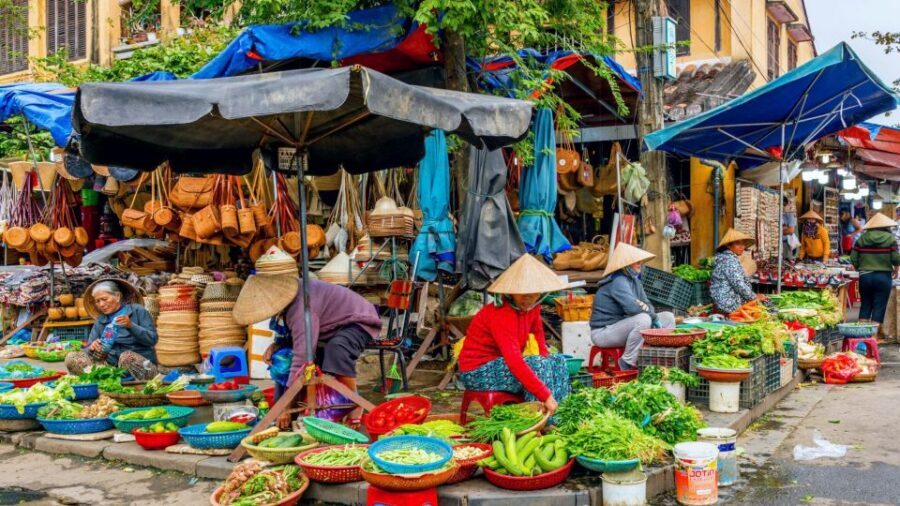
Your day usually starts with pickup from your hotel, then a short ride to the action—by bicycle, motorbike, or car depending on what’s easiest that morning. The instructor (you may meet people like Vi or Ruby) guides you through the local market, where buying and selling feels like a daily routine, not a tourist show.
In the market, you focus on real cooking ingredients: herbs, fruits, and the spices people use every day. One of my favorite parts here is that you don’t just look—you get explanations that connect each ingredient to flavor, texture, and use. You may even get to sample items right there, which makes later steps in the kitchen much simpler.
Practical note: markets can be busy and a little chaotic. Wear shoes you can walk in comfortably, and keep your phone handy for photos—but don’t get so focused on pictures that you miss the ingredient tips.
You can also read our reviews of more cooking classes in Hoi An
The 20-Minute Bike Ride Through Rice Country
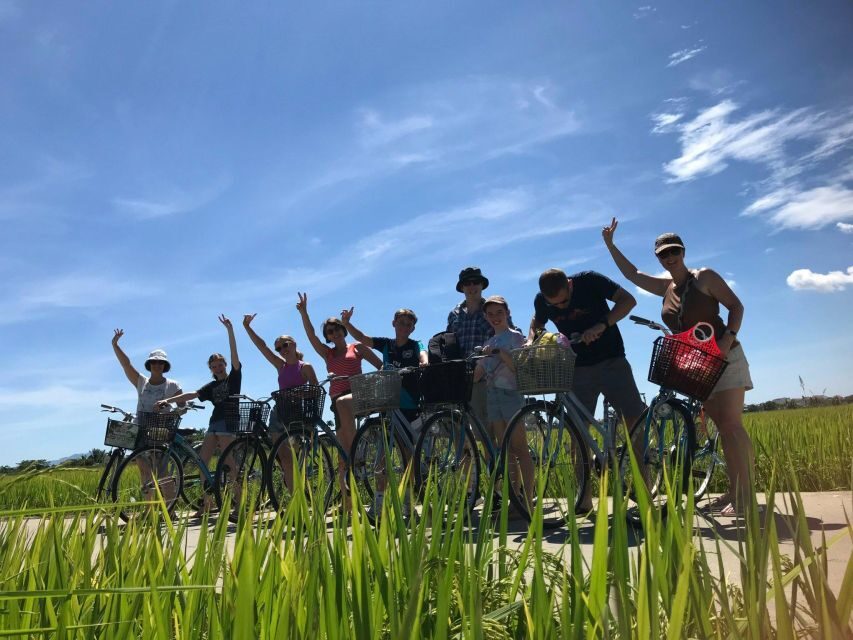
After the market, you cycle for about 20 minutes through rice fields and countryside paths. This is not a speed activity. It’s more like a moving break from the noise of Hoi An—fresh air, open views, and a chance to notice farm details like cows, ducks, and buffaloes in the area.
I like this section because it resets your brain. You’re about to eat Vietnamese food you learned from the market, and the countryside ride helps everything feel connected—farm life, ingredients, cooking, then the meal.
If rain shows up, don’t stress, but do plan for it. Bring a light rain layer and something for your shoes if you don’t want wet feet for the rest of the day. The ride is short enough that most people can handle it, but it’s still a bike moment you can’t skip.
Tra Que Herb Village: A Quiet Place Built on Manual Growing
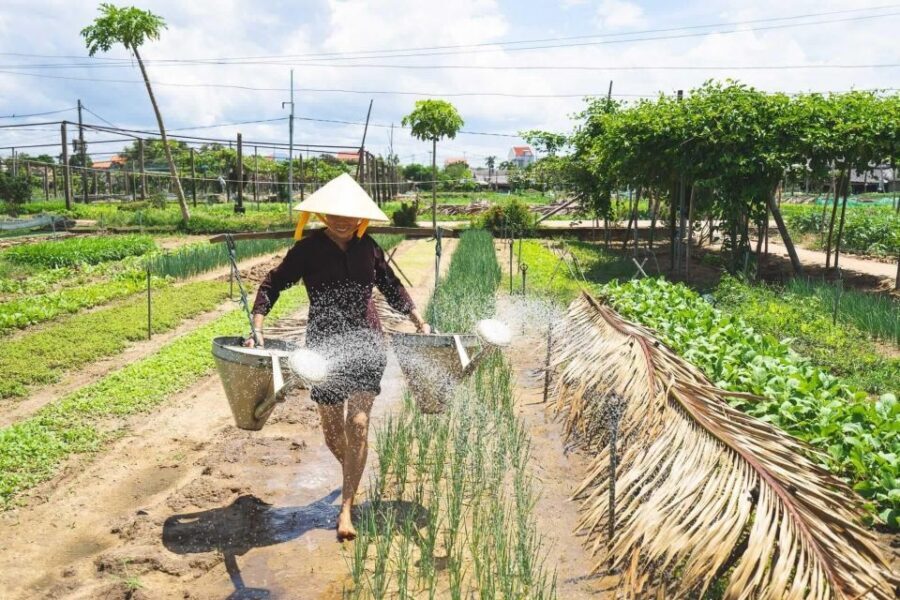
When you arrive at the herb village, it feels like someone turned down the volume. You explore an area that’s over 300 years old, where more than 30 types of herbs are grown using manual methods. There’s a calm, green, fragrant feel to it—less traffic, less machinery, more scent and texture than you get in a city.
This matters because it changes how you think about herbs. In most cooking classes, herbs are an optional garnish. Here, herbs are a core ingredient, and you start to understand why people rely on them daily.
You’ll also do an eco-style tour through the area, guided by the local team connected with Tra Que Water Wheel. If you’ve ever wondered how the same herb can taste different depending on freshness and growing style, this kind of setting gives you the answer without turning it into a lecture.
The only heads-up I’d give: herbs can be strongly scented. If you’re sensitive to smells, you might want to take breaks and pace yourself when you’re close to the plants.
Inside Water Wheel: Four Courses, Cooked and Eaten in Sequence
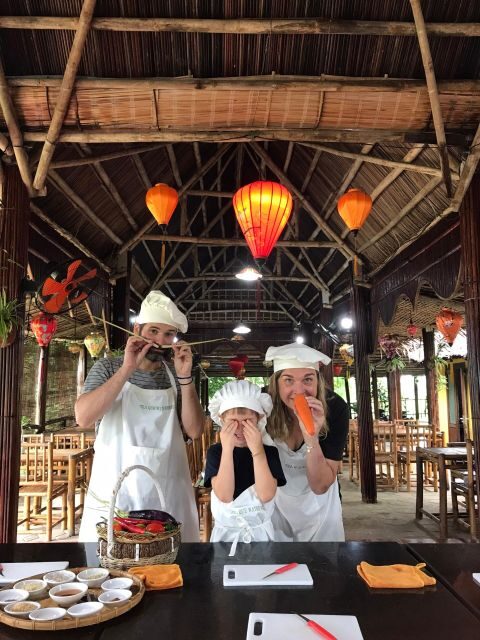
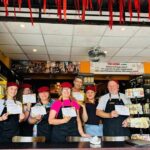
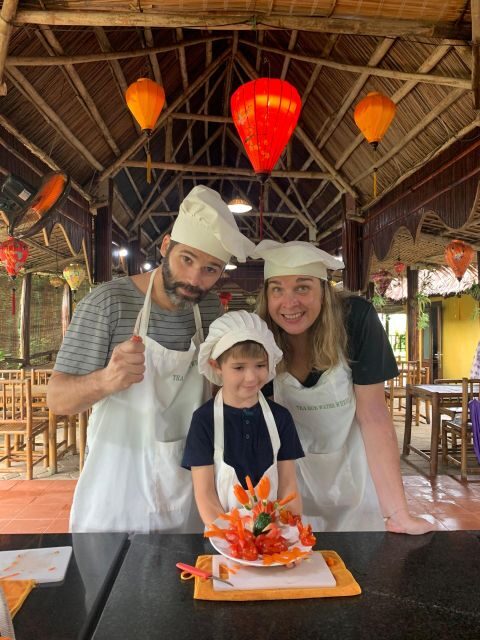
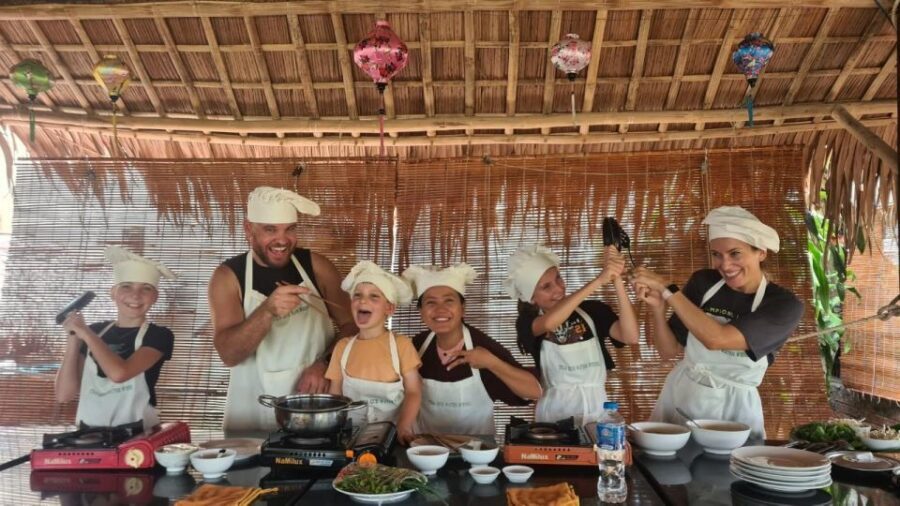
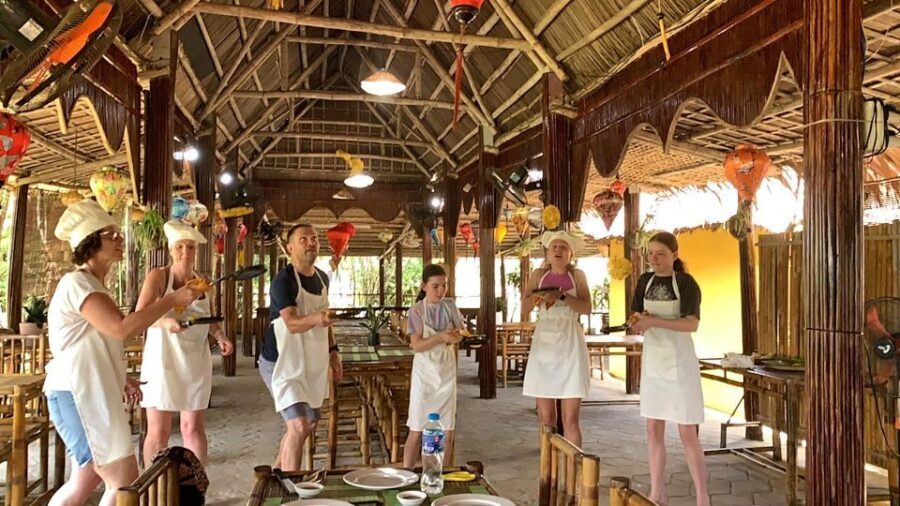
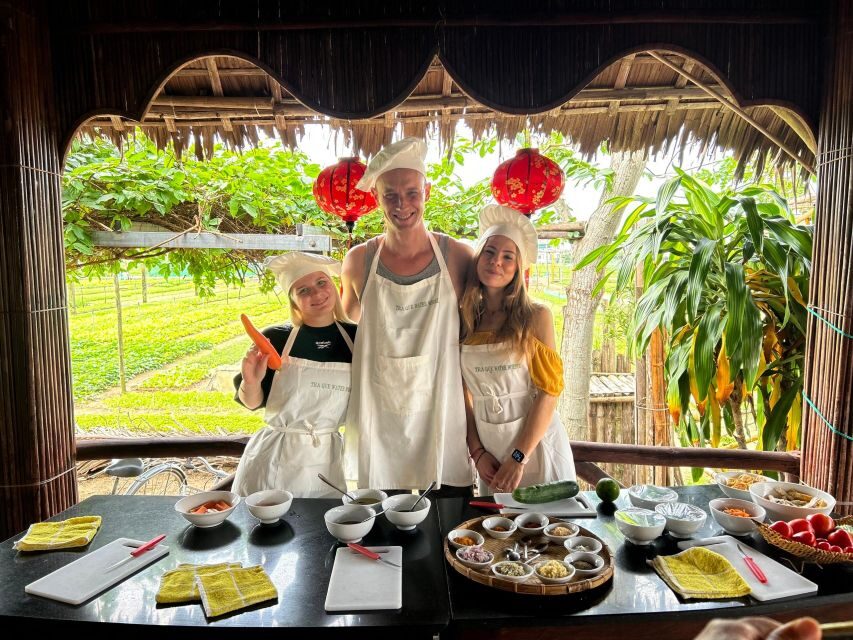
Once you reach the Water Wheel restaurant area, you start with a welcome drink and then get down to cooking. This is where the format stays practical: you follow the local chef and family member, learn specific steps, and cook dishes together in a small group. Based on how the class is described, it can be sized so you’re not stuck watching from the sidelines—more like participating in a friendly kitchen rhythm.
The menu focuses on classic Vietnamese flavors and familiar techniques. You’ll cook through courses that include favorites like papaya salad, braised fish in a clay pot, and dishes such as three friends spring roll and local pancake. You also learn about steamed rice in banana leaves as part of the meal experience.
One detail I especially like is the emphasis on traditional tools and methods. It’s not just about taste; it’s about doing it the way the dish is meant to be done. That’s the difference between cooking at home and cooking a dish that actually feels Vietnamese.
Another thoughtful piece: you’re also taught how to use natural materials to decorate a lovely dining table. It sounds small, but it makes the meal feel like an event, not just eating food you’re handed on a plate.
Dessert and the Return to Town
After the cooking and eating, there’s a fresh fruit dessert. It’s the kind of finish that keeps the meal feeling light while still letting you enjoy local sweetness.
Then you cycle back to Hoi An. I like this part because you’re leaving with the day still fresh in your mind—market ingredients, herb smells, and what you learned from each step. Back at your hotel, you’ll likely have plenty of photos and a clearer idea of how Vietnamese dishes come together.
You can also read our reviews of more tours and experiences in Hoi An


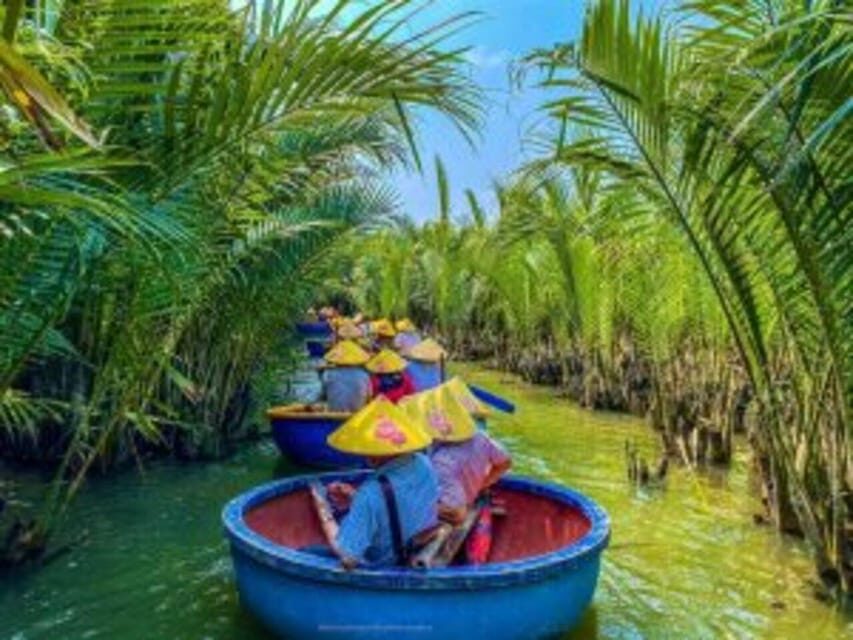
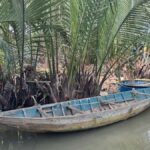
Basket Boat Option in the Coconut Village
There’s also an additional basket boat experience in a coconut village. It’s listed as extra, so it’s not automatically included in the main package.
If you enjoy hands-on, local water-life activities, it can be a fun add-on. If you’d rather keep your day simple, you can skip it and still get a full farm-to-kitchen experience.
Why This Farm-to-Fork Format Is Great Value at $41
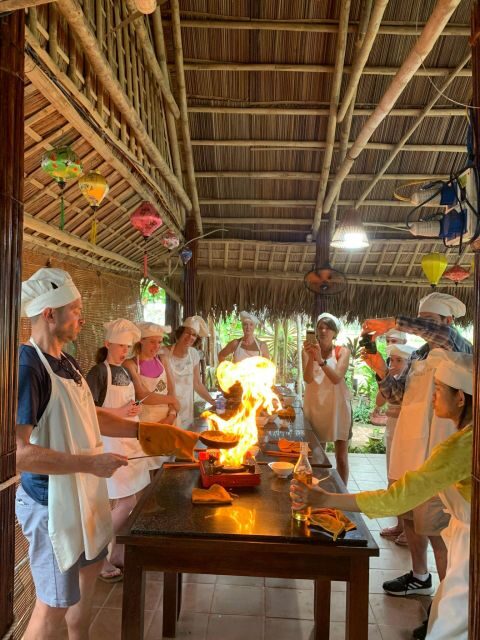
At $41 per person for group tours, this class offers more than a typical cooking lesson. You’re paying for a whole chain: market visit, countryside cycling, eco tour in an herb village, welcome drink, cooking instruction, four-course meal structure, and dessert. Even the time spent learning ingredients before cooking is part of the value—because it improves how well you can repeat these dishes later.
It’s also a good deal compared with stand-alone market tours plus separate cooking classes. Here, they’re stitched together into one flow, so your food learning has context.
A practical note: full payment is required at booking for this tour. If that makes you uneasy, consider whether you know your plans are solid. The tour also runs every day of the year, which helps if you’re trying to fit this into a tight schedule.
What You Can Adapt For Allergies and Diets
You should tell the team about food allergies and dietary needs ahead of time, including vegetarian, vegan, dairy-free, gluten-free, and more. The class is set up to handle requests when you communicate them early.
For example, there’s at least one reported case of a pescatarian menu being accommodated. That’s a good sign: the kitchen seems willing to work with different needs rather than treating everyone the same.
If you’re traveling with serious allergies, be clear about what you can and can’t eat. Don’t assume they’ll guess. This is one situation where being direct saves everyone stress.
Who This Tour Fits Best (and Who Should Think Twice)
This cooking class is ideal if you want Vietnamese food learning tied to daily life—market shopping, herb village growing, and then classic dishes cooked by family members. If you enjoy rural scenery, calm walking areas, and a day that feels “local” rather than staged, you’ll likely love it.
It’s also good for families. Children 7 years or older can join at full price. Kids 6 and younger can follow along, but for safety reasons they won’t do actual cooking. The materials and menu options for the youngest group are handled through direct ordering from an a la carte menu.
One group that should pause first: people who can’t handle cycling at all, since there’s about 20 minutes on the bike as part of the route. The rest of the experience is active and outdoorsy, so plan accordingly.
Quick Tips to Make Your Day Easier
- Wear comfortable shoes for market walking and herb village paths.
- Bring a light rain layer since the tour runs rain or shine.
- If you have sensitivities to strong smells, take breaks in quieter spots among the herbs.
- Let them know allergies and dietary needs before the day starts.
- Ask about recipes during the class so you can recreate what you made at home.
Should You Book the Tra Que Organic Herb Village Cooking Class?
If you’re looking for a cooking class that actually explains where the ingredients come from, this is a strong choice. The combination of market learning, a short countryside bike ride, and a hands-on cooking day with family involvement is the kind of structure that helps you remember flavors—not just steps.
I’d especially recommend it when you want something more grounded than a city-only food tour, and when you’re excited to cook classic dishes like papaya salad and clay-pot fish in a setting where herbs truly matter.
Book it if you’re comfortable biking for about 20 minutes and you don’t mind an outdoor day even when weather changes. Skip it if cycling or rain conditions are a hard no for you.
FAQ
Is the cooking class in English?
Yes. The tour is conducted in English.
Do I get picked up from my hotel?
Yes. The chef and family member pick you up from your hotel, typically by bicycle, motorbike, or car.
What happens if it rains?
The tour takes place rain or shine.
Is there cycling involved?
Yes. There is cycling to Tra Que Island, including about 20 minutes through rice fields.
What food options are available for dietary restrictions?
You can request vegetarian, vegan, dairy-free, gluten-free, and other needs. You should inform the provider about allergies and dietary requirements in advance.
What is included in the $41 price?
Included are the market visit, cycling, a welcome drink at Water Wheel Restaurant, an eco tour through the Tra Que herb village, countryside life, the cooking class with four unique courses, table decoration learning using natural materials, and a fruit dessert. Basket boat in the coconut village is listed as additional.