REVIEW · HOI AN
Hoi An: 2.5-Hour Street Food Tour
Book on GetYourGuide →Operated by HOI AN FOOD TOUR · Bookable on GetYourGuide
Hoi An smells like dinner after dark. This 2.5-hour street food tour turns the city’s everyday snacks into an easy, guided tasting route, with a small group and real local stops. I like that you get a clear plan for what to try (and what to avoid), plus an English-speaking guide who helps you understand what you’re eating.
Two things I especially like: you eat a region-specific mix like Cao Lau, plus classics such as banh mi and banh khot, not just generic street bites. And you also get a chance to see daily life through a stop at a local person’s house, which makes the food feel more personal than just another meal.
One consideration: this is not for everyone. The tour is not suitable for pregnant women, and it is walking-focused, so you’ll want to be comfortable with about 2–2.5 km of strolling.
In This Review
- Key highlights worth getting excited about
- A 2.5-hour Hoi An street-food walk is the sweet spot
- The food lineup: Cao Lau, banh mi, banh khot, and coffee
- Cao Lau: the Hoi An specialty you came for
- Banh my (banh mi): the handheld classic
- Banh khot: crispy, small, and fun to share
- Grilled pork and spring rolls: comfort food that anchors the tour
- Sweet soup and rice-paper wrapped bites (when served)
- Vietnamese coffee: the finish with a sweet bite
- Markets and street stalls: how the guide helps you eat like you belong
- The local home stop: why it feels different after the market
- Pacing and practical tips: walking comfort, timing, and what to eat beforehand
- Price and value: what $29 buys you in Hoi An
- Who should book, and who should skip
- Should you book this Hoi An street food tour?
- FAQ
- What is the duration of the Hoi An street food tour?
- How far do you walk during the tour?
- What is included in the price?
- Is hotel pickup and drop-off included?
- Is the tour conducted in English?
- Do I need to eat beforehand?
- Are there any dietary restrictions I should mention?
- Will the menu always be the same?
- Is the tour suitable for pregnant women?
- What is the cancellation policy?
- What’s the main food list you’ll try?
Key highlights worth getting excited about
- Cao Lau on the street: a Hoi An specialty you can only really appreciate when someone explains it while you eat.
- Banh mi and banh khot included: you get both the warm sandwich style and the crispy mini pancake bite.
- Grilled pork and fried spring rolls: solid, filling comfort foods that balance the noodle and snack items.
- Vietnamese coffee is part of the meal: sweet coffee is served as a tasting, not an afterthought.
- A local home visit: you go beyond street vendors to see how people live and eat.
- Small group pace: it stays friendly and manageable during a 150-minute walk.
A 2.5-hour Hoi An street-food walk is the sweet spot
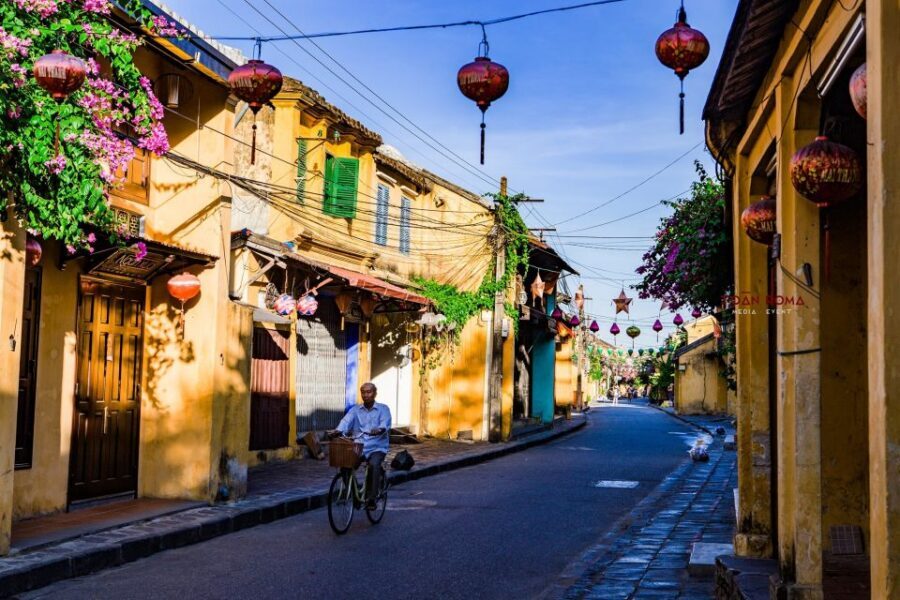
Hoi An can feel food-heavy in the best way, and this tour gives you structure without turning it into a marathon. The time on the ground is about 150 minutes, and the route covers roughly 2–2.5 km. That’s a workable distance if you’re sightseeing anyway, but you still get plenty of bites.
I also like the small-group setup. It usually means you can ask questions, get help ordering, and keep the flow moving when street stalls get busy. Since the tour includes all food as described, you’re not doing mental math mid-walk. You just show up with room for food and let the route do its job.
There’s no hotel pickup or drop-off, so plan to reach the meeting point on your own. The upside is you lose less time to transfers and can start tasting faster.
You can also read our reviews of more food & drink experiences in Hoi An


The food lineup: Cao Lau, banh mi, banh khot, and coffee
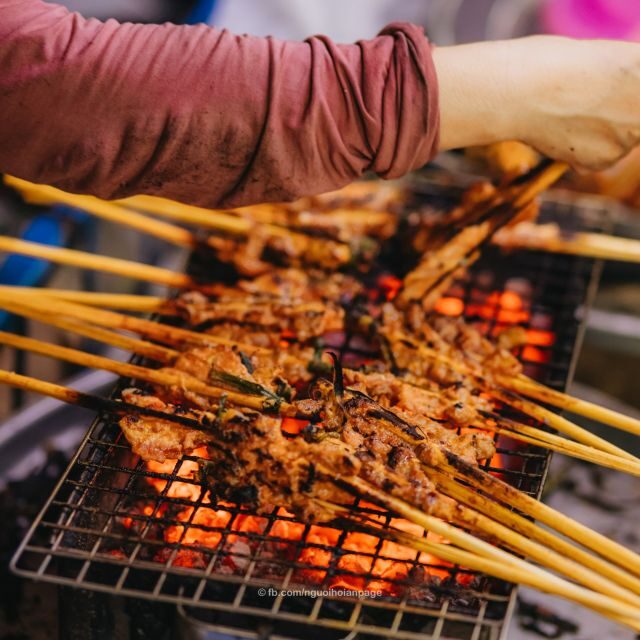
This is the part you care about most, and the menu is built around a smart mix of carbs, savory mains, crispy snacks, and sweet drinks. Expect to work your way through a lineup that includes Vietnamese bread, Cao Lau noodle, beef noodle, a Vietnamese pancake, grilled pork, fried spring roll, and café.
Here’s how those items usually land on the palate, and why they matter:
Cao Lau: the Hoi An specialty you came for
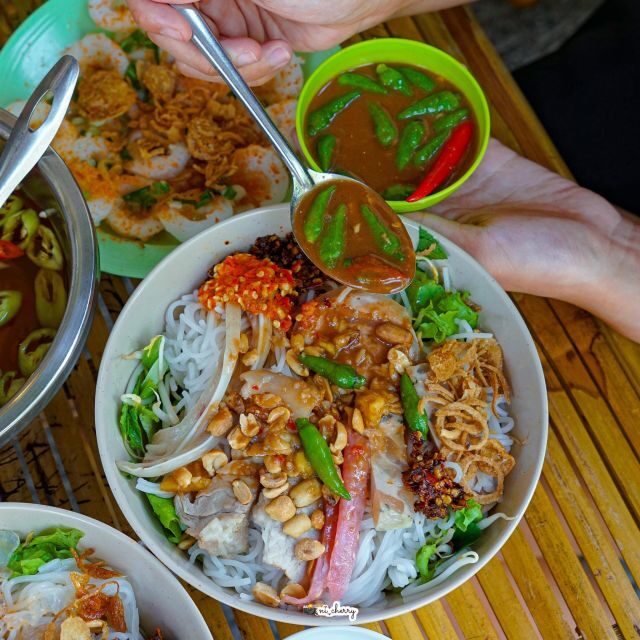
Cao Lau is the regional anchor. It’s not just another noodle dish. Even if you’ve eaten noodles before, Cao Lau feels like it belongs to Hoi An’s own flavor rhythm—one that you notice right away. The guide’s role here is key: they help you understand what makes it distinct so you can taste it more intentionally.
Banh my (banh mi): the handheld classic
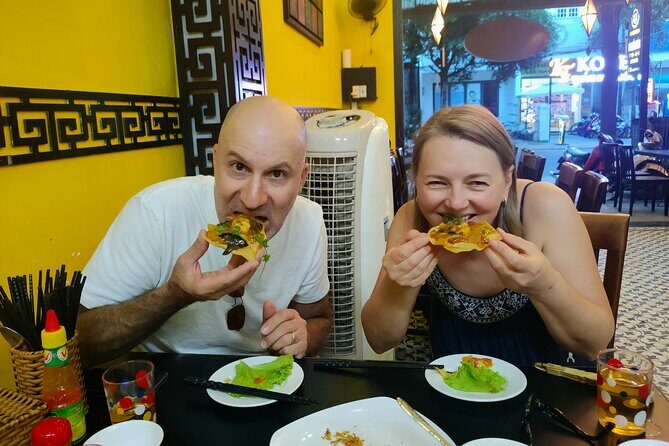
You’ll also try Banh My, also known as banh mi. This is a Vietnamese staple sandwich filled with savory ingredients. I love that it breaks up the meal with something quicker and more portable than noodles. It also gives you an instant sense of Vietnamese street-eating style: crunchy, salty, and layered.
Banh khot: crispy, small, and fun to share
Banh Khot is a crispy bite-sized mini pancake. It’s the kind of food that’s easy to eat on the go, but still feels like a real dish, not a filler. You’ll get that satisfying crunch that contrasts with the softer noodles and sandwiches.
You can also read our reviews of more tours and experiences in Hoi An



Grilled pork and spring rolls: comfort food that anchors the tour
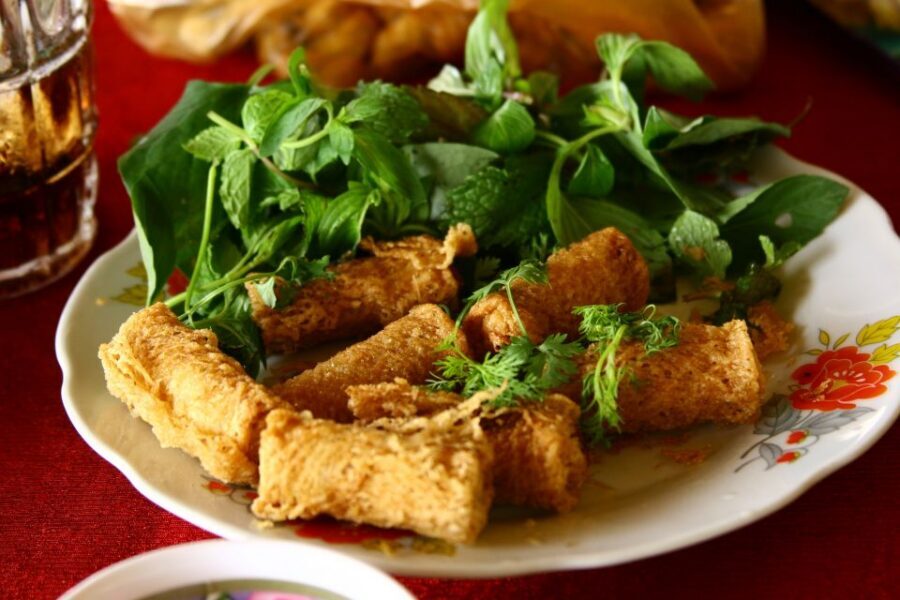
Then you move into more substantial savory hits: grilled pork and fried spring rolls. These make the tour feel like a meal, not just a snack parade. If you’re the type who needs something warm and hearty, these stops are where you’ll feel the value.
Sweet soup and rice-paper wrapped bites (when served)
The tour description also mentions sliced pork wrapped in rice paper and sweet soup, plus the spring-roll style bites. These are the foods that often taste more “homey” and less like street food marketing. They’re also a reminder that Vietnamese street meals can be both casual and genuinely comforting.
Vietnamese coffee: the finish with a sweet bite
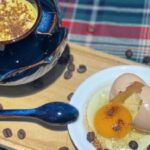
A cup of Vietnamese coffee wraps it up. It’s described as sweet, and that’s helpful because it balances all the savory food you’ve been eating. This is also one of those experiences where a guide helps you interpret what you’re tasting, especially if you’ve never had Vietnamese style before.
Markets and street stalls: how the guide helps you eat like you belong
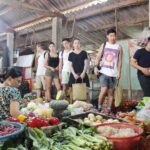
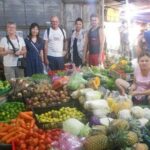
A good street food tour is not only about what’s on the menu. It’s about how you reach it. This walk includes time at local markets and stops at street food vendors, which is where a guide earns their keep.
I like the practical angle here. Instead of you wandering and guessing what’s safe, what’s fresh, and what locals actually order, the tour route does that thinking for you. The guide helps explain Vietnamese food culture as you taste, so you’re learning while eating, not stopping every five minutes for a lecture.
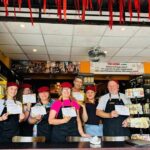
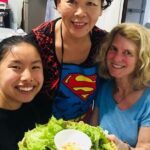
English-speaking guidance matters too. You’re not just swallowing bites—you can ask what the ingredients mean, why a dish is local, or what to look for in texture. In the feedback, guides like Nancy, Quin, and Jacky show up repeatedly, and the common theme is that they keep things friendly while pointing you to places you likely would not find on your own.
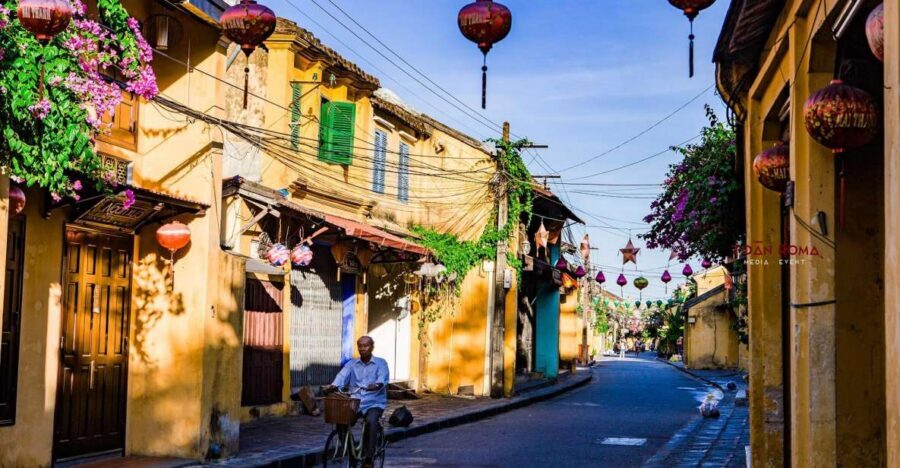
And yes, you’ll cover the city streets on foot. You’ll likely pass the kind of storefronts and stalls that make Hoi An feel lived-in, not staged for food selfies. That’s part of the charm.
The local home stop: why it feels different after the market
One of the most meaningful parts of this tour is the visit to a local person’s house. It’s not about watching cooking like a show. It’s about stepping into a homely atmosphere where food and daily life are connected.
This matters because it changes your frame. Street food is often about speed and convenience. A home visit adds context—how the same flavors fit into ordinary routines, and how families eat, share, and snack. You’re tasting typical foods, but you’re also seeing where that food belongs.
In a tour built for variety—noodles, sandwich, crispy pancake, grilled meat, spring rolls—the home stop can be a palate reset. It’s the point where the experience stops feeling like a checklist and starts feeling like a cultural conversation.
Pacing and practical tips: walking comfort, timing, and what to eat beforehand
The tour lasts 150 minutes and covers 2–2.5 km. That means you’ll be on your feet for most of it, moving from market areas to food stops and then into the house visit. It’s not an all-day trek, but it also isn’t a sit-down dinner.
So plan your day like this:
- Eat light lunch or nothing before the tour.
- You likely won’t need dinner after—the tour includes all food items listed, plus coffee and bottled water.
Wear shoes you can rely on. Street surfaces can be uneven, and you’ll want stable footing. Also, carry yourself like you’re on a casual walk-through meal route: you’ll be tasting, not dining formally.
Bottled water is included, which is a big practical win on warm days. Still, pace yourself. Some items are quick bites, and some are more filling. If you’re tempted to rush through everything, you’ll feel it later.
Dietary restrictions are something you should handle early. The tour asks you to advise the supplier of any dietary restrictions when booking. If you have allergies or avoid certain foods, don’t wait until you arrive. Tell them ahead so they can plan as best as possible.
Also note: the menu may differ on the 1st and 15th of the lunar calendar, since many local shops close on those dates. That’s not a dealbreaker, but it does mean you may get a slightly different mix than the standard list.
Price and value: what $29 buys you in Hoi An
At $29 per person, this is priced in the “you should consider it” zone rather than a premium splurge. The real value is what’s bundled together: all food as per the tour description, plus bottled water and a tour guide.
If you’ve ever paid street-food prices in Vietnam, you already know how fast costs add up when you stop frequently. Noodle portions, sandwiches, crispy snacks, grilled items, and coffee aren’t expensive one by one. But together across several stalls, a self-guided crawl can easily become costlier than it looks. This tour saves you from that.
The guide also adds value beyond the food. They bring you to spots you might miss. They help you taste the local specialties like Cao Lau with the right context, and they keep the route smooth so you aren’t wasting energy hunting for the next place.
Small group pace is part of the value too. More personal attention is easier in a smaller group, and that usually means better guidance on what to order and how to approach each stall.
Bottom line: if you want a well-fed introduction to Hoi An street food without spending your day figuring it out, $29 makes sense.
Who should book, and who should skip
This tour fits best if:
- You want a guided way to eat Hoi An specialties in about 2.5 hours.
- You like variety: noodles, sandwiches, crispy pancakes, grilled pork, spring rolls, and sweet coffee.
- You enjoy the cultural angle, especially the stop at a local person’s house.
- You prefer an English live guide.
It’s less ideal if:
- You’re pregnant, because it’s not suitable for pregnant women.
- You want a very slow, mostly seated experience. This is walking-focused.
- You need highly specialized dietary accommodations. The tour asks you to share dietary restrictions when booking, but the menu is still based on local items, so you’ll want to be clear about what you can and can’t eat.
Should you book this Hoi An street food tour?
I’d book it if you’re the type who likes to trade “wandering time” for “tasting time.” This experience gives you a tight route, a menu that covers the classics and local specialties, and an English guide who helps you eat smarter, not just more.
Skip it if walking 2–2.5 km and tasting several savory items sounds exhausting, or if it isn’t right for your medical situation—again, not suitable for pregnant women.
If you’re visiting Hoi An and want a meaningful food story (not only a list of dishes), this tour does that. The mix of Cao Lau, banh mi, banh khot, grilled pork, spring rolls, and Vietnamese coffee, plus the home stop, makes it feel like you ate with the city instead of just in it.
FAQ
What is the duration of the Hoi An street food tour?
The tour lasts 150 minutes, which is about 2.5 hours.
How far do you walk during the tour?
The distance is approximately 2–2.5 km.
What is included in the price?
The price includes all food as per the tour description, bottled water, and a tour guide.
Is hotel pickup and drop-off included?
No, hotel pickup and drop-off are not included.
Is the tour conducted in English?
Yes, the live tour guide speaks English.
Do I need to eat beforehand?
It’s recommended that you only eat a light lunch or nothing before the tour, so you won’t need to eat dinner after.
Are there any dietary restrictions I should mention?
You should advise the supplier of any dietary restrictions when booking.
Will the menu always be the same?
The menu can be a bit different on the 1st and 15th of the lunar calendar because many local shops close on those dates.
Is the tour suitable for pregnant women?
No, it is not suitable for pregnant women.
What is the cancellation policy?
You can cancel up to 24 hours in advance for a full refund.
What’s the main food list you’ll try?
The menu includes Vietnamese bread, Cao Lau noodle, beef noodle, Vietnamese pancake, grilled pork, fried spring roll, and cafe.