REVIEW · HOI AN
From Hoi An/ Da Nang: Hoi An City Tour & Release Lanterns
Book on GetYourGuide →Operated by Travel & Explore In Vietnam · Bookable on GetYourGuide
Lanterns turn Hoi An into a slow dream. This 4-hour afternoon-to-evening tour pairs ancient houses with a river lantern release, plus shopping time so you actually feel the town instead of just passing through.
I especially like the chance to see Phuc Kien Chinese Assembly Hall up close and then swap streets for architecture at the ancient houses like Phung Hung Ancient House or Tan Ky Ancient House. I also really enjoy the stop at the Japanese bridge, where the carvings and paintings add meaning, not just Instagram angles.
One heads-up: parts of the day are built around shopping time, including the market and handicraft/art-gallery stops, so if you want a strict sightseeing-only itinerary, this may feel a little retail-heavy.
In This Review
- Key highlights worth planning around
- Hoi An after dark: why this tour works better than a solo wander
- Price and what you’re really paying for at $32
- The afternoon start: 2:30 pm and a market stop that sets the tone
- Phuc Kien Chinese Assembly Hall: gates, dragons, and a very visual story
- Ancient houses: Phung Hung or Tan Ky lets you read wealth in wood and space
- Museum time in a 150-year-old Chinese merchant house
- Japanese bridge: more than a photo bridge
- Handicraft shops and art galleries: a last taste of Hoi An’s creative side
- The boat ride and flower lantern release: the highlight you’ll remember
- Timing that keeps you comfortable: 2:30 pm to about 6:30 pm
- Included vs. not included: what you should budget for
- Who should book this Hoi An City Tour & Lantern Release?
- Should you book? My honest call
- FAQ
- What is the duration of the tour?
- What time does the tour usually start in the afternoon?
- What time does the tour end?
- Where does pickup and drop-off happen?
- Is an English-speaking guide provided?
- What is included in the boat portion?
- Do I need to bring water?
- Are tips included in the price?
- Is there a holiday surcharge?
- Is free cancellation available?
Key highlights worth planning around
- Lantern boat ride with your own flower lantern as the big night moment
- Phuc Kien Chinese Assembly Hall with dragon statues, ornate roofs, and ceremonial gates
- Phung Hung or Tan Ky Ancient House: 200-year survival you can still walk around
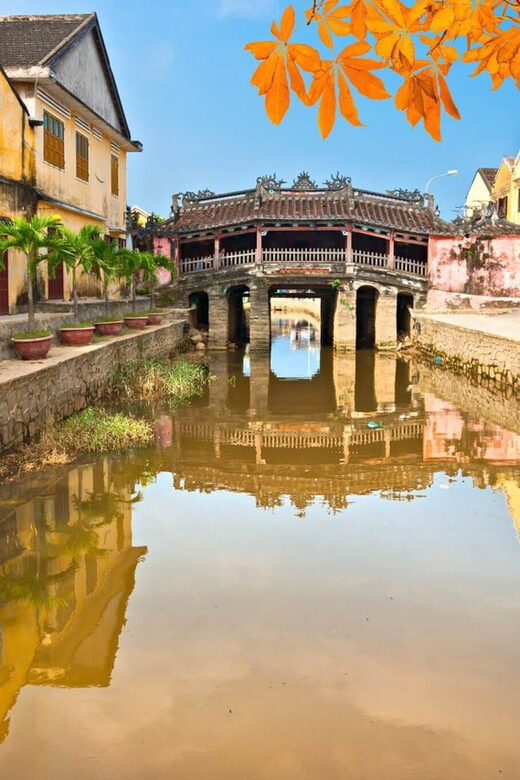
- Japanese bridge symbolism plus a 400+ year-old reason it exists
- Hoi An Market for practical browsing of clothing and tailor-style shopping
- Ancient-town streets lit for romance right before the boat
Hoi An after dark: why this tour works better than a solo wander
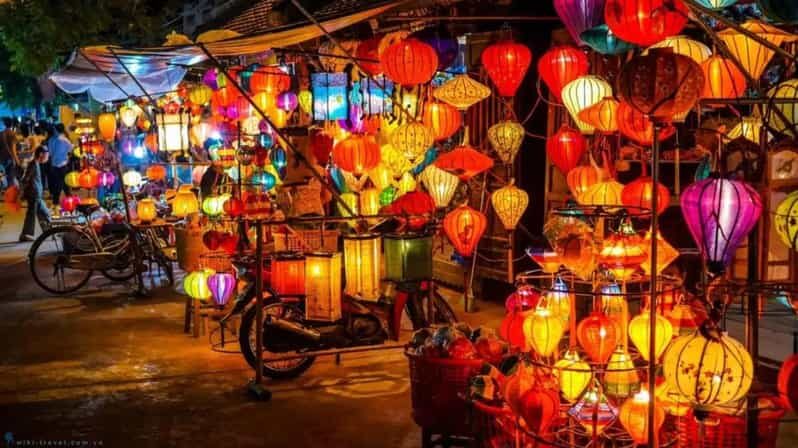
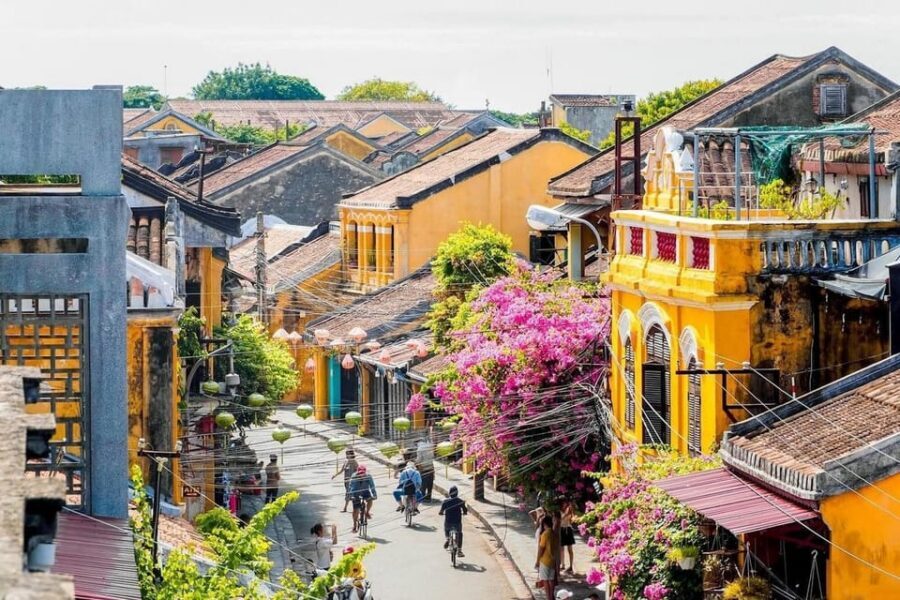
Hoi An looks good in daylight, sure. But at night, the whole rhythm changes. You’ll see rustic houses framed by glowing lantern light, and the streets feel quieter and more storybook without needing to invent any “atmosphere.” The tour keeps you moving in a logical loop: market and cultural stops first, then the town streets and finally the river boat moment.
The structure also helps if you’re short on time. You don’t just get one pretty street. You get a sequence: heritage buildings, a quick culture museum stop, then the bridge, then the lantern-lit streets, and only near the end do you reach the river. That pacing matters. It builds to the release.
You can also read our reviews of more city tours in Hoi An


Price and what you’re really paying for at $32

At $32 per person, this isn’t a “cheap and cheerful” tour, but it also isn’t trying to be fancy. Here’s what you get that’s hard to replicate easily on your own:
- An English-speaking tour guide (and other languages are available, with a surcharge)
- Pickup and drop-off in Hoi An
- A boat ride plus a flower lantern for the release
- Mineral water
Most of the value is in the combination: guided timing, the lantern boat part, and hassle-reducing logistics within Hoi An. The optional costs are fairly clear: tips for the guide/driver are not included, and there’s a holiday surcharge in Vietnam if it applies. If you like your evenings pre-planned, this is the kind of setup that feels worth it.
The afternoon start: 2:30 pm and a market stop that sets the tone
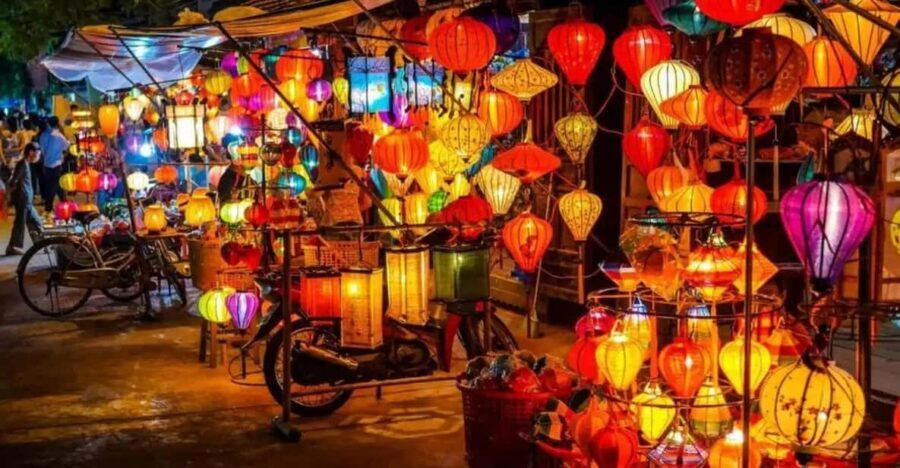
The tour typically starts around 2:30 pm, with the first stop at Hoi An Market. This isn’t a “look from the sidewalk” stop. The market is described as full of sights, colors, sounds, and smells, and it’s where you can shop for all sorts of items, including suits, vests, coats, and related clothing.
Why that matters: Hoi An is known for tailoring and garment shops, and the market is a fast way to see what people actually buy and talk about. Even if you don’t plan to purchase clothing, browsing here helps you understand the town’s economy and style—because you’ll see the same vibe later when you pass famous garment shops and craft spots.
Potential drawback: if you dislike crowded-feeling places or you want zero shopping, treat the market as a quick cultural “sense check” and move at your own pace with the group.
Phuc Kien Chinese Assembly Hall: gates, dragons, and a very visual story
Next up is Phuc Kien Chinese Assembly Hall, a structured and ornate stop that’s meant to feel ceremonial. You’ll see the “luxurious gates,” dragon statues, and elaborate roofs, plus the sense that this is a real place of worship—not just a museum façade.
What I like about this stop is how it gives you a cultural frame before the night lanterns. When you see the craftsmanship and symbolic animal motifs here, the lantern lighting later feels less random. You’re noticing design choices across different eras instead of only seeing “pretty lights.”
Practical note: plan to take your time with photos, but don’t let the camera run your whole visit. Look at the gate and roof shapes first, then turn to details.
Ancient houses: Phung Hung or Tan Ky lets you read wealth in wood and space
From there, you’ll visit preserved ancient houses—either Phung Hung Ancient House or Tan Ky Ancient House. These are described as surviving about 200 years of weather and war, which is a big deal in Central Vietnam where conditions can be tough.
The important part isn’t just that they’re old. The tour explains that these were home spaces for wealthy merchants who dealt with buyers from around the world. That context changes how you look. You start asking: where would business visitors enter? How does the layout support daily life? You’ll also notice how the architecture carries comfort and status at the same time.
Why it’s a good mid-tour stop: it’s grounded and quiet compared to the market. It gives you a mental reset before the museum and the Japanese bridge.





Museum time in a 150-year-old Chinese merchant house
Then the tour moves to the Hoi An Folk Culture Museum, set in a 150-year-old Chinese merchant house. The museum focuses on artifacts showing ancient daily life of local people. That means you’re not only collecting scenic impressions—you’re getting texture: what people used for living, working, and family life.
There’s also an art-performance element described as taking place at the Hoi An Traditional Arts Performing House. Even if you’re not a “performance person,” this slot helps you connect the heritage objects to something human and lived-in rather than frozen behind glass.
If you’re trying to keep the pace comfortable: spend a little time on the most central displays, then move on. It’s easy to lose track and end up tired before the lantern boat.
Japanese bridge: more than a photo bridge
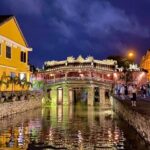
You’ll stop at the Japanese bridge, built more than 400 years ago to connect the Japanese community with the Chinese living on the other side of the coast.
This is the kind of place where the meaning matters. The tour highlights carvings and paintings on the bridge and explains their symbolism and cultural significance. That turns the bridge from a “nice crossing” into a sign of contact and community ties.
What to do while you’re there: don’t only shoot the bridge straight-on. Look for the carved details and panels, then step back to see the full span and how it sits in the waterway.
Handicraft shops and art galleries: a last taste of Hoi An’s creative side
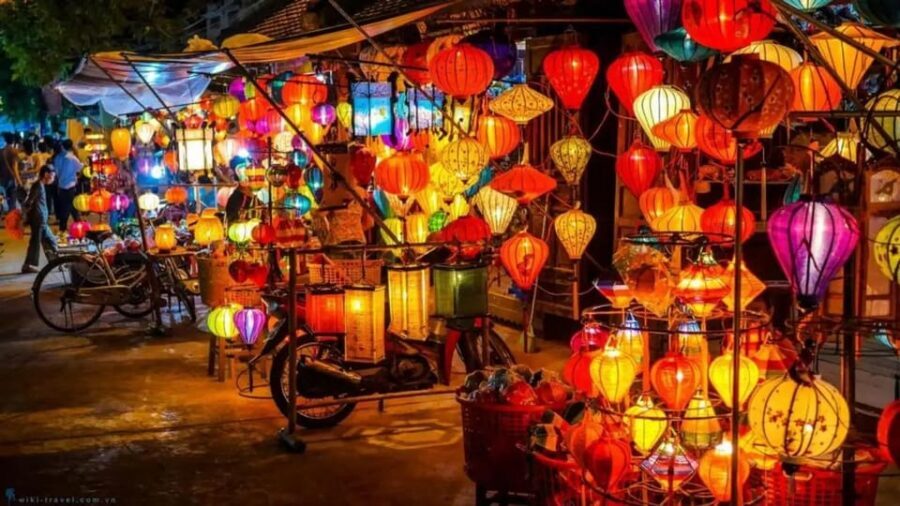
After the bridge, the tour shifts into famous handicraft shops & art galleries and the romantic street experience. You’ll walk small streets shaped by cute, rustic houses and poetic lantern lighting, which is basically the visual prelude to the main river moment.
This part is also where you’ll find more shopping opportunities. The idea is simple: you get the market clothing browsing earlier, then later you pivot to crafts and art. It’s a logical flow if you like gifts, décor, or locally made items.
Possible downside: if you already spent time shopping in the market, this may feel repetitive. You can solve that by deciding in advance what you want from the tour—clothes, crafts, or just atmosphere—and sticking to that plan.
The boat ride and flower lantern release: the highlight you’ll remember
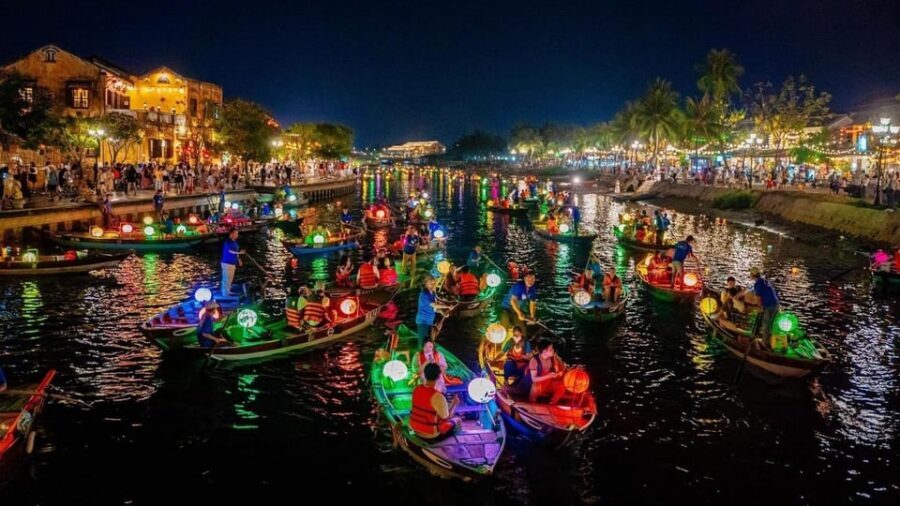
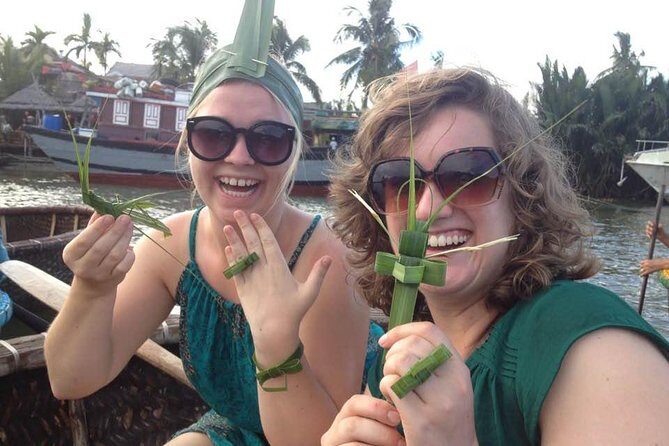
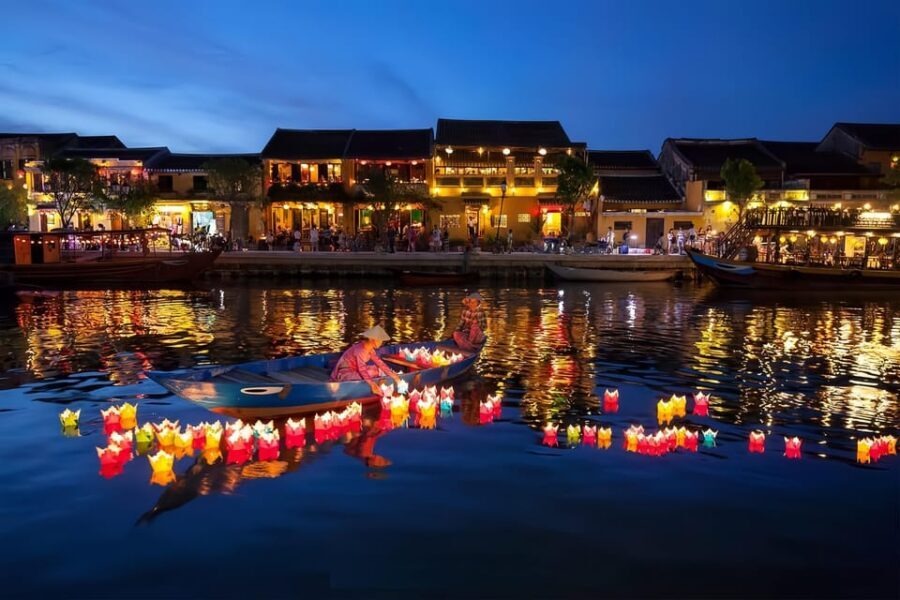
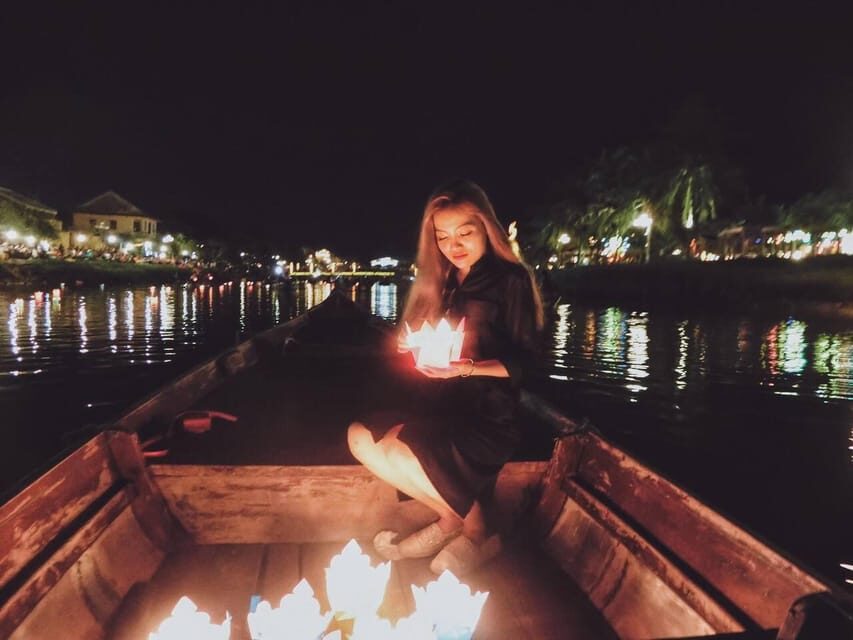
The last major event is the boat ride on the river, where you’ll get a flower lantern to release for good luck for yourself and your family. This is the piece people tend to remember, because it’s both visual and emotional. You’re not just looking at lanterns anymore—you’re participating.
What to expect: you’ll be sailing and releasing the black-flower lanterns as they float past houses and lantern-lit streets. The “magical space” is in the slow movement: lanterns drifting on dark water with buildings glowing around them. It’s the moment where the earlier stops start to feel connected.
Practical tips that come from how this kind of experience usually plays out:
- Arrive mentally ready for the final payoff. Don’t burn all your energy earlier.
- If you want photos, hold your phone steadily and keep your stance safe on the boat.
- Treat the release as a moment first, photo second. You’ll thank yourself later.
Timing that keeps you comfortable: 2:30 pm to about 6:30 pm
Even though the tour is listed as 4 hours, the schedule you’ll see is typically: start around 2:30 pm and finish around 18:30. That works well because it captures the transition from daytime heat to lantern-lit evening.
That timing also helps you avoid the worst part of many tourist days in Vietnam: arriving too late to enjoy sunset and then leaving too early to see the lights fully. Here, you do the cultural and shopping stops before the night sets in, then you end with the lantern river experience and return to your hotel.
Included vs. not included: what you should budget for
Here’s the straightforward way to think about it:
Included:
- Pick up and drop off in Hoi An (Da Nang pickup is a surcharge)
- English-speaking guide (other languages are available with a surcharge)
- Boat ride + flower lantern
- Mineral water
Not included:
- Tip for the tour guide and driver (optional)
- Holiday surcharge in Vietnam (if it applies)
If you’re building a budget for one evening, this is helpful: you can price the tour knowing the biggest “must add” is tips, and then only worry about any holiday surcharge.
Who should book this Hoi An City Tour & Lantern Release?
This tour is a great fit if you want:
- A night experience in Hoi An that doesn’t rely on figuring everything out solo
- Ancient houses plus cultural stops, not just one lane of lantern photos
- The lantern boat release as the main event
It’s also a good match for couples and first-timers because the itinerary is designed to lead into the romantic lighting and then land on the river moment.
If you prefer strictly silent, no-shopping sightseeing, you might find the market and handicraft shops a little sales-forward. You can still enjoy it—just go in with the mindset of browsing rather than committing.
Should you book? My honest call
I’d book this if your priority is a guided path through Hoi An’s heritage and then a real lantern release on the river. The guide support, the included boat ride, and the lantern itself take effort off your shoulders, and the flow from daytime market and cultural sites to evening lantern light is the exact pattern that makes the experience feel complete.
I wouldn’t book it if you’re planning a very chill day and hate shopping stops, because the itinerary includes market time and handicraft/art gallery time. Still, you can keep control by deciding ahead what you’ll actually look for and what you’ll skip.
If you’re aiming for one strong night in Hoi An, this is one of the more “you’ll remember the last hour” options.
FAQ
What is the duration of the tour?
The tour is listed as 4 hours. Start times vary, so you’ll want to check availability for the departure that fits your day.
What time does the tour usually start in the afternoon?
It typically starts around 2:30 pm.
What time does the tour end?
The schedule provided indicates an end time of about 18:30, with your guide taking you back to your hotel.
Where does pickup and drop-off happen?
Pickup and drop-off are included in Hoi An. If you need pickup or drop-off from Da Nang, there’s a surcharge.
Is an English-speaking guide provided?
Yes, the tour includes an English-speaking tour guide. Other languages are available with a surcharge.
What is included in the boat portion?
The boat ride and a flower lantern for releasing are included.
Do I need to bring water?
Mineral water is included with the tour.
Are tips included in the price?
No. Tips for the tour guide and driver are optional.
Is there a holiday surcharge?
A holiday surcharge in Vietnam is not included, if it applies to your travel date.
Is free cancellation available?
Yes. You can cancel up to 24 hours in advance for a full refund.